The Ultimate Guide to
Wine Varietals
From Cabernet to Chardonnay—and every magnificent grape in between. Your complete, no-jargon cheat sheet to the world’s most celebrated wines.
Standing in the wine aisle can feel like preparing for a final exam you didn’t study for. Labels shout names like “Malbec,” “Pinot Grigio,” and “Sauvignon Blanc.” What do they mean? Which one will you like? This guide is your definitive cheat sheet, designed to transform that wall of confusion into a world of delicious possibilities. We’re about to uncork the secrets of the world’s most famous grapes.
📋 Table of Contents
- What is a Wine Varietal?
- Red Wine Varietals
- White Wine Varietals
- More Essential Red Varietals
- More Essential White Varietals
- Rosé Wine: The Pink Revolution
- Natural & Orange Wines
- Famous Wine Regions of the World
- How to Read a Wine Label
- How to Taste Wine Like a Sommelier
- The Art of Wine & Cheese Pairing
- Wine Serving Order at the Table
- The Complete Guide to Decanting
- Building Your First Wine Collection
- Organic & Biodynamic Wine Explained
- Tools for Your Tasting Journey
- Frequently Asked Questions
First, What Exactly is a Wine Varietal?
In the simplest terms, a varietal is a wine made primarily from a single named grape variety. When you see “Pinot Noir” on a label, it means the wine in that bottle is made from at least 75% Pinot Noir grapes (in the U.S.; this percentage can vary by country). This is different from a blend, like a Bordeaux, which is made from a combination of several different grapes.
Think of grapes like apples. You know a Granny Smith will be tart and crisp, while a Red Delicious will be sweet and soft. Grapes are the same—each varietal has its own inherent characteristics: a unique profile of flavors, aromas, and textures. However, where that grape is grown, a concept known as terroir (tare-WAHR), also plays a huge role. Terroir encompasses the soil, climate, and geography of the vineyard, which is why a Cabernet Sauvignon from California can taste dramatically different from one made a few kilometers away in Bordeaux.
🌍 Old World vs. New World in a Nutshell
Old World wines (France, Italy, Spain, Germany) tend to be more restrained, earthier, and mineral-driven—reflecting the land above all else. New World wines (USA, Australia, Chile, Argentina, New Zealand) are typically fruitier, bolder, and more alcohol-forward, showcasing the ripeness of the grape itself. Neither is superior; they are different conversations between the winemaker and the land.
The Great Divide: A Tour of Red Wine Varietals
Red wines get their color from the skins of black grapes, which are left to ferment with the juice. These skins also impart flavor and, importantly, tannins—the compounds that create a drying sensation in your mouth, similar to drinking strong black tea. We’ll explore them from boldest to lightest.
Cabernet Sauvignon: The King of Reds
If there’s one red grape to know, it’s Cabernet Sauvignon. Originally from Bordeaux, France, this small, thick-skinned grape is now grown in nearly every major wine region on earth. It’s known for its deep color, full body, and high tannin content, which allows it to age for decades.
| Also Known As: | Cab, Cab Sauv |
| Origin: | Bordeaux, France |
| Body: | Full |
| Tannins: | High |
| Acidity: | Medium-High |
| Primary Flavors: | Black Cherry, Black Currant, Cedar, Baking Spices, Graphite |
Younger Cabs, especially from California’s Napa Valley, burst with opulent fruit flavors. With age, they develop complex, savory notes of tobacco, leather, and cedar. Because of its bold structure, a proper glass is essential to allow it to breathe. The high tannins soften beautifully with 15–20 minutes of air exposure, or use a decanter for the full effect.
Syrah / Shiraz: The Two-Faced Wonder
It’s the same grape, but with two distinct personalities. In its French homeland (the Rhône Valley), it’s called Syrah and produces elegant wines with notes of black olive, smoke, and herbs. In warmer climates like Australia, it’s called Shiraz and becomes a powerhouse of jammy, spicy fruit with a tell-tale black pepper kick.
| Origin: | Rhône Valley, France |
| Body: | Full |
| Tannins: | Medium-High |
| Acidity: | Medium |
| Primary Flavors: | Blueberry, Plum, Black Pepper, Tobacco, Smoked Meat |
Shiraz is often more fruit-forward and approachable for new red wine drinkers, while a classic Syrah from a region like Hermitage or Crozes-Hermitage offers layers of complexity that connoisseurs adore. It’s a fantastic illustration of how terroir shapes the same varietal into something entirely different.
Merlot: The Smooth Operator
Merlot often gets a bad rap (thanks, Sideways!), but it’s one of the world’s most beloved and important grapes. It’s softer and fruitier than Cabernet Sauvignon, with lower tannins and a plush, velvety texture. This makes it incredibly versatile and genuinely easy to drink.
| Origin: | Bordeaux, France |
| Body: | Medium to Full |
| Tannins: | Medium |
| Acidity: | Medium |
| Primary Flavors: | Cherry, Plum, Chocolate, Bay Leaf, Vanilla |
In Bordeaux, Merlot is a key blending grape, providing softness to balance Cabernet’s structure. On its own, especially from Washington State’s Walla Walla or California’s Sonoma, it’s a rich and satisfying wine. The most iconic Merlot in the world—Pétrus from Pomerol—sells for thousands of dollars per bottle, proving this varietal’s stunning potential at its peak.
Pinot Noir: The Heartbreak Grape
Pinot Noir is notoriously difficult to grow, but when it’s good, it’s transcendent. It’s a light-bodied red with high acidity and a pale ruby color. It’s not about power; it’s about elegance, complexity, and ethereal aromas of red fruit, flowers, and earthy forest floor.
| Origin: | Burgundy, France |
| Body: | Light to Medium |
| Tannins: | Low |
| Acidity: | High |
| Primary Flavors: | Cranberry, Cherry, Raspberry, Clove, Mushroom |
The best Pinot Noir comes from Burgundy, France. However, world-class examples flourish in Oregon’s Willamette Valley, California’s Sonoma Coast, and New Zealand’s Central Otago. Because of its thin skin and delicate nature, Pinot is highly sensitive to its environment—making where it’s grown one of the most critical factors in determining the final wine.
More Essential Red Varietals You Need to Know
Cabernet, Merlot, Pinot Noir, and Syrah are the “Big Four” of red wine, but the world of red grapes extends far beyond them. The varietals below represent some of the most exciting, food-friendly, and increasingly popular reds you’ll encounter on wine lists and in wine shops. Exploring these opens up an entire new dimension of the wine world.
Malbec: The Pride of Argentina
Originally a native of Cahors in southwestern France (where it’s called Côt), Malbec found its true calling in the high-altitude vineyards of Mendoza, Argentina. The intense South American sun and cool Andean nights produce a grape of remarkable depth: dark, inky, and loaded with plush, ripe fruit flavors. It’s become one of the most popular red wines in the world, and for very good reason.
| Origin: | Cahors, France (perfected in Argentina) |
| Body: | Full |
| Tannins: | Medium-High |
| Acidity: | Medium |
| Primary Flavors: | Blackberry, Plum, Dark Cherry, Chocolate, Violet |
Argentine Malbec is often described as the “gateway drug” to red wine for white wine drinkers—it has enough fruit-forward approachability and smooth tannins that it rarely intimidates, yet enough depth to reward attention. At higher altitudes (above 1,000 meters), Malbec develops an additional floral, violet character and greater structure that can rival any great Bordeaux red in complexity.
Zinfandel: California’s Own Grape
While Zinfandel (known as Primitivo in Italy, where it likely originated) is grown around the world, it has found its spiritual home in California, where old-vine examples from Sonoma, Paso Robles, and Amador County can produce some of the most characterful and uniquely American wines imaginable. Do not confuse it with White Zinfandel—the sweet pink wine of the 1980s—which is a completely different product using the same grape. The full-bodied red Zinfandel is something else entirely.
| Origin: | Croatia (via Italy, perfected in California) |
| Body: | Full |
| Tannins: | Medium |
| Acidity: | Medium-Low |
| Alcohol: | High (often 14.5–16%) |
| Primary Flavors: | Blackberry Jam, Raspberry, Black Pepper, Anise, Tobacco |
Zinfandel’s hallmark is its exuberant, almost jam-like fruit character and high alcohol content. Old vine Zinfandel (from vines 50–100+ years old) develops incredible concentration and complexity, adding layers of dried fruit, leather, and earthy minerals beneath the ripe fruit. It’s bold, distinctive, and quintessentially Californian.
Tempranillo: The Soul of Spain
Tempranillo is the undisputed king of Spanish wine. It’s the primary grape of Rioja and Ribera del Duero—two of Spain’s most celebrated wine regions—and is known for producing wines of remarkable elegance, longevity, and complexity. The name “Tempranillo” comes from the Spanish word for “early,” referring to the fact that this grape ripens earlier than most Spanish varietals.
| Origin: | Rioja, Spain |
| Body: | Medium to Full |
| Tannins: | Medium-High |
| Acidity: | Medium |
| Primary Flavors: | Red Cherry, Plum, Tobacco, Leather, Dill (from American oak) |
Tempranillo is heavily shaped by the oak aging it receives. In Rioja, wines labeled Crianza receive 2 years of aging (including at least 1 in oak); Reserva wines receive 3 years (at least 1 in oak); and Gran Reserva wines receive a minimum of 5 years total aging (at least 2 in oak). These classifications tell you a great deal about the style and intensity of what’s in the bottle.
Grenache / Garnacha: The Mediterranean Workhorse
Grenache (called Garnacha in Spain, where it likely originated) is one of the most widely planted red grapes in the world, and one of the most underrated. It’s a warm-climate grape that thrives in the sun-baked hillsides of southern France’s Rhône Valley, Spain’s Priorat, and Sardinia, Italy. On its own or in blends, it’s the backbone of some of the world’s greatest wines, including Châteauneuf-du-Pape.
| Origin: | Aragon, Spain |
| Body: | Medium to Full |
| Tannins: | Low to Medium |
| Acidity: | Low |
| Alcohol: | High (often 14–16%) |
| Primary Flavors: | Strawberry, Raspberry, Orange Peel, Herbs, White Pepper |
Old-vine Grenache from Priorat or Châteauneuf-du-Pape develops extraordinary complexity: layers of dried fruit, iron minerals, lavender, and garrigue (the wild herbs of the Mediterranean scrubland). It’s also the dominant grape in many Rhône-style blends (GSM: Grenache-Syrah-Mourvèdre), one of the most delicious and food-friendly blending formulas in the world.
The Bright Side: A Journey Through White Wine Varietals
White wines are typically made from green-skinned grapes, and the juice is fermented without contact with the skins. This results in wines that are generally lighter, more acidic, and showcase flavors from citrus and green apple to tropical fruit and flowers. Temperature is crucial for white wines—always serve them chilled.
Chardonnay: The Blank Canvas
Chardonnay is the world’s most popular white grape for a reason: it’s incredibly versatile. Its flavor profile is heavily influenced by the winemaker’s decisions, leading to two main styles: oaked and unoaked.
| Origin: | Burgundy, France |
| Body: | Medium to Full |
| Tannins: | None |
| Acidity: | Low to Medium |
| Flavors (Unoaked): | Green Apple, Lemon, Pineapple, Pear, Chalk |
| Flavors (Oaked): | Butter, Vanilla, Toasted Nuts, Caramel, Baked Apple |
Unoaked Chardonnay, like French Chablis, is fermented in stainless steel tanks, resulting in a crisp, mineral-driven, laser-focused wine that tastes of lemon, chalk, and oyster shell. Oaked Chardonnay, the classic California style, is aged in oak barrels (often undergoing malolactic fermentation, which converts sharp malic acid into softer lactic acid), imparting those rich, buttery, and toasty notes. If you’ve ever said “I hate Chardonnay,” you probably haven’t found the style you like yet.
Sauvignon Blanc: The Zesty Refresher
If you’re looking for a wine that zings with acidity and jumps out of the glass with vibrant aromas, Sauvignon Blanc is for you. It’s a dry, light-bodied white wine known for its pungent herbaceous and citrus notes. Its name translates from French to “wild white”—an apt description of its exuberant, untamed character.
| Origin: | Loire Valley, France |
| Body: | Light to Medium |
| Tannins: | None |
| Acidity: | High |
| Primary Flavors: | Grapefruit, Lime, Gooseberry, Jalapeño, Fresh Cut Grass |
French Sauvignon Blanc from Sancerre or Pouilly-Fumé tends toward the flinty and mineral. From Marlborough, New Zealand, it’s an explosion of passion fruit and guava. From California’s Napa Valley (sometimes labeled “Fumé Blanc”), it may be partially oaked, developing a rounder, creamier texture that bridges it toward Chardonnay territory.
Pinot Grigio / Pinot Gris: The Tale of Two Styles
Like Syrah/Shiraz, this is the same grape with two names indicating dramatically different styles. As Pinot Grigio (Italian style), it’s light, dry, and crisp with simple notes of lemon and green apple—a perfect, uncomplicated summer sipper. As Pinot Gris (Alsatian French style), it becomes rich, full-bodied, and aromatic with notes of stone fruit, honey, and exotic spice.
| Origin: | Burgundy, France |
| Body: | Light (Grigio) to Full (Gris) |
| Tannins: | None |
| Acidity: | Medium-High |
| Flavors (Grigio): | Lemon, Green Apple, White Flowers |
| Flavors (Gris): | Peach, Almond, Honey, Ginger |
Oregon has become a world-class region for the fuller Pinot Gris style, producing wines with the aromatic complexity of Alsace but with a fresh New World vibrancy. The name on the label tells you almost everything about what’s in the glass: “Grigio” = lean and crisp; “Gris” = rich and aromatic.
Riesling: The Aromatic Chameleon
Riesling is one of the world’s most noble and profoundly misunderstood white grapes. Many people assume all Riesling is sweet—most is actually dry! It’s a highly aromatic grape with piercing, almost electric acidity that makes it incredibly refreshing and capable of aging for many decades, developing extraordinary complex notes of petrol, honey, and ginger over time.
| Origin: | Rhine Region, Germany |
| Body: | Light to Medium |
| Tannins: | None |
| Acidity: | Very High |
| Primary Flavors: | Lime, Green Apple, Beeswax, Jasmine, Petrol (aged) |
German Rieslings are labeled by their level of sweetness: Trocken (bone dry), Halbtrocken (off-dry), Spätlese (slightly sweet), and up through the rare, ultra-sweet Trockenbeerenauslese. Rieslings from Alsace and the Clare Valley of Australia are typically bone-dry. The combination of high acidity and (when present) residual sweetness makes Riesling the greatest food pairing white wine of all.
More Essential White Varietals to Explore
The world of white wine extends magnificently beyond the “Big Four.” The following grapes represent some of the most distinct, food-friendly, and rewarding white wines you can explore—each with a character so unique it’s unmistakable once you’ve encountered it.
Gewürztraminer: The Aromatic Showstopper
Few wines make a first impression as immediately striking as Gewürztraminer. This grape—with its charmingly impossible name (say it: geh-VURTS-trah-MEE-ner)—produces one of the most aromatic and exotic whites in existence. The moment you raise a glass, your senses are hit with an almost perfume-like explosion of lychee, rose petals, ginger, and spice. It’s a genuinely unique experience in the wine world.
| Origin: | Alsace, France (via Tramin, Italy) |
| Body: | Medium to Full |
| Tannins: | None |
| Acidity: | Low |
| Primary Flavors: | Lychee, Rose Petal, Ginger, Clove, Orange Blossom |
Gewürztraminer from Alsace, France, is the benchmark—it’s rich, often slightly off-dry, and intensely aromatic. Its low acidity and rich texture mean it’s not for every occasion, but when the food pairing is right, it’s absolutely transcendent. The grape itself has a distinctive pink-copper skin, which gives the wine a deeper golden hue than most whites.
Moscato / Muscat: Sweet Pleasure, Simply Done
The Muscat family is one of the oldest and most diverse grape families in the world, with hundreds of known varieties. At its most popular expression—Italian Moscato d’Asti—it produces a lightly sparkling (frizzante), low-alcohol (around 5–7% ABV), sweetly perfumed wine that has become a global phenomenon. It’s fun, it’s approachable, it’s unabashedly delicious, and it requires no expertise whatsoever to enjoy.
| Origin: | Ancient Mediterranean (perfected in Piedmont, Italy) |
| Body: | Light |
| Sweetness: | Sweet to Very Sweet |
| Alcohol: | Low (5–7%) |
| Primary Flavors: | Peach, Apricot, Orange Blossom, Honey, Nectarine |
Beyond the sweet, fizzy style, Muscat Blanc à Petits Grains produces profound dry wines in Alsace. At the other extreme, Muscat de Beaumes-de-Venise from the Rhône produces a rich, amber-colored fortified dessert wine that is one of France’s great pleasures. The Muscat grape’s defining characteristic across all styles is its purely grapey, floral, and immediately likeable aromatics.
Chenin Blanc: The Renaissance Grape
Chenin Blanc is one of the most versatile white grapes in the world—it can produce bone-dry still wines, sparkling wines, medium-sweet wines, and some of the world’s greatest sweet wines, depending entirely on how and where it’s made. Its homeland is the Loire Valley of France (where it’s called Vouvray or Savennières), but South Africa (where it’s called Steen) has embraced it with extraordinary enthusiasm.
| Origin: | Loire Valley, France |
| Body: | Light to Full (depending on style) |
| Acidity: | Very High |
| Versatility: | Dry, Off-Dry, Sparkling, Dessert |
| Primary Flavors: | Quince, Apple, Chamomile, Hay, Honey, Beeswax |
The high acidity of Chenin Blanc is its superpower—it allows the grape to balance sweetness beautifully and to age for extraordinary lengths of time. A great Vouvray from a top vintage can age for 50 years or more, developing layers of honey, beeswax, and dried apricot complexity that rival the finest dessert wines of Bordeaux or Germany.
Albariño: The Crisp Atlantic White
Albariño (called Alvarinho in Portugal, where it’s the basis of Vinho Verde) is the signature white grape of Galicia in northwestern Spain—a rainy, cool, and dramatically beautiful region on the Atlantic coast. It’s a crisp, aromatic white with naturally high acidity and moderate alcohol that has become one of the most fashionable food wines in the world, thanks largely to its incredible affinity with seafood.
| Origin: | Galicia, Spain / Minho, Portugal |
| Body: | Light to Medium |
| Acidity: | High |
| Alcohol: | Low to Medium |
| Primary Flavors: | Peach, Apricot, Lime Zest, Saline, White Flowers |
The best Albariño comes from the Rías Baixas appellation of Galicia. The proximity to the Atlantic Ocean gives the wine a beautiful saline, briny mineral quality that makes it almost taste of the sea—a quality that makes it an almost mystical pairing with shellfish and crustaceans. It’s also remarkably affordable given its quality, making it one of the best-value whites in the world.
Rosé Wine: The Pink Revolution
Rosé has undergone a remarkable image transformation in recent years—from being dismissed as an unsophisticated sweetened wine to being recognized as a serious, versatile, and immensely pleasurable wine category with a proud history dating back to ancient Greece. The Provence region of southern France can claim much of the credit for this revolution, producing pale, dry, and strikingly elegant rosés that set the global benchmark.
How is Rosé Made?
High-quality rosé is made from red grapes—usually Grenache, Cinsault, Mourvèdre, Syrah, or Sangiovese—using one of three primary methods:
- Direct Press: Red grapes are immediately pressed after harvest, giving just enough brief contact with the skins to impart color and aromatics. This produces the palest, most delicate rosés—the classic Provence style.
- Saignée (Bleed) Method: When making red wine, winemakers “bleed off” some of the juice early in maceration. This pink juice becomes rosé while the remaining red wine becomes more concentrated. These rosés tend to be darker and more structured.
- Blending: A small amount of red wine is blended into white wine to create pink color. This method is used in Champagne (Rosé Champagne) but is generally considered less prestigious for still wines in the Old World.
Styles of Rosé Around the World
Provence Rosé
Pale salmon pink, bone dry, crisp, with notes of strawberry, citrus, and fresh herbs. The global benchmark for elegance.
Grenache-ledTavel (Rhône) Rosé
Deeper, more structured and rich than Provence. Full-bodied with more tannin grip—France’s most serious still rosé.
Most robustSpanish Rosado
Often made from Garnacha or Tempranillo. Darker in color, fruitier, and with a rounder texture than their French counterparts.
Fruit-forwardItalian Rosato
Lighter styles from northern Italy (Pinot Nero) or more structured Puglian rosatos. Crisp and food-friendly.
Food-first💡 The Color Myth
Many people assume a deeper pink rosé is sweeter. This is wrong! Color in rosé comes from skin contact time, not sugar content. A dark, fuchsia-colored rosé can be bone dry, while a pale blush rosé can be off-sweet. Always read the label or ask your sommelier rather than judging sweetness by color.
Natural and Orange Wines: The Avant-Garde
No exploration of wine varietals is complete without addressing two categories that have moved from fringe curiosity to mainstream conversation: natural wine and orange wine. Both represent a philosophical response to industrial winemaking, and both have loyal, passionate communities of producers and drinkers.
Natural Wine: What Does It Actually Mean?
The term “natural wine” has no legal definition—unlike “organic” or “biodynamic,” there’s no certification body that governs its use. In practice, natural wine refers to wines made with minimal intervention in both the vineyard and the cellar. Natural winemakers typically follow organic or biodynamic farming practices, harvest grapes by hand, use native (wild) yeasts for fermentation rather than commercial lab yeasts, add little or no sulfur dioxide (a common preservative), and avoid fining, filtering, and other technical manipulations of the wine.
The result can be wines of extraordinary expressiveness—wines that seem to buzz with life and energy, reflecting their origin with an honesty that conventionally made wines sometimes lose. They can also be cloudy, slightly fizzy (from residual CO2), and more oxidative in character. Whether this represents terroir purity or a flaw in winemaking is a debate that divides wine enthusiasts fiercely.
Orange Wine: White Wine Made Like Red
Orange wine is white wine made with skin contact—the same process used to make red wine. White grapes are fermented with their skins and seeds for an extended period (from a few days to a year or more), extracting color, tannins, and phenolic compounds that are normally absent in white wine. The result is a wine that is amber or golden in color (hence “orange”), with a texture and structure closer to a light red wine, and flavors of dried apricot, bruised apple, nuts, mushrooms, and oxidative complexity.
Orange wine has roots in ancient Georgia (the country), where wine has been made in clay amphorae called qvevri for 8,000 years. It’s also traditional in the Friuli-Venezia Giulia region of Italy and in Slovenia. Today, orange wine is made by adventurous producers all over the world and is beloved by natural wine enthusiasts for its ability to bridge the gap between white and red wines at the dinner table.
Famous Wine Regions of the World
Where a grape is grown matters as much as the grape itself. Understanding the world’s key wine regions gives you a powerful shortcut to predicting what’s in any bottle. Here’s a reference guide to the regions you’ll encounter most often.
Bordeaux
Home of the world’s most famous red blends (Cabernet Sauvignon, Merlot, Cabernet Franc) and golden Sauternes dessert wines.
Burgundy
Holy land for single-varietal Pinot Noir and Chardonnay. Terroir here is so valued that individual vineyard plots are legally classified.
Champagne
The only region legally allowed to produce Champagne. Chardonnay, Pinot Noir, and Pinot Meunier are blended into the world’s most celebrated sparkling wine.
Tuscany
Sangiovese country. Home of Chianti, Brunello di Montalcino, and the bold “Super Tuscans” that blended Italian and French grapes to stunning effect.
Piedmont
The Nebbiolo kingdom: Barolo (“the wine of kings”) and Barbaresco are two of Italy’s most majestic and age-worthy red wines.
Rioja
Spain’s most iconic wine region, producing age-worthy Tempranillo-based reds with distinctive vanilla notes from American oak aging.
Napa Valley
California’s most prestigious appellation. World-class Cabernet Sauvignon with ripe, opulent fruit and powerful structure.
Willamette Valley
Oregon’s cooler climate produces some of the most elegant and Burgundy-like Pinot Noir outside of France.
Mendoza
High-altitude vineyards beneath the Andes produce concentrated, world-class Malbec and Cabernet Sauvignon.
Marlborough
The spiritual home of New World Sauvignon Blanc—explosive, zesty, and unmistakably aromatic. Also producing excellent Pinot Noir.
Barossa Valley
The heartland of Australian Shiraz. Old vine Grenache and Shiraz produce rich, powerful, and distinctive wines with a warm, generous character.
Stellenbosch
The Cape’s most prestigious wine district. Outstanding Cabernet Sauvignon, Chenin Blanc (Steen), and increasingly exciting Syrah.
How to Read a Wine Label
A wine label is a surprisingly information-rich document—once you know how to decode it. Learning to read a label is one of the most practical skills a wine lover can develop, as it allows you to make informed selections in any wine shop or restaurant with confidence.
Key Elements on Every Wine Label
- Producer / Winery Name: The name of the estate or company that made the wine. In some regions (particularly Old World), this is the most prominent element on the label.
- Appellation / Region: Where the grapes were grown. Old World labels (French, Italian, Spanish) often prominently feature the appellation name (e.g., “Chablis,” “Rioja,” “Chianti”) rather than the grape variety—it is assumed that consumers know which grapes are grown in which regions. New World labels (USA, Australia, Chile) typically feature the grape variety prominently.
- Grape Variety / Varietal: The grape(s) used to make the wine. Sometimes listed on the front label (common in New World), sometimes on the back label, and sometimes not listed at all (common in Old World, where the region implies the grape).
- Vintage: The year the grapes were harvested. Vintage matters for wines intended for aging and for understanding the climatic conditions that shaped the wine. “Non-vintage” (NV) wines, like most Champagne, are blends of multiple years.
- Alcohol Content: Expressed as a percentage by volume (ABV). A useful clue to the style: wines above 14% ABV tend to be full-bodied and ripe; wines below 12% tend to be lighter and possibly off-dry.
- Classification / Quality Level: In France, look for terms like “Grand Cru” or “Premier Cru” in Burgundy, or the Château classification system in Bordeaux. In Italy, “DOCG” (Denominazione di Origine Controllata e Garantita) is the highest quality classification. In Germany, the Prädikat system (Kabinett, Spätlese, Auslese) denotes ripeness and sweetness levels.
💡 The Old World Shortcut
When shopping for Old World wines where the grape isn’t listed on the label, remember these key associations: Chablis = Chardonnay, Sancerre = Sauvignon Blanc, Red Burgundy = Pinot Noir, White Burgundy = Chardonnay, Rioja Tinto = Tempranillo, Barolo = Nebbiolo, Chianti = Sangiovese. Learning these regional synonyms unlocks the entire Old World wine aisle.
How to Taste Wine Like a Sommelier
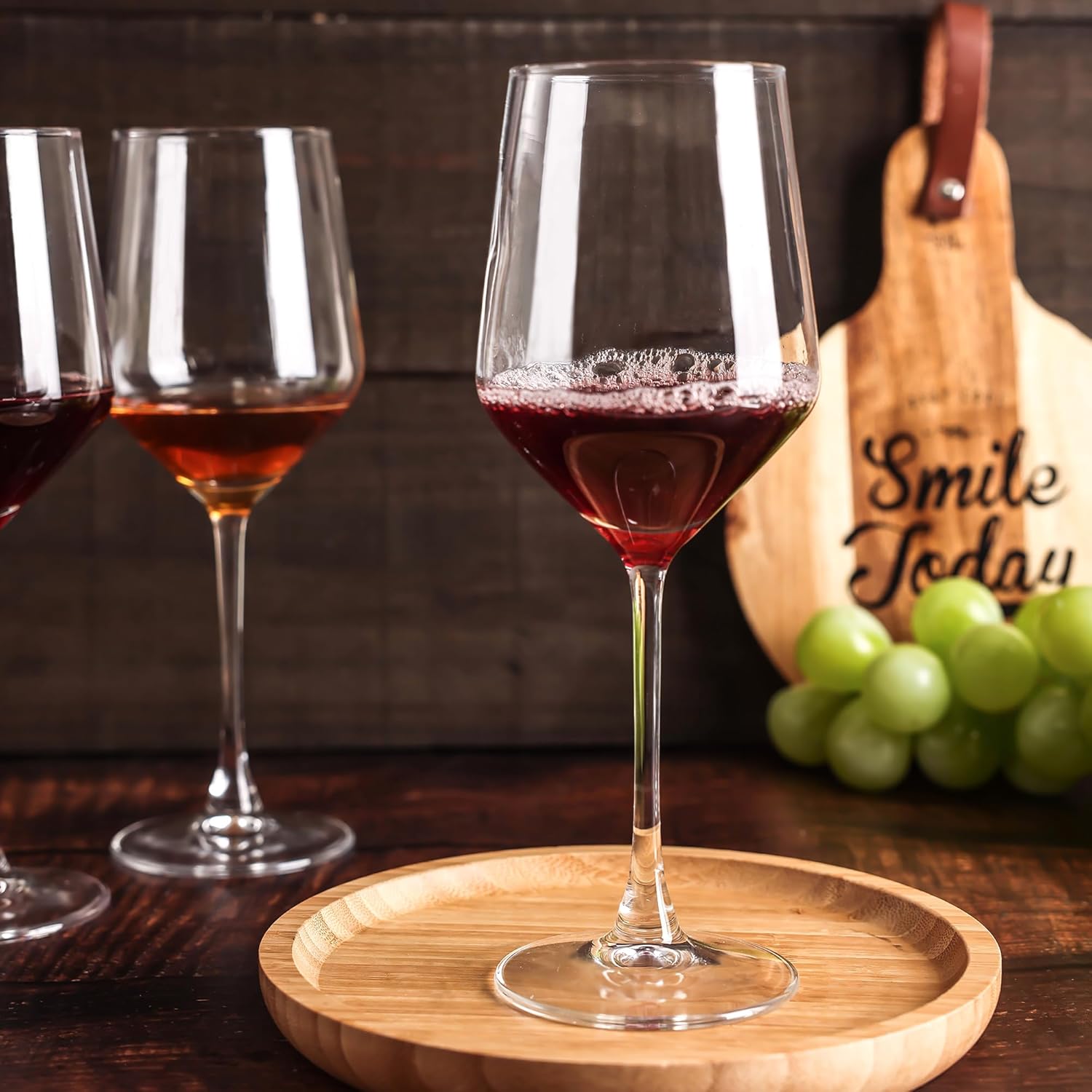
Professional wine tasting is a structured, systematic process. You don’t need to be a Master Sommelier to use the same analytical framework—and doing so will dramatically deepen your appreciation of every wine you drink. The process follows four steps: See, Swirl, Smell, Sip.
See
Tilt the glass against a white background. Note the color depth, hue at the rim, and clarity. Color gives clues to grape variety, age, and climate.
Swirl
Swirl the glass to coat the sides and release volatile aromatic compounds. The “legs” (streaks running down the glass) indicate alcohol and body.
Smell
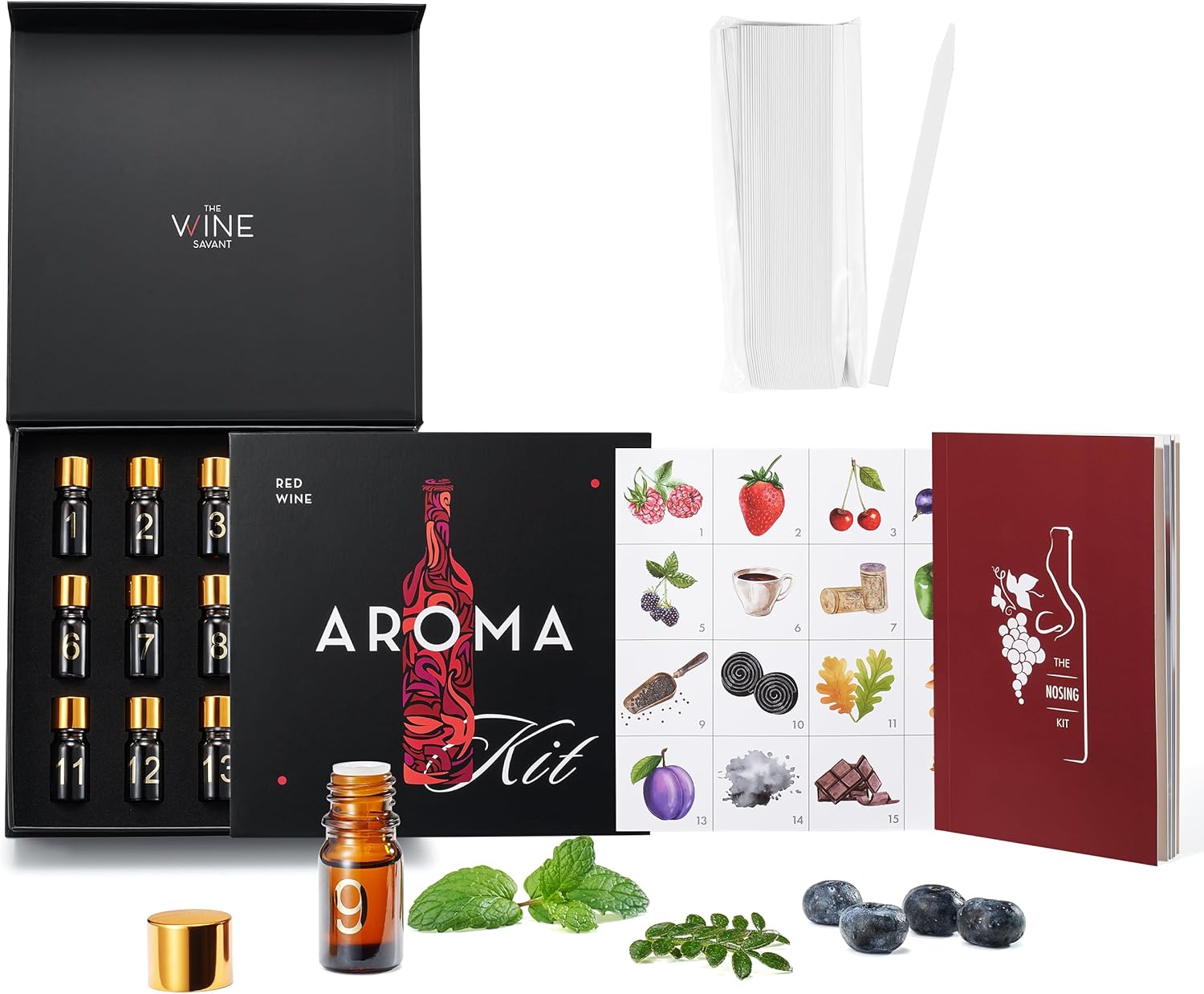
Stick your nose in the glass. Identify primary aromas (fruit, floral), secondary (fermentation-derived), and tertiary (oak, age). Take your time here—this is where most of the “flavor” comes from.
Sip
Take a sip, let it coat your whole palate. Note: Is it sweet, sour, salty, or bitter? What are the flavors? Is the body light, medium, or full? What are the tannins like? How long is the finish?
What to Look for on the Palate
Acidity: Does your mouth water? High acidity (Sauvignon Blanc, Riesling, Pinot Noir) makes your mouth salivate. Low acidity feels rounder and broader on the palate.
Tannins: Do you feel a drying, gripping sensation on your gums and the inside of your cheeks? That’s tannin—present only in red wines and from grape skins, seeds, and oak. High-tannin wines (Cabernet, Barolo) feel more structured and austere; low-tannin reds (Pinot Noir, Gamay) feel silky and smooth.
Body: Think of body as the “weight” of the wine in your mouth. Light-bodied wines feel like skim milk; full-bodied wines feel like whole milk or cream. Alcohol, residual sugar, and tannin all contribute to body.
Finish: How long do the flavors linger after you swallow? A “short” finish disappears in seconds; a “long” finish continues for 30–60 seconds or more. In general, the longer the finish, the higher the quality.
The Art of Wine and Cheese Pairing
Wine and cheese are perhaps the most celebrated food-and-drink partnership in history, and understanding how to pair them transforms a simple tasting into a genuinely memorable experience. The key principle is contrast and complement: you want the wine and cheese to either mirror similar flavor notes or create a pleasurable tension between opposing characteristics.
Fresh Cheeses
Goat cheese, ricotta, fresh mozzarella → Crisp, high-acid whites: Sauvignon Blanc, Pinot Grigio, unoaked Chardonnay. The acid mirrors the cheese’s tang.
Soft-Ripened
Brie, Camembert, Époisses → Oaked Chardonnay, Pinot Noir, Champagne. The creaminess complements the wine’s richness or is cut by its bubbles.
Semi-Hard
Gruyère, Manchego, Comté → Medium-bodied reds (Merlot, Tempranillo) or Alsatian whites. Nutty notes align beautifully.
Hard, Aged
Aged Cheddar, Parmesan, Pecorino → Bold reds: Cabernet Sauvignon, Barolo, Malbec. High tannin needs high fat and salt for balance.
Blue Cheese
Roquefort, Gorgonzola, Stilton → Sweet wines: Sauternes, Port, late-harvest Riesling. Salt and sweetness is a transcendent combination.
Washed-Rind
Munster, Taleggio, Limburger → Gewürztraminer, Pinot Gris, off-dry Riesling. Pungent cheese needs aromatic, rich wine to match its intensity.
💡 The Regional Pairing Principle
When in doubt about wine and cheese pairing, trust geography: what grows together, goes together. Wines and cheeses from the same region have evolved side-by-side over centuries, and these regional pairings almost always work—Rioja with Manchego, Sancerre with Chèvre, Barolo with Parmesan, Champagne with Brie. Geography is your best cheat code.
Wine Serving Order at the Dinner Table
When serving multiple wines at a dinner, the order in which they are poured matters significantly. The general principle is to serve wines in an order that allows each successive wine to be fully appreciated—avoiding “palate fatigue” where a bold early wine makes a more delicate subsequent wine seem flat and disappointing.
- Sparkling before still: Begin with Champagne or sparkling wine as an aperitif. Its high acidity and bubbles stimulate the appetite and cleanse the palate.
- White before red: Lighter, more delicate whites are easily overwhelmed after a bold red—serve whites first.
- Light before full-bodied: Within each color category, serve lighter styles before heavier, more structured ones.
- Dry before sweet: Sweet wines coat the palate and make dry wines taste harsh and thin. Always serve dessert wines last.
- Young before old: As a general rule, serve younger wines before older, more complex ones—though this has many exceptions.
The Complete Guide to Decanting
Decanting is the process of pouring wine from its bottle into a separate vessel (a decanter) before serving. It serves two distinct purposes—and understanding the difference will help you decide when decanting is worth the effort.
Purpose 1: Aeration (Letting the Wine Breathe)
Young, tannic red wines (Cabernet Sauvignon, Barolo, Hermitage, Amarone) are often “closed”—their complex aromas are locked in by tight tannins and the absence of oxygen. Decanting exposes the wine to air, a process called oxidation, which begins to soften tannins and “open up” the aromatics. For a young, ambitious red, 30–90 minutes of decanting can transform a wine that tastes austere and angular into something more expressive and pleasurable.
Purpose 2: Sediment Separation
Older red wines (especially those aged for 10+ years) often throw a natural sediment—a harmless but gritty deposit of tannins, pigments, and tartrates that precipitate out of the wine over time. Drinking sediment is unpleasant. Careful decanting—slowly pouring the wine while holding the bottle neck near a light source to spot when sediment approaches the bottle neck—separates the clear wine from the cloudy deposit.
🍷 Decanting vs. Opening in Advance
Simply uncorking a bottle and leaving it on the counter has minimal effect—the small opening of the bottle neck exposes almost no wine surface to air. Only decanting, with its large surface area of wine exposed to oxygen, provides meaningful aeration. White wines and Champagne generally do not benefit from decanting and should not be decanted.
Building Your First Wine Collection
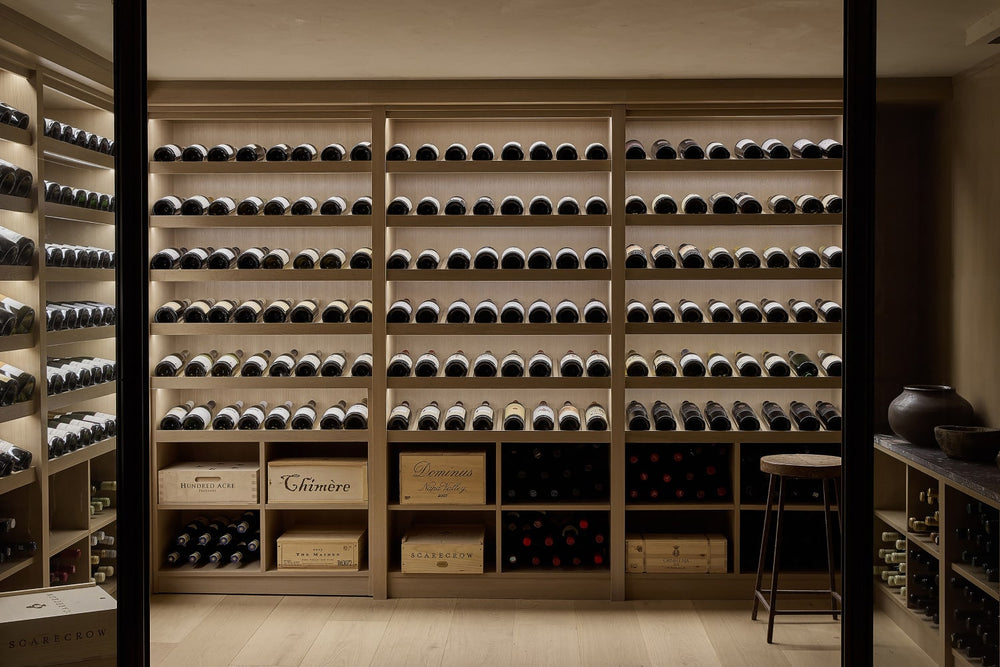
You don’t need a stone cellar beneath your château to start a wine collection. Even a modest collection of 12–24 carefully chosen bottles, stored in the right conditions, can provide years of enjoyment and the particular pleasure of watching wines evolve over time.
The Essential Foundation: A Balanced Collection
A well-rounded starter collection should cover the major styles and have bottles at different readiness levels—some to drink now, some to age. A good starting framework for a 24-bottle collection might include: 4 bottles of everyday red (Merlot, Malbec, or Côtes du Rhône), 4 bottles of everyday white (Sauvignon Blanc, Pinot Grigio, or Chablis), 2 bottles of sparkling (Champagne or Crémant), 4 bottles of age-worthy red (Cabernet Sauvignon, Barolo, or Rioja Reserva), 2 bottles of age-worthy white (top-quality Chardonnay or Riesling), 2 bottles of rosé (Provence), and 2 bottles of dessert or fortified wine (Sauternes or Port).
The Three Enemies of Wine: Heat, Light, and Vibration
- Temperature: Store wine at a consistent 55°F (13°C). Avoid fluctuations—it’s consistency, not exactness, that matters most. Never store wine near a stove, radiator, or in a warm attic.
- Light: Ultraviolet light degrades wine rapidly. Store bottles in a dark location, or in a wine fridge with UV-protected glass. This is why wine bottles are traditionally dark green or brown.
- Vibration: Constant vibration (from appliances, machinery, heavy traffic) can disturb the sediment in aging wines and disrupt the chemical processes of maturation. Store your collection away from vibrating appliances.
- Humidity: For bottles with natural cork closures, maintain around 60–70% relative humidity to prevent corks from drying out and letting air in. Screw-cap and synthetic cork wines are immune to this concern.
- Orientation: Store corked bottles on their sides to keep the cork moist and sealed. Screw-cap bottles can be stored upright.
Organic and Biodynamic Wine: What Do the Labels Really Mean?
As consumer interest in sustainability has grown, the wine market has seen a proliferation of labels claiming organic, biodynamic, and natural credentials. These terms are not interchangeable, and understanding the differences helps you make informed choices that align with your values.
Organic Wine
Organic viticulture prohibits the use of synthetic pesticides, herbicides, fungicides, and fertilizers in the vineyard. Farming relies on natural alternatives—compost, cover crops, beneficial insects, and copper/sulfur sprays. In the USA, certified “Organic Wine” also prohibits the addition of sulfites; wines “Made with Organic Grapes” may contain added sulfites. In the EU, the certification is more flexible regarding sulfite additions. Look for certifications from agencies like the USDA Organic seal, Ecocert (EU), or AB (Agence Bio) in France.
Biodynamic Wine
Biodynamic farming goes further than organic. It treats the vineyard as a complete, self-sustaining ecosystem and follows a holistic calendar of lunar cycles and astronomical rhythms to guide all vineyard activities (planting, pruning, harvesting). Special preparations made from herbs, minerals, and composted materials are used in tiny quantities to energize the soil. The primary certification bodies are Demeter and Biodyvin. Many of the world’s greatest wineries—including Domaine Leflaive in Burgundy and Zind-Humbrecht in Alsace—practice biodynamic farming and report that it produces healthier vines and more expressive wines.
Sustainable Wine
Sustainability in winemaking is a broader concept that encompasses environmental, social, and economic practices. A sustainable winery might use some synthetic inputs where necessary but offsets its impact through solar energy, water conservation, recycled packaging, and fair labor practices. In New Zealand (SWNZ certification) and California (CCSW certification), rigorous third-party sustainability standards have been developed for the wine industry. Sustainable does not equal organic, but it represents a meaningful commitment to responsible production.
Tools for Your Tasting Journey
As you dive deeper into the world of varietals, having the right tools dramatically enhances your experience. Here are a few essentials we recommend—all available on Amazon. These are the items we genuinely use and turn to again and again.

The Wine Bible by Karen MacNeil
The definitive reference text. Exhaustive, engaging, and authoritative. A must-have for any serious enthusiast who wants the full story behind every grape and region.
View on Amazon
Wine Folly: Magnum Edition
For visual learners—a masterpiece of infographic design. Brilliant charts and illustrations make complex wine topics simple and genuinely fun to explore.
View on Amazon
Pulltap’s Waiter’s Corkscrew
Don’t mess with gadgets. This is the simple, durable, and perfectly designed corkscrew used by sommeliers worldwide. Master it once and you’ll never use anything else.
View on AmazonFrequently Asked Questions (FAQ)
What’s the main difference between Merlot and Cabernet Sauvignon?
Think of them as step-siblings from Bordeaux. Cabernet Sauvignon is typically more structured with higher tannins and flavors of black currant, cedar, and graphite. Merlot is softer, plushier, and more immediately fruit-forward, with flavors of ripe plum and chocolate. If you find Cab too harsh or dry, Merlot will almost certainly appeal to you more. Interestingly, they are often blended together in Bordeaux—Cab providing structure, Merlot providing softness and roundness.
What does “Old World” vs. “New World” mean for wine?
“Old World” refers to the traditional wine-growing regions of Europe (France, Italy, Spain, Germany, Portugal, etc.). Old World wines tend to be more restrained, earthier, and mineral-driven, with a focus on terroir—the land—above the fruit. “New World” refers to all other wine regions (USA, Australia, Chile, South Africa, New Zealand, Argentina, etc.). New World wines are typically fruitier, bolder, and higher in alcohol, with a focus on showcasing a clean, generous fruit expression. Neither is superior; they are simply different styles with different emphases.
Are Rosé wines just a mix of red and white wine?
Generally, no. High-quality still Rosé is made from red grapes. The juice has limited contact with the grape skins—just a few hours, instead of the days or weeks required for red wine. This brief contact imparts a pink color and subtle red fruit flavors without extracting heavy tannins. The exception is Rosé Champagne, which is legally permitted to be made by blending a small amount of red Pinot Noir wine into white Champagne—a process forbidden for still rosé wines in most of the EU.
I’m taking a bottle to a party. What’s a safe bet?
For a red, you can’t go wrong with a smooth Malbec from Argentina or a Merlot from California—both are crowd-pleasers with approachable tannins and ripe fruit. For a white, a New Zealand Sauvignon Blanc is almost universally loved for its vibrant, zesty character. If you want to bring something unexpected that always gets a great reaction, a well-made Provence Rosé is one of the safest bets at any party. And don’t forget to transport it safely in one of the best wine bags to keep it chilled and protected.
How should I store my wine once I buy it?
For wines you plan to drink within a few weeks, a cool, dark corner of a kitchen cupboard is fine. For bottles you want to hold for months or years, a consistent, cool temperature (around 55°F / 13°C), away from light and vibration, is essential. A dedicated wine refrigerator is the best home storage solution—it maintains the right temperature, humidity, and darkness. Store bottles with natural corks on their sides to keep the cork moist and prevent air ingress.
What is the difference between a varietal wine and a blend?
A varietal wine is made predominantly from a single grape variety (e.g., a bottle labeled “Chardonnay” or “Cabernet Sauvignon”). A blend combines two or more grape varieties. Blending allows winemakers to create greater complexity than any single grape can achieve alone—Bordeaux blends, Rhône blends, and Champagne’s multi-variety assemblage are among the world’s greatest wines and all depend on the art of blending. Neither approach is inherently superior; they are simply different creative tools.
What does “dry” mean in the context of wine?
“Dry” means the wine has no perceptible sweetness—all or almost all of the sugar from the grapes has been fermented into alcohol. The opposite of dry is “sweet” (or “off-dry” for wines with just a hint of residual sweetness). Most red wines and many white wines (Chardonnay, Sauvignon Blanc, Pinot Grigio) are dry. A common misconception is that fruit-forward, juicy-tasting wines are sweet—in fact, the perception of “fruitiness” is an aroma characteristic, not sweetness. A wine can taste very fruity and still be technically bone dry.
What wine is best for beginners?
For red wine beginners, start with Merlot, Malbec, or Pinot Noir—all have approachable tannins and generous fruit that rarely intimidates. For white beginners, Sauvignon Blanc (for those who like crisp and refreshing) or a lightly oaked Chardonnay (for those who prefer something richer and rounder) are excellent starting points. Rosé is also an exceptional entry point—dry Provence Rosé combines the best elements of both color categories in one approachable package.
Your Journey Begins Now
Understanding wine varietals isn’t about memorizing facts; it’s about building a sensory library—a personal archive of flavors, aromas, and memories tied to specific grapes and places. Every bottle you open is an opportunity to add a new entry to that library.
The next time you’re in a wine shop, pick a varietal from this guide you’ve never tried. Pay attention to the aromas, the flavors, how it feels in your mouth. There’s no wrong answer—the only thing that matters is what you enjoy.
This guide is your map, but the adventure—and all the pleasure it brings—is entirely yours to savor. Cheers!