The Polished Host: 10 Wine Accessories for Effortless Entertaining
Picture it: the gentle murmur of conversation, the clinking of glasses, the aroma of a wonderful meal. Being a great host is about creating an atmosphere of effortless grace. But behind that ease is preparation. There’s nothing that shatters the illusion of calm faster than fumbling with a stubborn cork or serving a beautiful white wine lukewarm. This is your definitive guide to assembling the perfect toolkit of wine accessories, ensuring you’re always prepared to serve any bottle with confidence and style.
The Foundation Before the Accessories: Wine Serving Temperatures Explained
Before you uncork a single bottle or polish a single glass, there’s an invisible force that shapes the entire wine experience more than any physical accessory ever could: serving temperature. This is one of the most underappreciated and misunderstood aspects of wine service, and getting it right is the single fastest way to dramatically improve the quality of the wines you serve.
Temperature affects virtually every aspect of how wine presents itself. Too warm, and the alcohol vapors overpower the aromas, making the wine smell “hot” and sharp. The fruit retreats, and you’re left with a flabby, unbalanced glass. Too cold, and the wine tightens up — the aromas become muted, the tannins in reds feel harsh and astringent, and the complex fruit nuances you paid for simply disappear. The right temperature is the sweet spot where everything the winemaker worked to create is fully expressed.
The persistent myth that “red wine is served at room temperature” is a prime example of outdated advice causing real problems. That guidance originated in eras and climates where “room temperature” meant a cool European cellar — roughly 15–18°C (59–64°F). Modern, centrally heated homes run significantly warmer, meaning “room temperature” today is often far too warm for most red wines. Understanding the correct range for each wine style is just as important as having the right glass.
The Complete Wine Serving Temperature Guide
Use this as your permanent reference. If you’re ever in doubt, serving wine slightly cooler than ideal is always preferable to serving it too warm — it will warm up in the glass, while warming a cold bottle is slow and tricky.
6–8°C 42–46°F
Champagne, Prosecco, Cava
8–10°C 46–50°F
Pinot Grigio, Sauvignon Blanc
10–13°C 50–55°F
Oaked Chardonnay, Viognier
12–15°C 54–59°F
Pinot Noir, Rosé, Beaujolais
15–18°C 59–64°F
Merlot, Sangiovese, Tempranillo
17–20°C 63–68°F
Cabernet Sauvignon, Syrah, Malbec
8–12°C 46–54°F
Sauternes, Port, Ice Wine
12–16°C 54–61°F
Sherry, Madeira, Dry Vermouth
Pro Hosting Insight: The 20-Minute Rule
As a practical rule of thumb, if your red wine has been stored in a cool cellar or at room temperature below 20°C, place it in the refrigerator for 20 minutes before serving to bring it to the ideal range. Conversely, if a white wine has been refrigerated, take it out 20 minutes before serving to allow it to open up slightly. These small adjustments make an enormous difference that even novice drinkers will notice and appreciate.
Understanding temperature also shapes which accessories you prioritize. If you frequently host guests with a love of bold reds and want to ensure they’re served at the precise ideal temperature, investing in a small countertop wine fridge or wine temperature strips becomes a logical next step — practical tools that quietly signal a high level of expertise and care to your guests.
The Host’s Foundation: The Absolute Bare Essentials
You can’t build a house without a foundation. These are the non-negotiable tools every person who plans to serve wine should own. Master these, and you’re already 90% of the way to being a great wine host.

1. The Waiter’s Friend Corkscrew
The Indispensable WorkhorseIf you buy only one wine accessory, this is it. Forget the clunky winged corkscrews that chew up corks or the bulky electric ones that run out of battery. The “Waiter’s Friend” (or wine key) is the simple, elegant, and brutally effective tool used by sommeliers worldwide. Its genius lies in the double-hinged lever, which gives you two points of leverage to extract the cork smoothly and vertically, drastically reducing the risk of breakage. It’s compact, durable, and the integrated foil cutter and bottle opener make it a true multi-tool.
Expert Tip: When using, insert the worm (the screw part) slightly off-center, so it ends up in the middle of the cork after its final turn. This provides the most secure grip. Mastering this tool is a rite of passage for any wine lover.

2. Quality, All-Purpose Glassware
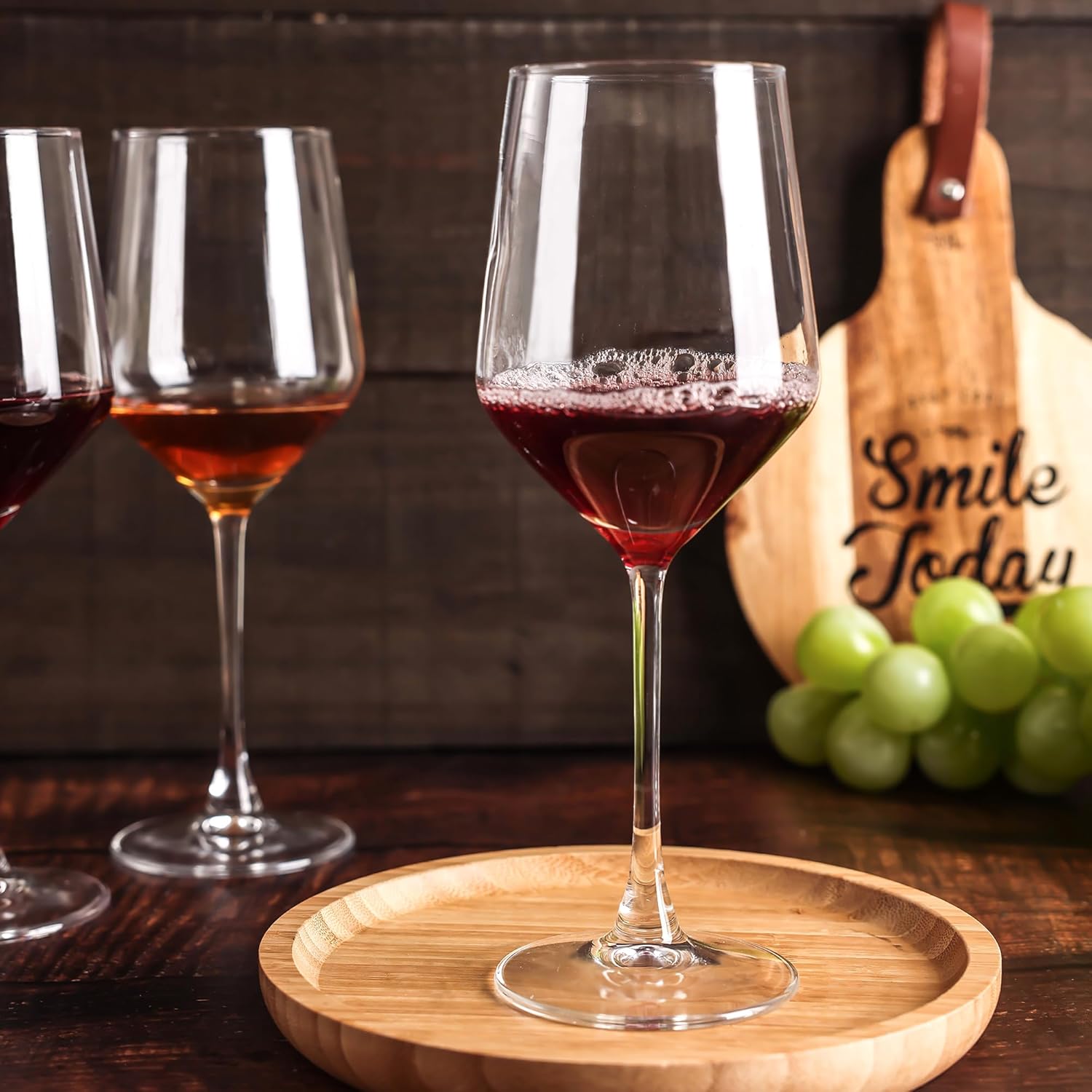
Elevating Every SipServing good wine in a thick, clunky glass is like listening to a symphony through cheap headphones — you miss all the nuance. While the world of specialized glassware is vast, a great host starts with a set of high-quality “universal” glasses. Look for a glass with a thin rim, a generous bowl that tapers towards the top, and a long stem. The bowl allows the wine to breathe, the taper concentrates the aromas, the thin rim feels elegant on the lip, and the stem keeps your hand from warming the wine.
Expert Tip: Owning at least 6–8 matching glasses is ideal for dinner parties. It creates a cohesive, polished look on the table. Always hand wash your best glasses to prevent cloudiness from dishwasher detergents.

3. A Rapid Wine Chiller
Saving a Warm Bottle EmergencyThere is no greater hosting panic than a guest arriving with a beautiful bottle of Champagne or Sauvignon Blanc that’s at room temperature. An ice bucket works, but it can be slow and messy. Enter the rapid wine chiller sleeve. You store this gel-filled sleeve in your freezer, and it’s ready to go at a moment’s notice. Simply slide it over the bottle, and it will chill the wine to a perfect serving temperature in about 15 minutes. It also keeps the bottle cool on the table without the dripping mess of an ice bucket.
Expert Tip: While this is a lifesaver, the best approach is proper storage beforehand. Always keep one chiller sleeve in the freezer as part of your permanent hosting setup — treat it like a fire extinguisher you hope never to need but are glad to have.
The Great Glassware Debate: Stemless vs. Stemmed Wine Glasses
Few topics in wine accessory circles generate more passionate debate than the question of stemless versus stemmed glassware. Both have ardent advocates, both have legitimate pros and cons, and the right answer depends almost entirely on your hosting lifestyle. Understanding the nuances of each will help you make a smart investment and confidently advise your guests when they ask.
The case for them: The stem exists for a precise functional reason — it allows you to hold the glass without your hand contacting the bowl, preventing heat transfer from your palm into the wine. For temperature-sensitive wines (whites, sparklings, and lighter reds), this is genuinely important over the course of a long dinner. Stemmed glasses also facilitate proper swirling, which releases the wine’s aromatic compounds. They are the unambiguous choice for formal settings and elevate the visual aesthetic of any table setting.
Best suited for: Formal dinner parties, wine tastings, white and sparkling wine service, and environments where elegance is the primary goal.
The case for them: Stemless glasses are dramatically more durable — the stem is the most fragile part of any wine glass, and its absence means far fewer breakages. They’re easier to store (they stack well and take up half the cabinet space), dishwasher-safe in most cases, and have a relaxed, modern aesthetic that suits casual gatherings perfectly. High-quality stemless glasses can be nearly as thin-rimmed and bowl-generous as their stemmed counterparts.
Best suited for: Casual gatherings, outdoor entertaining, large parties where breakage risk is high, everyday drinking, and modern minimalist aesthetics.
The Smart Host’s Solution: Own Both
The most practical advice is to maintain a small collection of high-quality stemmed glasses for formal occasions and a larger, more robust set of stemless glasses for everyday and casual use. This two-tier approach gives you the right tool for every occasion without sacrificing either function or practicality. When guests bring a beautiful bottle that deserves ceremonial service, reach for the stemware. For a relaxed backyard gathering with rosé? The stemless glasses handle the job brilliantly and won’t cause anxiety if someone sets them down too enthusiastically.
Key Glassware Features to Evaluate at Any Price Point
Whether you’re buying stemmed or stemless, entry-level or premium, these are the non-negotiable quality indicators to look for when evaluating any wine glass. A poorly made glass undermines even the finest wine, while a thoughtfully crafted one elevates an everyday bottle into something memorable.
Rim Thickness
The thinner the rim, the more elegant the sipping experience. Machine-made glasses tend to have a noticeable roll at the top; hand-blown or laser-cut glasses have an imperceptibly thin edge that directs wine precisely onto the palate.
Bowl Shape
The bowl should be wide enough to swirl freely without spilling and taper inward at the top to concentrate aromas. A bowl that is too cylindrical will release aromas too broadly; one that is too narrow will trap them.
Glass Clarity
High-quality crystal glass (including lead-free crystal) has a brilliance and clarity that showcases the color and “legs” of wine beautifully. Standard soda-lime glass appears slightly greenish or bluish when viewed from the side.
Balance & Weight
A well-balanced glass should feel equally comfortable whether held by the stem or the base. A glass that is too heavy at the top becomes tiring to hold and increases the likelihood of tipping.
Aerator vs. Decanter: Which Does Your Wine Actually Need?
Both an aerator and a decanter accomplish the same fundamental goal — exposing wine to oxygen to soften tannins, dissipate unwanted sulfur compounds, and allow aromas to develop fully. But the way they accomplish this goal, and the situations in which each excels, are quite different. Many wine enthusiasts own both for good reason, but understanding the distinction will help you prioritize your purchase and use each tool when it will have the most impact.
How it works: An aerator is a small device — often hand-held or bottle-top mounted — that forces wine through a narrow channel and exposes it to a concentrated burst of oxygen as it passes through. The entire aeration happens in an instant as the wine pours.
Time to result: Instantaneous — the wine is aerated in the seconds it takes to pour a glass.
Best for: Young, robust red wines you’re opening for immediate consumption. Perfect for weeknight dinners when you want better wine without the 1–2 hour decanting wait. Also excellent for wines that are good but not complex enough to show dramatically different character with extended aeration.
Limitations: Cannot separate sediment from old wines. Does not give gradual, nuanced development over time the way decanting does. Not appropriate for delicate old wines where excessive aeration could cause them to “fall apart.”
How it works: A decanter is a wide-based glass vessel that allows wine to rest in contact with a large surface area of air over an extended period. The process is gentle, gradual, and controlled, mimicking the natural way wines evolve over time in a glass.
Time to result: 30 minutes to 3 hours, depending on the wine’s age and structure. Young, tannic reds benefit most from 1–2 hours. Old wines with sediment may only need 30–45 minutes to avoid over-aeration.
Best for: Young, tannic, concentrated wines that are “closed” and need time to open up. Essential for older wines (10+ years) that contain sediment. Also excellent as a visual and conversational centerpiece at the dinner table.
Limitations: Requires planning ahead. Improper use (decanting an old wine too aggressively) can cause it to lose its delicate character. Requires proper cleaning equipment.
When to Use Which: A Simple Decision Guide
Opening a young Cabernet 30 minutes before guests arrive? Decanter.
Grabbing a mid-range Malbec on a Tuesday evening? Aerator.
Serving a special bottle aged 15+ years? Decanter (gently, with a candle or light to watch for sediment).
Hosting a large party where wine speed matters? Aerator on multiple bottles, simultaneously.
Want a visual centerpiece on your dining table? Decanter, every time.
The Complete Guide to Cleaning Your Wine Decanter
A beautiful decanter on your table makes a powerful statement about your commitment to wine. A stained, cloudy decanter makes an equally powerful — and far less flattering — statement. Cleaning a decanter presents a unique challenge: its wide body, narrow neck, and delicate glass make it impossible to clean with a conventional bottle brush using conventional methods. But with the right approach, keeping it sparkling is straightforward.
The Step-by-Step Decanter Cleaning Method
-
1
Rinse immediately after use. The cardinal rule of decanter care: never let wine dry inside. Immediately after emptying, fill the decanter halfway with warm water and swirl gently. Pour out and repeat. This removes the majority of residue before it has a chance to stain.
-
2
Use decanter cleaning beads for deep cleaning. Pour a small amount of stainless-steel cleaning beads into the decanter along with warm water and a small amount of unscented dish soap or white vinegar. Swirl firmly, allowing the beads to gently abrade the interior surface. They reach areas no brush can access and are gentle enough not to scratch the glass.
-
3
The wine-and-salt method for stubborn stains. For tannin deposits that resist other methods, pour a handful of coarse salt and a small amount of white wine (not water) into the decanter. The coarseness of the salt combined with the mild acidity of the wine creates a gentle abrasive cleaner that dissolves stubborn red wine stains effectively.
-
4
Rinse thoroughly with hot water. After any cleaning method, rinse with the hottest water your decanter can safely handle (avoid sudden extreme temperature changes in crystal). The hot rinse helps loosen any remaining residue and dissolves soap film completely.
-
5
Dry properly — this step is critical. Never towel-dry the interior. Place the decanter upside down on a dedicated decanter drying stand, which holds it at an angle that allows air to circulate inside. A straight inverted position traps moisture. If water spots are a concern, use distilled water for the final rinse.
-
6
Store correctly. Once completely dry, store the decanter upright with its stopper slightly ajar to allow airflow. Never seal a decanter completely when empty, as stale air trapped inside can develop an unpleasant musty odor that transfers to your next wine.
Common Decanter Cleaning Mistakes
Never use the dishwasher — the high heat, harsh detergents, and physical agitation will etch crystal, cause permanent cloudiness, and risk cracking. Never use bleach — it’s nearly impossible to rinse completely and any residue will contaminate your wine. Never use colored dish soap — unscented, colorless soap only, and rinse until no trace remains. Never force a brush through a narrow neck — decanter glass is thin and surprisingly fragile under lateral pressure. Beads and gentle swirling are always safer.
Leveling Up: Accessories for the Polished Host
You’ve mastered the basics. Now it’s time to add the tools that signal a higher level of care and sophistication. These accessories don’t just perform a function; they enhance the entire wine experience for you and your guests.

4. A Classic Wine Decanter
Unlocking a Wine’s Full PotentialA decanter is more than just a beautiful centerpiece; it’s a powerful tool that serves two primary functions. First, it aerates the wine. Exposing a young, tannic red wine (like a Cabernet Sauvignon or Syrah) to oxygen softens the tannins and allows its complex aromas and flavors to open up and blossom. Second, it separates an older wine from its sediment, the natural solid residue that forms over years of aging. Pouring the wine carefully from the bottle into the decanter leaves the gritty sediment behind.
Expert Tip: Choose a decanter with a wide base for maximum aeration and a neck that’s easy to pour from. For cleaning, a flexible decanter brush and some cleaning beads are essential to keep it sparkling.

5. A Wine Preservation System
Preventing Waste, Promoting TastingHow many times have you hesitated to open a nice bottle on a Tuesday night, knowing you won’t finish it? A wine preserver is the answer. The most common and effective type is a vacuum pump. After pouring a glass, you place a reusable rubber stopper in the bottle and use the simple hand pump to remove the oxygen. Oxygen is the enemy of open wine, and by removing it, you can keep a bottle fresh for 3–5 days. This tool encourages you to explore different wines without the pressure of finishing the bottle, and it’s a must for any host who ends the night with half-full bottles.
Expert Tip: These work best on non-sparkling wines. Using a vacuum pump on Champagne or Prosecco will remove the bubbles! For sparkling wines, always use a dedicated Champagne stopper instead.
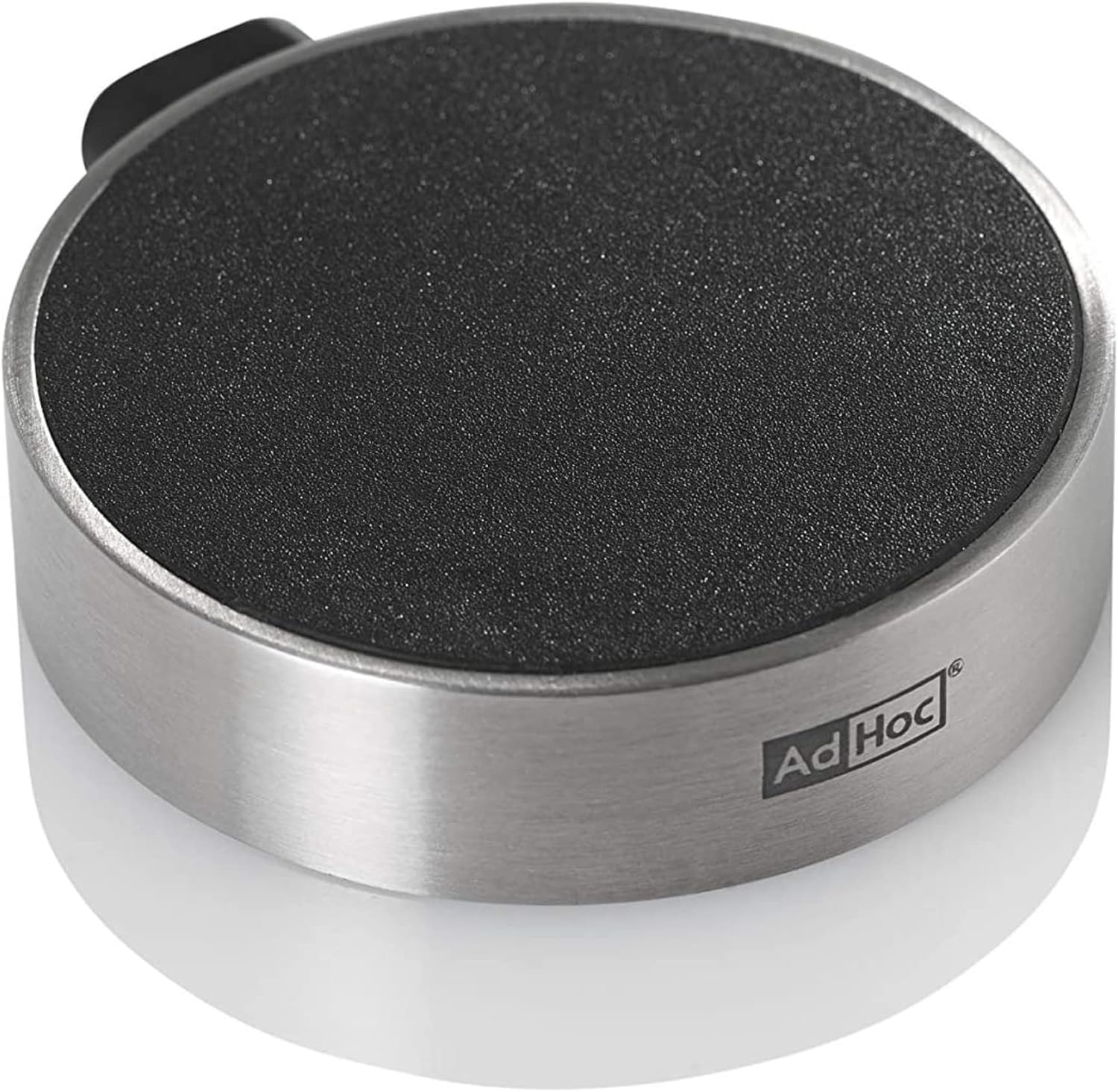
6. A Dedicated Foil Cutter
A Clean, Professional Cut Every TimeWhile the little serrated blade on a waiter’s friend works, it can sometimes be awkward and leave a jagged edge on the foil. A dedicated foil cutter is a small, inexpensive luxury that makes a big difference. You simply place the four-wheeled cutter on top of the bottle, give it a quarter-turn squeeze, and it removes the top of the foil capsule with a perfectly clean, straight line. It’s faster, safer, and gives your bottle opening ritual a touch of professional polish.
Expert Tip: Traditionally, the foil should be cut below the lower lip of the bottle. This prevents any wine from dripping and touching the foil as you pour.
Wine Accessories for Outdoor Entertaining
Al fresco gatherings — garden parties, patio dinners, picnics, barbecues — present a distinct set of wine service challenges that standard indoor accessories simply aren’t designed to address. Breakable crystal glasses, temperature fluctuations, lack of counter space, and the unpredictable nature of outdoor environments demand a specialized toolkit. The good news is that the market for outdoor-specific wine accessories has never been more sophisticated, offering genuinely elegant solutions that don’t require you to sacrifice aesthetics for practicality.
The outdoor wine host must think about three core challenges: temperature management (summer heat destroys wine faster than almost anything else), breakage prevention (concrete patios are unforgiving), and portability (your tools need to travel comfortably). The accessories that address these challenges most elegantly are the ones that elevate outdoor wine service from a compromise into a genuinely special experience.
🥂 Shatterproof Wine Glasses
Modern Tritan plastic and polycarbonate wine glasses have become remarkably sophisticated. Premium versions are crystal-clear, thin-rimmed, and have a satisfying weight that closely mimics real glass. They’re dishwasher-safe, virtually unbreakable, and completely safe to use around pools and on stone patios. For the outdoor host, a set of high-quality shatterproof glasses is a non-negotiable investment.
🧊 Insulated Wine Tumblers
Double-walled stainless steel insulated tumblers have transformed outdoor wine service. They keep white wines and rosés chilled for hours without any ice, eliminating the constant temperature battle on a hot summer day. Many are designed specifically for wine, with elegant shapes and volumes appropriate for a generous pour. They’re perfect for the beach, festivals, or any setting where maintaining temperature is critical.
🍷 Portable Wine Carrier Totes
A quality insulated wine tote with internal dividers is the backbone of any outdoor wine setup. Look for one with thick neoprene or foam insulation, secure bottle compartments that prevent clinking, and comfortable handles or a shoulder strap. The best versions also include a small cooler pouch for ice packs. They keep your bottles at serving temperature during transit and look sleek arriving at any gathering.
🌿 Picnic Wine Tool Sets
Dedicated outdoor or picnic wine sets package the essentials — corkscrew, stopper, foil cutter, and sometimes a small aerator — into a compact, travel-ready case. These are purpose-built for portability, usually with secure clasps that prevent the tools from rattling or opening in a bag. They project an admirable level of preparedness and are ideal gifts for the outdoor-entertaining enthusiast.
☀️ Outdoor Wine Tables & Stakes
A grass wine stake or small folding side table transforms any lawn into a civilized wine service setup. The stake design — a spike that plunges into the grass with a circular holder at the top — allows guests to set their glasses down without needing a flat surface nearby. It’s a charming, practical solution that keeps glassware off the ground and prevents the constant searching for “somewhere to put this.”
🎪 Pop-Up Bar Kits
For the host who regularly does large outdoor events, a portable “bar in a box” kit provides a semi-professional serving station that can be set up anywhere. These typically include a folding bar top, bottle holders, glass racks, and tool storage. They transform the practical need to serve many guests quickly into a visually impressive focal point for any outdoor space.
The Golden Rule of Outdoor Wine Service
In outdoor settings, always serve whites and rosés slightly cooler than you would indoors — approximately 2–3°C lower. The ambient warmth will bring the wine up to the ideal temperature within minutes of pouring. This “pre-compensation” approach ensures that the wine in the guest’s glass is perfect from the first sip to the last, rather than ideal at pour and too warm by the midpoint.
Beyond the Basics: Thematic & Occasion-Based Accessories
While the essential toolkit prepares you for any standard dinner party, true hosting mastery involves matching your accessories to the specific occasion. This is where you transition from a competent host to a memorable one. The right thematic accessories don’t just serve a function — they tell a story, set a mood, and create a cohesive experience that your guests will talk about long after the last glass is emptied.
Consider these scenarios: A rustic autumn gathering calls for different tools than a sleek, modern cocktail party. A romantic Valentine’s dinner demands a different aesthetic than a festive holiday open house. By curating accessories that align with your theme, you demonstrate a level of thoughtfulness that elevates the entire event. This approach transforms wine service from a utilitarian task into an integral part of your party’s narrative.
The Sparkling Wine Specialist
For celebrations centered around Champagne or Prosecco, specialized tools like a sword-style sabre for sabrage, elegant coupe or flute glasses, and a heavy-duty bell-shaped stopper to preserve bubbles turn opening a bottle into a performance.
The Blind Tasting Connoisseur
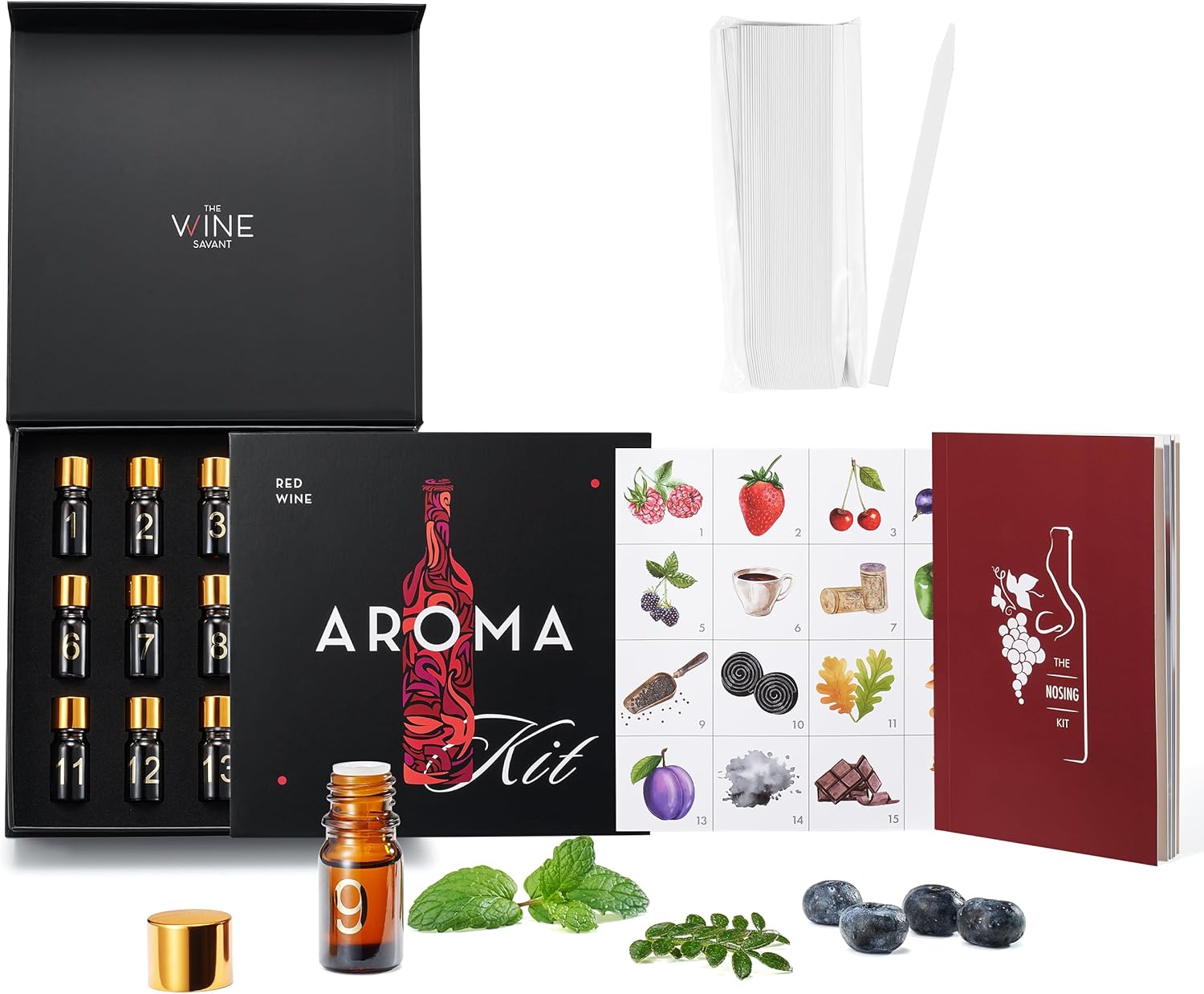
Hosting an educational tasting? Black opaque tasting bags, numbered bottle collars, and structured scorecards with aroma wheels are essential. They shift the focus purely to the wine in the glass, free from label bias, making for a thrilling and humbling experience for all.
The Artisanal Cheese & Wine Host
Pairing goes beyond the board. A set of specialized cheese knives (soft cheese, hard cheese, blue cheese), a marble serving slab to keep cheeses cool, and small tasting note cards for guests to record their favorite combinations show deep dedication to the craft.
Pro Hosting Insight: The Psychology of Thematic Tools
Thematic accessories act as conversation catalysts. A unique decanter shape, an unusual glass, or a specialized tool naturally piques curiosity and gives you, the host, a story to tell. This breaks the ice, engages guests, and centers the experience around shared discovery rather than passive consumption. It’s this layer of intentionality that separates a good gathering from a great one.
Seasonal Hosting: Matching Your Accessories to the Time of Year
The most sophisticated hosts think about wine service as a seasonal practice. The wines we gravitate toward, the temperatures we’re fighting, and the aesthetic of the gathering change dramatically between a warm summer evening and a cozy winter holiday dinner. Your accessories can and should adapt accordingly, creating a sense of intentionality that guests feel even if they can’t specifically articulate why the experience feels so considered and complete.
Spring Hosting
Spring calls for lighter wines — delicate rosés, crisp whites, and light-bodied reds. Priority accessories include tulip-shaped glasses that capture floral aromatics, a lightweight insulated tote for outdoor patio service, and an ice bucket with a linen wrap that keeps whites cold without looking clinical. Floral wine charms and pastel napkins complete the aesthetic.
Summer Hosting
Summer is the season of the outdoor host. Lead with shatterproof glasses, insulated tumblers, and a high-capacity ice bucket or a quality wine cooler that can handle multiple bottles simultaneously. Temperature management is everything in summer — invest in a dedicated outdoor wine fridge if you entertain frequently. Keep a rapid chiller in the freezer as your summer best friend.
Autumn Hosting
Autumn is the season of rich reds and harvest celebrations. Your decanter comes into its full glory — allow those bold Cabernets and Syrahs to breathe beside warm candlelight. A rustic wood serving board, a large-format decanter for theatrical presence, and a quality lever-style corkscrew for the large corks common in structured reds are your seasonal essentials. This is also prime season for the wine and cheese board.
Winter Hosting
Winter gatherings center on warmth, generosity, and celebration. Your Champagne flutes finally take center stage for holiday toasts, while your heavy reds are perfectly suited to the cool ambient temperature in any well-kept home. Invest in Champagne stoppers, a beautiful wine carafe for mulled wine, and elegant engraved glassware that makes every pour feel like a ceremonial occasion. Gift-ready wine bags and boxes are also winter essentials.
Wine Accessories as Gifts: The Thoughtful Host’s Guide to Giving
A beautifully curated wine accessory makes one of the most universally appreciated gifts available. Unlike a bottle of wine — which presents the tricky question of the recipient’s taste preferences — a quality wine tool transcends varietal preference and speaks directly to the recipient’s lifestyle and values. It says: “I know you love wine, and I want to enhance that experience for you.” That is a powerful, deeply personal statement wrapped in a practical package.
The key to gifting wine accessories well lies in matching the gift to the recipient’s specific relationship with wine and hosting. A beginner wine enthusiast needs entirely different tools than a seasoned collector. A young professional hosting urban dinner parties has different priorities than a family who entertains in a large home. Getting this match right transforms a generic gift into something the recipient will reach for every single time they open a bottle and think of you fondly.
The Starter Kit
Gift a beautifully packaged combination of: a quality double-hinged waiter’s friend corkscrew, a vacuum wine preserver with two stoppers, a foil cutter, and a wine pourer/aerator. Present them together in a small wooden gift box or linen bag. This kit gives them everything needed to open, serve, and preserve wine correctly without overwhelming them with complexity. Price range: $30–$60.
The Entertainer’s Upgrade
Focus on items that enhance the social experience: an elegant decanter, a set of beautiful universal glasses (6-pack), and a set of fun and stylish wine charms. Alternatively, an electric wine opener with its theatrical flair makes an impressive and frequently used gift. This tier of gift signals genuine understanding of the recipient’s lifestyle. Price range: $60–$150.
The Pairing Connoisseur’s Set
A premium acacia wood cheese board with a complete knife set, combined with a beautifully curated set of wine-and-cheese pairing tasting cards, makes an extraordinarily thoughtful gift. Add a quality wine pourer that acts as an aerator and looks beautiful on the table and you have an elevated experience-focused gift that will be used at every gathering. Price range: $80–$200.
The Connoisseur’s Investment
At this level, the recipient likely already owns the standard toolkit. Look for items they might not buy themselves: a professional-grade Coravin wine preservation system (which allows removing wine through the cork without pulling it), hand-blown crystal glasses from a premium brand, or a personalized leather wine tote engraved with their initials. Price range: $150–$400+.
The Al Fresco Specialist Kit
Combine a premium set of shatterproof wine glasses with an insulated wine tote and a set of outdoor wine stakes for a genuinely practical and thoughtful outdoor-focused gift. For the host who loves garden parties and picnics, these tools solve real problems they face every time they entertain outside. Package them in a durable canvas tote for extra usefulness. Price range: $70–$180.
The Blind Tasting Experience Kit
A set of numbered bottle bags in black velvet, a quality aroma wheel, a pad of structured tasting scorecards, and a set of small tasting pour glasses combine into an extraordinarily unique and experiential gift. You’re not just giving them tools — you’re giving them a ready-made party activity that creates lasting memories. Include a short card explaining how to run a blind tasting. Price range: $50–$120.
The Art of the Wine Gift Bundle: A Presentation Strategy
The presentation of a wine accessory gift can be just as impactful as the gift itself. Rather than simply wrapping individual items, consider assembling bundles in a thematic container that becomes part of the gift: a wooden wine crate for a rustic aesthetic, a marble tray for a sophisticated modern look, or a quality canvas tote bag for a practical, everyday-use aesthetic. This elevated presentation signals genuine effort and transforms a collection of tools into a cohesive, curated experience.
Budget vs. Premium: A Practical Buying Guide for Every Tier
One of the most common questions among wine enthusiasts beginning to invest in accessories is: “Is it really worth spending more?” The answer, like most nuanced questions in wine, is: it depends entirely on the specific accessory and how frequently you’ll use it. For some tools, the entry-level option performs functionally identically to the premium version. For others, the quality gap is significant and the premium investment pays dividends over years of use.
Understanding where to spend and where to save is a hallmark of a discerning consumer. The goal is not to spend the most money, but to allocate your investment where quality will be most noticeable and most frequently enjoyed. The following guide breaks down our recommendations by price tier for each major accessory category, based on the principle of value per use.
← Scroll to see full table →
| Accessory | Entry ($5–$25) | Mid ($25–$80) | Premium ($80+) | Our Recommendation |
|---|---|---|---|---|
| Corkscrew | A basic waiter’s friend; fully functional. May feel slightly cheap but performs the job reliably. | Solid build quality with a smooth worm and refined double-hinge. Noticeably better user experience. | Professional-grade with machined components, beautifully weighted, and designed to last decades. | Mid — A good mid-range waiter’s friend offers 95% of the professional experience at a fraction of the cost. |
| Wine Glasses | Machine-made, thicker rim, functional but lacks elegance. Fine for everyday use. | Thinner rim, better clarity, more elegant bowl shape. Genuinely noticeable improvement in drinking pleasure. | Hand-blown crystal, extremely thin rim, exceptional clarity and acoustic resonance. A transformative experience. | Mid for everyday; Premium for a small set of “best” glasses for special occasions. |
| Decanter | Basic shape, functional, may be heavier glass with some cloudiness. | Good clarity, elegant shape, easy-pour neck design. A genuinely beautiful piece that serves its function perfectly. | Handcrafted crystal, sculptural design, showstopping visual presence. A conversation piece in itself. | Mid — A beautiful mid-range decanter achieves the same aeration and sediment separation as a premium one. |
| Wine Preserver | Basic vacuum pump; works but stoppers may wear out quickly. | Quality vacuum system with long-lasting rubber stoppers and reliable suction. | Inert gas preservation systems (like Coravin) that are genuinely superior in preservation duration. | Mid for most; Premium if you regularly drink half-bottles of expensive wine. |
| Ice Bucket | Thin stainless or plastic; functional but inelegant and poor insulation. | Double-walled insulated stainless with a fabric exterior or polished interior. Keeps ice longer and looks excellent. | Handcrafted vessels in copper, marble, or crystal. Statements of design as much as function. | Entry to Mid — An ice bucket is secondary to a chiller sleeve; spend on other items first. |
| Cheese Board | Basic wood or bamboo board without tools. Functional but sparse. | Generous acacia or walnut board with a complete knife set and pull-out drawers for tools. Impressive and practical. | Handcrafted marble, slate, or live-edge wood boards with custom engraving options. | Mid — A beautiful mid-range board is the ideal centerpiece for most hosting budgets. |
Where Premium Always Wins: Wine Glasses
If there is one category where upgrading to at least the mid-premium tier consistently delivers a noticeable, immediate, and quantifiable improvement in the wine experience, it is glassware. The physics are simple: a thinner rim delivers wine more precisely to your palate, and a better-shaped bowl concentrates aromas more effectively. These are not marketing claims — they are measurable improvements in sensory delivery. Start with 4–6 quality glasses if budget is limited, and expand from there.
Investing in Longevity: Care & Maintenance of Your Wine Tools
A sophisticated host understands that quality accessories are an investment. Like a good knife or a fine piece of cookware, they require proper care to perform beautifully for years. Neglecting maintenance can lead to rusty corkscrews, cloudy decanters, and stained tools that detract from the elegance you’re trying to create. Implementing simple, consistent care routines protects your investment and ensures every tool is “party-ready” at a moment’s notice.
Think of maintenance not as a chore, but as part of the ritual of hosting. Cleaning your decanter after a party, sharpening your foil cutter, or conditioning the leather on a wine tote are acts of respect for the craft. They ensure that when the next gathering arrives, you’re not scrambling to clean or replace a neglected tool — you’re reaching for a trusted, pristine companion.
← Scroll to see full table →
| Accessory | Common Issue | Proper Care & Solution | Frequency |
|---|---|---|---|
| Waiter’s Friend Corkscrew | Rust on worm, stiff hinge | Wipe worm clean after each use. Occasionally lubricate hinge with food-safe mineral oil. Store dry. | After each use / Quarterly |
| Crystal Glassware | Cloudiness, lipstick stains, chips | Hand wash with mild detergent, rinse with hot water, polish with lint-free cloth. Never use abrasive scrubbers. | After each use |
| Glass Decanter | Stained interior, water spots | Use decanter cleaning beads with warm water and a dash of vinegar. Rinse thoroughly. Dry upside down on a rack. | After each use |
| Stainless Steel Foil Cutter | Dull blades, sticky mechanism | Rinse under warm water to remove foil debris. Dry thoroughly. A drop of oil on the pivot point yearly. | After each use / Yearly |
| Leather Wine Tote | Dryness, cracking, stains | Condition with leather conditioner 2–3 times a year. Spot clean stains immediately with a damp cloth. | Bi-Annually |
| Shatterproof Glasses | Scratching, cloudiness, odor retention | Hand wash with unscented soap or use dishwasher on gentle cycle. Air dry fully before storing. Avoid abrasive sponges. | After each use |
Pro Hosting Insight: The “Host’s Closing Ritual”
Establish a 15-minute “closing ritual” after your guests leave. While tidying, quickly wipe down your corkscrew, rinse glasses destined for the dishwasher, and empty/rinse the decanter. This prevents dried-on wine and buildup, making the deep clean days later exponentially easier. This small habit preserves your tools and makes hosting the next time feel effortless.
The Connoisseur’s Collection: For the Ultimate Wine Experience
You’re no longer just serving wine; you’re creating an experience. These accessories are for the host who loves to share the story and nuances of wine with their guests, turning a simple gathering into a memorable tasting event.

7. A Quality Cheese & Charcuterie Board
Creating the Perfect Pairing PlaygroundWine is magnificent on its own, but it truly sings when paired with food. A beautiful, spacious cheese board is the perfect canvas for a host to present cheeses, cured meats, fruits, and nuts. This isn’t just about feeding your guests; it’s about providing a hands-on experience for them to discover amazing flavor combinations. A board made from acacia wood or slate with dedicated cheese knives shows an incredible attention to detail. This is the centerpiece that will get your guests talking and experimenting.
Expert Tip: To build a great board, aim for a variety of textures and flavors: something hard (aged cheddar), something soft (brie), something funky (blue cheese), and something fresh (goat cheese).

8. A Cordless Electric Wine Opener
Effortless Opening at the Push of a ButtonWhile sommeliers may prefer the manual touch of a wine key, an electric opener offers undeniable convenience and a bit of theatrical flair. It’s a fantastic tool for hosts who may lack the wrist strength for a manual corkscrew or for large parties where you need to open multiple bottles quickly. A good electric opener will remove a cork in seconds with zero effort. It’s a modern, high-tech addition to your hosting toolkit that guests always find impressive.
Expert Tip: Keep it charged! And even if you own one, always keep a trusty Waiter’s Friend nearby as a backup. These tools are fantastic, but you never want to be caught with a dead battery.
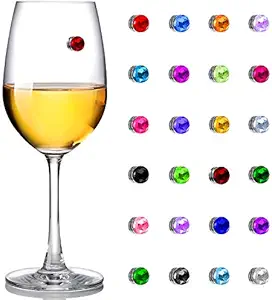
9. Wine Charms or Markers
Solving the “Which Glass is Mine?” DilemmaAt any gathering of more than four people, this question inevitably arises. Wine charms — small decorative markers that clip onto the stem of a glass — are the classic solution. They’re fun, reusable, and add a touch of personality. For a more modern and minimalist approach, a set of metallic or colorful pens with non-toxic, washable ink allows guests to write their names or draw a little doodle directly on the base of their glass. It’s a small detail that makes a big difference in the flow of a party.

10. “Wine Away” Red Wine Stain Remover
The Ultimate Hosting Insurance PolicyAccidents happen. A guest gets animated while telling a story, a hand gestures, and suddenly there’s a splash of Cabernet on your beautiful cream-colored rug. Panic? Not if you’re prepared. “Wine Away” is a legendary product for a reason: it works miracles. Having a bottle of this on hand provides incredible peace of mind. It allows you to instantly treat a spill, often removing it completely, and lets you and your guest get back to enjoying the party without worry. It’s the one accessory you hope you never have to use, but you’ll be incredibly glad you have it when you do.
The Science Behind the Accessories: Why These Tools Actually Work
The most confident wine hosts aren’t just following rules — they understand the principles behind those rules. When you grasp why a decanter works, why glassware shape matters, and why temperature is so critical, you become capable of making informed decisions in novel situations. You stop guessing and start knowing. This section offers a practical overview of the wine science that underpins every accessory recommendation in this guide.
🔬 Why Aeration Works
Young red wines contain high concentrations of tannins — polyphenol compounds that bind with proteins and create a drying, astringent sensation on the palate. When exposed to oxygen through aeration or decanting, tannins undergo a polymerization process: they bind together into larger molecules that the palate perceives as softer and smoother. Simultaneously, oxygen causes volatile sulfur compounds (which create “closed” or reductive aromas) to dissipate, revealing the wine’s true fruity and complex character.
🔬 Why Glass Shape Matters
The tapering of a wine glass bowl toward the rim is not arbitrary — it is aerodynamic design for aromas. The bowl’s wide surface area allows aromatic molecules to volatilize (become airborne), while the narrowing rim concentrates those molecules into the area immediately above the glass opening. This creates a denser cloud of aromas that your nose encounters when you bring the glass close. The result is a more complex, layered aromatic experience from an identical wine poured into different glass shapes.
🔬 Why Temperature Is Critical
Temperature directly controls the volatility of aromatic compounds — essentially, how readily they become airborne and reach your nose. At too-warm temperatures, the volatile alcohol molecules dominate, overwhelming subtler fruit and earth aromas. At too-cold temperatures, volatile aromatic compounds are suppressed and remain in solution, making the wine smell “dumb” or muted. The ideal serving range is the sweet spot where aromatic complexity is maximized and alcohol perception is balanced.
🔬 Why Old Wine Needs Gentle Handling
Over many years of bottle aging, tannins and pigments polymerize and eventually fall out of solution as sediment. Simultaneously, the wine undergoes reductive aging in the low-oxygen environment of the bottle, developing complex tertiary aromas (leather, tobacco, mushroom, dried fruit). When you open an old wine, excessive oxygen exposure can cause these delicate, hard-won tertiary compounds to quickly dissipate — “blowing off” the very aromas you waited years for. This is why old wines require gentle, brief decanting rather than aggressive aeration.
The Beginner’s Path: Building Your Toolkit Step by Step
If you’re new to wine or to hosting with wine, the breadth of available accessories can feel overwhelming. The natural impulse is to either buy everything at once (expensive and often wasteful) or buy nothing and feel unprepared. The smarter approach is a phased build — acquiring tools in order of their impact and necessity, letting each addition meaningfully improve your experience before moving to the next.
The following progression is designed to feel natural and rewarding rather than like a checklist. At each stage, you’ll genuinely feel the improvement in your wine service, which will motivate you to continue building your knowledge and toolkit. Trust the process — within three to four stages, you’ll be hosting with the quiet confidence of someone who truly knows what they’re doing.
Waiter’s friend corkscrew + vacuum wine preserver. Master these two tools. Open bottles confidently. Stop wasting half-drunk wine.
Invest in 4–6 quality universal glasses + a foil cutter. You will immediately notice the difference in aroma and taste. Learn to hand-wash and store them correctly.
Add a rapid chiller sleeve and begin managing serving temperatures. This unlocks a dramatically better white wine and sparkling experience. Add wine charms for first group gatherings.
Acquire a quality decanter. Begin decanting young reds. Taste the difference before and after. This is the moment most wine enthusiasts describe as truly “getting it.”
Cheese board, electric opener, specialized glasses, outdoor kit — add based on your actual hosting life and specific wine passions. You now have the foundation to build intentionally.
The Single Most Important Beginner Habit
Before every bottle you open, pause for ten seconds and ask: “Is this wine at the right temperature?” Pull out your chiller sleeve if a white is too warm. Set a red in the fridge for 15 minutes if it’s been sitting in a warm room. This single habit — practiced consistently — will improve your wine experience more than any accessory purchase you ever make.
Home Wine Storage: The Invisible Accessory That Matters Most
All the finest wine accessories in the world cannot compensate for wine that has been stored improperly before opening. Light, heat, vibration, and incorrect humidity can damage wine in ways that no decanter or aerator can fix. Understanding the basics of home wine storage is the invisible foundation beneath every other element of hosting — it ensures that when you finally open a bottle for your guests, it is in the best possible condition.
You don’t need a dedicated wine cellar or a temperature-controlled cabinet to store wine well. Understanding the key environmental factors and making simple adjustments to where and how you store bottles can dramatically extend their freshness and preserve the investment you make in every bottle you buy.
🌡️ Temperature
The single most critical factor. Ideal storage temperature is 10–15°C (50–59°F) — consistently. Fluctuating temperature is more damaging than a consistently slightly warm temperature. Avoid storing wine above a refrigerator, near an oven, or in any location subject to seasonal temperature swings.
💧 Humidity
Aim for 60–70% relative humidity. Too dry, and corks shrink and allow oxygen in. Too humid, and mold grows on labels and corks. Most homes in temperate climates maintain adequate humidity naturally, but a basement or dedicated storage space may benefit from a small humidifier.
🌑 Light
Ultraviolet light degrades wine at an accelerating rate — this is why most wine bottles are made of dark glass. Store wine away from windows, direct fluorescent light, and any strong light source. Even indirect sunlight exposure over months can cause “light strike,” a condition that creates unpleasant, flat aromas.
📐 Position
Store bottles with natural corks horizontally. This keeps the cork moist and expanded, maintaining a proper seal against oxygen. Bottles with screw caps or synthetic corks can be stored upright without concern. Sparkling wine should ideally be stored horizontally as well, though the pressure inside helps maintain the cork seal even when upright.
🔇 Vibration
Vibration disturbs the sediment in wine and can disrupt the slow chemical processes of aging. Don’t store wine on top of appliances or in areas with heavy foot traffic. This is particularly important for older wines with natural sediment that has settled over years — vibration redistributes it and clouds the wine.
🏠 Practical Solutions
A lower kitchen cabinet away from the oven, a basement shelf, a purpose-built wine rack in a cool corner, or a small countertop wine fridge are all valid storage solutions depending on your available space and budget. The wine fridge is the gold standard for anyone serious about maintaining optimal conditions without a dedicated cellar.
The Host’s Pairing Intelligence: A Practical Wine & Food Accessory Guide
The cheese board is the most obvious expression of food and wine pairing in a hosting context, but the principle extends far beyond it. A host who understands the fundamentals of why certain wines complement certain foods can create a holistic experience where the food and wine amplify each other rather than simply coexisting on the same table. The right accessories — from specific glasses to serving vessels — support this pairing intelligence.
The guiding principle of wine and food pairing is contrast or complement: either match the weight and intensity of the food with a wine of similar body, or create an interesting contrast (like a crisp, acidic Champagne cutting through the richness of a creamy brie). Understanding a few core principles allows you to improvise confidently and make inspired decisions that delight your guests rather than relying rigidly on a chart.
← Scroll to see full table →
| Food Category | Best Wine Match | Why It Works | Recommended Glass |
|---|---|---|---|
| Rich, Fatty Meats (ribeye, lamb chops, duck) |
Bold Cabernet Sauvignon, Syrah, Barolo | High tannins bind with meat proteins, reducing their harsh perception on the palate. Fat softens the tannins further, creating a seamless balance. | Large-bowled red wine glass |
| Light Fish & Seafood (oysters, sole, shrimp) |
Crisp Sauvignon Blanc, Chablis, dry Rosé | High acidity in the wine mirrors the natural brightness of seafood and cuts through any brininess, creating a clean, refreshing contrast. | Narrow white wine glass |
| Rich Fish & Seafood (salmon, lobster, scallops) |
Oaked Chardonnay, White Burgundy, Viognier | The butter and oak notes of the wine echo the richness of the fish, creating a complementary pairing where both appear more luxurious together. | Medium white wine glass |
| Spicy Food (Thai, Indian, Szechuan) |
Off-dry Riesling, Gewürztraminer, Viognier | A touch of residual sweetness in the wine dials down the perception of heat. Aromatic wines with floral notes complement the complexity of spice-driven cuisines. | Narrow aromatic white glass |
| Hard Aged Cheese (Parmigiano, aged Cheddar, Manchego) |
Full Cabernet, Brunello, aged Rioja | The salt and umami of aged cheese softens the perception of tannins in the wine, making bold reds taste rounder and more generous. | Large-bowled red wine glass |
| Soft, Creamy Cheese (Brie, Camembert, triple cream) |
Champagne, Crémant, light Chardonnay | The high acidity and effervescence of sparkling wines cut through the fat and richness of soft cheese, refreshing the palate between bites. | Flute or tulip Champagne glass |
| Dark Chocolate & Desserts (flourless cake, mousse, truffles) |
Port, Banyuls, late-harvest Zinfandel | The wine must be at least as sweet as the dessert, or the wine will taste bitter in contrast. Fortified or dessert wines with matching sweetness levels complement rather than clash. | Small dessert wine glass |
The One Universal Pairing Principle Every Host Should Know
When in doubt about a pairing, reach for a wine with high natural acidity. Acidity is to wine what lemon juice is to food — it cuts through fat, highlights flavors, and refreshes the palate. Wines like Champagne, Sauvignon Blanc, Pinot Noir, and Barbera are notoriously food-friendly precisely because of their vibrant acidity. A host who keeps a reliably high-acid wine in their collection always has a safe pairing choice for almost any food situation.
Frequently Asked Questions: Wine Accessories Answered
Over the years of helping hosts build their wine service toolkit, the same questions arise again and again. We’ve compiled the most common — and most practically useful — questions and answered them honestly, without oversimplification or unnecessary complexity.
For most hosts, a high-quality universal glass that performs well for both red and white wines is the practical starting point. Dedicated varietal-specific glasses (Burgundy glasses, Bordeaux glasses, Riesling glasses, etc.) offer genuine sensory improvements, but the difference is more nuanced than the marketing would suggest. Where the distinction genuinely matters is between red and white wine glasses more broadly — red wine glasses have a larger bowl to allow aeration, while white wine glasses are narrower to preserve temperature and concentrate delicate aromatics. If you host frequently, having both a set of generous-bowl red glasses and narrower white glasses is a worthwhile eventual investment, but start with a great universal glass and let your palate guide you from there.
Without any preservation: light whites and rosés, 1–3 days refrigerated. Full-bodied whites, 3–5 days refrigerated. Light reds, 2–3 days with a cork, stored upright in a cool place. Full-bodied reds with high tannins, 3–6 days — tannins act as natural preservatives. Sparkling wine without a proper stopper, less than 24 hours before losing most bubbles. With a vacuum pump preserver: add 2–4 days to all of the above. With an inert gas system (like Coravin or a Champagne-specific preserver): significantly longer — potentially weeks for standard wines. The single best thing you can do for an open bottle is remove as much oxygen as possible and store it properly. Always refrigerate open wine, even reds — you can bring them back to serving temperature quickly, but you can’t reverse oxidation.
Both serve their purpose brilliantly, and most accomplished hosts own both. The waiter’s friend wins on reliability (no battery required), compactness, and the tactile pleasure of a skilled manual opening that subtly signals expertise. The electric opener wins on ease (especially for those with limited hand strength), speed (ideal for large parties), and theatrical appeal — guests love watching a cork rise out of a bottle with a soft whir. If you’re building your kit and must choose one, start with a quality waiter’s friend and develop the skill. Add an electric opener later as a complement rather than a replacement. If a family member has hand strength limitations, the electric opener may be the right primary choice.
Four methods, from fastest to slowest: (1) A gel-filled chiller sleeve stored in your freezer — fastest at 15–20 minutes for most bottles. (2) An ice and water bath in a bucket — the water is critical, as air pockets in pure ice create insulation; a proper ice bath chills a bottle in 20–25 minutes. (3) Wrap the bottle in a wet paper towel and place in the freezer — 20–25 minutes, and don’t forget it. (4) Simply placing the bottle in the refrigerator — this takes 90 minutes to 2 hours. A common myth is that spinning the bottle in an ice bath speeds up chilling; it marginally helps but the real key is maximum surface contact between the bottle and cold water.
Decanting is harmful when applied to wines that are too old and fragile to withstand extended oxygen exposure. Very old wines — generally 20 or more years — have reached a point of development where their aromatic complexity is at its peak but also at its most delicate. Aggressive decanting can cause these wines to rapidly deteriorate, losing the tertiary aromas (dried fruit, leather, tobacco, mushroom) that are the entire point of aging. For very old wines, the recommended approach is to decant briefly (30 minutes maximum) or to simply pour directly into glasses and allow the wine to open naturally over the course of the meal. When in doubt, pour a small taste before decanting — if the wine already smells wonderful and complex, skip the decanter entirely.
Not at all, when done with transparency and grace. If a guest brings a bottle that you plan to serve that evening, simply tell them: “What a beautiful bottle — I’d love to let it breathe a bit in the decanter, it’ll be fantastic.” This frames decanting as an act of respect for the wine they brought, not a judgment of it. Most guests who bring wine as a gift are delighted to see it treated with such care. The key is communication and inclusion — invite them to watch the decanting process, explain what you’re hoping it will achieve, and ask their preference if they seem uncertain. Handling it this way transforms a potential awkward moment into an engaging, wine-centered conversation.
Curating Your Signature Hosting Kit: A Personalized Approach
The final stage of hosting mastery moves beyond a generic checklist to creating a toolkit that reflects your unique style, home, and the types of gatherings you love to host. A young professional hosting urban cocktail parties has different needs than a family hosting rustic backyard barbecues. Your accessories should be an extension of your personality and practical reality.
This personalized approach involves auditing your actual hosting habits. Do you mostly host intimate dinners for four or large holiday parties for twenty? Is your style modern minimalism or cozy traditional? Answering these questions helps you prioritize investments. You might splurge on a stunning, sculptural decanter if you love big reds and dinner parties, but prioritize a high-capacity rapid chiller if your thing is summer garden parties with crisp whites.
Build-Your-Own-Kit Guide: Match Accessories to Your Primary Wine Style
The Big Red Wine Host Your focus is on bold Cabernets, Syrah, and Malbecs. Your kit should prioritize large-bowled red wine glasses, a wide-based decanter for aeration, and a heavy-duty lever-style corkscrew to handle long, tight corks common in age-worthy bottles.
The Sparkling & White Wine Enthusiast You live for Champagne, Prosecco, and vibrant Sauvignon Blancs. Your essentials are flute or tulip glasses, a high-quality rapid chiller or wine fridge, and a Champagne stopper to preserve precious bubbles. An ice bucket liner is also a smart buy.
The Adventurous Tasting Host You love exploring different regions and varietals. Your toolkit needs universal glasses that perform well across styles, a set of blind tasting bags, a detailed aroma wheel, and a reliable preservation system to enjoy bottles over several days as they evolve.
Myth Buster: “You Need Every Gadget to Be a Good Host”
This is perhaps the most damaging misconception for aspiring hosts. Quality trumps quantity every time. A single, perfectly balanced universal glass is far more valuable than a cheap set of eight “specialized” glasses that are poorly made. A host who confidently uses a simple, elegant waiter’s friend appears more knowledgeable than one fumbling with a complicated, multi-function gadget they don’t understand. Start with the core essentials, master them, then add pieces that truly enhance your specific hosting life.
Your Final Pre-Party Hosting Audit Checklist
Run through this list 1 hour before guests arrive to ensure seamless execution:
- Glasses: Polished, lint-free, and at room temperature (not straight from a hot dishwasher).
- Corkscrew & Tools: Clean, dry, and placed in an accessible “station” (a drawer or tray).
- Chilling: Whites/Sparklings are in the fridge or chiller. Reds are resting at target serving temp.
- Decanter: Clean, dry, and on the serving table if needed for your wines this evening.
- Backups: Extra stoppers, a roll of paper towels (hidden), and the stain remover are within reach.
- Water & Palate Cleansers: Still and sparkling water, plus neutral crackers or bread, are set out.
- Chilling Sleeve: Is it in the freezer and ready for an emergency warm-bottle situation?
- The “Oh No” Kit: Your stain remover, a spare corkscrew, and a bottle of reliable crowd-pleaser wine are ready.
- Serving Temperature Check: Have you verified that each wine is close to its ideal serving temperature?
- Food Pairings: Is your cheese board assembled, chilled, and visually appealing at least 30 minutes before guests arrive?
Conclusion: The Art of Generosity
Being a polished host isn’t about owning every gadget. It’s about thoughtfulness. It’s about anticipating the needs of your guests and the needs of the wine itself. This toolkit — from the essential corkscrew to the emergency stain remover — is designed to give you the confidence to handle any situation with grace. By taking care of the details, you free yourself up to focus on what truly matters: connecting with the people you’ve welcomed into your home. And that, more than any vintage, is the true spirit of sharing wine.
The journey from a nervous novice to a confident host is marked not by the accumulation of things, but by the accumulation of small, thoughtful practices. It’s in knowing how to care for your tools so they’re always ready. It’s in choosing accessories that match the story you want your gathering to tell. It’s in building a personalized kit that serves your real life, not an idealized one. It’s in understanding the temperature of the wine in the glass, the reason the decanter has a wide base, and the science behind why a properly shaped glass transforms your experience. When you move beyond the basic checklist to this level of intentionality, you’re not just serving wine — you’re crafting an experience, one thoughtful detail at a time. That is the ultimate signature of a truly polished host.