Top Rated Wine Preserver: Stop Pouring Good Wine Down the Drain
From high-tech argon gas systems to simple vacuum pumps, we tested the best tools to keep your vintage alive for days, weeks, or even years.
Introduction: The Battle Against Oxygen
There is nothing more tragic in the world of wine than opening a beautiful bottle, enjoying a glass, and waking up two days later to find the rest has turned to vinegar. Whether it was one of the best affordable wines of 2025 or a treasured Grand Cru, the enemy is always the same: oxidation.
Once you pull the cork with your top rated wine opener, the clock starts ticking. Oxygen interacts with the alcohol and fruit compounds, initially “opening up” the flavors (which is why we use wine decanters). However, too much exposure flattens the taste, kills the aroma, and eventually spoils the liquid.
Finding the top rated wine preserver for your needs depends on your drinking habits. Do you just need the bottle to last until the weekend? Or do you want to drink a single glass from a vintage bottle and save the rest for next year? In this guide, we break down every preservation system on the market and fill in every gap most reviews leave out.
At a Glance: Which System Fits Your Lifestyle?
| System Type | Best For | Preservation Time | Price Range | Cost Per Use |
|---|---|---|---|---|
| Coravin (Needle) | Collectors & High-End Bottles | Months to Years | $$$ | ~$0.30 |
| Vacuum Pump (Vacu Vin) | Casual Drinkers | 3–5 Days | $ | ~$0.02 |
| Inert Gas Spray | Occasional Use | 1–2 Weeks | $ | ~$0.05 |
| Oxygen Absorber (Repour) | One-Time Use Efficiency | 2–3 Weeks | $$ | ~$1.00 |
| Champagne Stopper | Sparkling Wine Only | 3–5 Days | $ | ~$0.01 |
1. The Coravin Timeless Three +
The Coravin is not just a stopper — it is a time machine for wine. Unlike other systems that limit damage after the cork is pulled, Coravin allows you to access the wine without ever removing the cork.
How it works: A medical-grade hollow needle penetrates the cork. As wine is poured out, argon gas (inert — does not react with wine) is injected to fill the empty space. When the needle is removed, the natural cork contracts and reseals. For a detailed comparison, read our Coravin vs Vacu Vin deep dive.
Performance: We tested this on a fragile Pinot Noir. After accessing a glass and leaving the bottle for three months, the remaining wine was indistinguishable from a freshly opened bottle. An essential tool for anyone building a serious collection or stocking wine cellar essentials.
✅ Pros
- Preserves wine for months or years.
- Taste expensive bottles without committing to the whole thing.
- Argon gas is completely inert — zero flavor impact.
- Pivot model now handles screw caps too.
❌ Cons
- High initial cost ($100–$300+ depending on model).
- Ongoing capsule expense (~$0.30 per use).
- Only works with natural corks (standard Timeless).

2. Vacu Vin Wine Saver Pump
If the Coravin is the Ferrari of wine preservers, the Vacu Vin is the trusty Honda Civic. Affordable, reliable, and does exactly what it promises for the everyday drinker.
How it works: Rubber stoppers and a hand pump. Place the stopper in the bottle and pump until you hear a “click” — indicating the majority of air has been removed, creating a vacuum seal that slows oxidation significantly.
Performance: Perfect for the “Tuesday night bottle” you want to finish on Thursday. Keeps wines fresh for 3–5 days. Note: the vacuum can sometimes mute delicate aromatics in highly floral wines like those in our wine varietals guide.
✅ Pros
- Very inexpensive upfront — under $15.
- “Click” indicator prevents over-pumping.
- Stoppers are reusable and dishwasher-safe.
- Works on any standard bottle opening.
❌ Cons
- Only preserves for a few days — not suitable for aged wines.
- Vacuum can mute volatile aromatics in delicate wines.
- Does not work on sparkling wine — will flatten it immediately.

3. Private Preserve Wine Preservation Spray
Used by top wineries in tasting rooms worldwide, this is “Coravin light.” It uses a blend of inert gases (argon, CO2, and nitrogen) to create a protective blanket over the wine surface.
How it works: Attach the straw to the canister, insert into the open bottle, and spray for one second. These gases are heavier than oxygen — they settle on the wine’s surface, creating a barrier that prevents oxidation. Then recork with a standard cork or one of the best wine stoppers.
Performance: Excellent for organic and natural wines prone to spoiling quickly. Keeps wine fresh for up to two weeks if the bottle remains still and refrigerated.
✅ Pros
- Effective for 1–2 weeks.
- Does not strip aromas like vacuum pumps.
- Extremely cheap per use — one can covers ~120 bottles.
- No equipment to store or wash.
❌ Cons
- Can feels almost empty when new (gas is weightless).
- No visual confirmation the gas blanket is in place.
- Less effective if bottle is shaken or laid horizontal after treatment.

4. Repour Wine Saver: The Active Oxygen Absorber
Repour is one of the most genuinely innovative wine preservation products of the past decade — and the least understood. Unlike every other system on this list, Repour does not try to create a barrier or displace oxygen. Instead, it actively and chemically consumes the oxygen already inside the bottle.
How it works: Each Repour stopper contains an iron oxide-based compound inside a breathable membrane. This compound reacts with oxygen molecules through a controlled oxidation process — the same chemistry used in hand warmers and food packaging oxygen scavengers, adapted for food-grade wine use. As oxygen molecules encounter the stopper, they are bound into the iron compound and removed from the bottle’s atmosphere permanently. The result is a bottle environment with near-zero oxygen within hours of sealing.
Performance: We tested Repour on a half-bottle of unoaked Chardonnay. After 10 days in the refrigerator, the wine retained its fresh citrus and apple aromas with no discernible oxidation. A parallel half-bottle with only a cork replacement showed clear vinegary, flat character by day 5. Repour outperformed the vacuum pump significantly in both aroma retention and color preservation.
The catch: Each Repour stopper is single-use per bottle opening — once removed and reinserted (or left in a bottle with frequent pours), its oxygen-absorbing capacity depletes. The cost is approximately $1 per stopper in multipacks, making it more expensive per use than gas spray but cheaper than Coravin capsules.
✅ Pros
- Actively removes oxygen rather than just displacing it.
- No pumping, no gas cans, no equipment — just insert and leave.
- Outstanding aroma preservation — better than vacuum pumps.
- Works on any standard bottle opening.
- Preserves 2–3 weeks in ideal conditions.
❌ Cons
- Single-use per bottle — recurring cost.
- More expensive per use than gas spray or vacuum pump.
- Not reusable — environmental consideration for frequent drinkers.

The Science of Wine Oxidation: Why Wine Goes Bad
Understanding oxidation chemistry transforms wine preservation from guesswork into precision. Once you know exactly what happens to wine when it meets oxygen, you understand why each preservation technology works — and why some work far better than others for specific wine types.
🔬 Oxidation: The Core Chemistry
Wine oxidation occurs through two primary pathways: enzymatic oxidation (driven by naturally occurring enzymes, primarily polyphenol oxidase) and non-enzymatic oxidation (driven by dissolved oxygen reacting with phenolic compounds). Both produce acetaldehyde — a compound that smells of bruised apple, nail polish, and sherry — as one of their primary byproducts. At low concentrations, acetaldehyde contributes complexity; at high concentrations, it is the unmistakable signature of a ruined wine.
What Oxygen Does to Specific Wine Components
Fruit compounds (esters and terpenes): These are the first casualties of oxidation. The vivid strawberry in a young Pinot Noir, the grapefruit in a Sauvignon Blanc, the peach in a Riesling — these are volatile ester compounds that react with oxygen rapidly. Once oxidized, they convert to less volatile, less aromatic compounds. The wine’s fruit character fades from bright and primary to flat and secondary within days of opening.
Tannins: Tannin oxidation is more complex and not entirely negative. In the context of a decanter, short-term tannin oxidation softens harsh astringency — this is beneficial. But in a stored, opened bottle over days, continued tannin oxidation produces further polymerization and eventually precipitation, giving older opened wines a gritty, dried-out mouthfeel. Red wines with higher tannin levels (Cabernet Sauvignon, Barolo) are more resistant to rapid oxidative degradation than low-tannin wines (Pinot Noir).
Color compounds (anthocyanins): In red wines, oxygen causes anthocyanin molecules to oxidize and polymerize, shifting the wine’s color from vibrant ruby or purple toward brick, orange-brown, and ultimately tawny brown. Color change is one of the earliest and most visible signs of oxidative damage — a red wine with distinctly brown edges in the glass is almost certainly past its peak.
Sulfur dioxide (SO2): Winemakers add sulfur dioxide as an antioxidant preservative. When wine is exposed to oxygen after opening, the dissolved SO2 reacts with the oxygen first — acting as a sacrificial antioxidant that delays the oxidation of more important aromatic compounds. Wines with higher SO2 levels (conventional wines) resist oxidation longer than low-SO2 wines (natural wines). This explains why natural and organic wines typically spoil faster after opening and benefit most from immediate preservation.
Why Some Wines Oxidize Faster Than Others
The oxidation rate of any opened wine is determined by several factors: the wine’s natural sulfur dioxide content; its alcohol level (higher alcohol = slightly slower oxidation); its phenolic content (more tannin = more sacrificial antioxidants); and its original dissolved oxygen level at bottling. This means a delicate, low-SO2 natural Gamay will degrade in 24–48 hours without preservation, while a structured, high-tannin Cabernet Sauvignon from a conventional producer may last 5–7 days without any preservation tool at all.
How Long Does Opened Wine Last? Complete Guide by Wine Type
These timelines assume the wine is re-corked or stopped immediately after opening, stored upright, and refrigerated (even reds). Without refrigeration, subtract 1–2 days from every category. These are average ranges — individual bottles will vary based on SO2 content, tannin level, age, and how full the bottle was when opened.
💡 The Half-Bottle Advantage
The single most effective free preservation technique is also the least used: when you know you won’t finish a bottle, pour the remaining wine into a clean 375ml (half-bottle) container immediately after pouring your last glass. A smaller vessel means dramatically less headspace — the air gap between wine and stopper — and therefore far less oxygen exposure. A half-bottle with a tight stopper and minimal headspace often outperforms a full-size bottle with a vacuum pump.
Sparkling Wine and Champagne Preservation: The Special Case
Sparkling wine presents a unique preservation challenge that none of the standard systems address — the loss of CO2 carbonation. A vacuum pump actively accelerates CO2 loss by creating low pressure that encourages dissolved gas to escape from solution. An inert gas spray adds non-CO2 gas on top of the remaining carbonation without addressing CO2 retention. Even a Coravin cannot be used on sparkling wine safely — the internal pressure (90 psi) makes needle insertion dangerous.
The Champagne Stopper: The Only Real Solution
A proper Champagne stopper has two metal wings that hook under the bottle’s lip, creating a mechanical seal that holds pressure inside the bottle. The internal rubber gasket compresses against the bottle opening to prevent CO2 escape. A quality Champagne stopper will preserve carbonation for 3–5 days in the refrigerator — significantly longer than simply re-inserting the cork (which re-seals poorly on already-opened bottles and creates almost no pressure retention).
🥂 Lever-Arm Champagne Stopper
Metal wings with a lever mechanism. Creates a tight mechanical seal. Best for standard Champagne and Prosecco bottles. The gold standard for sparkling wine preservation. Reusable for years.
🥂 Pressurized Champagne Stopper
Uses a pump mechanism to maintain above-atmospheric pressure inside the bottle. Premium option that actively replaces lost pressure. More expensive but extends carbonation noticeably longer than lever-arm models.
🍾 Rubber Expansion Stopper
A tapered rubber plug that expands when twisted to create a seal. The budget option. Adequate for 1–2 day preservation but provides less pressure retention than lever-arm designs. Commonly included in wine accessory kits.
❌ Vacuum Pump (Don’t Use)
Creates low pressure that accelerates CO2 escape. Never use a vacuum pump on sparkling wine. This is the single most common sparkling wine preservation mistake.
⚠️ The Silver Spoon Myth — Definitively Busted
The “silver spoon in the neck” trick for Champagne preservation is one of the most persistent myths in wine service. Multiple controlled scientific studies have conclusively demonstrated that a silver spoon placed in the bottle neck has zero effect on CO2 retention. The myth likely persists because a chilled bottle with a spoon looks intentional and deliberate — but the preservation is achieved by refrigeration alone, not the spoon. The only way to preserve carbonation is a proper seal that maintains or replicates the bottle’s internal pressure.
Coravin Models Compared: Which One Should You Buy?
Coravin now offers several product lines at different price points and for different use cases. Choosing the right model prevents paying for capabilities you don’t need — or buying a model that won’t work for your wine collection.
💎 Timeless Three +
The flagship model. All-metal construction, fastest pour rate, compatible with all needle types. Best for frequent users and serious collectors. ~$150–$180. Includes one argon capsule and one needle.
🥈 Timeless Two
Same core technology as the Three+, slightly slower pour rate. Excellent mid-range option for regular home use. ~$100–$130. The best value in the Timeless line for most enthusiasts.
🔄 Pivot
Coravin’s screw-cap system. No needle — uses a patented stopper that attaches to the screw cap and allows argon injection without removal. ~$80–$110. Essential if your collection is primarily screw-cap bottles.
⚡ Sparkling
Specifically designed for Champagne and sparkling wine. Uses CO2 cartridges instead of argon to maintain pressure after pouring without destroying carbonation. ~$100. The only Coravin that works safely on sparkling wine.
Coravin Capsule Cost: The True Running Cost
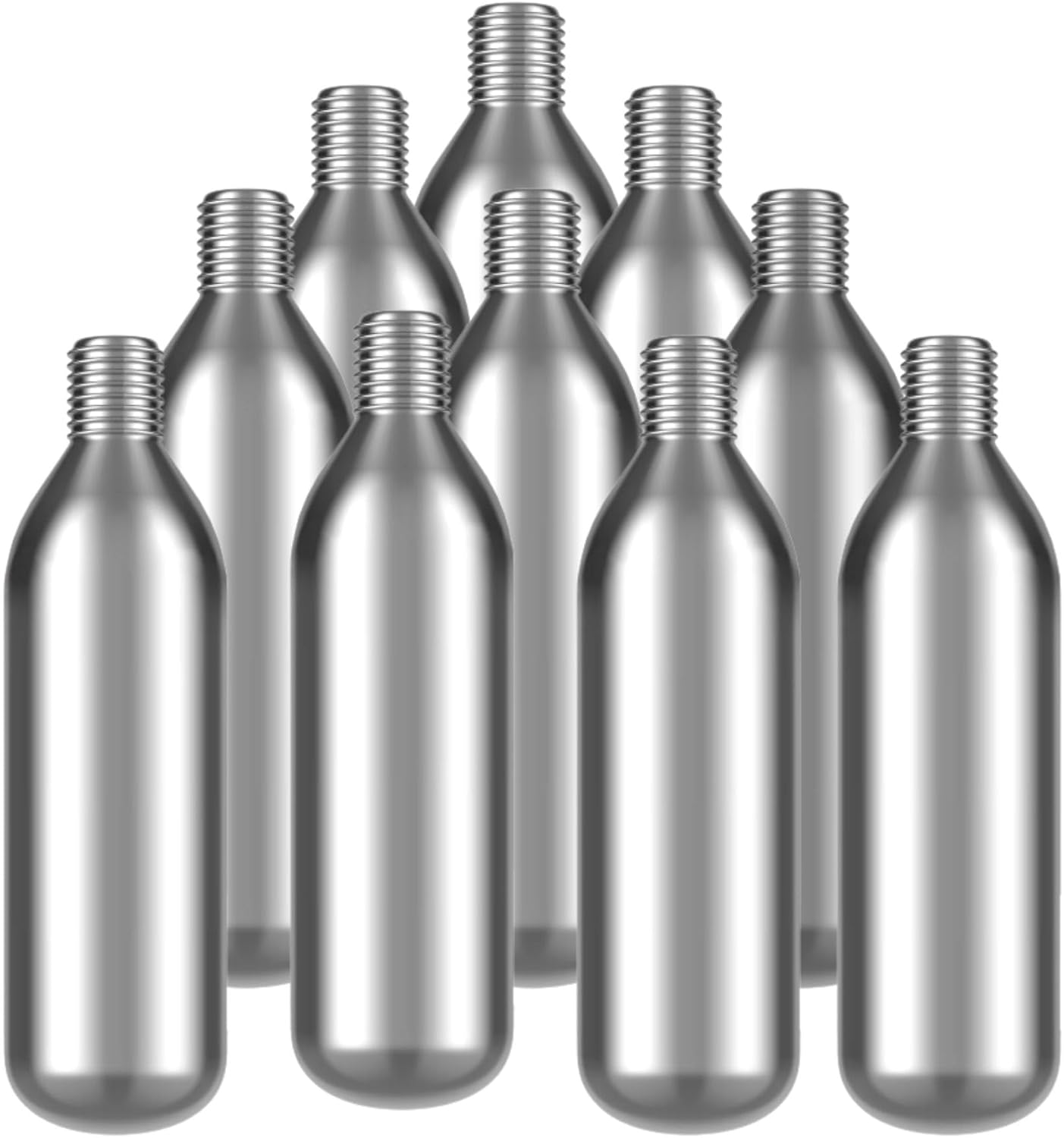
The ongoing cost of Coravin is the argon capsule. Each standard capsule provides approximately 15 pours of 5oz (150ml), making each pour’s argon cost approximately $0.30–$0.50. A pack of three capsules retails for approximately $15–$20. For a collector pouring 3–4 glasses per week from the system, annual capsule spend is approximately $80–$150 — a fraction of what a single ruined expensive bottle would cost.
Coravin also offers a “capsule plan” subscription that reduces per-capsule cost for frequent users. For anyone using the system more than once per week, the subscription delivers meaningful savings over retail capsule pricing.
Refrigeration as a Preservation Tool: The Free Upgrade Most People Don’t Use
Before spending anything on preservation technology, the single highest-impact, zero-cost upgrade for opened wine is: refrigerate it immediately, even if it’s red. This simple habit alone extends the life of opened wine by 1–2 days compared to leaving it at room temperature, and it costs absolutely nothing.
The Chemistry of Cold Preservation
Refrigeration preserves opened wine through straightforward thermodynamics: all chemical reactions — including oxidation — slow dramatically as temperature decreases. The rate of most chemical reactions roughly halves for every 10°C (18°F) reduction in temperature. A bottle at room temperature (20°C) is undergoing oxidation reactions at approximately twice the rate of the same bottle at 4°C in a refrigerator. That difference is the extra day or two of drinking quality.
Refrigeration also affects the behavior of dissolved CO2 in sparkling wines and highly aromatic volatile compounds in whites: colder temperatures keep these compounds in solution more effectively, meaning the wine retains both its effervescence and aromatic character longer in the fridge than at room temperature.
Refrigerating Red Wine: Getting Over the Psychological Hurdle
Many wine drinkers resist refrigerating opened red wine because they associate red wine with room temperature service. The distinction to make is between storage and service: you refrigerate opened red wine for storage, then remove it 20–30 minutes before the next serving to allow it to return to ideal serving temperature. The brief warming period costs nothing and eliminates the flavor difference between “fridge-cold red” and “properly served red.”
💡 The Fridge Door Rule
Store opened wine in the body of the refrigerator, not the door. Fridge doors experience the most temperature fluctuation — every time the door opens, the door compartments briefly warm. Temperature stability is a key factor in preservation; the fridge’s main body is consistently 2–4°F colder and more stable than the door shelves. Store opened bottles lying flat if your fridge space allows — horizontal storage reduces the surface area of wine exposed to the headspace air inside the bottle.
The Inert Gas Chemistry: Argon vs Nitrogen vs CO2
Inert gas preservation products — from Coravin capsules to Private Preserve spray — rely on gases that are heavier than oxygen and chemically unreactive with wine components. Understanding what each gas does, and why different systems use different gases, explains why some inert gas products outperform others in specific applications.
Argon (Ar)
Argon is the gold standard for wine preservation gas. It is completely inert (Nobel gas — no chemical reactivity whatsoever), has a density 38% greater than air (allowing it to settle effectively on the wine surface), and has no flavor, color, or odor. Coravin uses pure argon because it provides the most reliable, chemically stable blanket over the wine. Argon molecules are large enough that they do not diffuse through natural cork — critical for the Coravin system’s ability to preserve corked bottles for extended periods.
Nitrogen (N2)
Nitrogen is less dense than argon but still heavier than oxygen. It is nearly inert (technically a very weak oxidizer at high temperatures, but completely non-reactive at wine storage temperatures). Nitrogen is cheaper to produce than argon and is used in wine preservation sprays and some commercial preservation systems as a cost-effective alternative. In a still bottle with no agitation, a nitrogen blanket is highly effective. However, because nitrogen molecules are smaller and less dense than argon, the protective layer dissipates slightly faster.
Carbon Dioxide (CO2)
CO2 is naturally present in all wines at very low levels as a byproduct of fermentation. At concentrations used in preservation sprays, it creates a heavier-than-oxygen layer and has mild antimicrobial properties (inhibiting bacterial growth on the wine surface). CO2 also slightly enhances freshness and crispness in white wines by adding a tiny effervescent quality. Private Preserve’s three-gas blend uses CO2 specifically for this secondary benefit alongside the nitrogen and argon’s primary blanketing function. For sparkling wine, CO2 is the appropriate gas for the Coravin Sparkling system, since replacing lost CO2 with more CO2 maintains the wine’s character.
Wine Preservation Myths Debunked: 7 Things That Don’t Work
Myth 1: The Silver Spoon in the Champagne Bottle
Verdict: False. Multiple double-blind studies, including work published by French scientists, have confirmed that a spoon in the neck has zero measurable effect on CO2 retention. The Champagne may stay bubbly for a day because it was chilled, not because of the spoon. Use a lever-arm Champagne stopper.
Myth 2: Re-Inserting the Original Cork is Enough
Verdict: Partially true, mostly inadequate. Returning the original cork does reduce oxygen exposure compared to an open bottle. However, a cork that has been compressed and then released no longer creates a perfect seal — there are microscopic gaps that allow air exchange. It buys hours, not days. A rubber stopper with a vacuum pump always outperforms a re-inserted cork.
Myth 3: Vacuum Pumps Work on Sparkling Wine
Verdict: False and counterproductive. A vacuum pump creates low pressure that actively encourages dissolved CO2 to escape from solution — the opposite of what you want. A Champagne bottle left with a vacuum pump will be completely flat in minutes. Always use a pressurized stopper for sparkling wine.
Myth 4: Red Wine Should Never Be Refrigerated
Verdict: False. This myth conflates storage with service. Refrigerating opened red wine for storage, then warming it to serving temperature before drinking, is the correct approach. Red wine left at room temperature overnight loses 1–2 days of quality compared to the same wine refrigerated overnight.
Myth 5: Inert Gas Spray Tastes Like Gas
Verdict: False. Argon, nitrogen, and CO2 are all tasteless and odorless at the concentrations used in preservation sprays. If a preserved wine tastes “gassy,” the cause is the wine itself (dissolved CO2 from fermentation, or a minor reduction issue), not the preservation spray.
Myth 6: Older Wine Lasts Longer After Opening Because It’s Already Aged
Verdict: False — the opposite is usually true. Aged wines have already depleted most of their natural antioxidant compounds (SO2 has long since reacted; tannin has polymerized). They have far less chemical buffer against oxygen exposure after opening. A 25-year-old Burgundy may last only 30–60 minutes in the glass before declining, and only 24 hours in a sealed bottle. Aged wines demand the most aggressive preservation — ideally Coravin before ever removing the cork.
Myth 7: A Mostly Empty Bottle Preserves Better Because There’s More Vacuum Space
Verdict: False. The opposite is true. A nearly empty bottle has a large headspace volume of oxygen-rich air. The more wine remaining in the bottle, the less headspace, and therefore the less oxygen available to drive oxidation. A bottle that is 80% full will last longer than a bottle that is 20% full, all else being equal. This is why transferring leftovers to a smaller container (half-bottle) is so effective.
Signs That Opened Wine Has Gone Bad vs Just Evolved
Not every wine that tastes different from when you first opened it has gone bad. Some changes are natural evolution — the wine continuing to develop after exposure to air. Other changes indicate genuine spoilage that makes the wine unpleasant or undrinkable. Knowing the difference prevents both throwing away wine that is still good and persevering through wine that should be discarded.
Signs of Genuine Oxidative Spoilage
- Vinegary or nail-polish-remover smell: Acetic acid and ethyl acetate are the byproducts of bacterial oxidation. A wine that smells like vinegar has undergone bacterial spoilage, not just chemical oxidation. It is unpleasant to drink but safe — and perfectly useful for cooking.
- Flat, completely aroma-free nose: A wine with no discernible aroma has lost all its volatile aromatic compounds to oxidation. The wine is chemically stable but gastronomically dead. There is no recovery from this state.
- Brown coloration in a red wine: Ruby or purple reds that have oxidized shift toward brick, tawny, and eventually brown at the edges. Significant browning in a wine that was not already brick-red when opened indicates substantial oxidative damage.
- Harsh, metallic, sour taste: Over-oxidized wine develops a harsh, metallic, overly sour taste that is distinct from the bright acidity of a fresh wine. This is acetaldehyde and other oxidation byproducts dominating the palate.
Signs of Normal Evolution (Still Drinkable)
- Slightly muted primary fruit: The first glass from a newly opened bottle often has brighter, more vivid fruit than a glass poured two days later. Slight muting is normal and does not indicate spoilage — the wine may even show more complexity in secondary aromas.
- Softer tannins than day one: Continued aeration in the bottle softens tannins over the first day or two. A wine that was harsh on opening may be more approachable on day two. This is evolution, not decay.
- Slight reduction of aromatic intensity: A wine that smells less intensely than day one but still smells pleasant, clean, and characteristic of the grape is fine to drink. Intensity reduction ≠ spoilage.
💡 The Cooking Wine Option
Wine that has passed its peak for drinking — slightly vinegary, flat, or oxidized but not catastrophically spoiled — is often perfectly usable in cooking. The cooking process dissipates the volatile compounds that make oxidized wine unpleasant to drink, while the remaining acids, sugars, and flavor compounds contribute positively to sauces, braises, and marinades. Label a small jar “cooking wine” and pour your borderline bottles into it rather than discarding them.
The Complete Wine Stopper Guide: Not All Stoppers Are Equal
The humble wine stopper is the most underestimated item in any wine drinker’s toolkit. A good stopper creates a hermetic seal that, combined with refrigeration, provides excellent short-term preservation without any additional technology. A bad stopper creates the illusion of sealing while allowing significant air exchange.
🔴 Rubber/Silicone Expansion Stopper
Tapered rubber or silicone stopper that expands inside the bottle neck when twisted. Creates a tight, reliable seal. Dishwasher-safe. The best everyday stopper — infinitely reusable, $3–$8 for a set. Works on all standard bottle openings.
🥈 Stainless Steel Stopper
Elegant and durable with a silicone gasket seal. Beautiful on a bar counter. Provides a good seal but the seal quality depends entirely on the gasket condition — replace gaskets annually. Excellent gift item.
🪵 Original Cork (Re-inserted)
The worst stopper option. A natural cork that has been compressed once rarely re-seals perfectly. Wine-side end should face up (keeping the contaminated end away from the wine). Better than nothing — by a small margin.
🔧 Vacuum Pump Stopper
Rubber stopper with a valve designed for use with a vacuum pump. The rubber is thicker and more deformable than standard stoppers, allowing the pump to create a reliable seal. Not effective without the pump — the valve remains open at atmospheric pressure.
Commercial Wine Preservation: How Restaurants and Wine Bars Do It
Wine bars and restaurants face a preservation challenge that makes any home enthusiast’s situation look simple: they pour by the glass from dozens of bottles simultaneously, each at different stages of opening. Understanding the commercial preservation landscape helps home enthusiasts borrow professional techniques.
The Coravin System at Scale
Many premium wine bars now use dedicated Coravin systems for their entire by-the-glass list, allowing them to offer aged, rare, and expensive wines by the glass without committing to full bottle service. A $300 bottle can yield a $60 glass five times over weeks or months, dramatically improving the economics of premium by-the-glass programs. Some establishments have Coravin systems permanently mounted on their wine wall — an increasingly visible feature at upscale establishments.
Nitrogen Dispensing Systems
For high-volume casual fine dining, commercial nitrogen-dispensing systems (like the Cruvinet or similar table-service systems) maintain opened bottles under a constant nitrogen blanket connected to a pressurized nitrogen tank. These systems can maintain dozens of bottles simultaneously for weeks. They are impractical for home use (the nitrogen tanks require commercial refilling) but represent the same chemistry as Private Preserve spray at industrial scale.
The Enomatic: Self-Serve Wine Preservation Machines
Enomatic machines — automated wine dispensing units found in wine shops, hotel lobbies, and wine bars worldwide — maintain each individual bottle under inert gas at its ideal serving temperature, accessible via a card system for self-pour wine exploration. These units combine temperature control, inert gas preservation, and portion control in a single system, allowing establishments to offer dozens of premium wines without any spoilage risk. They represent the apex of commercial wine preservation engineering.
Buying Guide: How to Choose the Right Preserver
1. What Are You Drinking?
- Everyday table wine: Vacu Vin pump is all you need — it’s adequate for anything under $25 you’ll finish within the week.
- Vintage or expensive wine ($50+): Do not use a vacuum pump. Use Coravin (if corked) or inert gas spray. The pump’s vacuum can strip delicate aromas that make expensive wines worth drinking.
- Sparkling wine: Champagne lever-arm stopper only. No vacuum, no gas spray, no spoon.
- Natural and organic wines: These low-SO2 bottles degrade fastest. Repour or inert gas spray immediately after opening.
2. How Long Do You Need it to Last?
2 days: cork and refrigerate. 5 days: vacuum pump or gas spray. 2 weeks: Repour or heavy gas spray + refrigeration. 3 months to years: Coravin only.
3. Storage Conditions Matter Too
A preserver only stops oxygen. It does not stop heat or light damage. Once preserved, the wine should still go into a cool, dark place — ideally one of the best wine coolers or a dedicated cellar.
True Cost Per Use: Which System is the Most Economical?
💚 Vacuum Pump
~$0.02~$12 upfront, reusable indefinitely. Cheapest per use of any system. Stoppers last 3–5 years.
💚 Inert Gas Spray
~$0.05~$12 per can, covers ~120 bottles. Extremely affordable per use. Excellent value for occasional drinkers.
🟠 Repour
~$1.00~$8–12 per 4-pack. Single-use per bottle opening. Best performance-per-dollar for 2–3 week preservation.
🔴 Coravin
~$0.33$100–$250 upfront, then $0.30–$0.50 per pour from capsules. Premium cost justified by months-long preservation of expensive wine.
The Break-Even Calculation
A Coravin Timeless Three+ at $150 pays for itself after saving the equivalent of its cost in wine. If you regularly open $30 bottles and discard half of each (worth $15), the Coravin breaks even after 10 bottles — approximately 10 evenings of solo wine drinking. For collectors opening $100+ bottles, the break-even is 1–2 bottles. At any level above casual weeknight drinking, the Coravin’s economics become compelling quickly.
Wine Preservation Gift Sets: What Makes a Thoughtful Gift?
Wine preservation tools are outstanding gifts because they are immediately practical for anyone who drinks wine, visually elegant, and — unlike wine itself — do not expire. The best preservation gift sets pair multiple tools that work together across the full preservation workflow.
The Ideal Gift Set Components
- A vacuum pump + 2–3 extra stoppers — the core everyday tool for most households, priced under $20 and immediately useful.
- A Champagne lever-arm stopper — most households lack this and need it for every sparkling wine occasion.
- A can of Private Preserve — introduces the gift recipient to inert gas preservation and dramatically extends the vacuum pump’s effectiveness for longer preservation needs.
- A 4-pack of Repour stoppers — for the inevitable natural wine or delicate aromatic white that needs more protection than a vacuum pump provides.
A comprehensive gift set combining all four items costs approximately $35–$50 and provides the recipient with a complete, tiered preservation toolkit — vacuum for daily use, gas spray for medium-term, Repour for premium bottles, and a Champagne stopper for sparkling wine. This is significantly more useful than a single beautiful but single-purpose item.
For serious wine enthusiasts, a Coravin paired with a 3-pack of capsules and a set of replacement needles is the definitive premium gift — particularly meaningful for someone who regularly opens expensive single-bottle wines but struggles with the commitment of the full bottle.
Frequently Asked Questions
No — this is definitively a myth. Multiple controlled scientific studies have confirmed that a silver (or any metal) spoon in the bottle neck has zero measurable effect on CO2 retention. The only way to preserve Champagne’s carbonation is a pressurized lever-arm Champagne stopper that creates a mechanical seal capable of maintaining the bottle’s internal pressure.
A vacuum pump typically extends wine life by 2–3 days compared to no preservation — bringing most wines to a total of 3–5 days after opening. Light reds like Pinot Noir and aromatic whites like Sauvignon Blanc are at the shorter end; full-bodied reds like Cabernet Sauvignon can reach 5–6 days. Always refrigerate, even reds.
For collectors, solo drinkers who regularly open premium bottles, or anyone who pairs wines by the glass (a different wine with each course), yes — the Coravin pays for itself quickly by saving wine that would otherwise be poured away. The break-even point for a $150 unit is approximately 10 evenings of solo wine drinking at $30/bottle, or 1–2 bottles if you regularly open $100+ wines. For anyone who mainly drinks under $15 bottles in company and finishes them the same evening, a vacuum pump is the sensible choice.
Without preservation: light reds (Pinot Noir, Gamay) last 2–3 days refrigerated; full-bodied reds (Cabernet, Syrah) last 4–6 days. With a vacuum pump: add 2–3 days to each category. With inert gas spray: up to 2 weeks for most reds. With Coravin (without removing the cork): months to years. Always refrigerate, even red wine.
Yes — refrigeration slows oxidation dramatically by reducing the rate of chemical reactions. An opened red stored in the fridge lasts 1–2 days longer than the same bottle at room temperature. Take it out 20–30 minutes before the next serving to return it to ideal serving temperature. The brief warming period is worth the significant quality preservation refrigeration provides.
Yes. Vacuum pumps with rubber stoppers fit any standard bottle opening, screw-cap or cork. Inert gas spray works on any open bottle. Repour stoppers fit all standard necks. For Coravin specifically, the Pivot model is designed exclusively for screw-cap bottles — the standard Timeless models require natural cork and will not work on screw caps.
Vinegary or nail-polish smell (acetic acid); flat, aroma-free nose; brownish color in a red that was previously ruby or purple; harsh, metallic, sour taste; or a distinctly stale, wet cardboard character. These indicate genuine spoilage. Wine that simply has slightly less intense fruit than day one is not spoiled — it has evolved. Spoiled wine is still safe to use in cooking, where the heat dissipates the unpleasant volatile compounds.
Absolutely not. A vacuum pump creates low pressure that actively accelerates CO2 escape — it will flatten sparkling wine almost immediately. Never use any vacuum pump on Champagne, Prosecco, Cava, or any carbonated wine. Use a lever-arm Champagne stopper that creates a pressurized seal capable of maintaining the bottle’s internal CO2 pressure.
The most common causes: you preserved it too late (oxidation had already begun — it cannot be reversed); the rubber stopper is worn, damaged, or dirty (preventing a good vacuum seal); or the wine was a delicate, aromatic variety where the vacuum itself stripped volatile aromatic compounds. For future bottles, preserve immediately after pouring the first glass — not hours later. Check stoppers regularly and replace them when the rubber feels tacky or stiff.
Final Verdict: The Best Way to Save Your Wine
Our Recommendations by Profile
For Everyday Drinkers: Vacu Vin — simple, effective, cheap. It belongs in every kitchen drawer.
For Natural Wine Lovers: Repour — active oxygen absorption outperforms passive vacuum for low-SO2 bottles that degrade fastest.
For Occasional Entertainers: Private Preserve gas spray — one can lasts years, extends bottles to 2 weeks, and requires zero technique.
For Collectors and Solo Enthusiasts: Coravin — it fundamentally changes how you drink wine. Pair a Syrah with steak and a Riesling with dessert from the same evening without wasting two bottles. It pays for itself by saving expensive wine.
For Sparkling Wine: Lever-arm Champagne stopper — the only solution. No substitutes.
Don’t let your wine die young. Pick the tool that fits your cellar, and enjoy every drop as the winemaker intended.