The Best Dessert Recipes for Diabetics — Indulgent Sweets That Love You Back
20 carefully crafted, nutritionist-informed dessert recipes that satisfy every sweet craving without spiking your blood sugar — from silky chocolate mousse to no-bake cheesecake bites.
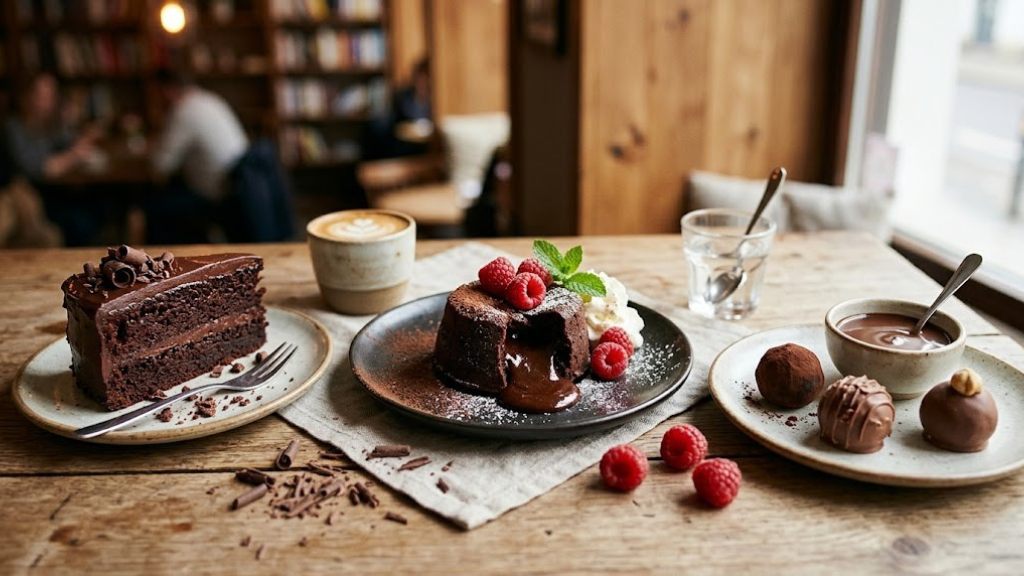

The word “diabetic dessert” used to conjure images of cardboard-flavored cookies sweetened with saccharin and a profound sense of deprivation. That era is over. The intersection of nutritional science, culinary creativity, and modern low-glycemic sweeteners has produced a generation of diabetic desserts so genuinely delicious that many people — diabetic or not — prefer them over their sugar-laden counterparts.
This guide is not about compromise. It’s about redesigning dessert from the ground up, using ingredients that nourish rather than punish your blood sugar. Whether you’re newly diagnosed and grieving your relationship with sweets, or a long-time diabetic who has been eating the same two “safe” treats for years, what follows will transform how you think about dessert forever.
We’ve assembled 20 tested, blood-sugar-friendly dessert recipes — each with full ingredients, method, macronutrient breakdown, glycemic index notes, and practical substitution tips. From the easiest 5-minute no-bake recipes to more involved weekend baking projects, there’s something here for every skill level and every craving.
Can People with Diabetes Really Eat Dessert?
Let’s address this question with the directness it deserves: yes, absolutely — with the right approach. The American Diabetes Association has consistently stated that people with diabetes do not need to follow a diet completely free of sweets or desserts. What matters is not the elimination of sweet foods but the type, quantity, and context in which they’re consumed.
The Problem with Traditional Desserts
Traditional desserts — think a slice of chocolate cake, a scoop of vanilla ice cream, or a classic oatmeal raisin cookie — are problematic for diabetics because they combine three blood-sugar-disrupting elements simultaneously: refined sugar (fast-absorbing glucose), refined flour (rapidly converted to glucose in digestion), and in some cases high-fructose ingredients like corn syrup or dried fruit. This triple threat causes a rapid, dramatic spike in blood glucose followed by an equally dramatic crash — the “roller coaster” effect that damages insulin sensitivity over time.
The solution is not to avoid dessert. The solution is to rebuild dessert from scratch using ingredients that deliver sweetness, richness, and satisfaction through a fundamentally different biochemical pathway — one that keeps blood glucose stable and your enjoyment fully intact.
The Four Pillars of Blood-Sugar-Safe Desserts
🌿 Timing Your Dessert Smartly
One of the most underused strategies for diabetics who love dessert: eat it immediately after a balanced, fiber-rich meal rather than as a standalone snack. The protein, fat, and fiber from the meal significantly slow gastric emptying, blunting the glucose response to even a slightly higher-carb treat. This simple timing shift can reduce post-dessert blood sugar spikes by 30–40% compared to eating the same dessert on an empty stomach.
Your Guide to the Best Sweeteners for Diabetic Desserts
The sweetener you choose is arguably the single most impactful variable in diabetic dessert cooking. Here’s a practical breakdown of the top options, their glycemic profiles, taste characteristics, and best uses:
70% as sweet as sugar. Excellent in baking — crystallizes well. Cooling aftertaste in large amounts.
150–200× sweeter than sugar. Use in tiny quantities. No bitter aftertaste — very clean flavor.
200–300× sweeter than sugar. Some people detect a slightly bitter or licorice note. Works well in liquids.
70% as sweet as sugar. Behaves most like real sugar in baking — browns, caramelizes, freezes well.
As sweet as sugar. Slight cooling sensation. Toxic to dogs — keep away from pets. Modest GI impact.
Lower GI than table sugar (GI 65) but still raises blood glucose significantly. Use in very small amounts only.
For most of the recipes in this guide, we use erythritol or a monk fruit-erythritol blend (like Lakanto brand) as the primary sweetener. These are the most widely available, most versatile, and produce results closest to traditional sugar-sweetened baking. For a deep dive into the stevia vs. artificial sweetener debate, our Stevia vs Splenda comparison covers everything you need to know about choosing between natural and artificial options.
Smart Baking Substitutions: Converting Any Dessert Recipe
Once you understand the principles, you can adapt almost any traditional dessert recipe into a diabetic-friendly version. Here are the most impactful substitutions with practical guidance on ratios:
| Traditional Ingredient | Diabetic Substitute | Conversion Ratio | GI Impact | Notes |
|---|---|---|---|---|
| All-purpose flour (1 cup) | Almond flour | 1 : 1 (add 1 extra egg) | 71 → ~1 | Denser result; add xanthan gum for structure |
| All-purpose flour (1 cup) | Coconut flour | 1 cup → ¼ cup | 71 → ~45 | Highly absorbent; needs more eggs and liquid |
| White sugar (1 cup) | Erythritol | 1 : 1.33 | 65 → 0 | Use 1⅓ cups erythritol per 1 cup sugar |
| White sugar (1 cup) | Monk fruit blend | 1 : 1 | 65 → 0 | Follow brand label; some are 1:1, others concentrated |
| Milk chocolate chips | 85%+ dark chocolate | 1 : 1 | ~49 → ~20 | Chop a dark chocolate bar; brands like Lindt 85% work well |
| Regular milk (1 cup) | Unsweetened almond milk | 1 : 1 | ~41 → ~25 | Thinner consistency; reduce other liquids slightly |
| Sweetened condensed milk | Full-fat coconut milk + sweetener | Simmer until thickened | Very high → ~5 | Add erythritol while simmering |
| Honey / maple syrup (1 tbsp) | Allulose syrup | 1 : 1 | 58/54 → 0 | Allulose syrups are now widely available; caramelizes well |
The 20 Best Diabetic Dessert Recipes — Detailed Reviews & Instructions
Each recipe below includes a full ingredient list, step-by-step method, macronutrient profile per serving, and blood-sugar safety notes. We begin with our 10 most detailed flagship recipes, followed by 10 more quick-format recipes in Section 2.
Avocado mousse sounds like a culinary prank until you taste it. The fat-rich, neutral-flavored avocado creates a base that’s identical in texture to traditional chocolate mousse — dense, silky, and spoonable — but without a single gram of refined sugar and with an impressive nutritional profile. The key is using very ripe avocados and a high-quality dark chocolate (85%+ cocoa) that has enough natural bitterness to mask any avocado flavor entirely.
This recipe is also one of the fastest on this list — from ripe avocado to finished mousse in under 10 minutes, including refrigeration time. It’s ideal as a last-minute dinner party dessert or a satisfying weeknight treat that takes virtually no effort.
🧾 Ingredients (serves 4)
- 2 large ripe avocados, pitted
- ¼ cup unsweetened cocoa powder
- 3 tbsp erythritol or monk fruit sweetener
- ¼ cup unsweetened almond milk
- 1 tsp pure vanilla extract
- 1 oz dark chocolate (85%+), melted
- Pinch of sea salt
- Optional: berries, crushed nuts, whipped cream to top
👨🍳 Instructions
- Scoop avocado flesh into a food processor or blender.
- Add cocoa powder, sweetener, almond milk, vanilla, and salt.
- Drizzle in the melted dark chocolate.
- Blend on high 60–90 seconds until completely smooth, scraping sides once.
- Taste and adjust sweetener if needed.
- Spoon into 4 serving glasses. Refrigerate 30 mins before serving.
- Top with fresh berries or a few crushed walnuts.
Blood Sugar Safety Notes
Avocado is one of the most blood-sugar-neutral foods in existence — it’s rich in monounsaturated fats and fiber with virtually zero digestible carbohydrate. The dark chocolate contributes minimal glucose impact at the 85%+ cocoa level. The entire bowl clocks in at roughly 5g net carbs per serving, making it suitable even for people following a strict low-carb dietary protocol.
✅ Why We Love It
- Rich in heart-healthy monounsaturated fats
- Ready in under 10 minutes
- Impressive enough for dinner guests
- High in potassium and folate
- Completely dairy-free and vegan
- Only 5g net carbs per serving
⚠️ Watch Out For
- Must use very ripe avocados — unripe = bitter
- Calorie-dense; limit to 1 serving
- Oxidizes quickly — eat within 24 hours
Traditional cheesecake is a blood sugar challenge: graham cracker crust (refined flour + sugar), sweetened cream cheese filling, often topped with fruit compote or whipped cream with sugar. Our almond flour mini cheesecakes reconstruct the experience from scratch. The crust uses almond flour and a touch of erythritol with melted butter — it bakes up crisp and slightly golden, remarkably similar to a nut-based graham cracker. The filling is pure cream cheese, eggs, vanilla, and monk fruit sweetener — incredibly creamy and rich with virtually no carbohydrates.
Making them as individual bites rather than a full cheesecake serves a double purpose: it enforces naturally appropriate portions and allows them to bake more evenly and quickly. A standard 12-cup muffin tin is all you need.
🧾 Ingredients (makes 12 bites)
- Crust:
- 1 cup almond flour
- 2 tbsp erythritol
- 3 tbsp melted butter
- Pinch of salt
- Filling:
- 16 oz (450g) full-fat cream cheese, softened
- ⅓ cup monk fruit sweetener
- 2 large eggs
- 1 tsp vanilla extract
- 1 tbsp lemon juice
- ¼ cup full-fat sour cream
👨🍳 Instructions
- Preheat oven to 325°F (163°C). Line muffin tin with paper cups.
- Mix crust ingredients until combined. Press 1 tbsp firmly into each cup. Bake 8 min until golden. Cool slightly.
- Beat cream cheese and sweetener until smooth (2 min).
- Add eggs one at a time, beating between each. Add vanilla, lemon juice, sour cream.
- Divide filling evenly over cooled crusts.
- Bake 20–22 min until centers are just barely set.
- Cool completely then refrigerate at least 2 hours before serving.
- Top with a single fresh raspberry or a tiny slice of strawberry.
💡 Make a Big Batch for the Week
These cheesecake bites freeze beautifully for up to 3 months. Make a double batch, freeze them in a single layer until solid, then store in a zip bag. Thaw overnight in the refrigerator. Having a supply of ready-made diabetic-safe desserts in your freezer is one of the best strategies for avoiding impulse high-sugar treats — which is the same principle behind having a great weekly diabetic meal plan. Check out our 7-day diabetic menu to see how desserts like these can be planned into a complete blood-sugar-optimized week.
✅ Why We Love It
- Only 3g net carbs per bite
- Freezer-friendly — batch cook ahead
- Genuine cheesecake taste and texture
- Portion-controlled by design
- Great for sharing at parties
⚠️ Watch Out For
- Full-fat cream cheese is calorie-dense
- Requires advance planning (chill time needed)
- Almond flour crust is softer than graham cracker
The Greek yogurt berry parfait is the dessert that asks almost nothing of you in terms of preparation while delivering enormously in terms of nutrition and satisfaction. It’s built on plain full-fat Greek yogurt — which contains roughly 15g of protein per cup and only 6–8g of natural lactose, compared to sweetened yogurt which can contain 20–30g of added sugar. The berries provide natural sweetness, fiber, and a staggering antioxidant payload: blueberries, raspberries, and blackberries are among the most nutrient-dense foods available to diabetics.
🧾 Ingredients (serves 2)
- 1½ cups plain full-fat Greek yogurt
- 1 cup mixed berries (fresh or frozen-thawed)
- 2 tbsp erythritol or stevia to taste
- ¼ tsp vanilla extract
- 2 tbsp chopped raw almonds or walnuts
- 1 tsp chia seeds
- Optional: 1 tsp no-sugar-added dark chocolate shavings
👨🍳 Instructions
- Stir sweetener and vanilla into the Greek yogurt.
- In glasses or jars, add a layer of yogurt, then berries, then repeat.
- Top with nuts, chia seeds, and optional chocolate shavings.
- Serve immediately or refrigerate up to 4 hours (add nuts just before serving to keep crunch).
Peanut butter cups are one of America’s most beloved candies — and one of the easiest to recreate in a diabetic-safe version. Natural peanut butter (no added sugar) is inherently low-glycemic, high in protein and monounsaturated fats, and pairs perfectly with 85%+ dark chocolate. This recipe requires no special equipment beyond mini muffin liners and a freezer. The filling-to-shell ratio can be adjusted to personal preference — more peanut butter for a richer bite, thinner chocolate shells for a lower-calorie version.
🧾 Ingredients (makes 12 cups)
- Chocolate Shell:
- 4 oz (115g) dark chocolate, 85%+ cocoa
- 1 tbsp coconut oil
- 1 tbsp erythritol (optional — adds sweetness)
- Peanut Butter Filling:
- ½ cup natural peanut butter (no added sugar)
- 2 tbsp erythritol powdered (or monk fruit)
- ½ tsp vanilla extract
- Tiny pinch of sea salt
👨🍳 Instructions
- Melt chocolate with coconut oil in 30-sec microwave bursts, stirring between. Add sweetener if using.
- Place mini muffin liners in a 12-cup tin. Pour 1 tsp chocolate into each. Swirl to coat sides slightly. Freeze 10 minutes.
- Mix peanut butter filling ingredients until smooth and slightly firm.
- Add 1 tsp peanut butter mixture over each frozen chocolate base. Press gently.
- Pour remaining chocolate over peanut butter to seal. Freeze 20 min until set.
- Store in refrigerator up to 1 week, or freezer up to 3 months.
🍫 Choosing the Right Dark Chocolate
The quality of your dark chocolate directly determines how good these cups taste. We recommend Lindt 85% or 90% Excellence bars, Hu Kitchen Dark Chocolate (no refined sugar), or Lily’s Sugar-Free Dark Chocolate Chips (sweetened with stevia). For a deeper dive into which chocolate brands are safest and most delicious for diabetics, our guide to the best chocolate for diabetics ranks 12 options by taste, cocoa content, and glycemic impact.
Chia seeds are extraordinary for blood sugar management — two tablespoons contains 10g of fiber and 5g of protein, and when mixed with liquid they form a gel that slows the entire digestive process, significantly reducing post-meal glucose spikes. A chia pudding made with unsweetened almond milk and a natural sweetener is one of the most nutritionally complete desserts a diabetic can enjoy: it’s filling, fiber-rich, protein-containing, and practically zero glycemic impact.
The overnight-set version (prepare the evening before) is the easiest and most consistent approach. The berry compote on top — made with fresh or frozen berries simmered with a tiny amount of erythritol — adds natural sweetness, antioxidants, and beautiful visual appeal. This is also one of the best choices for a diabetic snack that genuinely satisfies sweet cravings while supporting blood sugar stability throughout the afternoon.
🧾 Ingredients (serves 2)
- 6 tbsp chia seeds
- 1½ cups unsweetened almond milk (or coconut milk)
- 1 tbsp erythritol or monk fruit sweetener
- 1 tsp vanilla extract
- Berry Compote:
- 1 cup mixed berries (fresh or frozen)
- 1 tsp erythritol
- 1 tsp lemon juice
👨🍳 Instructions
- Whisk chia seeds, almond milk, sweetener, and vanilla in a bowl.
- After 10 minutes, stir again to break up any clumps.
- Cover and refrigerate overnight (or minimum 4 hours).
- For compote: Simmer berries with erythritol and lemon juice in a small pan 5–8 min. Mash slightly. Cool.
- Spoon pudding into glasses, top with berry compote. Serve cold.
Lemon bars are a classic that many diabetics assume they must give up. With almond flour and erythritol, they’re back on the menu. The crust becomes a delightfully crumbly almond shortbread, and the filling — eggs, lemon juice, lemon zest, and sweetener — bakes to a vibrant, silky, properly set curd. Dusted with a tiny amount of powdered erythritol, they look exactly like the original.
🧾 Ingredients (makes 16 bars)
- Crust:
- 1½ cups almond flour
- 3 tbsp erythritol
- 4 tbsp cold butter, cubed
- Pinch of salt
- Lemon Filling:
- 3 large eggs
- ⅓ cup fresh lemon juice (~2 lemons)
- 1 tbsp lemon zest
- ⅓ cup erythritol (powdered)
- 2 tbsp almond flour
👨🍳 Instructions
- Preheat oven to 350°F (175°C). Line 8×8″ pan with parchment.
- Pulse crust ingredients in food processor until crumbly. Press into pan base.
- Bake crust 12–14 min until lightly golden. Cool 10 min.
- Whisk together all filling ingredients until smooth.
- Pour filling over baked crust. Bake 18–20 min until just set.
- Cool completely then refrigerate 2 hours minimum.
- Cut into 16 squares. Dust with powdered erythritol to serve.
Dark chocolate bark is the ultimate lazy diabetic dessert. Melt your 85%+ chocolate, spread it on parchment, scatter your toppings, freeze until hard, and break into pieces. Store in the freezer for whenever a chocolate craving strikes. Customize endlessly: try dried freeze-dried raspberries (lower sugar than fresh), chopped pistachios, crushed walnuts, toasted coconut flakes, or a sprinkle of cayenne for a spicy-chocolate edge.
Method: Melt 4 oz dark chocolate (85%+) with 1 tsp coconut oil. Spread on parchment (⅛ inch thick). Scatter ¼ cup raw almonds, chopped, and flaky sea salt. Freeze 20 min. Break into approximately 12 pieces. Store frozen or refrigerated.
The mug cake solves the most dangerous dessert scenario for diabetics: a sudden, intense sweet craving with no prepared options in the house. This microwave mug cake comes together with pantry staples in about 30 seconds of mixing, followed by 90 seconds of microwave time. The result is a moist, legitimate chocolate cake with a slightly fudgy center that scratches every itch a dessert craving creates.
Ingredients (1 mug): 3 tbsp almond flour · 1 tbsp unsweetened cocoa powder · 2 tbsp erythritol · ¼ tsp baking powder · 1 large egg · 2 tbsp almond milk · 1 tbsp melted butter · ½ tsp vanilla · 5 dark chocolate chips (optional center).
Method: Whisk dry ingredients in a large microwave-safe mug. Add wet ingredients and mix until smooth. Add chocolate chips to center if using. Microwave on high 70–90 seconds until just set (center may look slightly underdone — it firms on standing). Allow to cool 60 seconds. Eat directly from the mug.
Frozen yogurt bark is the antidote to ice cream for diabetics. Spread plain Greek yogurt sweetened with stevia on a parchment-lined baking sheet, scatter fresh berries over the top, and freeze for 4 hours. The result breaks into shards of creamy, slightly tart frozen yogurt with pockets of bright berry flavor — genuinely refreshing and visually stunning.
Method: Mix 2 cups plain full-fat Greek yogurt with 2 tbsp erythritol and ½ tsp vanilla. Spread ½ inch thick on parchment. Top with ½ cup mixed berries, 2 tbsp dark chocolate chips (85%+), and 2 tbsp chopped pistachios. Freeze 4+ hours. Break into 12 pieces. Store in freezer bag up to 2 weeks.
Coconut macaroons are one of the most naturally diabetic-friendly traditional desserts because shredded coconut is already low in digestible carbs and high in fiber and medium-chain triglycerides (MCTs). The only modification needed is replacing the typical sweetened condensed milk with an erythritol sweetened alternative. The result is virtually identical to the original — crispy on the edges, chewy and dense in the center, with that intoxicating toasted coconut aroma.
Ingredients (makes 18): 2½ cups unsweetened shredded coconut · 3 egg whites · ⅓ cup erythritol · 1 tsp vanilla · Pinch of salt · Optional: dip bases in melted 85% dark chocolate.
Method: Combine all ingredients. Scoop heaped tablespoons onto parchment. Bake 325°F for 18–20 min until golden. Cool fully before handling — they firm as they cool. Dip bottoms in melted dark chocolate if desired; return to parchment and refrigerate until chocolate sets.
Recipes 11–20: More Diabetic-Friendly Desserts to Add to Your Rotation
Here are 10 additional tested recipes in quick-reference format. Each has been vetted for low glycemic impact and genuine deliciousness. Use these as inspiration for expanding your diabetic dessert repertoire beyond the flagship recipes above.
| # | Recipe | Net Carbs/Serving | Type | Highlight |
|---|---|---|---|---|
| 11 | Almond Butter Blondies | 4g | Baked | Fudgy, caramel-like; uses almond flour + almond butter + eggs |
| 12 | Keto Raspberry Mousse | 4g | No-Bake | Whipped cream + fresh raspberries + erythritol; ready in 5 min |
| 13 | Cinnamon Ricotta Whip | 6g | No-Bake | Whole-milk ricotta + cinnamon + stevia + vanilla — like Italian cannoli cream |
| 14 | Frozen Avocado Lime Pops | 5g | Frozen | Blended avocado, lime juice, coconut milk, sweetener. Creamy and tropical |
| 15 | Chocolate Zucchini Brownies | 6g | Baked | Shredded zucchini adds moisture + fiber; almond flour base; super fudgy |
| 16 | Strawberry Shortcake Cups | 7g | Baked | Almond flour sponge cups + fresh strawberries + sugar-free whipped cream |
| 17 | PB & Banana Nice Cream | 18g | Frozen | Frozen banana + 1 tbsp PB + almond milk; use ½ banana per serving |
| 18 | No-Bake Energy Balls | 5g | No-Bake | Almond flour + peanut butter + erythritol + dark choc chips; roll & chill |
| 19 | Walnut & Spice Baked Pears | 14g | Baked | Halved pears + cinnamon + chopped walnuts + baked 20 min; warm and comforting |
| 20 | Sugar-Free Panna Cotta | 3g | No-Bake | Heavy cream + gelatin + vanilla + erythritol; Italian classic, nearly zero carb |
Glycemic Index Comparison: Diabetic Desserts vs. Traditional Desserts
The glycemic index (GI) ranks foods on a scale of 0–100 based on how quickly they raise blood glucose compared to pure glucose (GI = 100). A GI under 55 is considered low, 56–69 medium, and 70+ high. Here’s how the desserts on this list compare to their traditional sugar-laden counterparts:
| Dessert | Traditional Version GI | Diabetic Version GI | Reduction | Net Carbs (diabetic version) |
|---|---|---|---|---|
| Chocolate Mousse | ~65 | ~18 | –72% | 5g |
| Cheesecake (1 slice) | ~46 | ~15 | –67% | 3g per bite |
| Peanut Butter Cups (2 pc) | ~55 | ~22 | –60% | 4g |
| Lemon Bars | ~72 | ~16 | –78% | 4g |
| Chocolate Chip Cookies | ~77 | ~25 | –68% | 4g |
| Ice Cream (½ cup) | ~61 | ~20 (frozen yogurt bark) | –67% | 8g |
| Brownies | ~82 | ~28 | –66% | 6g |
| Berry Parfait | ~55 (regular yogurt) | ~32 (Greek + berries) | –42% | 11g |
🍓 Berries: The Diabetic Dessert Superstar
Strawberries (GI 41), raspberries (GI 32), blueberries (GI 53), and blackberries (GI 25) are consistently rated as the best fruits for diabetics — rich in anthocyanins (which improve insulin sensitivity), vitamin C, and fiber. Using berries as the primary fruit component in desserts not only keeps GI scores low but also adds genuine health benefits. Research suggests regular berry consumption may improve HbA1c levels over time. Add berries to your desserts liberally and without guilt.
Planning Diabetic Desserts Into Your Weekly Meal Plan
One of the most effective strategies for blood sugar management is treating desserts not as occasional forbidden indulgences but as planned, integrated components of a well-structured weekly eating framework. When desserts are planned, portioned, and ingredient-controlled, they stop being a source of anxiety and become a reliable source of daily enjoyment.
The Batch-Bake Approach
Designate one hour each weekend for diabetic dessert preparation. In 60 minutes, you can realistically make a batch of almond flour cheesecake bites (freeze most of them), a jar of chia pudding for weekday evenings, and a sheet of dark chocolate bark for the freezer. Having three or four ready-made, portioned diabetic dessert options available at all times eliminates the environmental trigger for high-sugar impulse choices.
This dessert-focused batch cooking strategy pairs perfectly with a comprehensive weekly meal planning approach. Our guide to the weekly diabetic meal plan shows you how to structure a full 7 days of meals — including designated dessert slots — in a way that keeps average daily carbohydrates well within blood-sugar-safe parameters while keeping mealtimes genuinely enjoyable.
Dessert Portions: The Non-Negotiable
Even the most blood-sugar-friendly diabetic dessert can cause glucose issues in excessive quantities. Most of the recipes on this list are designed as single-serve or clearly portioned servings — and those serving sizes are the tested, verified portions that keep net carbs under 15g. Doubling a “safe” portion can double the carbohydrate load and produce an unexpected spike.
The best practice is to pre-portion desserts immediately after making them: cut brownies into the intended number of pieces, divide mousse into individual glasses, count out cookie portions. When desserts are already portioned, the psychological barrier to “just one more” is meaningfully higher.
Our #1 Recommended Diabetic Dessert
Dark Chocolate Avocado Mousse
Only 5g net carbs, 5 minutes to make, no baking required, and it’s the dessert that consistently converts skeptics — partners, children, and non-diabetic friends will request seconds. It combines the deepest possible chocolate satisfaction with genuinely excellent nutritional credentials for blood sugar control.
Frequently Asked Questions About Diabetic Desserts
-
Can people with diabetes eat dessert?Yes. People with diabetes can enjoy desserts when they choose options made with low-glycemic sweeteners, high-fiber ingredients, healthy fats, and adequate protein. The goal is to avoid large blood sugar spikes, not to eliminate sweetness entirely. Portion control, ingredient choices, and timing (eating dessert after a balanced meal) all matter significantly.
-
What sweeteners are best for diabetic desserts?The best sweeteners for diabetic desserts are stevia, monk fruit, erythritol, and allulose — all of which have minimal to zero impact on blood glucose levels. Xylitol is also acceptable in moderation. These natural sweeteners provide sweetness without the glycemic response of table sugar, honey, or maple syrup. For a deep comparison of options, see our guide to Stevia vs Splenda for more detail on natural vs. artificial choices.
-
How does dark chocolate affect blood sugar?Dark chocolate with 70% or higher cocoa content has a relatively low glycemic index (around 20–25) due to its high fat and fiber content. It also contains flavonoids that may improve insulin sensitivity. The key is to choose chocolate with 85%+ cocoa and no added sugar, and to stick to 1-ounce portions. Milk chocolate and white chocolate have much higher GIs and should be avoided in diabetic desserts.
-
Is almond flour better than regular flour for diabetic baking?Yes, significantly. Almond flour has roughly 6g net carbs per 1/4 cup (vs. 22g for all-purpose flour), a glycemic index near zero, and provides healthy monounsaturated fats and vitamin E. It also adds moisture to baked goods. Coconut flour is another low-carb alternative but absorbs much more moisture and requires recipe adjustments — typically 1/4 cup coconut flour replaces 1 cup regular flour.
-
Can diabetics eat cheesecake?Yes — when made with low-carb modifications. Diabetic cheesecake swaps the crust for almond flour or crushed nuts, uses erythritol or monk fruit instead of sugar, and uses full-fat cream cheese (which is naturally low in carbs). A well-made diabetic cheesecake bite can have under 3–5g net carbs, compared to 35–50g net carbs in a standard slice.
-
Are fruit-based desserts safe for diabetics?Some fruits are safer than others. Berries (strawberries, blueberries, raspberries, blackberries) are relatively low in sugar, high in fiber and antioxidants, and have a GI under 40. High-sugar fruits like dates, bananas, grapes, and mangoes should be used very sparingly. Pairing any fruit with protein (like Greek yogurt or nuts) or fat (like cream) reduces the glycemic impact significantly.
-
How many carbs should a diabetic dessert have?Most registered dietitians recommend keeping a single diabetic dessert serving to under 15–20g total carbohydrates, ideally under 10g net carbs. This allows the treat to fit within a typical diabetic meal plan’s carbohydrate budget. Always check your individual post-meal glucose response with a continuous glucose monitor or test strip, as glycemic sensitivity varies considerably between individuals.
-
Can diabetics eat peanut butter desserts?Yes. Natural peanut butter (with no added sugar or hydrogenated oil) is an excellent base for diabetic desserts — it’s high in protein, healthy fats, and fiber, with only about 3–4g net carbs per 2-tablespoon serving. Our keto peanut butter cups recipe in this article shows exactly how to use it effectively.
-
Does timing of eating dessert affect blood sugar for diabetics?Yes, significantly. Eating dessert immediately after a balanced, fiber-rich meal produces a much lower blood sugar spike than eating the same dessert alone on an empty stomach. The fiber, protein, and fat from the preceding meal slow gastric emptying and blunt the glucose response by 30–40% in most people. For diabetics who want to enjoy dessert, scheduling it as part of a full meal is a smart strategy.
-
What is the best ice cream substitute for diabetics?The best ice cream substitutes include homemade frozen yogurt bark made with full-fat Greek yogurt, commercially available keto ice creams sweetened with erythritol or monk fruit (such as Rebel, Enlightened, or Halo Top), and frozen avocado lime pops. Avoid regular ice cream, which typically contains 25–30g of sugar per serving.
-
What baking modifications make traditional desserts diabetic-friendly?The key modifications are: replacing wheat flour with almond flour, swapping sugar for erythritol or monk fruit, increasing protein with Greek yogurt or cream cheese, adding fiber with chia seeds or flaxseed, using dark chocolate (85%+) instead of milk chocolate, and reducing overall portion size. Our substitution table in this article covers exact ratios for the most common ingredients.
-
Do artificial sweeteners raise blood sugar in diabetics?True zero-calorie sweeteners (stevia, monk fruit, erythritol) have no meaningful effect on blood glucose in virtually all diabetics. Some research suggests that certain artificial sweeteners (aspartame, sucralose) may affect the gut microbiome in ways that could theoretically influence glucose metabolism, but current evidence for direct blood sugar elevation is limited. Erythritol and monk fruit are generally considered the gold standard for diabetic dessert sweetening with the least controversy surrounding them.
Final Thoughts: Dessert Is Not the Enemy — Sugar Is
The recipes and strategies in this guide prove one thing definitively: dessert and diabetes management are not mutually exclusive. With the right ingredients — low-GI sweeteners, almond flour, dark chocolate, Greek yogurt, fresh berries — you can enjoy genuine, satisfying, beautiful desserts every single day without compromising blood sugar control, your A1c goals, or your long-term health.
The hardest part is usually just getting started. Pick one recipe from this guide — start with the Dark Chocolate Avocado Mousse for absolute ease, or the Peanut Butter Cups for the biggest crowd reaction — and make it this week. Notice how it tastes. Notice how your blood sugar responds. Notice how different “diabetic friendly” feels when it’s actually delicious.
And remember: desserts are one piece of the diabetic management puzzle. For a complete framework that brings together meal planning, ingredient strategy, and daily eating structure, explore our full suite of resources below.
Medical Disclaimer: This article is for informational and educational purposes only. It does not constitute medical or nutritional advice. Individual blood sugar responses to foods vary significantly. Always consult with your healthcare provider or registered dietitian before making significant changes to your diet, especially if you are managing diabetes with medication or insulin.
Affiliate Disclosure: Some product links in this article may be affiliate links. We may earn a small commission at no additional cost to you. We only recommend products that provide genuine value for people managing diabetes.