Red Wine Glass vs White: The Ultimate Guide to Stemware Logic
Is it just marketing, or does the glass really change the wine? We break down the science, the shapes, and the best choices for your cellar.
Introduction: Why the Vessel Matters
For the casual drinker, a glass is just a vessel—a way to move liquid from the bottle to the mouth without making a mess. But for anyone who has begun to explore the complex terminology of wine, the realization hits quickly: the hardware matters just as much as the software.
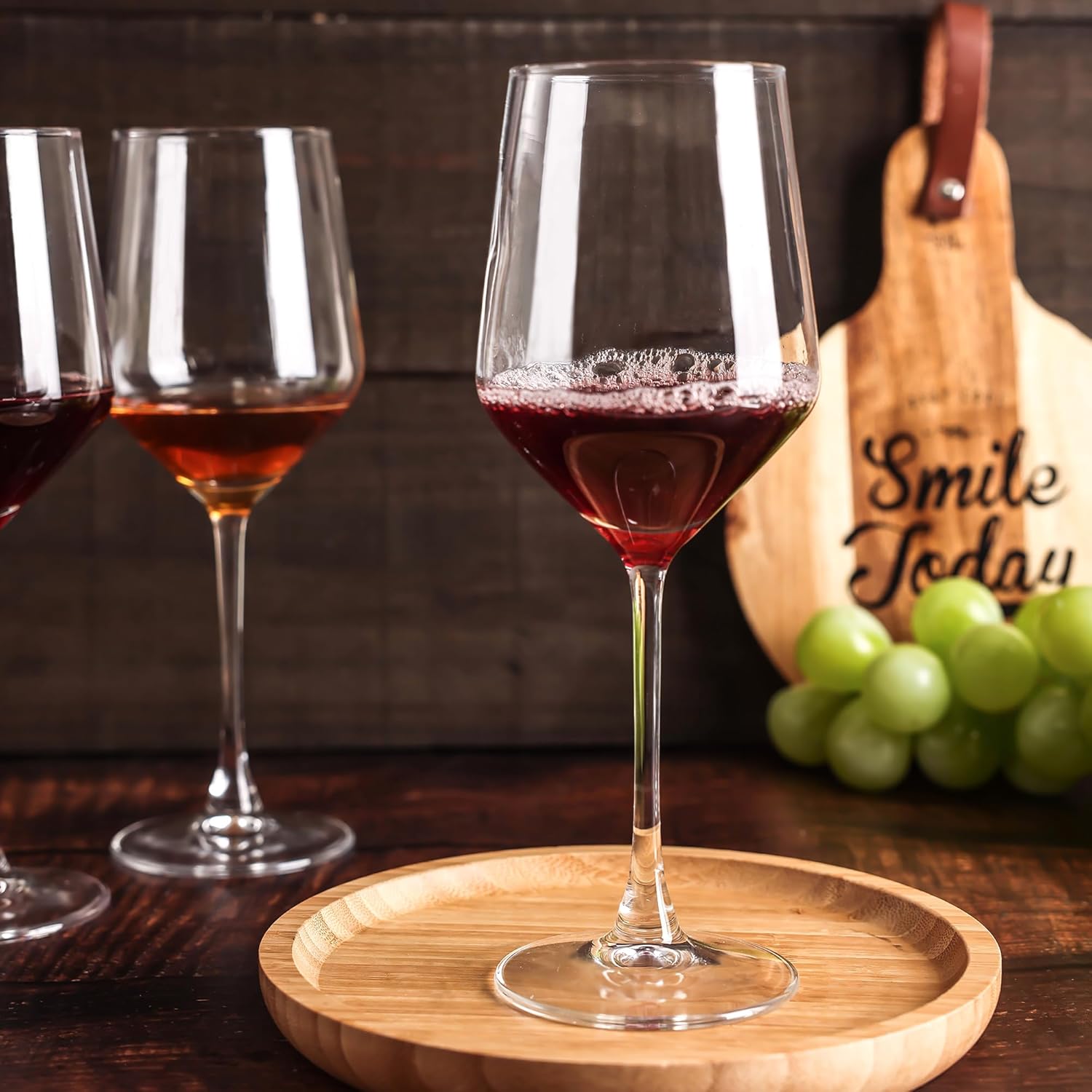
The debate of red wine glass vs white wine glass is not about etiquette or snobbery; it is about physics and chemistry. The interaction between ethanol, oxygen, and your olfactory senses changes depending on the surface area and the rim diameter of your stemware.
If you have invested in the best affordable wines of 2025 or have a vintage bottle resting in your cellar, pouring it into a thick-rimmed water goblet is a disservice to the winemaker’s craft. In this comprehensive comparison, we dissect the anatomy of wine glasses, explain why reds demand “room to breathe,” why whites prefer a tighter embrace, and help you decide which stemware deserves a spot in your cabinet.
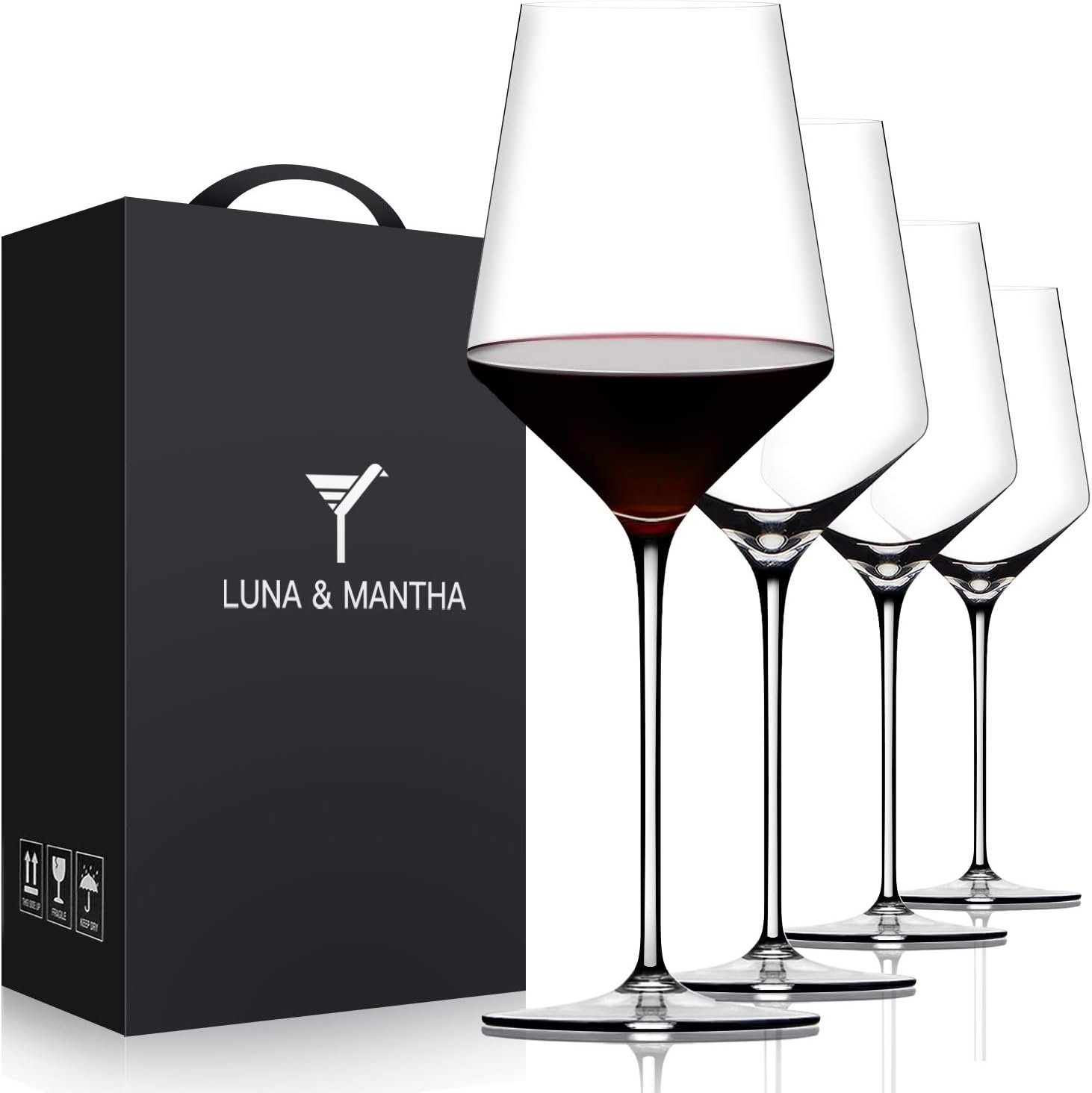
At a Glance: Red vs. White Wine Glasses
| Feature | Red Wine Glass | White Wine Glass |
|---|---|---|
| Bowl Size | Large, wide, round | Smaller, U-shaped, narrower |
| Rim Opening | Wide — allows dipping the nose | Narrow — concentrates aromas |
| Stem Length | Standard to long | Typically longer to prevent heat transfer |
| Primary Function | Aeration and oxidation | Temperature preservation |
| Effect on Flavor | Softens tannins, reduces alcohol burn | Enhances acidity, preserves fruit |
| Aeration Needs | High — needs to breathe | Low — needs to stay fresh |
The Anatomy of Flavor: How Glassware Works
To understand the “vs,” we must first understand the machine. A wine glass is composed of three distinct parts, each playing a role in how you experience the wine. This is particularly relevant if you are learning how to pair wine with food, as the delivery system affects the palate.
1. The Bowl
The width of the bowl determines the surface area of the wine exposed to air. Red glasses feature wide bowls to maximize oxidation. White glasses feature narrower bowls to minimize oxidation and keep the temperature low.
2. The Rim
The rim is arguably the most critical component. A thin, laser-cut rim allows wine to flow smoothly onto the tongue. A thick, rolled rim (common in cheap glasses) creates a barrier. The angle of the rim directs wine to specific parts of your tongue — tip for sweetness, sides for acidity, back for bitterness.
3. The Stem
The stem prevents your body heat from warming the wine. While stemless glasses are trendy for casual drinking, they are problematic for temperature-sensitive whites. If you are learning how to store wine at home correctly, you know temperature is king. The stem ensures your 98.6°F hand stays away from your 50°F Sauvignon Blanc.
The Science of Aroma Delivery: What’s Really Happening in the Glass
The performance of a wine glass is fundamentally a chemistry experiment in your hand. Aromatic compounds in wine — esters, terpenes, aldehydes, and sulfur compounds — have different volatility thresholds. Some release easily at room temperature; others require the agitation of swirling to escape the liquid surface. The glass’s shape determines which compounds reach your nose, at what concentration, and in what sequence.
🔬 The Japanese Ethanol Vapor Study
A research team at the Tohoku University Medical School used a specialized schlieren optical imaging system to photograph ethanol vapors escaping from different glass shapes filled with wine. The results were striking: a wide-bowled red wine glass produced a broad, even vapor plume that delivered aromas across the entire nasal cavity. A narrow white wine glass produced a concentrated column directed at the center of the nose. A tumbler (no bowl shaping) produced a chaotic, dispersed vapor with minimal directed aroma delivery. This is the first photographic proof of what wine professionals have observed empirically for centuries.
Surface Area and the Oxidation Equation
The surface area of wine exposed to air is the single most important variable in glass performance. A Burgundy glass with a 5-inch diameter bowl exposes approximately 20 square centimeters of wine to air — about four times the surface area of a standard water glass. Each additional square centimeter of exposure accelerates the exchange of carbon dioxide (which can give young wines a harsh edge) for oxygen (which softens tannins and opens aromatics).
For white wines, this same physics works against flavor preservation. A Sauvignon Blanc’s primary volatile thiols — the compounds responsible for grapefruit, passion fruit, and freshly cut grass — begin oxidizing and dissipating almost immediately on contact with air. A narrower white wine glass slows this process dramatically, acting like a valve that meters oxygen exposure rather than flooding the wine with it.
The Rim Angle Effect on Palate Delivery
Different glass shapes direct wine onto different zones of the tongue, and this is not minor engineering — it produces measurably different flavor experiences. A glass with a slightly inward-tapered rim (the “tulip” shape common in white wine glasses) directs wine to the tip of the tongue, where sweetness receptors are most concentrated, enhancing fruit perception and softening perceived acidity. A glass with an outward-flared rim (found in some Champagne glasses and aromatic white glasses) spreads wine across the entire tongue simultaneously, creating a broader, more acidic initial impression. Understanding this mechanism explains why Riesling feels different in a proper Riesling glass than in a generic white wine glass, even when the wine temperature and aeration are identical.
Deep Dive: Red Wine Glasses
Red wines are generally bolder, higher in alcohol, and richer in tannins than whites. What is tannin in wine? It is the textural element that makes wine taste dry and astringent. To mitigate the harshness of tannins and allow complex flavor compounds to release, red wine needs air.
The Logic of the Large Bowl
Red wine glasses are characterized by a larger, rounder bowl. This increases the surface area, allowing more ethanol to evaporate. As the alcohol evaporates, it carries the wine’s aromatic compounds toward your nose. This process is essentially “decanting in the glass.” If you don’t have time to use one of the best wine decanters, swirling red wine in a large glass is the next best thing.
Types of Red Wine Glasses
- Bordeaux Glass: The tallest red glass with a broad but not overly wide bowl. Designed for full-bodied, high-tannin wines like Cabernet Sauvignon, Merlot, and Syrah. The shape directs wine to the back of the mouth, minimizing the bitterness of tannins on the front palate.
- Burgundy Glass: A massive, fishbowl-like shape designed for lighter, more delicate reds like Pinot Noir and Gamay. The wide bowl allows delicate aromas to accumulate, while the thinner rim directs wine to the tip of the tongue to highlight sweetness and fruitiness.
For a detailed breakdown of specific models, check our guide on the best wine glasses for red wine.

Deep Dive: White Wine Glasses
White wines operate on a different spectrum — generally served chilled and relying on acidity and fruit rather than tannins. Because of this, the design goals for white wine glasses are almost the opposite of reds.
Preservation Over Oxidation
Oxidation is often the enemy of crisp white wines. Too much air can make a vibrant Sauvignon Blanc taste flat. Consequently, white wine glasses have a narrower “U” shape. This smaller bowl reduces the surface area exposed to air, preserving the wine’s fresh characteristics.
Types of White Wine Glasses
- High-Acid White Glass: The standard white wine glass. A small opening directs wine to the tip of the tongue (sweet receptors) to balance the high acidity of wines like Riesling or Sauvignon Blanc.
- Full-Bodied White Glass: Used for oaked Chardonnays or Viognier. Slightly wider (approaching a red wine shape) to allow creamy, rich textures to breathe slightly, but still shorter than red glasses.
Looking for a place to keep those whites chilled before serving? Check our Ivation wine cooler reviews or the Whynter wine cooler review.

Varietal-Specific Glasses: Do They Really Make a Difference?
Riedel pioneered the concept of varietal-specific glassware in the 1950s, arguing that each grape variety benefits from a glass engineered around its specific aromatic and structural profile. The concept generated both devoted followings and healthy skepticism. The honest answer: for everyday drinking, the difference between a good universal glass and a varietal-specific glass is subtle. For serious tasting of premium bottles, varietal-specific glasses produce measurably different and often superior results.
Pinot Noir Glass
The widest bowl in the red wine category. Pinot Noir’s delicate red fruit, floral, and earthy aromas are volatile — they need maximum surface area to accumulate in the bowl before delivery. The large opening also allows the full nose to enter the glass. Without this space, Pinot’s subtlety is compressed and lost.
Cabernet / Bordeaux Glass
Tall, with a broad but not as wide bowl as Burgundy. Directs wine to the back of the palate, minimizing tannin harshness on the front of the tongue. The height allows significant ethanol evaporation before aromas reach the nose, softening the perception of high alcohol.
Riesling Glass
Narrow, elongated bowl that concentrates aromatics toward the nose while limiting oxidation of the wine’s volatile floral and citrus compounds. The slight inward taper at the rim directs wine to the tongue tip first, emphasizing the interplay of sweetness and acidity that defines great Riesling.
Chardonnay Glass
Wider than a standard white wine glass but still narrower than a red glass. The additional width allows the buttery, oxidative complexity of oaked Chardonnay to breathe and express. Unoaked Chardonnay is actually better served in a standard white glass where freshness is preserved.
Syrah / Shiraz Glass
Narrower than a Bordeaux glass, with a tapered rim. Syrah’s violet, spice, and smoked meat aromatics are heavy molecules that need focused concentration rather than wide dispersal. The narrower bowl helps accumulate these distinctive aromas into a more intense, focused delivery.
Rosé Glass
The most underspecified glass in most collections. A proper rosé glass combines elements of both — a medium-width bowl (wider than white, narrower than red) with a tapered rim and long stem. This shape preserves the delicate strawberry and mineral aromatics while maintaining the serving temperature of a well-chilled dry rosé.
Sparkling Wine Glasses: Flute vs. Coupe vs. White Wine Glass
The question of which glass to use for Champagne and sparkling wine has generated more sommelier debate per cubic centimeter than perhaps any other wine topic. The three contestants — flute, coupe, and white wine glass — each represent a different philosophy about what makes sparkling wine worth drinking.
🥂 The Champagne Flute
Strengths: The tall, narrow format preserves CO2 in solution, producing fine, persistent bubbles that stream visually from the nucleation points on the glass base. The elegant proportions look spectacular on a table. Bubbles reach the surface slowly, reducing the speed of dissipation.
Weaknesses: The narrow opening severely restricts aromatic delivery. The full complexity of a vintage Champagne — brioche, toasted almond, honey, roasted nuts, stone fruit — is effectively suppressed. The flute prioritizes visual drama over the actual drinking experience. For non-vintage entry-level Champagne and Prosecco, this tradeoff is acceptable. For a £100+ vintage Champagne, it is wasteful.
🥂 The Coupe
Strengths: Historically glamorous and visually distinctive. Legend (probably apocryphal) attributes its shape to a mold of Marie Antoinette’s breast. The wide, shallow dish is undeniably theatrical and makes a cocktail or Champagne tower exceptionally photogenic.
Weaknesses: The coupe is functionally terrible for Champagne. The enormous surface area causes CO2 to escape almost immediately, producing flat wine within minutes. Aromatics dissipate in all directions rather than concentrating toward the nose. No serious taster or sommelier uses coupes for quality sparkling wine in 2026, though they remain popular for aesthetics and cocktails.
The Professional Recommendation: White Wine Glass for Quality Champagne
Modern sommeliers and Champagne producers increasingly recommend serving quality Champagne in a standard tulip-shaped white wine glass or a dedicated Champagne tulip (a slightly narrower version of the white wine glass with a more pronounced inward taper). This format preserves bubbles adequately while dramatically expanding aromatic expression. The difference between smelling a prestige cuvée in a flute versus a white wine glass is immediately perceptible — the glass unlocks complexity the flute entirely suppresses. For casual Prosecco or Cava at a party, flutes are perfectly appropriate. For anything you paid serious money for, use a proper wine glass.
The Rosé Glass: The Most Overlooked Category
Rosé wine is the fastest-growing wine category globally, yet dedicated rosé glassware remains one of the least-discussed topics in stemware guides. Most collections simply use white wine glasses for rosé, which produces adequate but not optimal results. Understanding what a rosé glass does differently explains why it’s worth considering if you drink pink wine regularly.
Dry Provence-style rosé — the dominant market style — is a wine of precision and subtlety. Its appeal lies in the interplay between delicate red fruit (strawberry, cherry, raspberry), mineral and saline notes from coastal vineyards, and crisp, refreshing acidity. A standard white wine glass’s narrow bowl can suppress the fruit aromatics; a full red wine glass’s wide bowl warms the wine too quickly and over-aerates the delicate aromatics.
The ideal rosé glass is a medium-bowl tulip shape — narrower than a red wine glass at the widest point, but noticeably wider than a standard white wine glass — with a long stem and a slightly outward-flared rim. The outward flare at the rim spreads the wine gently across the full width of the palate, enhancing the perception of the wine’s mineral finish that is often the signature of great Provence rosé.
For fuller-bodied rosés — Bandol, Tavel, Spanish Rosado — a glass approaching a light red wine shape is appropriate, as these wines have more structural complexity and phenolic character that benefits from additional aeration.
Fortified Wine Glasses: Port, Sherry, and Madeira
Fortified wines — wines to which grape spirit has been added to stop fermentation or increase alcohol — have a distinct set of glassware requirements that most guides ignore entirely. Port, Sherry, Madeira, and other fortified wines typically range from 15–22% alcohol, with concentrated sweetness and complex aromatic profiles that require smaller, more controlled glass shapes than any still wine.
Port glasses are smaller than standard wine glasses — typically 150–200ml capacity versus the 350–500ml of a standard red glass — with a narrower bowl and tapered rim that concentrates Port’s intense dried fruit, chocolate, and spirit aromas without overwhelming the senses. Vintage Port in particular benefits from a small glass that allows a 60–75ml pour to develop complex aromatics without the volatility of Port’s elevated alcohol dominating the aroma delivery.
Sherry glasses come in two distinct styles. The Copita — a small, tulip-shaped glass on a short stem — is the traditional sherry glass used throughout the Jerez region of Spain and by all professional sherry assessors. Its narrow opening concentrates the complex oxidative and biological aging aromas of Fino, Manzanilla, Amontillado, and Oloroso while limiting ethanol volatility. The Sherry ISO tasting glass is a scaled-down version of the standard ISO wine glass and is preferred for comparative professional assessment.
Madeira glasses are similar in concept to Port glasses — small volume, tapered rim — but the best producers and serving establishments now use a glass approaching a full white wine glass shape for aged Madeira, where the full complexity of decades of oxidative aging deserves the same aromatic expression space as any premium white wine.
The Head-to-Head: Which Should You Buy?
If you are building a home bar or looking for wine gift ideas for her, you might be wondering if you really need to buy two separate sets of glasses. Let’s break down the pros and cons.
Red Wine Glasses
Pros:
- Essential for aeration of tannic wines
- Provides a luxurious aromatic experience
- Can double as water goblets in a pinch
- Looks elegant on a dinner table
Cons:
- Harder to store — takes up more space
- More fragile due to larger surface area
- Not suitable for sparkling wines
White Wine Glasses
Pros:
- Keeps wine cooler for longer
- Preserves delicate floral aromas
- More durable and easier to wash
- Takes up less cabinet space
Cons:
- Can “choke” a big red wine — prevents breathing
- Makes swirling difficult without spilling
- Less visually imposing
The “Universal” Alternative
In recent years, glassmakers have pushed the concept of the “Universal” glass — a hybrid shape somewhere between a Riesling glass and a small Cabernet glass. A high-quality universal glass (like the Gabriel-Glas or Zalto Universal) handles 90% of wines beautifully. However, if you regularly drink heavy vintage reds or organic and natural wines that often require significant aeration to blow off reduction, a dedicated large-bowl red glass is superior.
Stemless Wine Glasses: The Full Honest Assessment
Stemless wine glasses have moved from novelty to mainstream over the past decade, appearing in casual restaurants, outdoor events, and increasingly on domestic shelves. They offer genuine advantages in certain contexts and genuine disadvantages in others. Understanding both sides prevents either dismissing them entirely or adopting them where they underperform.
✅ Where Stemless Works
Outdoor events, picnics, and casual entertaining where breakage risk is high. Dishwasher-safe daily use for red wines served slightly below room temperature. Parties where you want a stable glass that won’t tip easily. Red wines consumed quickly (within 15–20 minutes) before hand heat becomes an issue.
❌ Where Stemless Fails
Any white wine or rosé intended to be served chilled — body heat warms a small pour within 5–8 minutes of holding. Vintage or premium wines where temperature precision matters. Formal table settings. Champagne and sparkling wines where the temperature loss from hand contact rapidly destroys the carbonation and aromatic experience.
🌿 Outdoor and Travel Options
For outdoor use specifically, consider the growing category of high-quality stainless steel stemless wine “glasses” from brands like Yeti and Vinglacé. These insulated vessels maintain temperature for hours and are unbreakable — a genuine functional innovation for outdoor wine consumption that neither traditional glass nor basic stemless can match.
💡 How to Use Stemless Glasses Correctly
If you’re using stemless glasses, hold them at the very base with minimal finger contact — the flat bottom acts as a minimal heat transfer surface compared to cupping the bowl. Set the glass down between sips rather than holding it continuously. For white wines, serve them 3–4°F colder than you normally would to account for the inevitable warming from hand contact over the course of a glass.
How to Hold a Wine Glass: The Correct Technique
This might seem like a minor point, but improper glass holding is one of the most common and easily correctable mistakes in wine service. Holding the bowl rather than the stem is not merely a breach of etiquette — it physically warms the wine, transfers fingerprints to the bowl that obscure color assessment, and creates instability when swirling.
- Pinch the stem between your thumb and index finger, approximately one-third of the way up the stem from the base. Your index finger should point upward along the stem naturally.
- Rest the stem on your middle finger for stability. Your ring and little fingers naturally curl inward toward your palm — avoid letting them splay outward, which creates instability.
- Keep your palm away from the bowl entirely. There should be visible air gap between your hand and the bowl of the glass at all times. Even the warmth radiating from a nearby palm raises glass temperature measurably.
- For formal tasting, hold the glass from the base (the flat foot) rather than the stem. This technique, favored by professional tasters, eliminates all stem contact vibration and provides maximum stability for swirling.
- When swirling, keep the glass on the table and rotate it in small circles rather than swirling it in the air. Table-swirling is more controlled, less likely to result in spills, and produces the same aeration as aerial swirling with less risk.
How to Swirl Wine Correctly: Technique and Purpose
Swirling is not affectation — it is a specific mechanical intervention with measurable effects on wine chemistry. Swirling increases the surface area of wine exposed to air by creating a thin film of wine on the bowl’s walls above the liquid level, accelerating the evaporation of aromatic volatile compounds. A proper swirl in a large Burgundy glass can increase effective wine surface area by 300–400% compared to a static glass, delivering a corresponding increase in aromatic intensity.
The Table Swirl vs. Air Swirl
The safest and most controlled swirling technique is to keep the base of the glass on a flat surface and rotate it in small counterclockwise circles (clockwise for left-handed tasters) with a consistent pressure against the table. The friction of the base against the surface creates a centrifugal force that draws the wine up the bowl walls in an even film. Three to four rotations are sufficient for most wines; over-swirling can cause the volatile compounds that comprise a wine’s most delicate aromatics to dissipate before they reach your nose.
⚠️ Common Swirling Mistakes
Over-filling your glass makes controlled swirling impossible — fill red wine glasses no more than one-third full. A glass more than half-full will spill on the first aerial swirl. Additionally, extremely angular or aggressive swirling can cause an “arc” of wine to escape the glass over the lip — always begin with gentle, small circles and increase only if the bowl size accommodates it safely.
Materials Matter: Crystal vs. Glass
The “Red vs. White” debate is incomplete without mentioning material. Whether you choose a red or white shape, the composition of the glass changes the tasting experience.
- Standard Glass: Usually has a rolled rim. Durable and cheap but interferes with the flow of wine. Good for casual use.
- Crystal (Lead or Titanium): Crystal is stronger than glass, allowing it to be spun incredibly thin. A thin rim is the hallmark of a great wine glass. Crystal also has a rougher microscopic surface that helps agitate the wine to release more aroma.
Lead Crystal vs Lead-Free Crystal vs Borosilicate: The Full Material Guide
The term “crystal” in wine glassware is used more loosely than its scientific definition would suggest. Understanding what each material actually is, and what it does to your wine drinking experience, prevents you from paying premium prices for marketing terminology.
Traditional Lead Crystal
Contains minimum 24% lead oxide, which gives extraordinary optical clarity (higher refractive index than glass), allows ultra-thin wall formation (walls as thin as 0.6mm), and creates a characteristic ring when tapped. The lead content creates microscopic surface roughness that aids nucleation. Concerns: lead leaching is negligible for drinking use but can occur with extended wine storage (decanting overnight). Now largely replaced by lead-free alternatives at quality manufacturers.
Lead-Free Crystal
The modern premium standard. Lead replaced by barium oxide, zinc oxide, or titanium oxide — achieving the same optical clarity, workability, and thinness as lead crystal without health concerns. Riedel, Zalto, Spiegelau, and Schott Zwiesel all use lead-free crystal. Walls as thin as 0.8–1mm. Dishwasher-safe options exist (Tritan Crystal from Schott Zwiesel uses a special titanium reinforcement). The clear choice for any quality purchase today.
Borosilicate Glass
Laboratory-grade glass used for its thermal shock resistance and chemical inertness. Heavier and thicker-walled than crystal — typically 2–3mm versus crystal’s 0.8–1mm. More resistant to sudden temperature changes (ideal for hot dishwashers). Less optically brilliant than crystal but chemically inert — zero flavor impact. The best budget glasses use borosilicate. Ikea’s Svalka, widely recommended by budget wine writers, is borosilicate.
Soda-Lime Glass
The most common glass composition worldwide, found in most supermarket wine glasses. Heavier, less clear, and less thermally resistant than borosilicate. The slight green tint in many cheap wine glasses comes from iron impurities in soda-lime glass. Functional for casual use but provides none of the optical or tactile advantages of crystal or borosilicate. Avoid for any purchase above the most casual household use.
Top Wine Glass Brands Compared: Who Makes the Best?
🏆 Zalto
The sommelier’s obsession. Hand-blown Austrian lead-free crystal. Impossibly thin walls (under 1mm) and featherlight construction. The Denk’Art Universal is widely considered the finest single wine glass available. Fragile — treat with care. Premium pricing ($50–$90 per glass) justified by an experience unlike any other stemware.
🏆 Riedel
The brand that invented varietal-specific glassware. Their Vinum range offers excellent performance at mid-range prices ($25–$45/glass); the Sommeliers hand-blown series approaches Zalto quality at comparable premium pricing. Their machine-made Ouverture range offers genuine performance at under $15/glass. The most comprehensive varietal range available.
🥈 Schott Zwiesel
German precision in Tritan Crystal — a proprietary titanium-reinforced lead-free crystal that is both dishwasher-safe and maintains the thinness of premium stemware. The best choice for households that want quality without the anxiety of hand-washing fine glassware. Excellent value in the $15–$35/glass range.
🥈 Spiegelau
Owned by Riedel, positioned as the accessible quality alternative. Their Authentis range offers genuine performance at $10–$20/glass. The Spiegelau and Noma Copenhagen co-designed Burgundy glass is widely regarded as one of the best value high-performance red wine glasses available.
🥉 Gabriel-Glas
Austrian manufacturer of the famous StandArt single universal glass — one glass designed to serve all still wines at the highest level. Thinner walls than Riedel Vinum, lighter than comparable glasses in its price range ($35–$45). Their philosophy challenges the entire varietal-specific glass concept with considerable success.
🥉 Luigi Bormioli
Italian glass manufacturer offering excellent value at the entry level. Their SON.hyx technology creates durable, thin-rimmed machine-made glasses that outperform their price point significantly. A smart first upgrade from supermarket glasses at $8–$15/glass. Widely available and dishwasher-safe.
Budget vs. Premium Wine Glasses: What You Actually Get
💚 Under $15 Per Glass
Ikea Svalka ($2), Luigi Bormioli Michelangelo ($8–12), basic Riedel Ouverture ($12–15). Borosilicate or entry-level crystal. Thicker walls (2–3mm), rolled or semi-rolled rim, adequate aeration surface area. Functionally appropriate for everyday casual use. The gap between a $2 Ikea glass and a $12 Riedel Ouverture is noticeable; the gap between the Ouverture and a $50 Zalto is equally dramatic.
💜 $15–$40 Per Glass
Schott Zwiesel Tritan, Spiegelau Authentis, Gabriel-Glas StandArt, Riedel Vinum. Machine-made lead-free crystal with genuine thin-wall construction (1–1.5mm). Dishwasher-safe options available. The quality of tasting experience here represents a significant step up from budget glasses. This is where most serious home enthusiasts should target their purchase.
🔴 $40+ Per Glass
Zalto Denk’Art, Riedel Sommeliers hand-blown, Grassl Glass. Hand-blown lead-free crystal at walls under 1mm. The handling experience — featherlight, impossibly thin, exquisite balance — is transformative. These glasses don’t make wine taste dramatically better than good mid-range glasses; they make the ritual of wine drinking feel like a genuine luxury. Justified for serious collectors and special occasion use.
Washing, Polishing, and Caring for Your Wine Glasses
The finest wine glass in the world is rendered useless by improper cleaning. Soap residue, hard water deposits, and dish towel lint are all capable of altering a wine’s aroma and taste — the very qualities your glass investment was designed to enhance. Proper glass care is not optional maintenance; it is the final step in the glass’s function.
Hand Washing Protocol
- Rinse immediately after use with hot water. Wine tannins and pigments (anthocyanins) set into glass surfaces rapidly — a glass rinsed within 5 minutes of finishing requires minimal cleaning. A glass left overnight requires significantly more effort to clean without chemical agents.
- Use minimal unscented detergent — a single drop per glass is sufficient. Scented dish soaps leave residue that is detectable in wine, particularly in delicate whites. If you can smell the soap in the empty glass, your wine will suffer.
- Hold the bowl, not the stem, when washing — the stem is the structural weak point of any wine glass. Applying torque to the stem while cleaning the bowl is responsible for a significant proportion of glass breakages. Hold the bowl firmly and rotate the stem-end to clean it.
- Rinse with the hottest water your tap produces — hot water evaporates faster than cold, reducing water spot formation from mineral deposits. A final hot rinse also helps sanitize the glass without chemical residue.
- Dry upright or inverted on a padded drying mat — never dry fine wine glasses upright on a wooden shelf (wood imparts odor to stored glassware) or inverted on a hard surface (risks rim chipping). A microfiber drying mat provides the ideal non-abrasive resting surface.
Polishing Wine Glasses to a Streak-Free Finish
Professional glass polishing is a skill that transforms adequate glassware maintenance into a full sensory experience. The goal is complete removal of water spots, fingerprints, and micro-residues while leaving no lint from the polishing cloth.
Hold the glass over a bowl of hot steaming water (not boiling) — the steam loosens any remaining deposits and provides a light moisture that helps the polishing cloth glide without scratching. Use a dedicated microfiber wine glass polishing cloth (never a cotton dish towel, which leaves lint on crystal surfaces). Polish the bowl with one hand while holding the stem with the other, using circular motions. Hold the polished glass up to light — any remaining streaks will be immediately visible. A properly polished crystal glass should appear to almost disappear when held against a light source, its clarity reducing its apparent presence to almost nothing.
💡 The Sommelier’s Polishing Trick
Professional sommeliers polish glasses before every service using a technique called “steam polishing” — holding the glass over a hot water urn or kettle spout for 3–5 seconds, then immediately polishing with a clean microfiber cloth while the steam moisture is still present. This technique removes 99% of water spots without any chemical agents and produces the glittering clarity you see in high-end restaurant stemware. Replicate it at home with a kettle and a good microfiber cloth.
The Dishwasher Question
Whether wine glasses can go in the dishwasher depends almost entirely on the glass material, not the glass shape. Schott Zwiesel’s Tritan Crystal and most Luigi Bormioli glasses are genuinely dishwasher-safe and marketed as such. Traditional lead crystal, hand-blown Zalto, and Riedel Sommeliers should never enter a dishwasher — the thermal stress, alkaline detergents, and mechanical vibration will cloud, etch, or shatter them within a few cycles. When in doubt, hand wash.
Wine Glass Storage: Protecting Your Investment
Where and how you store wine glasses is often an afterthought that has real consequences for their longevity and cleanliness. Improper storage is responsible for chipped rims, absorbed cabinet odors, and accumulation of dust that requires re-washing before each use.
Store upright, not inverted: The conventional advice to store wine glasses inverted (rim-down) on a shelf seems logical — it prevents dust accumulating inside the bowl. In practice, inverted storage risks chipping the rim against the shelf surface, and wood or painted shelving materials can absorb into the rim of crystal over time, imparting subtle odors. Store upright on a padded shelf liner or in a dedicated glass storage cabinet.
Allow air circulation: A glass cabinet with glass doors and ventilation slots allows adequate air movement to prevent any musty or closed-in odors from developing in stored glasses. Solid wood cabinets with no ventilation can cause glassware to develop a slight woody smell over time.
Use glass storage racks for frequently used sets: Under-cabinet hanging racks (which grip the foot of an inverted glass between two parallel rails) are a space-efficient storage solution that keeps glasses accessible and risk of rim contact with shelving minimal. These work well for standard wine glass shapes; very wide Burgundy glasses may need stem-clamp alternatives due to their bowl diameter.
10 Common Wine Glass Mistakes and How to Avoid Them
- Filling the glass too full. Red wine glasses should be filled no more than one-third; white wine glasses no more than half. Overfilling prevents swirling and reduces the headspace needed for aromatic accumulation.
- Holding the bowl instead of the stem. Body heat warms the wine above its ideal serving temperature within minutes. Always hold by the stem.
- Using cold glasses straight from the fridge for red wine. A glass stored at fridge temperature will pull heat from a red wine immediately, chilling it below ideal serving temperature. Store red wine glasses at room temperature.
- Using scented dish soap. Scented detergent residue is detectable in wine, especially delicate whites and aromatic styles. Use unscented washing-up liquid exclusively for wine glasses.
- Pouring Champagne into a coupe. CO2 dissipates almost immediately in a wide, shallow coupe. Use a flute or, better, a white wine glass for quality sparkling wine.
- Using a red wine glass for delicate Pinot Noir. Even within the red wine glass category, using a broad Bordeaux glass for Pinot Noir over-aerates and disperses the delicate aromatics. Use a proper wide-bowled Burgundy glass.
- Not polishing glasses before formal use. Water spots on crystal are not merely cosmetic — mineral deposits from hard water alter the nucleation properties of the glass surface, affecting how wine aerates and how bubbles form in sparkling wine.
- Storing glasses in a wooden cabinet long-term without use. Glasses stored unused for months in enclosed wooden cabinets absorb wood odors. Season them before use by swirling a splash of the wine you’re about to serve inside the glass and discarding it.
- Applying too much force when drying stems. The bowl-stem junction is the structural weak point of any wine glass. Twisting or applying lateral pressure during drying causes the majority of stem breakages.
- Assuming universal glasses work for everything. A universal glass is a smart compromise, not a universal solution. Very tannic young reds benefit measurably from a proper Bordeaux glass; very delicate Pinot Noir benefits from a Burgundy glass. Once you taste the difference, the “universal” approach feels like a pleasant compromise rather than an equivalent experience.
Wine Glass Gift Guide: What to Buy for Every Enthusiast
Wine glasses are among the most practical and appreciated gifts available for wine enthusiasts — they are immediately useful, universally needed, and improve with investment in ways the recipient will notice with every pour. The key is matching the gift level and style to the recipient’s existing setup and wine habits.
🎁 For the Complete Beginner ($30–$60 for 4)
A set of four Schott Zwiesel Tritan Burgundy or Cabernet glasses. Dishwasher-safe, durable enough for daily use, and genuinely better than anything a beginner currently owns. Pair with a microfiber polishing cloth. This gift introduces the recipient to what quality stemware actually does for a wine.
🎁 For the Serious Enthusiast ($80–$150)
A set of 6 Spiegelau Authentis Burgundy glasses or 4 Gabriel-Glas StandArt universal glasses. At this level, the recipient already appreciates stemware quality and will notice the step-up immediately. The Gabriel-Glas in particular makes an excellent gift for someone who has expressed frustration with managing multiple glass types.
🎁 For the Collector ($150+)
Two Zalto Denk’Art Burgundy glasses. Just two. The Zalto experience at first handling is genuinely revelatory — impossibly light, impossibly thin, perfectly balanced. For a collector who already has good Riedel or Spiegelau, two Zaltos for their most special bottles is a gift they will treasure and talk about.
🎁 The Complete Host Set ($60–$120)
One set of four red wine glasses (Riedel Vinum Bordeaux) and one set of four white wine glasses (Riedel Vinum Sauvignon Blanc). A paired set from the same manufacturer creates visual coherence at a dinner table that mismatched individual glasses cannot. Include a polishing cloth and a wine glass storage rack to complete the gift.
Frequently Asked Questions
Yes. A Japanese research team used a special camera to image ethanol vapors leaving different glasses. They proved that the shape of the glass alters how vapors hit your nose, which changes the perceived flavor profile entirely. The effect is most dramatic between a thick-rimmed tumbler, a standard machine-made wine glass, and a hand-blown crystal glass.
Stemless glasses are great for casual settings and red wines. For white wines and anything chilled, your hand warms the wine within minutes. If you use stemless for whites, serve them 3–4°F colder than usual and set the glass down between sips rather than holding it continuously.
For quality vintage Champagne and premium sparkling wines, a tulip-shaped white wine glass dramatically outperforms a flute for aroma expression. The flute preserves visible bubble streams but suppresses aromatics. For casual Prosecco or Cava at parties, flutes remain perfectly appropriate and visually elegant.
Store upright on a padded shelf liner or in a ventilated glass cabinet. Avoid inverted storage on hard surfaces (risks rim chipping) and enclosed wooden cabinets without ventilation (can impart woody odors). Use under-cabinet hanging racks for frequently used sets to keep them accessible and dust-free.
Always hold by the stem, not the bowl. Pinch the stem between thumb and index finger approximately one-third from the base, resting it on your middle finger. Keep your palm completely away from the bowl — even radiated warmth from a nearby hand raises glass temperature measurably during extended holding.
For drinking use (consuming wine over the course of a meal), lead crystal presents negligible health risk — the contact time is too short for meaningful lead migration. For storing wine in a decanter overnight or for weeks, lead crystal should be avoided. Most modern “crystal” is lead-free anyway, using barium or titanium oxide as the strengthening mineral instead.
Only those explicitly rated dishwasher-safe by the manufacturer. Schott Zwiesel Tritan and most Luigi Bormioli ranges are genuinely dishwasher-safe. Hand-blown crystal from Zalto, Riedel Sommeliers, and similar premium ranges should always be hand-washed. When in doubt, hand wash — it takes 30 seconds per glass and eliminates all risk.
Final Verdict: Which Glass Wins?
There is no single winner in the battle of red wine glass vs white wine glass because they are tools designed for different jobs. You wouldn’t use a hammer to tighten a screw, and you shouldn’t use a flute to drink a Bordeaux.
The Ideal Setup for Beginners: Start with a set of 4 high-quality “Universal” glasses from Gabriel-Glas or Spiegelau. This covers all bases.
The Ideal Setup for Enthusiasts: Invest in one set of large-bowl Bordeaux glasses for your reds and one set of smaller white wine glasses for your whites and rosés.
Remember, the glass is the stage, and the wine is the performance. A great glass cannot make bad wine taste good, but a bad glass can certainly make great wine taste mediocre. Equip yourself correctly, pour a glass of one of the many wine varietals available, and taste the difference for yourself.