In the vast universe of wine, there is one line drawn in the sand that defines everything else: the split between the Old World and the New World. It dictates how the wine tastes, how the label looks, how much it costs, and even the philosophy of the person making it.
To the novice, this might seem like a simple geography lesson — Europe versus everyone else. But dig deeper, and you find a clash of cultures: a battle between terroir (the belief that the land speaks for itself) and technology (the belief that science can perfect nature). Whether you prefer the earthy nuance of a French Bordeaux or the fruit-forward punch of a Napa Cabernet, understanding this divide is the single fastest way to improve your wine-buying skills.
Philosophy: Tradition vs. Science
Old World
Region: Europe and the Middle East (France, Italy, Spain, Germany, Portugal, Greece, Austria, Lebanon, Georgia).
Philosophy: “We do not make the wine — we shepherd it.”
- Focus: Terroir — the place above all else.
- Regulation: Extremely strict. Laws dictate grapes, yields, winemaking methods, and aging requirements.
- Goal: To reflect the specific place, history, and vintage.
- Labeling: By geography (Bordeaux, Rioja, Barolo) rather than grape variety.
New World
Region: USA, Australia, New Zealand, Chile, Argentina, South Africa, Canada.
Philosophy: “We use science to make the best-tasting product possible.”
- Focus: The grape variety and the winemaker’s craft.
- Regulation: Loose. Winemakers experiment freely with blends, irrigation, and modern techniques.
- Goal: To highlight fruit character, varietal expression, and consumer appeal.
- Labeling: By grape variety (Cabernet Sauvignon, Chardonnay, Pinot Noir).
In the Old World, tradition is law. If you are making Chianti in Italy, you must use Sangiovese grapes. If you plant Cabernet there, you cannot call it Chianti. In the New World, there are no such restrictions — a winemaker in California can plant Riesling next to Zinfandel if they choose. This freedom allows for innovation, but it also creates inconsistency in style that can confuse buyers who expect a label to communicate what is in the bottle.
Understanding these philosophical differences helps navigate wine shops with confidence. For a deeper look at specific terms, check our Wine Glossary for Beginners.
A History of Winemaking Origins: Why “Old” and “New”?
The distinction between Old World and New World is not arbitrary marketing language — it reflects thousands of years of divergent winemaking history. Understanding where wine came from explains why European traditions carry the weight they do and why regions that have been producing wine for only a few centuries approach the craft so differently.
The Ancient Cradle of Wine
Archaeological evidence places the origins of deliberate winemaking in the South Caucasus region — modern-day Georgia, Armenia, and Azerbaijan — approximately 8,000 years ago. Clay vessels found in Georgian archaeological sites show residues of tartaric acid and anthocyanins consistent with fermented grape juice. Georgia’s claim to be the birthplace of wine is not a tourist slogan but a well-supported archaeological position. Ancient Georgians developed the qvevri — large clay amphorae buried underground for fermenting and aging wine — a method still used by Georgian winemakers today and increasingly influential among natural wine producers worldwide.
From the Caucasus, viticulture spread westward through Mesopotamia (modern Iraq), Egypt, and Phoenicia (modern Lebanon), then into Greece and the Greek colonies around the Mediterranean. Greek settlers brought vines to southern France around 600 BC, establishing the Massalia colony (modern Marseille), which became the gateway for viticulture into Gaul. The Romans accelerated this spread enormously — Roman legions planted vines wherever they established permanent settlements, creating the viticultural map of Europe that persists to this day. Regions as distant as Burgundy, Moselle, the Douro Valley, and the Rhine all trace their winemaking origins to Roman vine-planting.
The Medieval Monks and Regional Codification
Following the collapse of the Western Roman Empire, monasteries became the custodians of viticulture through the medieval period. Benedictine and Cistercian monks in Burgundy, the Moselle, the Rhine, and the Rhône Valley painstakingly mapped which vineyards produced the finest wine — creating the concept of clos (walled vineyard) and eventually the appellation system that would be codified into law centuries later. The famous Clos de Vougeot in Burgundy was tended by Cistercian monks for over 400 years before the French Revolution redistributed the land.
The New World’s European Roots
New World wine regions are defined by European colonization. Spanish missionaries brought Vitis vinifera vines to Mexico and Peru in the 16th century, then to Chile and Argentina. California’s wine industry began with Spanish missions in the 18th century. South Africa’s first vines arrived with Dutch settlers in 1655. Australia received its first vine cuttings from the Cape of Good Hope in 1788, with the first Australian vintage recorded in 1791. New Zealand’s first vines arrived in the early 19th century.
What distinguishes New World wine regions, then, is not merely their age but their relationship with wine tradition. Old World regions had centuries to discover which grapes suited which soils, to codify those discoveries into law, and to build cultural identities around specific wine styles. New World regions began by transplanting European varieties and techniques into alien soils and climates, then spent generations experimenting to find what worked — ultimately developing their own distinct styles that, in some cases, now rival or surpass their European inspirations.
Wine’s oldest archaeological evidence comes from Georgia (South Caucasus), approximately 8,000 years ago. The Old World’s winemaking traditions represent a continuous chain of knowledge from ancient civilizations to the present. When a Burgundy producer farms the same vineyard using methods recorded in medieval monastery documents, they are not being romantic — they are drawing on genuinely deep empirical knowledge accumulated over centuries.
Terroir: The Full Picture
No concept is more central to Old World wine philosophy — or more frequently misunderstood — than terroir. The word has no direct English translation, which is telling. It encompasses far more than the soil composition most people associate with it. Understanding terroir fully reveals why Old World wines taste the way they do and why Old World producers regard their regulations not as restrictions but as frameworks for preserving authentic expression.
Soil
Soil type is the most discussed element of terroir and it does demonstrably influence wine character. Well-draining soils (gravel, sand, volcanic rock) force vine roots deep in search of water, creating stress that concentrates flavor compounds in the berry. Limestone soils add a distinctive chalky minerality to wines — detectable in Chablis Chardonnay, Champagne, and Burgundy Pinot Noir. Clay retains warmth and moisture, producing plush, round wines (Pomerol’s Merlot). Slate retains heat at the surface while reflecting sunlight onto vine leaves, helping grapes ripen in cool river valleys like the Mosel where slate’s warming effect enables Riesling to ripen despite northern latitude.
Climate and Macroclimate
A region’s overall climate — its rainfall, sunshine hours, and average temperatures through the growing season — sets the broad parameters for what grapes can be grown and what style of wine will result. Cool climates produce grapes with higher acidity, lower sugar accumulation, and more delicate, nuanced flavors. Warm climates produce richer, riper, more fruit-forward wines with higher alcohol. This is the primary reason Old World wines historically tended to be lighter and more food-oriented while New World wines tended toward opulence and standalone appeal.
Microclimate
Within a broader climate zone, individual vineyards experience their own microclimate conditions that can differ dramatically from neighboring plots. A south-facing slope in a cool climate receives more sunlight hours and ripens grapes significantly better than a north-facing slope in the same village. Proximity to rivers moderates temperatures and reduces frost risk. Forest cover on ridge crests above a vineyard shields it from cold northern winds. These microclimatic differences explain why vineyards in Burgundy producing wine from identical Pinot Noir clones, harvested on the same day and vinified by the same winemaker, can produce wines of dramatically different character, aroma, and quality.
Aspect and Elevation
The direction a vineyard faces (its aspect) and its altitude above sea level are critical components of terroir that are often overlooked in lay discussions. In the Northern Hemisphere, south and southeast-facing slopes receive the maximum daily sunlight exposure and are disproportionately represented among top vineyard sites in cool climates. Elevation reduces temperature — typically by approximately 0.6°C per 100 meters of altitude — allowing viticulture in otherwise too-warm climates and producing wines with higher acidity and more aromatic complexity. Argentina’s Mendoza region, for example, grows outstanding wines at 800–1,500 meters of elevation that would be over-ripe and flat if produced in the valley below.
Diurnal Temperature Shift
The difference between daytime maximum and overnight minimum temperatures — the diurnal temperature range — is one of the most important and underappreciated elements of wine quality. Large diurnal shifts (warm days, cold nights) allow grapes to accumulate sugar and ripen flavor compounds during the warm day, then preserve acidity during the cold night. This is why wine regions with extreme diurnal ranges — the Columbia Valley in Washington State, the high-elevation vineyards of Argentina, the continental climate of Burgundy — consistently produce wines with both ripeness and freshness. Low diurnal ranges produce wines that may have sugar but lack the balancing acidity that makes wine age-worthy and food-friendly.
Terroir = soil + climate + microclimate + aspect + elevation + diurnal range + the local winemaking traditions that have evolved in response to all of the above. Old World winemakers who cite terroir are invoking all of these factors simultaneously. When a Burgundy producer says their wines “express the terroir,” they mean the wine is shaped by this entire environmental context rather than by winemaking intervention.
The Flavor Spectrum: Earth vs. Fruit
If you blind-tasted a Pinot Noir from Burgundy against one from California, you might think they were different grapes entirely. This comes down to climate, soil, winemaking tradition, and the fundamental philosophical difference in what each producer is trying to express.
Old World Taste: The Cool Climate Effect
Europe generally has cooler climates than the key growing regions of the New World. Cooler weather means grapes struggle to ripen fully, which results in wines with character that whispers rather than shouts. The classic Old World flavor profile includes:
- Lower Alcohol: Often 12–13.5%, reflecting incomplete sugar accumulation.
- Higher Acidity: The dominant structural element — making wines more food-friendly and age-worthy.
- Earthiness: Mushroom, forest floor, mineral, chalk, and herbs often dominate over fruit.
- Red rather than black fruit: Cherry and raspberry in cool-climate reds rather than blackberry and plum.
- Neutral oak: Old barrels add minimal flavor; structure comes from the wine itself.
New World Taste: The Warm Climate Effect
Regions like Napa Valley, Barossa, and Mendoza are hot. Grapes ripen fully, accumulate significant sugar, and develop intense fruit character. The New World flavor profile:
- Higher Alcohol: Often 14–15.5%, sometimes beyond, from fully ripe grapes.
- Lower Acidity: Creating a smoother, rounder, “softer” mouthfeel.
- Fruit Bomb: Concentrated notes of blackberry jam, tropical fruit, and ripe plum.
- Dark rather than red fruit: Black cherry, blackcurrant, and blueberry dominate.
- New oak: Fresh barrels add prominent vanilla, coconut, toast, and mocha.

The Bible of Wine Geography
To truly understand the Old World, you need maps. Hugh Johnson’s The World Atlas of Wine is the gold standard for visualizing terroir, appellations, and the geography of every major wine region on earth.
Get the AtlasHow to Read the Labels
This is the biggest barrier to entry for new wine drinkers. Old World labels are geography-based; New World labels are varietal-based. Once you understand this single distinction, much of the wine world’s apparent complexity dissolves.
Decoding the Old World
European wines assume you know your geography. A bottle will not say “Pinot Noir” — it will say “Bourgogne” or “Gevrey-Chambertin.” It will not say “Tempranillo” — it will say “Rioja.”
This system relies on the Appellation d’Origine Contrôlée (AOC) in France or DOCG in Italy. The label highlights the place because the place dictates the grape — if you know that Barolo is always Nebbiolo, and that Chablis is always Chardonnay, you do not need the grape variety stated.
Decoding the New World
New World labels are deliberately consumer-friendly. They highlight the grape variety. A bottle from California will prominently display “Cabernet Sauvignon”. The region (Napa Valley, Sonoma) may be listed, but the varietal is the primary selling point because there is no assumption that consumers know what grapes each region grows.
Struggling with French labels? Our guide on how to read a wine label breaks down the terminology of crus, châteaux, and European appellation systems.
Appellation Systems Explained: The Rules Behind the Labels
Old World wine quality is guaranteed — and constrained — by legally binding appellation systems that specify everything from which grapes can be planted to how long wines must be aged before release. Understanding these systems reveals why an Old World label communicates so much information without stating what is obvious to anyone who has studied the geography.
France: The AOC/AOP System
France’s Appellation d’Origine Contrôlée (AOC) — now harmonized with the EU designation Appellation d’Origine Protégée (AOP) — is the template for appellation systems worldwide. Established formally in the 1930s, the AOC system designates specific geographic areas where specific grapes may be grown under specific conditions. A wine labeled Pomerol AOC must come from the Pomerol commune in Bordeaux, produced predominantly from Merlot — no other region in France may produce “Pomerol.” The system creates a hierarchy: smaller, more specific appellations generally indicate higher quality and stricter rules. A wine labeled “Gevrey-Chambertin” is from a single village; a wine labeled “Bourgogne” could come from anywhere in Burgundy’s vast geographic area.
Italy: DOCG, DOC, and IGT
Italy’s quality classification system runs from the highest tier downward. DOCG (Denominazione di Origine Controllata e Garantita) is the top designation — wines must meet the strictest production rules and pass blind tasting panels before release. Major DOCG wines include Barolo, Brunello di Montalcino, and Amarone. DOC (Denominazione di Origine Controllata) covers a broader range of regional wines. IGT (Indicazione Geografica Tipica) is the lowest tier — and paradoxically the home of some of Italy’s most revolutionary and expensive wines. The “Super Tuscans” — powerful Cabernet Sauvignon and Merlot-based wines like Sassicaia and Tignanello — were originally released as IGT because their grape varieties and techniques were not permitted under DOC/DOCG rules. The IGT designation freed winemakers to experiment, ultimately producing wines that made Italy globally relevant for international varieties.
Spain: DO and DOCa
Spain’s DO (Denominación de Origen) system covers most of Spain’s quality wine regions. The higher tier, DOCa (Denominación de Origen Calificada), applies only to Rioja and Priorat — regions that have demonstrated sustained quality warranting the top designation. Within Rioja, an additional internal quality tier distinguishes wines by aging requirement: Joven (young), Crianza (minimum 2 years aging including 1 in barrel), Reserva (minimum 3 years), and Gran Reserva (minimum 5 years). These aging designations on a Rioja label tell you more about the wine’s style than the vintage year.
Germany: The Prädikat System
Germany’s wine quality system is uniquely based on grape ripeness at harvest rather than geographic origin alone. The Prädikat designations — Kabinett, Spätlese, Auslese, Beerenauslese, Trockenbeerenauslese, and Eiswein — indicate progressively riper grape sugars at harvest, which in Germany’s cool climate is a genuine indicator of quality and production difficulty. A Trockenbeerenauslese (TBA) Riesling from the Mosel requires individually selected, essentially raisinized berries — producing a wine of extraordinary concentration, sweetness, and longevity. Germany also distinguishes between dry (Trocken), off-dry (Halbtrocken), and sweet wines within each Prädikat level, making German labels among the most information-dense in the world.
Science: Chaptalization vs. Acidification
Winemakers have developed techniques to correct nature’s imperfections. What is standard practice in one world is often illegal in the other — a reflection of the different problems each faces.
In cool European years, grapes may not accumulate enough sugar to produce wine with adequate alcohol. Chaptalization — adding sugar to grape juice before fermentation — is permitted in regions like Burgundy, Champagne, and Germany in challenging vintages. It is strictly regulated: producers cannot simply add unlimited sugar to create a richer wine; the permitted addition is calibrated to correct a genuine climate deficit. It is banned in warmer regions like southern Italy and most of Spain, where sun provides natural sugar sufficiency.
In hot regions like California or Australia, grapes ripen to very high sugars but lose natural acidity in the process. Without sufficient acid, wine tastes “flabby” — flat, heavy, and short-lived. Acidification — adding tartaric acid powder to the must or finished wine — restores freshness and balance. This is common practice in warm New World regions and largely forbidden in classic European appellations, where winemakers argue that a wine’s acidity should come from the vineyard, not the laboratory.
Oak: New vs. Neutral — How Barrel Choice Defines Style
The choice of oak barrel is one of the most significant stylistic levers available to a winemaker, and the difference between how Old World and New World producers approach oak is one of the clearest markers of their respective philosophies.
Old World Oak Philosophy: Neutrality
Traditional Old World winemaking uses older, neutral barrels — barrels that have been used for many vintages and have lost most of their oak-derived flavor compounds. The purpose of neutral oak aging is not to add flavor but to allow the wine to breathe slowly through the porous barrel staves, facilitating controlled oxidation and gradual tannin polymerization without imparting new woody, vanilla, or toasty flavors that would mask the wine’s terroir. A top Burgundy aged in neutral old barrels for 18 months will not taste of oak — it will taste of Pinot Noir and Gevrey-Chambertin.
Large format containers — foudres (large oak barrels of 1,000–3,000 liters), demi-muids (600 liters), and concrete eggs — are increasingly used by Old World producers seeking even greater reduction in oak contact while preserving the textural benefits of non-reductive aging.
New World Oak Philosophy: Flavor Addition
The New World historically embraced new oak barrels — first-fill barrels that release significant vanilla, coconut, spice, and toast flavor compounds into the wine. American oak in particular (widely used in early Napa Valley and Rioja) imparts very distinctive coconut, dill, and vanilla notes. French oak is more subtle — adding cedary spice and toast without the exuberant sweetness of American oak. New oak aging at high percentages (50–100% new barrels) was a defining characteristic of influential New World wines through the 1980s and 1990s, creating the signature “oaked Chardonnay” style that became synonymous with California.
The pendulum has since swung. Many New World producers have moved toward lower new oak percentages or older barrels in response to consumer preference for more elegant, less wood-dominated wines. The distinction between Old World and New World oak use is now a spectrum rather than a binary — but the tendency toward more oak influence in the New World remains statistically true.
Oak Alternatives
Some New World producers and some progressive Old World producers now use oak alternatives — staves, chips, or spirals inserted into non-oak containers — to impart oak character at a fraction of the cost of barrel aging. These methods are controversial among traditionalists but practically relevant in understanding mass-market wine production. An affordable supermarket wine labeled “oak influenced” often achieves its vanilla and toast notes through these alternatives rather than barrel aging.
The Irrigation Debate: Water in the Vineyard
Irrigation — the deliberate supply of water to vineyard vines beyond what nature provides — is among the most philosophically charged distinctions between the Old and New World, and one where the legal divide is more absolute than almost any other winemaking practice.
Most European wine appellations prohibit irrigation entirely during the growing season. The philosophical reasoning is that vine stress caused by limited water availability forces the vine to develop deep root systems and concentrate flavor compounds in fewer, smaller berries. An irrigated vine produces more and larger berries with higher juice content and lower concentration — the quantity-versus-quality trade-off that is at the heart of premium viticulture. European regulations also maintain that irrigation would homogenize terroir — if every vineyard is watered to the same level regardless of soil type and natural rainfall, the textural, aromatic, and structural differences between neighboring vineyards diminish.
New World regions have no such prohibition. Drip irrigation is standard practice in many Australian, Chilean, Argentinian, and Californian vineyards — not least because many of these regions depend on it for viticulture to be economically viable at all. The Atacama Desert, which produces some of Chile’s most interesting coastal wines, would produce no wine whatsoever without irrigation from Andean snowmelt. Australia’s Murray-Darling region, one of the world’s most productive wine-growing areas, relies entirely on river irrigation. Defenders of New World irrigation practices argue that precisely controlled drip irrigation can actually refine quality by providing the vine with exactly the water it needs at each stage of the growing cycle, preventing both the extreme stress of drought and the harmful over-ripening that heavy rain before harvest can cause.
Young vine establishment is generally permitted as an exception to irrigation bans in the EU. Vines under three years old may be watered in most European appellations because establishment irrigation is considered an agricultural necessity rather than a quality intervention. Once the vine has established its root system, the ban applies.
Old World Country Profiles: The European Giants
France
Old WorldThe template for modern winemaking. Burgundy (Pinot Noir, Chardonnay), Bordeaux (Cabernet/Merlot blends), Champagne, Rhône (Syrah, Grenache), Alsace (Riesling, Gewürztraminer), Loire (Sauvignon Blanc, Chenin Blanc). France defined the varietal-to-appellation mapping that every other Old World country has adapted.
Italy
Old WorldThe widest varietal diversity of any wine country — hundreds of indigenous varieties. Nebbiolo (Barolo, Barbaresco), Sangiovese (Chianti, Brunello), Montepulciano, Aglianico, Vermentino, Greco, Fiano. Italy also pioneered the “Super Tuscan” movement that showed international varieties could thrive in Old World settings.
Spain
Old WorldHome to the world’s largest vine-planted area. Tempranillo (Rioja, Ribera del Duero), Garnacha (Priorat, Châteauneuf), Albariño (Rias Baixas), Verdejo. Spanish wine is characterized by long aging requirements in both barrel and bottle before release — a unique quality indicator.
Germany
Old WorldThe world’s finest Riesling and one of its most complex wine quality systems. Cool climate produces wines of extraordinary finesse and longevity. Germany demonstrates that great wine does not require warm temperatures — the Mosel’s slate-terraced vineyards produce wines of exceptional mineral precision at latitudes that would seem impossibly cool.
Portugal
Old WorldHome to Port wine (Douro Valley), Madeira, and a growing number of outstanding dry table wines. The Alentejo produces rich, affordable reds. Vinho Verde from Minho offers the world’s most refreshing, low-alcohol whites. Portugal’s indigenous varieties — Touriga Nacional, Baga, Alvarinho — are increasingly recognized globally.
Greece & Austria
Old WorldGreece’s ancient viticultural traditions continue through varieties like Assyrtiko (Santorini), Xinomavro, and Agiorgitiko. Austria’s Grüner Veltliner and Riesling from Wachau and Kamptal are among the world’s most food-compatible whites — peppery, mineral, and age-worthy.
New World Country Profiles: The Challengers
USA (California & Washington)
New WorldCalifornia dominates American wine output. Napa Valley Cabernet Sauvignon rivals the finest Bordeaux in quality and exceeds it in price for cult producers. Washington State produces outstanding Merlot and Syrah. Oregon’s Willamette Valley is the New World benchmark for Burgundy-style Pinot Noir.
Australia
New WorldAustralian Shiraz (Syrah) from the Barossa Valley is one of the New World’s most distinctive wines — dense, powerful, and uniquely expressive of warm-climate viticulture. Penfolds Grange is Australia’s most celebrated wine. Margaret River produces elegant Cabernet Sauvignon and Chardonnay. Coonawarra’s terra rossa soils produce structured, long-lived Cabernet.
New Zealand
New WorldMarlborough Sauvignon Blanc from the South Island redefined the variety globally — crisp, zingy, and intensely aromatic in a style that inspired countless imitators. New Zealand also produces exceptional Pinot Noir in Central Otago and Martinborough, and world-class Chardonnay in Hawke’s Bay.
Chile
New WorldChile’s unique geography — the Andes to the east, the Pacific and Atacama Desert to the west — creates extraordinary conditions for viticulture. Maipo Valley produces benchmark Cabernet Sauvignon. Colchagua produces full-bodied Merlot and Carmenère. Casablanca Valley makes the country’s finest cool-climate whites. Carmenère — once thought extinct in France — is now Chile’s signature variety.
Argentina
New WorldMalbec is Argentina’s claim to wine fame — the grape that performs merely adequately in Cahors (France) produces extraordinary wines at Mendoza’s high altitude. Luján de Cuyo and Maipú produce the most classic Malbec expressions. Patagonia, at the southern extreme of Argentine viticulture, produces remarkable Pinot Noir and cool-climate whites.
South Africa
New WorldThe Cape Winelands around Stellenbosch, Franschhoek, and Paarl produce wines of genuine complexity and character. Chenin Blanc (called “Steen” locally) is South Africa’s most widely planted variety and produces world-class dry, off-dry, and sweet wines. Pinotage — a cross of Pinot Noir and Cinsaut — is South Africa’s unique indigenous contribution to the world’s wine varieties.
White Wines: Old World vs. New World
The Old versus New World distinction applies with equal force to white wines, though the stylistic differences manifest somewhat differently than in reds. The three most important international white varieties — Chardonnay, Sauvignon Blanc, and Riesling — each demonstrate the Old/New World divide in a characteristically illuminating way.
Chardonnay: The Most Dramatic Contrast
No white grape demonstrates the Old/New World divide more dramatically than Chardonnay. Old World White Burgundy — Chablis, Puligny-Montrachet, Meursault — is lean, mineral, and restrained: steely acidity, subtle fruit, and a distinct chalk-and-flint quality derived from the limestone soils of the Côte d’Or. These wines are aged in mostly neutral or older oak and are designed to evolve over five to fifteen years in the bottle. New World Chardonnay from warm California was historically defined by the opposite approach: ripe tropical fruit, full body, high alcohol, and heavy influence from new oak barrel aging, producing wines characterized by buttery, vanilla, and toasty notes. The “ABC” (Anything But Chardonnay) backlash of the late 1990s and early 2000s was a reaction specifically to this over-oaked, over-ripe New World style. Today, New World Chardonnay spans a much wider range, with many producers pursuing leaner, less oaked, higher-acid styles that intentionally reference Burgundy.
Sauvignon Blanc: The Inversion
Sauvignon Blanc presents an interesting inversion of the expected pattern. Old World Sauvignon Blanc from the Loire Valley — Sancerre and Pouilly-Fumé — is dry, mineral, and herbaceous: grass, white currant, flint, and chalk. New World Sauvignon Blanc from Marlborough, New Zealand, while technically warmer climate, produces wines of extraordinary aromatic intensity and freshness — passionfruit, cut grass, grapefruit, and gooseberry. In this case, the New World expression has become so influential that it has effectively created its own category, driving global demand for Sauvignon Blanc that far exceeds what Loire Valley production alone could supply. Many wine drinkers who love Marlborough Sauvignon Blanc find Sancerre austere and underwhelming — and vice versa.
Riesling: Old World’s Greatest Showcase
Riesling is the grape where the Old World most dramatically outpaces the New in terms of critical reputation. German Mosel Riesling, with its ethereal balance of laser-like acidity, delicate fruit, and precise mineral expression at very low alcohol levels (sometimes as low as 8%), is simply not reproducible in warm climates. While Australia (Clare and Eden Valleys) and Alsace produce outstanding Riesling, the finest German examples — particularly from single-vineyard sites in Mosel, Nahe, and Rheingau — represent a style so intimately connected to their specific cool northern terroir that no amount of technological intervention in a warmer climate can replicate it.
Sparkling Wine: Old World Precision vs. New World Accessibility
The sparkling wine category offers perhaps the clearest illustration of the Old/New World stylistic divide, primarily because the three most important styles — Champagne, Cava, and Prosecco — each come from a different tradition and production method, and New World sparklings that reference each of these traditions reveal how much the original’s character derives from its specific terroir and regulations.
| Style | World | Method | Character | Best For |
|---|---|---|---|---|
| Champagne (France) | Old World | Traditional (bottle fermented) | Toasted brioche, chalk, citrus, fine persistent bubbles. Complex and age-worthy. | Prestige occasions, food pairings, cellaring |
| Crémant (France/Alsace/Loire) | Old World | Traditional | Lighter than Champagne, often more fruit-forward. Exceptional value. | Everyday celebration |
| Cava (Spain) | Old World | Traditional | Earthy, rustic, autolytic notes alongside citrus and apple. Nutty complexity. | Food pairing, value occasion |
| Prosecco (Italy) | Old World | Tank (Charmat) | Fresh, light, fruity — pear, apple, white flowers. Simple and immediately appealing. | Aperitivo, cocktails, light occasions |
| English Sparkling | Old World | Traditional | High acidity, green apple, brioche, chalk. Stylistically close to Champagne. | Prestige occasions, increasingly competitive |
| New World Traditional Method | New World | Traditional | More forward fruit than Champagne, less autolytic complexity, good freshness. | Accessible special occasions |
| New World Tank Method | New World | Tank | Fruit-forward, soft, approachable. Simple effervescence. | Casual celebrations, mixing |
Regional Face-Offs: Where You Can Taste the Difference
The most illuminating way to understand the Old/New World divide is to taste it directly — same grape variety, different world. These head-to-head comparisons reveal the stylistic differences most vividly.
Bordeaux (France) vs. Napa Valley (USA)
Both produce Cabernet Sauvignon-dominant blends from premium vineyard land at premium prices.
Bordeaux: Savory, graphitic, higher tannin, built to age 20–30 years. Earthy secondary notes emerge with age. Blended with Merlot for softness.
Napa: Rich, opulent, velvet texture, notes of mocha and black cherry, accessible immediately upon release. New oak influence typically heavier.
Burgundy (France) vs. Oregon (USA)
The defining face-off for Pinot Noir — the world’s most temperamental variety.
Burgundy: The gold standard. Floral, earthy, forest floor, red cherry, barnyard notes, light color. The most complex and age-worthy Pinot Noir in the world at its best.
Oregon (Willamette Valley): The closest New World equivalent. Shares the earthy, mushroomy quality of cool-climate Pinot but with purer, more direct berry fruit and without quite the same haunting complexity of Burgundy’s finest.
Rioja (Spain) vs. Mendoza (Argentina)
Different grapes — Tempranillo versus Malbec — but occupying similar positions in the premium red wine market.
Rioja: Long barrel aging (required by law for Reserva and Gran Reserva) using traditional American oak creates distinctive dill, coconut, and dried fruit notes alongside the earthy Tempranillo character. Time-stamped complexity.
Mendoza: High-altitude sunshine creates massive, inky wines with violet, plum, and dark chocolate character. Less structured than Rioja, but more immediately opulent.
Alsace (France) vs. New Zealand (Marlborough)
Sauvignon Blanc from two very different cool climates.
Alsace Sauvignon Blanc: Dry, mineral, and restrained — more closely aligned with Sancerre’s Loire expression. Understated aromatics, excellent food affinity.
Marlborough Sauvignon Blanc: Explosively aromatic — tropical fruit, cut grass, and gooseberry. Unapologetically expressive and commercially dominant in global markets.
Curious about varietal differences? Read our comparison of Bordeaux vs. Pinot Noir to understand body and structure differences.
The Vintage Factor
Why does one year’s Bordeaux cost three times the previous year’s at the same château? Vintage variation — the dramatic difference in wine quality caused by weather differences between growing seasons.
In the Old World, weather is genuinely unpredictable and significant. Hail, spring frost, harvest rain, and cool summers can each dramatically reduce quality or volume. A vintage chart — showing the relative quality of each year’s harvest across major regions — is an essential tool for buying Old World wine. In a great vintage, Old World wine is unbeatable. In a poor vintage, even renowned châteaux produce disappointing wine.
In the New World, weather is generally consistent. Reliable sunshine in Napa, Mendoza, and Barossa means that vintage variation is relatively minor. Irrigation compensates for drought; modern winemaking techniques manage rain disruption at harvest. This creates vintage consistency — a powerful consumer benefit. A Napa Cabernet from a good producer tastes reliably excellent across vintages, which reduces the risk of buying blind without a vintage chart.
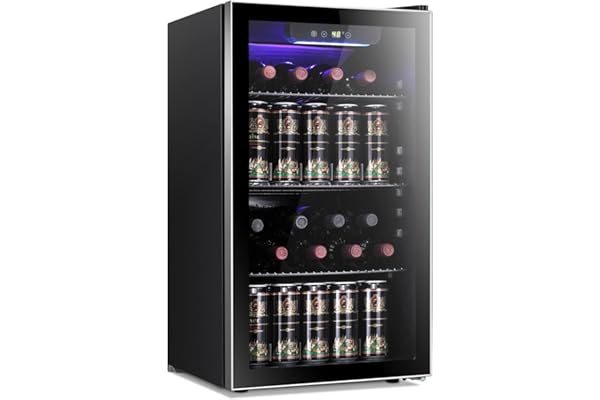
Store Your Vintages Correctly
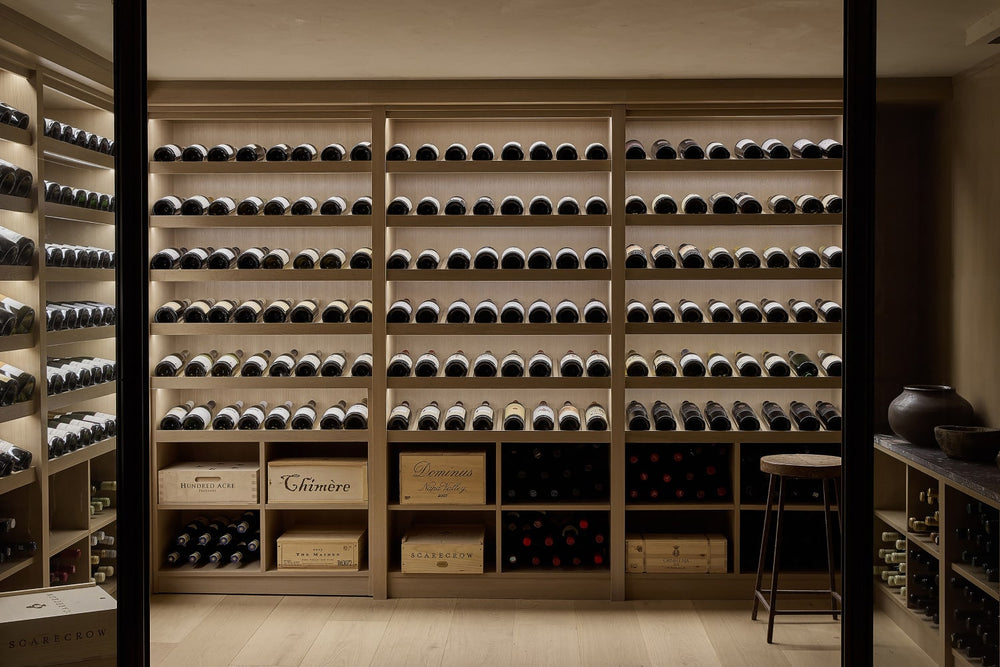
If you are buying Old World wines to age, temperature stability is non-negotiable. This Wine Enthusiast cooler protects delicate vintages for years of optimal development.
Check FridgeFood Pairing Philosophy: Designed for the Table vs. the Sofa
One of the most practically useful distinctions between Old World and New World wines is how each relates to food. This is not merely a matter of taste preference — it reflects the entirely different contexts in which these wines were historically produced and consumed.
Old World: Wine as Accompaniment
Old World wine culture evolved around the table. In France, Italy, and Spain, wine is fundamentally a beverage of the meal — it is poured with food and evaluated in that context. The structural characteristics of Old World wines reflect this purpose: the high acidity of Sangiovese cuts through the fat of Italian red-sauce pasta; the firm tannins of Cabernet Sauvignon cleanse the palate between bites of rare steak; the delicate minerality of a Mosel Riesling complements the subtle sweetness of fresh fish without overwhelming it. Old World wines are often described as “food-aggressive” when tasted on their own — they seem lean, tart, or austere without food to balance them. This is a feature, not a flaw: the wine is designed to be completed by food.
The acidity-focused structure of most Old World red and white wines makes them remarkably versatile food partners. High-acid wines create a sense of freshness and cleanliness on the palate, stimulating salivation and preparing you for each subsequent bite. Low-acid wines can feel heavy and soporific with food, particularly in large quantities.
New World: Wine as Experience
New World wine culture developed in a different social context — one in which wine was less embedded in daily meal culture and more associated with special occasions, wine bars, and standalone tasting. New World wines are consequently engineered to impress on their own, without food: the fruit is more forward and immediate, the sweetness of ripe fruit provides satisfaction without the need for food to balance acidity, and the richness from new oak gives a sense of luxury independent of a meal pairing. These are wines designed to be poured at a party, tasted at a wine shop, or sipped on a sofa — and they deliver their pleasure immediately and accessibly.
The practical consequence: Old World wines are usually better choices for pairing with complex, multi-course meals, and they perform best when food is present. New World wines are more forgiving as standalone drinks but can seem heavy or one-dimensional with food that has its own strong flavors.
Price & Value: Where to Find the Best QPR in Each World
The Old versus New World divide has significant implications for value — some of the world’s best price-to-quality ratio (QPR) wines come from specific Old World regions that are less fashionable than their famous neighbors, while New World regions consistently deliver reliable quality at accessible price points.
| Price Range | Best Old World QPR | Best New World QPR |
|---|---|---|
| Under $15 | Southern Italy (Primitivo, Aglianico), Spanish Garnacha, Portuguese Alentejo reds, southern French Languedoc | Chilean Cabernet Sauvignon, Argentinian Malbec, South African Chenin Blanc |
| $15–$35 | Cru Beaujolais (Morgon, Fleurie), Chablis, Rioja Crianza, Alsace Riesling, Côte du Rhône Villages | Washington State Merlot, Sonoma Pinot Noir, New Zealand Sauvignon Blanc, Central Otago Pinot Noir |
| $35–$80 | Village Burgundy, Barbera d’Asti, Ribera del Duero Reserva, Douro Valley reds, Grüner Veltliner Smaragd | Mid-tier Napa Cabernet, Margaret River Cabernet, premium NZ Pinot Noir, Argentinian Luján de Cuyo Malbec |
| $80+ | Premier Cru Burgundy, classified Bordeaux, Barolo, Brunello, Hermitage, Châteauneuf-du-Pape | Top-tier Napa Cabernet, Penfolds Grange, single-vineyard Barossa Shiraz, premium Central Otago Pinot Noir |
The most reliable QPR strategy in the Old World is to explore the less fashionable neighbors of famous appellations. A village Burgundy from a good producer outperforms many premier crus from mediocre ones at half the price. Côte de Nuits-Villages offers Burgundy character at a fraction of Gevrey-Chambertin prices. Barbaresco offers Nebbiolo complexity at a significant discount to Barolo from equivalent vintages and producers.
Natural, Organic, and Biodynamic Wine: Which World Leads?
The natural wine movement — broadly defined as wines made with minimal intervention in the vineyard and cellar, using organically or biodynamically grown grapes, wild yeasts, and little or no added sulfites — has become one of the defining trends in wine culture over the past two decades. Understanding where this movement originated and where it is thriving illuminates the ongoing evolution of both Old and New World approaches.
Origins in the Old World
The natural wine movement has its philosophical roots firmly in the Old World, particularly in France. Pioneers like Marcel Lapierre in Beaujolais, Nicolas Joly in the Loire, and Josko Gravner in Friuli (Italy) were among the first to articulate and practice minimal-intervention winemaking as a principled response to what they saw as the industrialization of wine production in the 1970s and 1980s. The concept of biodynamic viticulture — treating the vineyard as a self-sustaining ecosystem guided by Rudolf Steiner’s anthroposophical principles — was adopted earliest and most widely in France, Germany, and Austria, where the relationship between vine, soil, and seasonal cycles had centuries of observation behind it.
New World Adoption
New World producers have adopted organic and biodynamic practices at a rapidly accelerating rate, particularly in regions with political and cultural environments that support sustainability. New Zealand leads globally in the percentage of vineyard area certified organic or sustainable — a remarkable achievement for a major wine-producing country. California has seen a significant expansion of organic certified vineyard area. South Africa’s wine industry has developed a comprehensive biodiversity and sustainability certification program that has become a model for environmental accountability in wine production.
The Important Distinctions
Organic wine means the grapes were grown without synthetic pesticides, herbicides, or fertilizers. In the EU, organic wine certification also restricts added sulfite levels. Biodynamic wine goes further, treating the vineyard as a closed ecosystem managed according to a lunar agricultural calendar and using specific preparations derived from herbs and minerals. Natural wine is not a legally defined term but generally implies organic or biodynamic viticulture plus minimal cellar intervention — no commercial yeast, no fining or filtering, no or minimal sulfite addition. These distinctions matter because a wine can be certified organic but produced with significant cellar intervention; conversely, a producer can practice natural winemaking without carrying any certification.
Emerging & “Third World” Regions: Beyond the Binary
The Old World/New World binary is increasingly strained by the existence of significant wine-producing countries that fit comfortably in neither category — regions with ancient winemaking histories that predate Europe’s own, or modern winemaking industries in unexpected locations that are producing genuinely exciting wines.
Georgia: The Original Wine Country
As noted in the history section, Georgia has the strongest claim to being the birthplace of wine. Its indigenous varieties — Rkatsiteli, Saperavi, and dozens of others — are unlike anything in Western Europe’s viticultural tradition. The traditional qvevri method of fermenting and aging wine in underground clay amphorae produces wines of extraordinary complexity and character: amber-colored white wines with tannin structure from extended skin contact, and deep ruby reds of remarkable concentration. Georgian wine has attracted enormous international attention from the natural wine movement, as the qvevri method is arguably the original natural winemaking technique. Georgia is Old World by geography and history but operates outside the mainstream European appellation system entirely.
Lebanon: Ancient Viticulture in a Modern Context
The Bekaa Valley in Lebanon has been producing wine since Phoenician times — it is among the most ancient wine-producing regions on earth. Modern Lebanese wine is led by Château Musar, which produces age-worthy blends from Cinsault, Cabernet Sauvignon, and Carignan that have confounded critics for decades. Despite growing in a hot, sometimes politically volatile region without the benefit of a codified appellation system, Lebanese wines achieve a complexity and character that earns consistent respect from serious wine critics.
China and Japan
China is now one of the world’s largest wine-producing countries by volume and is producing increasingly serious wines in regions like Ningxia, Shandong, and Xinjiang. Chinese producers have attracted international investment and winemaking talent, and wines from the Ningxia region’s cooler high-altitude sites have earned genuine critical recognition. Japan produces small volumes of wine from indigenous varieties like Koshu (a delicate, mineral white) and Muscat Bailey A alongside international varieties. Both countries represent genuinely “new” wine regions in the experiential sense while sitting geographically and historically outside both the Old and New World categories as traditionally defined.
The Court of Master Sommeliers has formally acknowledged that the Old World/New World binary has become less reliable as a blind-tasting tool as global styles converge. Some California producers now make wines that are more “Old World” in character than many modern European wines. The terms remain useful shorthand for communicating general style expectations, but treating them as absolute categorizations leads to false conclusions.
When the Lines Blur: The Convergence of Two Worlds
For all the clarity the Old/New World distinction provides, it is being increasingly challenged by real shifts in both wine style and production philosophy. The lines between the two worlds are blurring in ways that make the binary both more interesting and less predictive than it once was.
New World Producers Going Old World
A significant cohort of New World winemakers — particularly in California, Oregon, and Australia — have consciously turned away from the fruit-forward, heavily oaked style that defined their regions’ global image and adopted techniques borrowed from the Old World: lower alcohol, lower yields, neutral oak, minimal or no fining and filtration, and a deliberate pursuit of restraint over opulence. California producers like Arnot-Roberts, Broc Cellars, and Wind Gap are producing Chardonnays and Pinot Noirs that would not be obviously identified as Californian in a blind tasting. Australian producers in cool-climate regions like Yarra Valley and the Mornington Peninsula produce Pinot Noir and Chardonnay of genuinely Burgundian character.
Old World Producers Embracing Technology
Simultaneously, many Old World producers have adopted New World winemaking technologies and approaches — not to make more “New World” wine but to make more consistent, technically correct wine. Temperature-controlled fermentation tanks, micro-oxygenation, advanced sorting tables, and irrigation for young vine establishment are now found in châteaux and domaines that would once have considered such technology anathema. The boundary between tradition and technology is being renegotiated in every appellation.
Climate Change as the Great Homogenizer
Climate change is the most powerful force blurring the Old/New World stylistic distinction. As European average temperatures rise, Old World wines are becoming riper, higher in alcohol, and lower in the acidity that traditionally distinguished them from their New World counterparts. English wine — technically Old World by geography — is producing sparkling wines that compete directly with Champagne using the same varieties and method. Meanwhile, cooler New World regions are producing wines of remarkable finesse and restraint. The convergence is real and ongoing.
Blind Tasting: How to Spot the Difference in the Glass
Professional sommeliers traditionally used the Old/New World distinction as a primary organizing framework in blind tasting — and while the convergence described above has made this more challenging, the classic markers remain useful starting points. Here is how to approach identifying a wine’s origin from sensory analysis alone.
1. Color & Opacity
Old World reds tend toward lighter, more translucent ruby or garnet. New World reds are often deeper, more opaque purple-red. Warm climate concentrates color pigments. A very deep, inky red is more likely New World or southern Old World.
2. Nose: Fruit Type
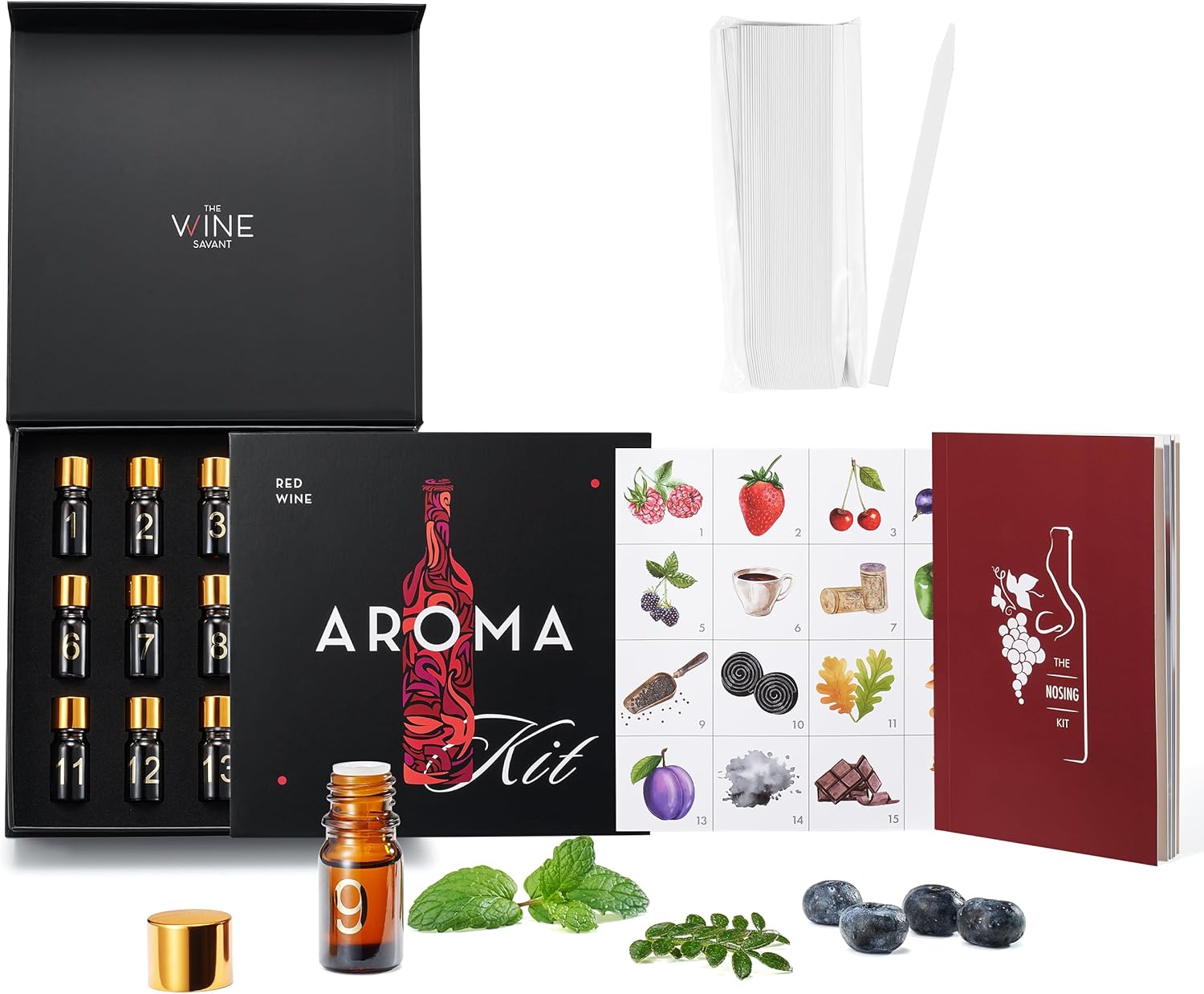
Old World: red fruit (cherry, raspberry, cranberry), earthy notes (mushroom, forest floor, leather), mineral or flint. New World: dark fruit (blackberry, plum, cassis), ripe or jammy characters, vanilla and coconut from new oak.
3. Nose: Secondary Notes
Old World: herbs, smoke, graphite, chalk, barn, dried flowers. New World: vanilla, toasted oak, chocolate, mocha, coconut. The more prominent the oak, the more likely New World origin.
4. Palate: Acidity
High, lively acidity that makes your mouth water strongly suggests Old World or cool climate. Lower, softer acidity with a rounder, creamier texture points to warm climate New World.
5. Palate: Tannin Quality
Old World tannins tend to be drier, more granular, and more structural. New World tannins in warm-climate wines tend to be riper, silkier, and less astringent due to longer hang time on the vine.
6. ABV and Finish
Heat on the finish and a longer, warmer mouthfeel suggests higher alcohol — a New World indicator. Cool, clean finish with bright acidity extending into the aftertaste is characteristic of Old World and cool-climate wines.
The classic blind tasting approach: assess fruit character (red vs dark), acidity level (high vs low), oak influence (evident vs absent), and ABV perception (warm vs cool finish). High acidity + red fruit + no oak = likely Old World. Dark fruit + low acidity + oak + warmth = likely New World. Apply with appropriate skepticism — the exceptions are many.
Climate Change: Redrawing the Map
Climate change is the most consequential challenge currently facing the global wine industry, and its impact is profoundly reshaping the Old/New World relationship — in some cases threatening centuries-old regional identities, in others creating entirely new possibilities.
The Old World Under Pressure
Rising temperatures are changing the character of European wine at an accelerating rate. Average harvest dates in Burgundy have advanced by approximately three weeks compared to records from four decades ago — an extraordinary compression of the growing season that is producing riper, higher-alcohol wines with less of the freshness that defined the region’s identity. Regions like Burgundy, Alsace, and Champagne are beginning to consider the official addition of heat-tolerant varieties to their appellation permitted grape lists — a radical departure from regulations that have defined regional identity for over a century. The Champagne region officially expanded its permitted varietals to include more heat-tolerant options in recent years precisely in response to this challenge.
New Frontiers for Viticulture
The warming trend is simultaneously opening new viticultural possibilities at higher latitudes and elevations. England, Scandinavia, and parts of Canada that were too cold for viticulture a generation ago are now producing commercially viable wine. England’s sparkling wine industry is the most dramatic example — the same chalk soils that underlie the Champagne region extend beneath the English Channel into the North and South Downs, and rising temperatures now allow consistent ripening of Chardonnay, Pinot Noir, and Pinot Meunier that Champagne producers recognized as potential rivals for their own variety. Several major Champagne houses have purchased vineyard land in England in anticipation of continued warming. Higher-elevation sites in existing regions — the upper slopes of Napa Mountain, high-altitude vineyards in the Andes, new alpine plantings in the Italian Alps — are gaining value as lower-elevation sites become too hot.
The New World’s Adaptation
New World regions are not immune to climate change impacts. The Barossa Valley has experienced catastrophic vineyard fires that destroyed old-vine Shiraz plantings. Drought stress in coastal California is threatening the economic viability of some appellations. However, the New World’s comparative flexibility — fewer regulations, more freedom to move to higher elevations or cooler coastal areas, and a shorter tradition of fixed regional identity — may give it greater adaptive capacity than the more regulated Old World in navigating the decades ahead.
Frequently Asked Questions
No — it is fundamentally a matter of style preference. If you prefer savory, earthy, and food-oriented wines with restrained fruit and high acidity, Old World styles will resonate with you. If you prefer bold, immediately fruity, and rich wines that are enjoyable on their own, New World styles will suit you better. Neither world holds a monopoly on quality — the finest wines produced in each are among the most complex and age-worthy in existence.
Primarily due to cooler climate. Less heat during the growing season means grapes accumulate less sugar, and since alcohol is produced by yeast converting sugar, less sugar results in lower alcohol. European regulations in many appellations also set maximum alcohol levels. However, this is changing — rising temperatures in Europe are producing Old World wines at increasingly high alcohol levels, blurring the traditional distinction.
Absolutely. While many New World wines are made for immediate consumption, high-quality Napa Cabernet Sauvignon can age for 20–30 years. Penfolds Grange — Australia’s most celebrated wine — is specifically designed for multi-decade cellaring. Top New Zealand Pinot Noir and South African Chenin Blanc also age beautifully. The key difference is that New World wines typically have a broader and more accessible drinking window — they are enjoyable young but also reward patience — while the finest Old World wines often require significant aging to reach their best.
Old vine wines — from vines typically over 50 years old — exist in both Old and New World contexts and genuinely blur the stylistic division. Old Vine Zinfandel from California’s Lodi and Sonoma regions, Grenache from Châteauneuf-du-Pape’s centenarian vines, and old-vine Carignan from Languedoc all produce wines of concentrated complexity that resembles Old World depth despite being produced in warm climates. Old vines produce fewer berries but each berry has more concentrated flavor — creating a natural quality amplification regardless of which world the vine grows in.
Because in the Old World, the geographic origin is considered more informative than the grape variety. If you know that all Chablis is Chardonnay, that all Barolo is Nebbiolo, and that all Sancerre is Sauvignon Blanc, the appellation name already communicates the grape. The system works perfectly for those who know it, but is notoriously impenetrable for newcomers — which is precisely why New World labels adopted the varietal-first approach to attract consumers unfamiliar with European geography.
Chaptalization is the addition of sugar to grape must (juice) before fermentation to increase the final wine’s alcohol level. It compensates for insufficient natural sugar in cool years when grapes fail to ripen fully. It is permitted and regulated in cool European regions including Burgundy, Champagne, Alsace, Bordeaux (in challenging years), and Germany. It is banned in warm European regions (southern Italy, most of Spain) where natural sugar is sufficient and in the New World, where acidification — not chaptalization — is the relevant correction tool.
For serious Old World purchases — particularly Burgundy, Bordeaux, and Barolo — a vintage chart is a genuinely useful reference. Weather variation is significant enough in these regions that the same producer’s wine can differ dramatically in quality between a poor and a great year. For most everyday Old World wines under $30, vintage variation is less critical. For New World wines, vintage charts are rarely necessary — consistent climate produces consistent quality across most years from reliable producers.
Natural wine is a movement that has roots in the Old World — primarily France and Italy — but has been enthusiastically adopted globally. The key Old World natural wine regions are the Loire Valley, Beaujolais, Alsace, Jura, and Friuli. New World producers in California, Oregon, Australia, and New Zealand are also producing natural wines in significant volumes. The natural wine movement is perhaps the one context in which the Old/New World divide is most consistently transcended — producers from both worlds share philosophical commitments to minimal intervention and terroir expression that create more stylistic common ground than the geographic categories would suggest.
The Court of Master Sommeliers did announce that these terms would carry less weight as deterministic blind-tasting markers, reflecting the growing convergence between the worlds described in this guide. The terms remain useful as general style descriptors and educational shorthand, but the professional wine community increasingly recognizes their limitations as predictive categories. A more nuanced approach — assessing climate (cool vs warm), tradition (terroir-focused vs varietal-focused), and winemaking philosophy — provides more reliable guidance than the geographic binary alone.