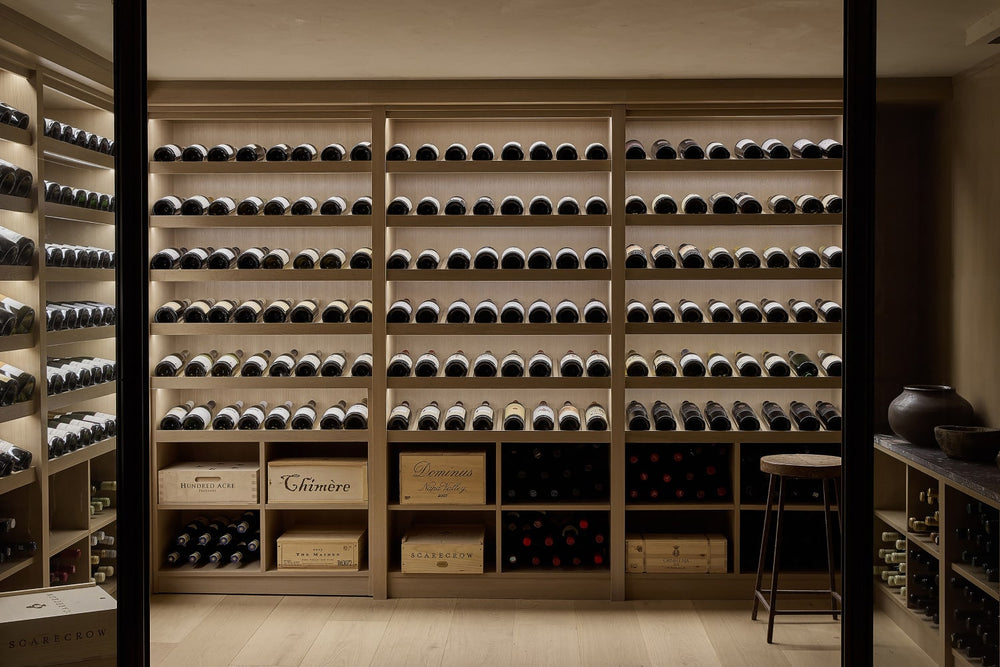
The Ultimate Guide to Modular Wine Racks: Grow Your Collection with Style
It happens to every wine lover. It starts with one or two nice bottles on the kitchen counter. Then you join one of the best wine subscription boxes, and suddenly you have six new arrivals every month. You find a great deal on a case of your favorite Cabernet, one of the best affordable wines. Before you know it, that small collection has become a jumble of bottles in a cabinet, under the bed, or in a closet. As someone who’s personally faced this delightful dilemma, I discovered the perfect solution: the modular wine rack system. It’s the ultimate, future-proof answer for the evolving wine collector.
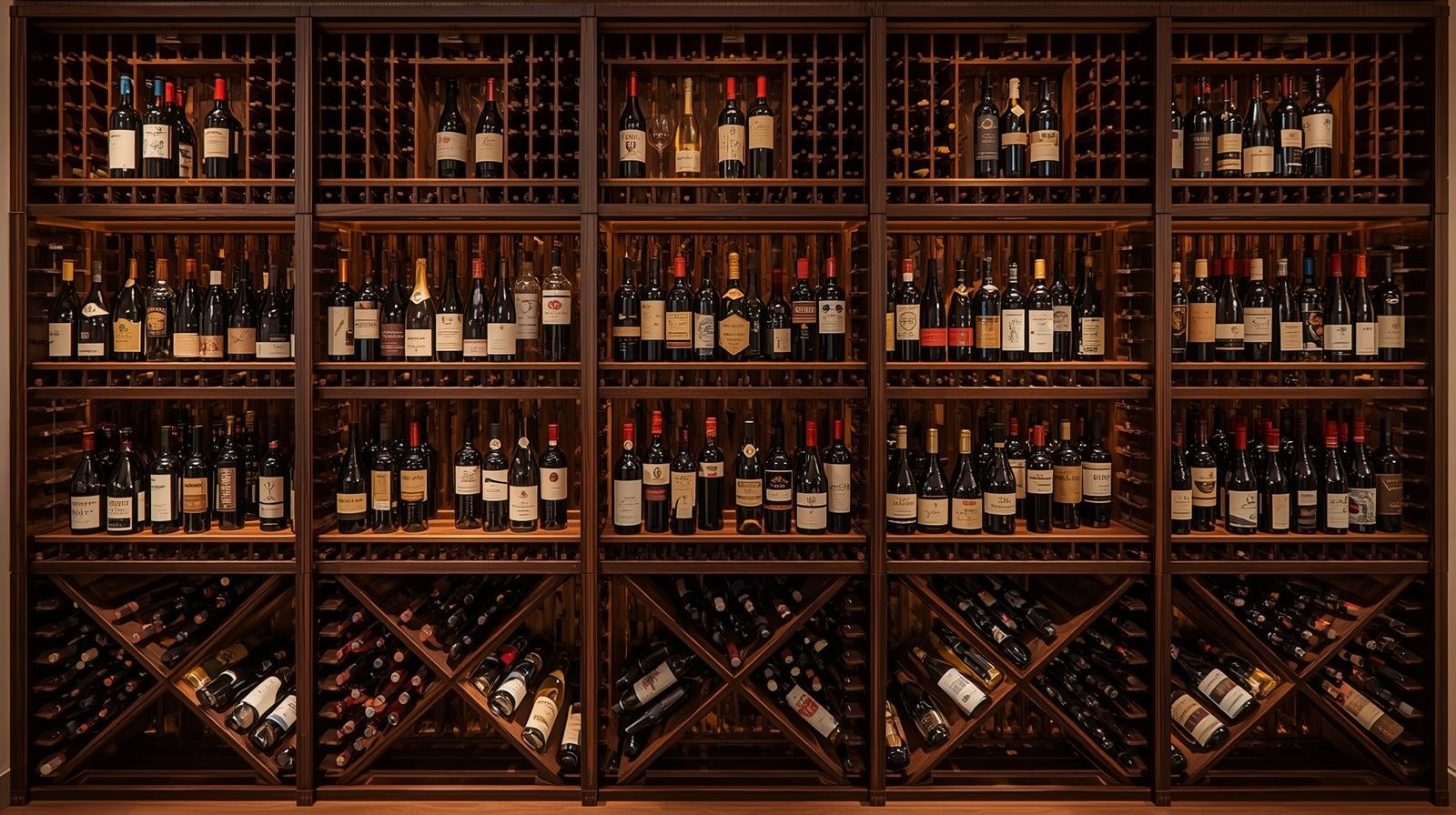
This isn’t just another article about wine storage. This is your definitive guide to understanding, choosing, and building the perfect modular wine rack system for your home, no matter how big or small your space or collection. We’ll explore materials, styles, top-rated products, assembly tips, room-by-room installation ideas, and the insider knowledge you need to transform your scattered bottles into an organized, impressive display that grows with you, one bottle at a time.
Affiliate Disclosure: This post contains affiliate links from Amazon. If you make a purchase through these links, we may earn a small commission at no extra cost to you. This helps support our mission to bring you the best wine advice. We only recommend products we genuinely believe in and that we’ve thoroughly researched for you. Cheers!
What Is a Modular Wine Rack, Anyway?
At its core, a modular wine rack is a storage system built from individual components or “modules” that can be connected, stacked, or arranged in a multitude of configurations. Think of it like LEGOs for wine lovers. Unlike a traditional, fixed-size wine rack that holds a specific number of bottles (say, 24), a modular system is designed for flexibility and expansion.
You can start with a small setup for 12 bottles, and as your collection grows, you can purchase additional modules to expand it to 24, 48, 100, or even more—all while maintaining a cohesive, intentional look. This approach completely changes the game when it comes to how to store wine at home, offering a solution that is both practical and deeply personalized.
The beauty of a modular system is its adaptability. Have a narrow vertical space? Stack your modules high. Got an awkward nook under the stairs? Arrange them to fit the space perfectly. This is a fundamental concept for anyone looking to create a proper storage environment, especially if you’re exploring how to store wine without a wine fridge, as it allows you to utilize the coolest, darkest parts of your home regardless of their shape.
Core Benefits of a Modular System
If you’re wondering whether a modular rack is right for you, here are the key advantages that set them apart from traditional, one-piece racks:
- Scalability: The most significant benefit. Your rack grows with your collection, so you never have to buy a whole new system as your passion deepens.
- Customization: Fit your rack to your unique space—tall and narrow, short and wide, L-shaped, or stepped. The possibilities are nearly endless.
- Portability: Moving houses? A modular rack can be disassembled and reconfigured in your new home, protecting your investment entirely.
- Budget-Friendly: You can start small with a minimal investment and add more modules as your budget and collection allow.
- Cohesive Aesthetic: Unlike mixing and matching different racks over time, a modular system maintains a unified, intentional look even as it grows.
Modular vs. Fixed Wine Racks: Which Is Right for You?
The decision between a modular and a fixed wine rack is not trivial—it shapes how your entire collection is organized, displayed, and expanded for years to come. Both have their place, and the right choice depends entirely on where you are in your wine journey and what you want from your storage solution.
The Case for Fixed Wine Racks
A fixed wine rack is a single-piece unit designed to hold a specific number of bottles in a predetermined configuration. A 12-bottle countertop rack, a 32-bottle floor-standing unit, a wall-mounted lattice panel—these are all fixed racks. They are simpler to assemble (often just taken out of the box), generally less expensive per-unit, and can be extraordinarily beautiful as standalone pieces. For a collector with a small, stable collection who has no intention of growing beyond a certain size, a fixed rack is perfectly appropriate. A stunning hand-forged wrought iron rack holding 18 bottles on a kitchen sideboard is a design statement that a modular system might not replicate.
The core weakness of fixed racks is obvious: they don’t grow. Buy a 24-bottle rack and fill it, and you’re left with overflow bottles that don’t match the rack, stacked awkwardly in corners. This is the scenario most growing collectors eventually face, and it’s the scenario that modular systems solve elegantly.
The Case for Modular Wine Racks
A modular system is the smarter long-term investment for any collector whose appetite for wine shows no signs of slowing down. The initial per-module cost can be slightly higher than equivalent fixed racks, but the ability to expand—without replacing anything you’ve already bought—makes the lifetime cost far lower. It also offers something fixed racks simply cannot: the ability to adapt to a new home. Moving to a larger house? Add modules. Downsizing? Remove them. The system adapts to your life, not the other way around.
| Factor | Modular Rack | Fixed Rack |
|---|---|---|
| Expandability | ✅ Unlimited — add modules as needed | ❌ Fixed capacity forever |
| Initial Cost | Moderate to high | Low to moderate |
| Long-Term Value | ✅ High — grows with collection | Limited once outgrown |
| Aesthetic Cohesion | ✅ Unified as it grows | Can become inconsistent if mixed |
| Portability | ✅ Fully disassembles for moving | Some are portable, large ones are not |
| Assembly Required | Yes — more complex initially | Often minimal or none |
| Best For | Growing collectors, serious enthusiasts | Small, stable collections; decorative use |
A Buyer’s Guide: How to Choose the Perfect Modular Wine Rack
Choosing the right modular system can feel overwhelming with all the options available. Let’s break it down into the most important considerations: Material, Style, and Capacity Planning. Getting these right is key to building a storage solution you’ll love for years.

1. Material Matters: Wood vs. Metal vs. Plastic
The material of your wine rack impacts its durability, aesthetic, and price. There’s no single “best” material; the right choice depends on your needs, your environment, and your personal style.
Wood: The Classic Choice
Wood is the traditional material for wine cellars and for good reason. It’s strong, attractive, and has a timeless appeal. Different woods offer different benefits:
- Pine: An affordable and popular choice. Lightweight yet sturdy enough for most collections. Unfinished pine can be stained or painted to match your decor, offering great customization. The most common choice for entry-level modular cellar kits.
- Redwood: A premium option known for its natural resistance to humidity and rot, making it ideal for basements or more humid environments. It has a beautiful, rich color that deepens over time and is the traditional material for serious home cellars.
- Mahogany: Another high-end choice, prized for its exceptional durability, strength, and stunning grain. A true furniture-grade wood for a showpiece collection.
- Bamboo: An increasingly popular sustainable alternative. Bamboo is harder than most hardwoods (despite being technically a grass), naturally moisture-resistant, and has a clean, contemporary look. It’s also more eco-friendly than harvested hardwoods.
Best for: Wine lovers who want a classic, warm aesthetic. Wood is the foundation of many dream wine cellar essentials.
Wood Pros
- Classic, warm, timeless aesthetic
- Can be stained, painted, or finished
- Range of price points (pine to mahogany)
- Natural material appropriate for wine environments
- Widely available in modular cellar systems
Wood Cons
- Can warp in very humid environments (softwoods)
- Heavier than plastic alternatives
- Premium woods (redwood, mahogany) are expensive
- Requires occasional cleaning and maintenance
Metal: Sleek and Modern
Metal racks offer a contemporary, often minimalist look. They are incredibly durable and can be designed to be very space-efficient.
- Wrought Iron / Steel: Extremely strong and durable. Metal racks often have a more open design, which is great for airflow. Perfect for a modern kitchen, pantry, or climate-controlled cellar. Powder-coated finishes in matte black, brushed gold, or oil-rubbed bronze create a high-design look.
- Stainless Steel: The most premium metal option. Rust-proof, easy to clean, and radiates a modern industrial sophistication. Common in commercial settings and contemporary home bars.
- Wall-Mounted Pegs: A hyper-modern style where individual metal pegs are drilled into a wall to hold bottles horizontally, creating a “floating” look. Highly customizable in density and arrangement but requires a more permanent installation.
Metal Pros
- Extremely durable — virtually indestructible
- Space-efficient, open designs
- Contemporary, modern aesthetic
- Won’t warp in humid environments
- Range of finishes available
Metal Cons
- Cold, industrial feel may not suit all decor
- Can be heavy once assembled
- Less traditional for wine cellaring
- Some finishes can scratch over time
Plastic & Acrylic: The Practical Solution
Don’t discount plastic. Modern high-density plastics and clear acrylics offer unique advantages that wood and metal simply can’t match in certain scenarios.
- Acrylic: Creates a stunning, ultra-modern “floating” look, making the bottles themselves the centerpiece. Surprisingly strong and won’t scratch bottles. The transparency creates a dramatic visual effect, especially with backlighting.
- ABS Plastic: Often used in interlocking cube or honeycomb designs. Lightweight, easy to clean, completely impervious to moisture, and often the most budget-friendly option for starting a collection.
- High-Density Polyethylene (HDPE): Used in some commercial-grade plastic rack systems for cool rooms and commercial cellars. Extremely durable, moisture-proof, and designed for heavy use.
| Material | Pros | Cons | Best For |
|---|---|---|---|
| Pine | Affordable, customizable (stainable), classic look | Softer wood, can dent; may warp in very humid spaces | DIY enthusiasts, classic decor, home cellar kits |
| Redwood | Humidity/rot resistant, beautiful color, durable | More expensive; harder to find in modular kits | Basements, serious long-term collectors |
| Bamboo | Sustainable, hard, moisture-resistant, modern look | Less traditional; limited cellar-style options | Eco-conscious collectors, contemporary spaces |
| Metal (Steel/Iron) | Very durable, space-efficient, modern aesthetic | Can be heavy, less traditional; cold feel | Modern homes, industrial style, home bars |
| Plastic/Acrylic | Budget-friendly, lightweight, moisture-proof | Less premium appearance; acrylic can scratch | Beginners, damp environments, pantry/cabinet use |
2. Style & Design: Finding Your Form
Beyond material, the form factor of the modular system is key. Where and how will you display your wine? Your answer to this question should drive your style decision more than any other factor.
- Stackable Cubes/Boxes: The most versatile format. Use one on a countertop, stack two in a pantry, or create an entire wall of them. They often interlock for stability and represent the purest expression of the modular philosophy—a system that can grow in any direction.
- Interlocking Cradle Racks: Individual cradles or frames that clip or slide together, allowing you to build the rack out both vertically and horizontally. These are common in both wood and metal versions and create the classic “diamond” or “square” wine rack look.
- Floor-to-Ceiling Cellar Kits: For the serious collector, these kits come with vertical posts and horizontal bottle supports that can be configured to fill an entire wall. They create the look of a custom-built cellar at a fraction of the cost and are the gold standard for dedicated wine rooms.
- Wall-Mounted Systems: Perfect for saving floor space. These range from modern metal peg systems to wooden lattice racks that expand across a wall. Wall-mounted systems require more permanent installation but create a stunning, gallery-like display.
- Honeycomb / Geometric: Individual hexagonal or other geometric units that can be arranged in creative patterns. These are more decorative than functional-storage-focused and are best for smaller collections displayed as a design centerpiece.
3. Capacity & Planning: Measure Twice, Build Once
Before you click “buy,” take a moment to plan. This step is the most critical and the most commonly skipped—and skipping it leads to expensive mistakes.
Do a quick inventory of your current collection. Count every bottle, including those in bags, under the bed, or scattered around the kitchen.
Be honest. Do you buy a few bottles a month? A case every quarter? Plan for at least 50% more space than you currently need.
Get a tape measure. Note the height, width, and depth of your target space. Note baseboards, light switches, and door swings.
Most racks fit standard 750ml Bordeaux-style bottles. If you collect Burgundy, Champagne, or magnums, verify the rack’s slot dimensions accommodate wider bottles.
Is the space cool, dark, and stable? A modular rack placed in the wrong environment won’t protect your wine. Read our guide on how to store wine at home first.
Choose a modular system whose expansion modules you can actually afford over time. Check current prices for add-on modules before committing to a brand.
Room-by-Room Guide: Where to Place Your Modular Wine Rack
The storage location is every bit as important as the rack itself. A beautifully built modular system in the wrong spot will fail to protect your wine. Here is how to think about each room in your home as a potential wine rack location, and the specific design and configuration considerations for each.
The Basement: The Ideal Home
As any serious collector will tell you, the basement is the gold standard for passive wine storage—naturally cool, dark, and temperature-stable. A modular rack in a basement can be as large and ambitious as you like, unconstrained by the aesthetic requirements of a living space. Floor-to-ceiling cellar kit systems are perfectly at home here, potentially covering an entire wall. The key considerations for a basement installation are moisture (use redwood, metal, or moisture-resistant plastic in a very humid basement rather than softwood pine, which can warp) and organization (since the space isn’t on display, a labeling system for your bottles becomes especially important).
The Dedicated Wine Room or Pantry
If you have a spare room, a large walk-in pantry, or a closet you’re willing to dedicate to wine, you have the opportunity to build something truly special. A floor-to-ceiling modular cellar system in a dedicated, temperature-controlled room is the closest a home collector can get to a professional wine cellar without a massive renovation budget. In these spaces, the modular system can include not just bottle storage but display shelving for special bottles, countertop space for opening and decanting, and accessory storage for glasses, a Coravin, or other tools. Think of it as building your own mini wine cellar—one module at a time.
The Dining Room: Display and Function Combined
A dining room wine rack serves a dual purpose: storage and display. Here, the aesthetic of the rack is as important as its function. Choose a system whose material and finish complement your existing furniture—a rich mahogany or walnut-toned modular system alongside a traditional dining set, or a sleek metal and glass configuration in a modern dining room. The placement should be on an interior wall (away from exterior walls that experience temperature fluctuations) and away from direct sunlight from windows. A stackable cube system that grows along a dining room wall—perhaps four modules wide and three high—creates a beautiful built-in appearance without the cost of actual built-in cabinetry.
The Kitchen: Accessibility with Care
The kitchen is the most convenient location for a wine rack from a day-to-day drinking perspective, but it is the most challenging environment for wine preservation. Heat from cooking, constant light, and vibrations from appliances are all potential threats. A modular rack in the kitchen makes the most sense for “current drinking” bottles—wines you plan to open within the next week or two. For these short-term storage needs, a small, attractive modular system (two to three stacked cubes, a compact hexagonal arrangement on a countertop) on a shaded, cool section of counter or in a pantry adjacent to the kitchen can work very well. Never store wine near the stove, oven, dishwasher, or a window. A kitchen rack with more than 12–18 bottles suggests you’re storing wines longer than is wise in that environment.
The Living Room or Home Bar: The Showpiece Installation
A living room or home bar modular rack is as much a design element as a storage solution. Here, the visual impact of the system is paramount. Wall-mounted modular systems create a stunning gallery wall of wine. A floor-standing modular system can serve as a room divider between a living and dining area. Honeycomb or geometric modular configurations make a striking focal point on a feature wall. For a home bar specifically, a modular system that incorporates both horizontal bottle storage and upright display slots (for open bottles and decanters) creates a fully functional and visually impressive installation. The environmental concern in a living room is heat from lighting and proximity to fireplaces—ensure your rack is positioned away from both.
Under the Stairs: The Hidden Cellar
The space under a staircase is one of the most underutilized areas in any home and one of the best natural wine storage environments available. It’s dark, relatively cool, protected from direct sunlight, and in most homes goes to waste as a dumping ground for miscellaneous items. A modular cellar kit system configured to fit the triangular or rectangular footprint under your stairs—with taller modules at the high end and smaller ones where the ceiling slopes down—can transform this dead space into a genuinely impressive home cellar. This type of installation typically requires some measuring and planning to determine the right module configuration, but the result is a dramatic, built-in look that adds both beauty and genuine value to your home.
Know Your Bottles: Rack Compatibility by Wine Type
One of the most frequently overlooked aspects of buying a wine rack—modular or otherwise—is whether it will actually accommodate your bottles. Wine bottles come in a surprising range of shapes and sizes, and not all racks are designed to hold all of them. Here is what you need to know before you buy.
Standard Bordeaux Bottle (750ml)
The standard Bordeaux bottle—straight sides, high shoulders, approximately 2.9–3.1 inches (7.4–7.9 cm) in diameter at the widest point—is the reference size for virtually all wine racks. If a rack listing simply says “holds 750ml bottles,” it is designed for this format. The vast majority of red wines from California, Spain, and Italy, as well as most white wines globally, come in Bordeaux-style bottles. If your collection is dominated by these, virtually any rack on the market will work for you.
Burgundy / Pinot Noir Bottle
Burgundy bottles have sloping shoulders and a wider, more rounded body—typically 3.1–3.3 inches (7.9–8.4 cm) in diameter. They are used for Burgundy, Champagne (base bottle, not the actual Champagne format), and many Pinot Noir and Chardonnay producers worldwide who want to signal a Burgundian style. These bottles are slightly wider than Bordeaux bottles and can be a tight fit in racks designed for the narrower format. Check the slot diameter of any rack before purchasing if your collection includes significant Burgundy.
Champagne & Sparkling Wine Bottles
Champagne bottles are significantly heavier and wider than standard still wine bottles—approximately 3.5 inches (8.9 cm) in diameter—due to the thick glass required to withstand the pressure of carbonation. Many standard wine racks will not accommodate Champagne bottles at all. If you collect Champagne, Cava, or Prosecco and want to rack it, verify that the rack explicitly states Champagne bottle compatibility, or check that the slot diameter is at least 3.7 inches (9.4 cm) to provide comfortable clearance.
Magnum Bottles (1.5L)
A magnum holds 1.5 liters and is approximately 4.4 inches (11.2 cm) in diameter—significantly larger than a standard bottle. Very few standard wine racks accommodate magnums. If you buy and cellar magnums (a great practice, as wine ages more slowly in larger formats, producing more complex results), look for racks that specifically offer magnum-compatible slots or diamond-bin sections that can hold them lying on their side.
Half Bottles (375ml)
Half bottles are approximately 2.2 inches (5.6 cm) in diameter—significantly narrower than standard bottles. Most standard wine rack slots are too wide for half bottles, and they will not sit securely in a standard cradle. Some modular systems offer dedicated half-bottle slots, or you can use cardboard inserts to stabilize smaller bottles in standard slots. Half bottles are especially useful for dessert wines, Port, and other fortified wines where you may only want a small pour at a time.
~3.0″ diameter. Fits all standard racks. Most common format worldwide.
~3.2″ diameter. Slightly wider — verify slot size before buying.
~3.5″ diameter. Needs racks rated for Champagne specifically.
~4.4″ diameter. Requires magnum-compatible slots or diamond bins.
~2.2″ diameter. Too narrow for standard slots — needs inserts or dedicated slots.
3L and above. Requires custom shelving or dedicated large-format storage.
How to Organize Your Modular Wine Rack: Systems That Actually Work
Building the rack is only the first step. Organizing your collection within it—so you can find any bottle quickly, track aging progress, and avoid opening the wrong wine by mistake—is the second, equally important step. Here are the organizational systems that professional sommeliers and serious collectors use.
By Wine Type and Color
The simplest and most intuitive system: designate sections of your rack for reds, whites, rosés, and sparkling wines. Within each section, you can subdivide by region (Burgundy, Napa, Tuscany) or grape variety (Cabernet, Pinot Noir, Chardonnay). This system makes intuitive sense when you’re standing in front of the rack looking for something specific—you know immediately which quadrant to search. This works best for collections under 50–75 bottles where everything fits in a single rack configuration.
By Drinking Window: Drink Now vs. Cellar
For collectors who age wines, organizing by intended drinking window is arguably more practical than organizing by type. Designate the most accessible section of your rack (eye level, easiest to reach) for wines meant to be consumed within the next three to six months. The lower, harder-to-access sections are reserved for wines aging for years. This arrangement acts as a constant visual reminder of what needs to be drunk soon versus what should be left alone—reducing the risk of opening an aging wine before its time, or worse, forgetting about a wine until it’s past its peak.
By Acquisition Date / FIFO
For everyday drinking wines where all bottles are essentially interchangeable, a first-in-first-out (FIFO) system works beautifully. Load new bottles in from one end or the top of a section and pull drinking bottles from the other end or bottom. This ensures older stock is always consumed before newer arrivals, preventing any individual bottle from languishing forgotten at the back of the rack for an unexpectedly long time.
The Physical Catalog: Tags, Apps, and Spreadsheets
For collections of more than 30–40 bottles, a physical organizational system alone is insufficient. You need a catalog. The options range from simple to sophisticated: a handwritten card on each column of the rack noting what’s there; adhesive bottle tags that slip over the neck of each bottle with notes; a spreadsheet (columns for Wine Name, Vintage, Region, Quantity, Location in Rack, Drink By Window, Purchase Price, and Tasting Notes); or a dedicated wine management app. Several excellent apps exist—Vivino, CellarTracker, and Delectable among them—that allow you to scan bottle barcodes and automatically populate wine information, track inventory, log tasting notes, and even receive alerts when a wine is entering its drinking window. For any collection with more than 50 bottles, an app is not a luxury—it is essential.
Location Coding
For larger modular systems where bottles are stored across multiple columns and rows, a grid-reference system helps you locate specific bottles instantly. Label each vertical column (A, B, C…) and each horizontal row (1, 2, 3…). A bottle stored in position C-4 is in column C, row 4. Record this grid position in your catalog. When you want to find a specific bottle, the catalog tells you exactly where it is without needing to read every label in the rack. This sounds overly systematic, but once your collection exceeds 60–80 bottles in a modular system, you’ll be grateful for it.
The Environment Inside Your Rack: Making Sure Your Rack Actually Protects Your Wine
A beautiful modular rack means nothing if the environment it sits in is wrong. The rack is the vessel; the environment is the life-support system. Here is how to ensure your modular rack is placed in conditions that actively protect your wine, not just hold it.
Temperature: The Non-Negotiable Factor
The single most important environmental factor for wine storage is temperature. The ideal passive cellar temperature is around 55°F (13°C). For short-to-medium-term storage (up to two years), anything consistently between 50–65°F (10–18°C) is acceptable. The keyword is “consistently”—a space that holds at 60°F year-round is vastly superior to one that fluctuates between 50°F and 70°F with the seasons. Before placing your newly assembled modular rack in any space, measure the actual temperature using a digital thermometer over a minimum of 48 hours. Your perception of “cool” is rarely accurate enough for wine storage decisions. For more on this, see our comprehensive guide to how to store wine without a wine fridge.
Light Protection: Why Dark Matters
UV light degrades wine by breaking down the organic compounds responsible for its color, aroma, and flavor—a process called light strike. Colored glass bottles provide some protection, but it’s far from complete, and prolonged direct sunlight exposure will damage wine through even dark glass. Your rack should ideally be placed in a space that receives no direct sunlight. If your rack is in a room with windows, position it against an interior wall where it receives no direct sun, or store bottles in their cardboard shipping cartons when racked (a technique used in many commercial cellars). For a rack in a basement or dedicated wine room, a simple door or curtain provides complete light protection at minimal cost.
Vibration Control
Vibration agitates wine, accelerates chemical reactions, and prevents sediment from settling in older wines—all detrimental to quality over time. When siting your modular rack, avoid: placement directly on or against a wall shared with a washing machine or dryer; proximity to a home theater subwoofer; placement near a busy road with significant traffic vibration; and placement on a floor directly above a furnace or HVAC unit. The vibration-safest locations in any home are basements (isolated from ground-floor appliances and street noise) and interior closets. Place a small vibration-dampening mat (dense foam or rubber) under the base of a floor-standing rack to reduce any vibration transmitted through the floor.
Humidity: The Overlooked Guardian of Cork Integrity
The ideal relative humidity for a wine storage space is 60–70%. This keeps natural corks moist and elastic, maintaining a proper seal against oxygen ingress. Too dry (below 50%), and corks slowly desiccate and lose their seal. Too wet (above 80%), and mold may develop on corks and labels. Most basements naturally fall within the ideal range. For interior closets in dry climates, a small bowl of water placed near (not under) the rack can increase ambient humidity marginally. A digital hygrometer—like the Govee unit referenced in our wine storage guide—is the only accurate way to know whether your storage environment meets this criterion.
Top Modular Wine Rack Systems on Amazon: Our Expert Picks
We’ve researched dozens of options to find the best modular systems that offer a great balance of quality, flexibility, and value. Here are our top picks for every type of collector.
 Best Overall
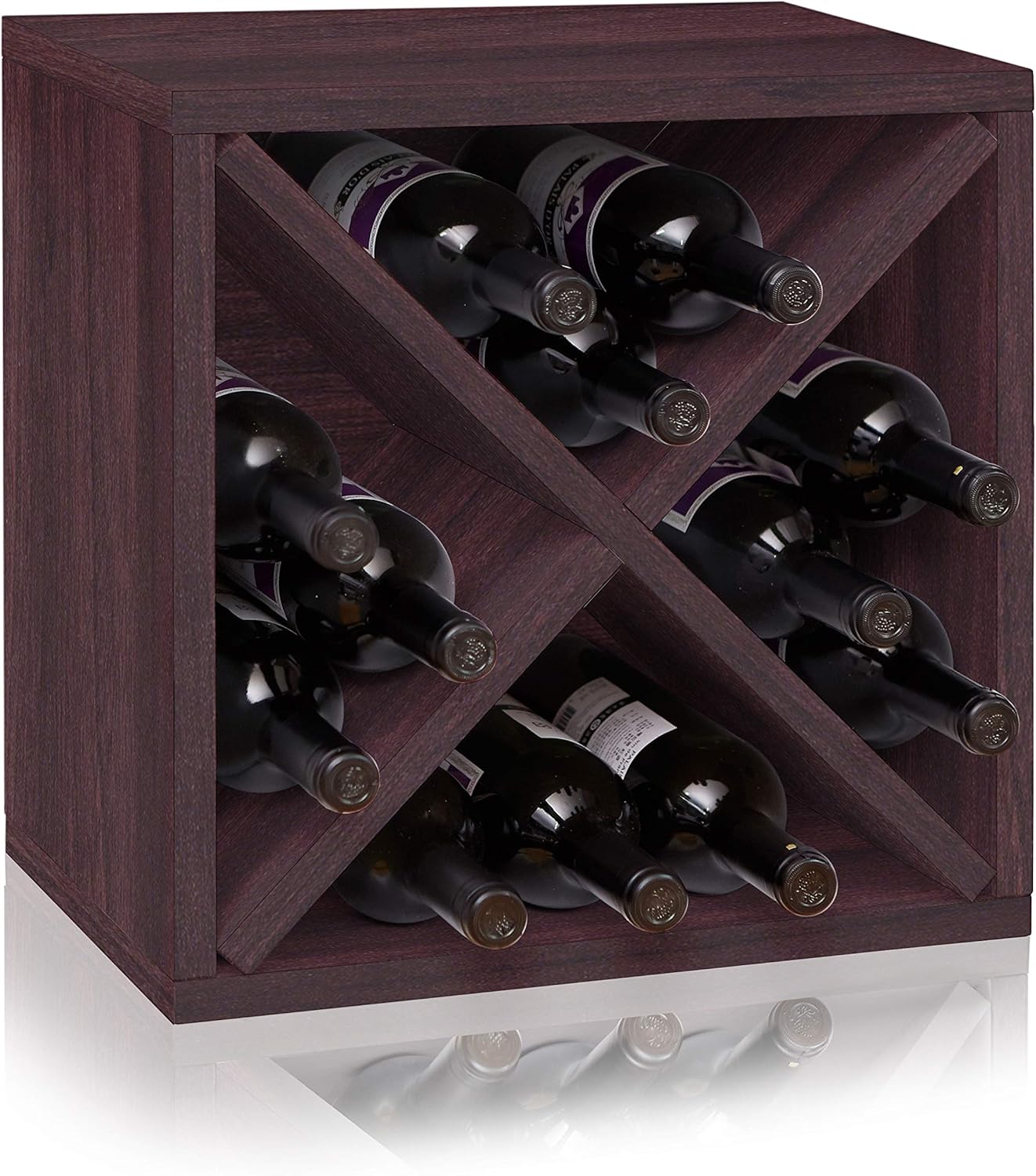
Stackable Modular Wine Rack by Way Basics (Eco-Friendly zBoard)
The definition of modular. These cube-based units are made from strong, eco-friendly recycled paperboard that is moisture-resistant. Tool-free assembly and stackable in any configuration. Start with 12 bottles and expand infinitely.
Check Price on Amazon Best for Serious Collectors
Wine Racks America Pine 4 Column Kit
Built in the USA from premium pine, this kit is the real deal for building a true home cellar. Designed to expand with more columns, archways, and diamond bins over time to create a fully custom cellar wall.
Check Price on Amazon Best Modern Design
Sorbus Freestanding Geometric Wine Rack
This geometric honeycomb rack is a work of art. Each hexagonal unit holds one bottle and can be stacked or arranged to create a striking visual centerpiece. Perfect for design-conscious collectors with 20–30 bottles displayed as a feature.
Check Price on Amazon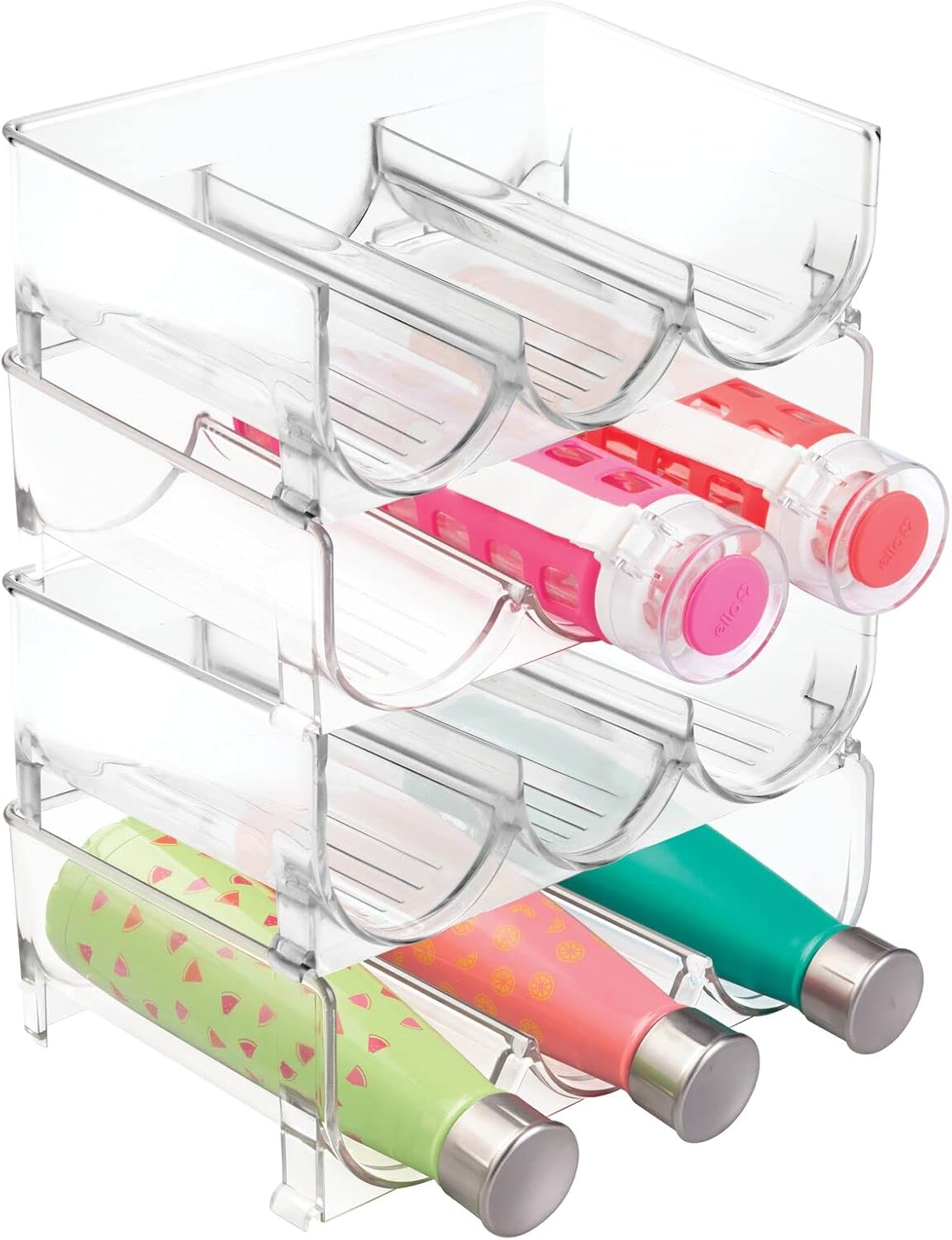 Best Budget Pick
mDesign Plastic Stackable Wine Holders
For a purely functional, clean, and affordable solution. Designed for use inside pantries, cabinets, or refrigerators. Stackable and impervious to moisture—perfect for organizing a small space on a tight budget.
Check Price on AmazonLabeling, Tracking, and Managing Your Modular Rack Collection
The organizational principles covered earlier need practical tools to implement. Here are the specific methods for labeling, tracking, and managing a modular wine rack collection at different scales.
For 12–36 Bottles: The Simple Card System
At this scale, a purely physical system is entirely manageable. Purchase a set of small adhesive label holders (the kind used on office filing systems) and attach one to the front edge of each row or section of your rack. Inside each holder, place a hand-written card noting the wine name, region, vintage, and number of bottles in that slot. When you remove a bottle, update the card. This takes about 30 minutes to set up initially and requires no technology. It is the method used in many small restaurant wine cellars and works beautifully for collections in this size range.
For 36–100 Bottles: The Spreadsheet Approach
Once your collection crosses 36 bottles, a physical card system becomes cumbersome to maintain. A simple spreadsheet (Google Sheets or Excel, accessible on any device) with the following columns covers everything you need: Wine Name | Producer | Vintage | Grape / Region | Quantity | Rack Location (e.g., A-3) | Purchase Price | Drink From | Drink By | Tasting Notes. Sort by Drink By date to always know what needs to be opened soonest. This system scales easily as your collection grows and can be accessed from your phone while standing in a wine shop considering a purchase.
For 100+ Bottles: The App Ecosystem
For a collection of 100 bottles or more, a dedicated wine management app becomes essential. The leading options are CellarTracker (the most powerful, community-driven, and free basic tier), Vivino (the most social and discovery-focused), and Delectable (the most elegant UI). CellarTracker in particular allows you to log every bottle by scanning its barcode, automatically populate producer and vintage information from a community database of millions of wines, record your location coding (A-3, B-7, etc.), track the wine’s drinking window based on professional critic scores, and receive email alerts when a wine is entering or leaving its peak. For serious collectors, CellarTracker is indispensable—and free for the core features.
Assembly & Installation: Tips for a Perfect Build
Your new rack has arrived. Before you tear into the packaging, take a few minutes to prepare. A well-organized assembly process takes half the time and produces a far more stable, attractive result than an impatient one.
Pre-Assembly Checklist
- Read the entire instruction manual before starting (5 minutes now saves 30 minutes of backtracking)
- Clear a large, flat, level area on the floor for assembly — ideally with some carpet or a blanket to prevent scratching
- Lay out all components and count them against the parts list to verify everything is present before you start
- Gather tools: rubber mallet, Phillips screwdriver, Allen key (usually included), tape measure, and a spirit level
- Have two people available for larger systems — many racks require a second person for alignment and stability during assembly
- Read the Instructions First: I know, I know. But seriously—take five minutes to read through the entire manual before you start. It can save you from having to disassemble and restart.
- Use a Rubber Mallet: For wooden racks that use dowels and pins, a rubber mallet is your best friend. It allows you to tap pieces together securely without denting or damaging the wood.
- Build on a Level Surface: Assemble your rack on a flat, level floor. This ensures it will be square and stable once it’s finished.
- Don’t Fully Tighten Screws Immediately: If using screws, keep them slightly loose until all the pieces are connected. Then go back and tighten everything down uniformly. This gives you wiggle room for alignment.
- Check for Level Before Loading: Once assembled, place a spirit level on the top of the rack before adding any bottles. Adjust the feet (if adjustable) or place shims under legs until the rack is perfectly level. A rack that is even slightly off-level will cause bottles to roll and place uneven stress on the structure over time.
- Anchor to a Wall — Non-Negotiable: This is the most critical safety step. Any rack that is taller than 36 inches (roughly waist height) must be anchored to a wall stud to prevent tipping. Most kits include a basic safety strap. Use it. A falling wine rack is a catastrophic event—both financially and physically. If your rack didn’t include anchors, purchase appropriate wall anchors from a hardware store before loading a single bottle.
- Load From the Bottom: When placing bottles in your newly assembled rack, always load from the bottom rows upward. This keeps the center of gravity low during loading, reducing the risk of tipping before all anchor points are secured.
Once built and loaded, you’ll have the perfect home for your wine, whether it’s a collection of delicate organic and natural wines or robust Cabernet Sauvignons that you’ll eventually enjoy with the best wine glasses for red wine.
Maintaining Your Modular Wine Rack: Keeping It Beautiful for Years
A quality modular wine rack is a long-term investment. With proper maintenance, a well-made wood or metal system can last decades. Here is how to keep yours looking and performing its best over the years.
Cleaning Wood Racks
Wood wine racks should be cleaned gently with a slightly damp cloth rather than any liquid cleaners, which can warp unfinished wood or damage a stained finish. For stubborn marks or wine spills, a small amount of mild dish soap diluted in water applied with a soft cloth is safe for most finished wood surfaces—just dry immediately with a clean towel to prevent water absorption. Never use abrasive scrubbers, bleach-based cleaners, or furniture polish sprays on wine racks, as these can leave residues that may eventually contact your wine bottles. For redwood racks in humid basement environments, an occasional light sanding and re-application of a food-safe mineral oil can protect the wood and preserve its rich color.
Cleaning Metal Racks
Metal racks are the easiest to clean. A damp cloth removes most dust and residue. For powder-coated metal racks, avoid abrasive cleaners that can scratch the coating and expose the bare metal underneath to potential rust. For stainless steel racks, a stainless steel cleaner applied with the grain of the metal removes fingerprints and watermarks beautifully. If a non-stainless metal rack develops surface rust (rare with quality products but possible in high-humidity basements), a small amount of naval jelly can dissolve rust before it spreads, followed by a touch-up with rust-preventing paint.
Tightening and Structural Checks
Twice a year—perhaps when the seasons change—take five minutes to physically check your rack for stability. Push gently on the top of the rack to check for any wobble that suggests loosened connections. Check that all visible screws, bolts, and connectors are snug. For wooden peg-and-hole systems, check that no pegs have worked themselves loose—loose pegs in a fully loaded rack can cause a section to fail unexpectedly. Verify that the wall anchor is still secure and the wall stud is holding firm. This routine check takes very little time and can prevent a catastrophic failure of a loaded rack.
When to Expand vs. When to Replace
One of the great advantages of a modular system is that you rarely need to replace it—you simply expand. However, know the signals that suggest it’s time for a different approach. If your current system is a cheap plastic or paperboard entry-level rack that has been fully loaded for more than a year and shows signs of stress (bowing shelves, cracking joints), it’s time to invest in a higher-quality system. If you’ve outgrown not just your rack but your storage space, the solution is finding a new location (or investing in a wine fridge) rather than crowding a perfectly good rack into an unsuitable environment. And if your collection has evolved—perhaps you’re now collecting large-format bottles or Champagne that your current rack doesn’t accommodate—adding a compatible supplementary section rather than modifying a non-compatible system is always the better approach.
Frequently Asked Questions (FAQ)
Are modular wine racks sturdy enough for a large collection?
Absolutely, provided you choose a quality system and assemble it correctly. High-end wood and metal systems are designed to hold hundreds of pounds. The key is proper assembly and, for any tall configuration, anchoring the unit to a wall stud for anti-tip safety. A 100-bottle wine rack filled with full bottles weighs approximately 250–300 lbs — the wall anchor is a genuine safety necessity, not an optional precaution.
Do I need tools to assemble a modular rack?
It depends on the system. Some, like the Way Basics cubes, are designed to be completely tool-free. Most wooden kits will require a rubber mallet and possibly a Phillips head screwdriver. Metal systems might require a small wrench or Allen key, which is usually included in the package. Budget approximately 30–90 minutes for assembly depending on the size and complexity of the system.
Can I mix and match modules from different brands?
Generally, no. Most modular systems use proprietary connectors and have slightly different dimensions between modules. Mixing brands can result in misaligned connections, structural instability, and an aesthetically inconsistent look. It’s best to commit to one brand and system to ensure a secure, cohesive expansion as your collection grows.
How much space should I leave around the wine rack?
Leave at least 1–2 inches of space at the back and sides of the rack for air circulation. Good airflow helps maintain a consistent temperature around all bottles. If the rack is in a closet or built into a nook, ensure there is some gap at the top as well to allow any heat to dissipate. A completely sealed, airtight enclosure around a wine rack can lead to temperature stratification — warmer at the top, cooler at the bottom — which is undesirable for consistent storage.
My rack holds standard bottles but I collect Champagne — what do I do?
You have three options. First, check whether your current modular system offers Champagne-compatible expansion modules or insert panels — many do. Second, designate a diamond-bin section of your rack for Champagne, where the open diamond shape can accommodate wider bottles lying on their side. Third, store Champagne separately in its original cardboard shipping cases in the same storage space — Champagne ages beautifully in its original packaging, and this may be the most practical solution for a small collection of sparkling wines.
How do I know if my modular system is in the right environment for wine?
Invest in a digital thermometer/hygrometer and monitor your storage space for a full 48–72 hours before loading any bottles. You’re looking for a consistent temperature between 50–65°F and relative humidity between 55–75%. If your temperature swings more than 10°F over a 24-hour period, the space is not suitable for storing wines you plan to keep for more than a few months. Our guide to how to store wine at home covers this environmental assessment in detail.
What if I don’t know the first thing about wine terms?
No problem at all! Building a collection is a journey. As you learn more, our wine glossary for beginners is a helpful companion to understand terms like “tannins,” “body,” “vintage,” and “finish.” And for understanding which wines to actually put in your beautiful new rack, explore our list of the best affordable wines for excellent starting points at accessible price points.
Is a modular wine rack a good gift idea?
One of the best. A quality modular rack communicates genuine thoughtfulness—it’s practical, beautiful, and shows you take the recipient’s passion seriously. It makes an excellent housewarming gift, birthday gift, or milestone gift for any wine enthusiast. For more curated ideas, see our full guide to wine gift ideas for her, which includes racks alongside other wine accessories.
Conclusion: The Smart Solution for Every Collector
A wine collection is a living, evolving thing. It reflects your travels, celebrations, and discoveries. The way you store it should be just as dynamic. A modular wine rack system is more than just furniture; it’s a long-term investment in your passion. It frees you from the constraints of a fixed-size rack and provides a scalable, customizable, and often beautiful solution that adapts to your life—not the other way around.
By choosing the right material (wood for warmth and tradition, metal for modernity and durability, plastic for practicality and moisture resistance), the right style for your space and decor, the right bottle-compatibility for your specific collection, and by placing it in a genuinely appropriate storage environment, you build something that protects your wine, celebrates your journey as a collector, and grows with you indefinitely.
The organizational systems in this guide—from simple card labels to grid-reference spreadsheets and dedicated apps—ensure you always know what you have, where it is, and when to open it. The assembly and maintenance tips ensure your system remains safe, stable, and beautiful for years to come. And when the time comes to open that perfectly cellared bottle, use the right equipment: the best wine glasses for red wine, a quality decanter from our guide to the best wine decanters, and a trusted reference if any terms on the label leave you puzzled—our wine glossary for beginners has you covered.
So go ahead, embrace the flexibility, and start building the wine rack of your dreams—one module at a time. Cheers!