The 5 Best Wine Glasses for Red Wine: An Expert’s Guide to Elevating Every Sip
Welcome, fellow wine lover. If you’ve ever found yourself wondering if the shape of your glass really makes a difference to the taste of your favorite Cabernet Sauvignon or Pinot Noir, you’ve come to the right place. The short answer is: yes, it absolutely does. A great bottle of red wine deserves to be experienced in its full glory, and the right glass is not a luxury—it’s an essential tool that unlocks the wine’s hidden potential.
I’m not just a writer; I’m a passionate oenophile with over a decade of experience in tasting, cellaring, and serving wine. I’ve swirled and sipped from hundreds of glasses, from humble, thick-rimmed bistro tumblers to delicate, hand-blown crystal masterpieces. This comprehensive guide is the culmination of countless hours of research, hands-on testing, and conversations with sommeliers and winemakers. My goal is to demystify the world of red wine glassware and help you find the perfect vessel to elevate your drinking experience, whether you’re enjoying a weeknight Merlot or celebrating a milestone with a premium Bordeaux blend.
The Science of the Sip: How Glass Geometry Transforms Taste
To truly appreciate why a specialized glass matters, we need to move beyond aesthetics and into the realm of physics and physiology. The design of a wine glass is a sophisticated delivery system engineered to manage three key elements: aroma concentration, proper aeration, and precise trajectory control.
Expert Insight: The Olfactory Advantage
“Up to 85% of what we perceive as ‘taste’ is actually smell,” explains Dr. Clara Jensen, a sensory scientist specializing in beverage flavor perception. “The primary role of a wine glass is to become an aroma concentrator. The large bowl allows volatile aromatic compounds—the esters, aldehydes, and terpenes that create scents of fruit, flower, and earth—to evaporate from the wine’s surface. The tapered rim then captures these molecules, creating a dense bouquet right under your nose. A wide-mouthed tumbler lets these precious aromas escape into the room, leaving you with a muted, one-dimensional experience.”
Aeration & Tannin Management: For bold reds high in tannins (the polyphenols that create a drying, grippy sensation), oxygen is a crucial softener. When you swirl wine in a large-bowled glass, you dramatically increase the surface area interacting with air. This gentle oxidation begins to polymerize the tannins, softening their harsh edges and allowing the wine’s fruit and complexity to emerge. This is why a young, aggressive Cabernet can taste noticeably smoother and more approachable after twenty minutes in the right glass compared to a narrow one.
The Pour Trajectory: The shape of the rim dictates where the wine first lands on your tongue. A glass with a slightly rolled or rounded rim will deposit wine across a broader area, potentially emphasizing sweetness and fruit characteristics. A glass with a laser-cut, ultra-thin rim allows a more focused, laminar flow that can direct the wine to the center or sides of the tongue, highlighting acidity or tannin structure first. This subtle manipulation influences your brain’s initial flavor interpretation and sets the tone for the entire tasting experience.
The Evolution of the Wine Glass: From Goblet to Geometric Precision
The journey to modern varietal-specific stems is a fascinating one spanning centuries. Ancient Romans used simple clay cups for their wines, prioritizing function over form. Medieval goblets were heavy and ceremonial, designed to show wealth and status rather than enhance the wine’s sensory characteristics. The classic “balloon” glass emerged in the 18th century as glassmaking technology improved, but it was the 20th-century work of the Riedel family that revolutionized the entire industry. In the 1950s, Claus Josef Riedel proposed that different grape varieties performed best in uniquely shaped glasses, launching an era of functional design that transformed how wine drinkers experienced their beverages. Today, companies like Zalto and Gabriel-Glas refine this philosophy with fluid dynamics and advanced material science, creating tools that are as precise as they are beautiful.
Why the Right Glass is Your Wine’s Best Friend
Before we dive into the top picks, let’s address the fundamental “why.” Why can’t you just use any old glass or tumbler? The answer lies in the intricate dance between wine and air, aroma and palate, and how these elements interact with the specially designed vessel. A well-designed red wine glass is a precision instrument engineered to do three things exceptionally well:
- Concentrate Aromas: The large bowl allows for vigorous swirling, which agitates the wine and releases its volatile aromatic compounds. The tapered rim then captures and funnels these complex scents—from blackberry and cherry to leather and tobacco—directly to your nose. Since our sense of taste is overwhelmingly influenced by our sense of smell, this is the single most important function of a wine glass for the sensory experience.
- Promote Proper Aeration: Red wines, especially bold, tannic varieties, need to “breathe” and develop over time. The wide surface area created by a large bowl exposes more of the wine to oxygen. This interaction softens the tannins (the compounds that create a drying sensation in your mouth), smooths out the texture, and allows the fruit flavors to become more expressive and integrated. If you want to take this a step further, consider exploring the best wine decanters to really open up a young, powerful red.
- Direct Wine to the Palate: The shape of the rim can influence where the wine first lands on your tongue, subtly affecting your perception of its flavor profile. A wider opening might spread the wine across the palate, while a narrower one can direct it to specific taste receptors, each highlighting different aspects of the wine’s structure—acidity, sweetness, and tannins.
“A wine glass is not just a container; it’s a conduit for the story the winemaker wants to tell. The right glass translates that story with clarity and precision, revealing nuances that might otherwise remain hidden.”
Key Components of a Red Wine Glass Explained
Understanding the anatomy of a glass helps you appreciate its design and functionality. Each part plays a crucial role in the overall tasting experience:
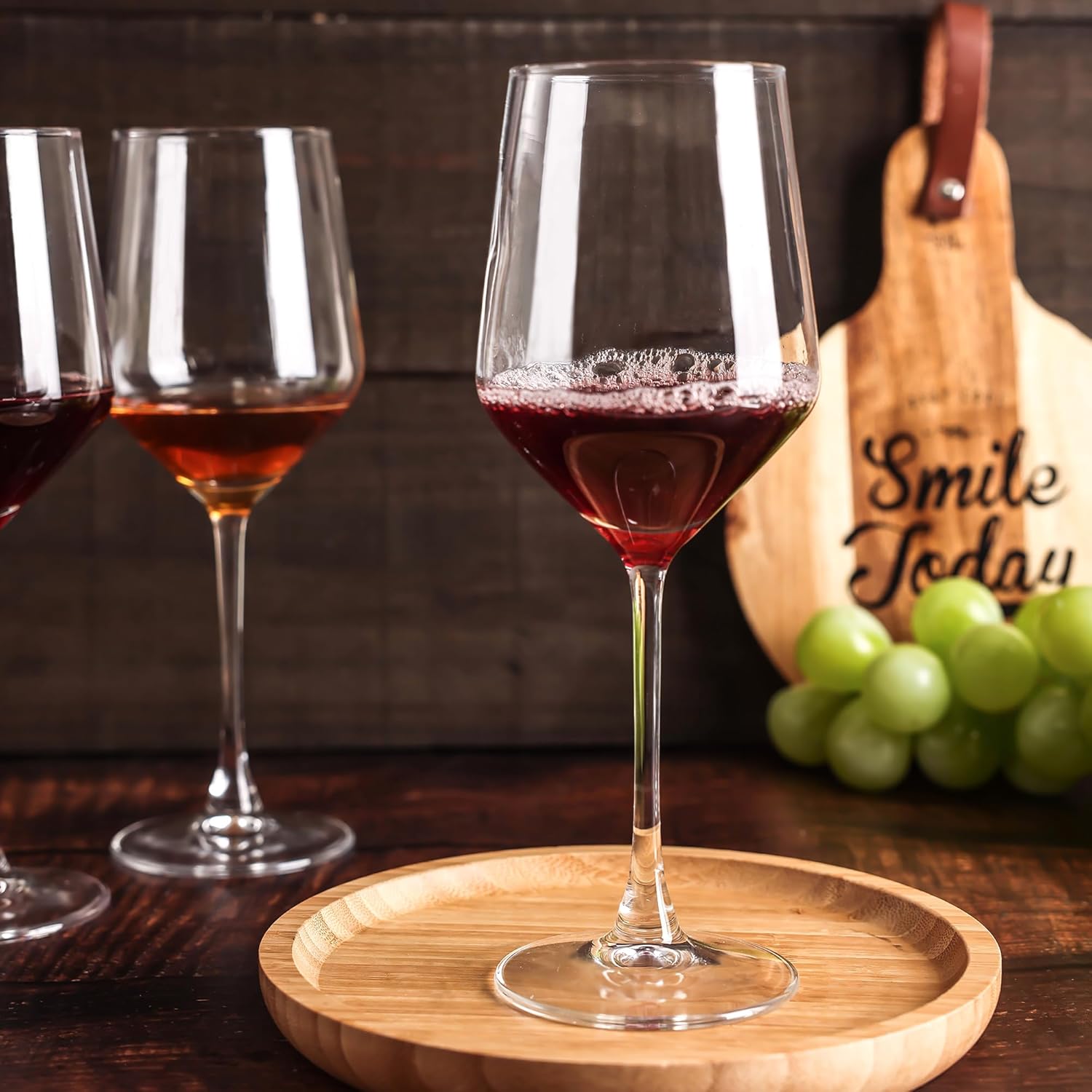
- The Bowl: The most important part for red wine appreciation. Its large, round shape is designed for vigorous swirling and optimal aeration. The bowl’s capacity and curve directly impact how much the wine can interact with oxygen and how effectively aromas are concentrated.
- The Stem: This isn’t just for looks or elegance. Holding the glass by the stem prevents your hand from warming the wine and leaving smudges on the bowl, which would obscure your view of the wine’s color, clarity, and viscosity. A good stem should be long enough to allow a comfortable grip without affecting the wine’s temperature.
- The Foot: The base that provides stability and prevents tipping. While simple in appearance, it’s engineered to have the right weight distribution so the glass won’t topple easily on a dining table or when set down forcefully.
- The Rim: The edge of the glass is critical. An ultra-thin, laser-cut rim allows the wine to flow smoothly onto your palate without any distracting “lip” from the glass itself. A thick rim can interfere with the wine’s delivery and distract from the tasting experience.
The Ultimate Red Wine Glass Comparison Guide
Use this detailed table to cut through the noise and see exactly how our top picks stack up across the criteria that matter most. This isn’t just about capacity and price—it’s about matching the glass’s personality to your wine style, entertaining needs, and lifestyle. Whether you’re a casual sipper or a dedicated collector, understanding these distinctions will help you make an informed decision.
| Glass Model | Primary Wine Style | Key Design Philosophy | Durability & Care | Ideal User Profile |
|---|---|---|---|---|
| Zalto Denk’Art Bordeaux | Full-bodied, structured reds (Cabernet, Bordeaux, Syrah) | Maximum aroma concentration and precision pour through ultra-thin, hand-blown crystal. A “disappearing” vessel that lets the wine shine. | Very delicate. Hand-wash only. For special occasions and prized bottles. | The Connoisseur who seeks the absolute peak experience for top-tier wines and is willing to invest in quality. |
| Riedel Performance Cabernet | Bold, fruit-forward reds (Cabernet, Merlot, Zinfandel) | Enhanced aeration via “Optic Impact” ridges. A scientific approach to softening tannins quickly and revealing fruit-forward characteristics. | Durable machine-made crystal. Dishwasher safe. Built for regular use without worry. | The Enthusiast who wants lab-grade performance with everyday practicality and durability. |
| Gabriel-Glas Stand’Art | Universal (excels at Pinot, Nebbiolo, aromatic whites) | “One glass for all wines.” A bouquet-driven conical shape that prioritizes aromatic delivery above all else. | Surprisingly durable for its feel. Dishwasher safe. The minimalist’s dream for simplicity. | The Versatile Drinker or space-saver who enjoys a wide variety of wines without multiple glasses. |
| Schott Zwiesel Pure Burgundy | Delicate, aromatic reds (Pinot Noir, Gamay, Nebbiolo) | Extreme bowl width to maximize surface area and release shy, nuanced aromatics that are easily missed in other glasses. | Extremely durable Tritan crystal. Dishwasher safe. Restaurant-grade toughness for frequent use. | The Pinot Noir Devotee or anyone who values durability in a specialty glass. |
| Libbey Signature Kentfield | Everyday reds, casual entertaining, budget-conscious choices | Classic, reliable shape offering excellent clarity and value. No-fuss functionality for all occasions. | Very durable glass. Dishwasher safe. The workhorse that can take a beating. | The Value-Focused Host or everyday drinker seeking a massive upgrade from basic glasses. |
1. Zalto Denk’Art Bordeaux Glass: Best Overall (The Connoisseur’s Choice)

The Feather-Light Masterpiece for Serious Red Wine Drinkers
Let me be clear from the start: the Zalto Denk’Art Bordeaux glass is an investment in your wine experience. It’s the glass you’ll find in Michelin-starred restaurants and the cellars of serious collectors worldwide. The moment you pick it up, you understand why it commands such respect. It feels almost impossibly light, an ethereal, wafer-thin vessel that seems to disappear in your hand, leaving only you and the wine to communicate directly.
Hand-blown in Austria from premium lead-free crystal, its angular, modern design is as much a piece of functional art as it is a practical tool. The bowl is wide and expansive, tapering to a sharp, precise rim that allows the wine to deliver itself onto your palate with laser-like focus. When you pour a Bordeaux blend, a Napa Cabernet, a classic Merlot, or even a robust Syrah into this glass, the transformation is immediate and profound. I poured a acclaimed Cabernet into the Zalto and compared it with a standard glass. The difference was night and day. The Zalto amplified every nuance: the dark cassis, the graphite minerality, the subtle hint of cedar and spice. The aromas were more focused, more intense, and more complex than in the standard glass. On the palate, the wine felt silkier, the tannins more resolved and integrated. It’s a testament to how a perfectly engineered shape can elevate a wine to its absolute peak performance.
Yes, the price is steep compared to other options, and their fragility is legendary among wine enthusiasts (hand-washing is absolutely non-negotiable). But if you are passionate about wine and want to experience your best bottles in the most revealing way possible, the Zalto Denk’Art is, without question, the pinnacle of modern wine glassware. It’s a splurge, but one that pays dividends with every single sip you take.
| Attribute | Details |
|---|---|
| Type | Bordeaux, Full-Bodied Red Wine Glass |
| Material | Hand-Blown Premium Lead-Free Crystal |
| Capacity | 23 ounces (765 ml) |
| Dishwasher Safe? | Yes, but hand-washing is strongly recommended |
| Best For | Bordeaux blends, Cabernet Sauvignon, Merlot, Malbec, Syrah, full-bodied reds |
| Price Range | Premium investment piece |
| Origin | Austria |
Pros
- Unparalleled lightness and balance in hand
- Dramatically enhances the aroma and flavor of full-bodied reds
- Stunning, modern aesthetic that displays beautifully
- Hand-blown precision craftsmanship from Austrian artisans
- Ultra-thin rim provides optimal wine delivery
- Ideal for showcasing premium and aged wines
Cons
- Very expensive investment compared to alternatives
- Extremely delicate and prone to breakage with rough handling
- Requires careful hand-washing and storage
- Not ideal for large gatherings or casual entertaining
2. Riedel Performance Cabernet/Merlot Glass: Best for Durability and Performance

The Workhorse Glass with a Unique Optical Impact Technology
Riedel is a titan in the world of wine glassware, and for good reason. For generations, they have pioneered the concept of varietal-specific stemware that enhances the drinking experience. The Performance series represents a fascinating evolution of this proven philosophy. What sets these glasses apart is the proprietary “optic impact”—a subtle ripple effect within the bowl’s interior. Riedel claims this increases the inner surface area, allowing the wine to open up more fully with every swirl. Is it a gimmick? I was initially skeptical, but after extensive use and testing, I’m a convert to the technology.
These machine-made crystal glasses are significantly more robust than the Zaltos, offering a perfect blend of elegance and everyday usability that appeals to most wine drinkers. They have a satisfying weight without feeling clunky or cheap, and the fine rim still delivers the wine beautifully to your palate. I tested these with an excellent Chilean Carménère and other moderately priced reds. The optic impact really did seem to create more agitation when swirled, releasing a bouquet of red pepper, black plum, and vanilla more quickly than in a standard glass. The bowl shape is classic for Cabernet-style wines, providing ample room for aeration while the taper captures the nuanced aromatics effectively.
Perhaps the biggest selling point is their renowned durability and everyday usability. These glasses are dishwasher safe and can withstand the rigors of regular use without the constant fear of a costly accident destroying your investment. For the enthusiast who wants a high-performance glass that doesn’t require kid gloves or white-glove treatment, the Riedel Performance is an outstanding choice. It offers about eighty-five percent of the sensory enhancement of a top-tier hand-blown glass at a fraction of the price and with ten times the peace of mind. It’s a brilliant intersection of science, design, and practicality that appeals to wine lovers of all experience levels.
| Attribute | Details |
|---|---|
| Type | Cabernet/Merlot (Bordeaux Style) |
| Material | Machine-Made Crystal with Optic Impact Technology |
| Capacity | 28.5 ounces (844 ml) |
| Dishwasher Safe? | Yes, highly durable for regular cleaning |
| Best For | Cabernet Sauvignon, Merlot, Bordeaux Blends, Carménère |
| Price Range | Mid-range investment |
| Origin | Austria |
Pros
- Unique optic impact technology enhances aeration and flavor release
- Excellent durability and dishwasher safe for everyday use
- Great value proposition for a high-performance glass
- Classic, proven shape from a reputable heritage brand
- Suitable for both casual and more formal entertaining
- Backed by generations of wine glass engineering
Cons
- Lacks the refined feel and weight of hand-blown crystal
- Very large size may not fit in all standard dishwasher racks
- Not as elegant as premium hand-blown alternatives
3. Gabriel-Glas “Stand’Art” Universal Glass: Best All-in-One Option

One Glass to Rule Them All: The Ultimate Versatile Choice
The concept of a “universal” glass can be controversial among wine purists, but the Gabriel-Glas Stand’Art makes a compelling and scientifically-sound case for its approach. Designed by renowned Swiss wine critic René Gabriel, this glass was created to be the one and only glass you need, performing exceptionally well with red wines, white wines, sparkling wines, and dessert wines. For those who value minimalism, simplicity, or have limited cabinet space in their homes, this is genuinely a game-changer that simplifies life without sacrificing quality.
The design is a masterclass in functional elegance and versatility. It features a broad base that gently curves up into an elegant conical shape, a “bouquet-driven” design intended to concentrate aromas from all wine types. It’s machine-molded from premium lead-free crystal in Austria and strikes a beautiful balance between durability and delicacy. It feels lighter and more refined than the Riedel Performance, but sturdier and more durable than the Zalto, making it ideal for those seeking a middle ground.
I put its universal claim to rigorous testing across multiple wine types. First, a delicate, earthy Pinot Noir from Oregon. The broad base allowed for gentle swirling, and the conical shape perfectly funneled the subtle notes of cherry, forest floor, and mushroom directly to my nose. Next, a bold Australian Shiraz with powerful fruit and spice characteristics. The glass handled the power surprisingly well, taming the alcohol vapors while still showcasing the rich blackberry and spice notes effectively. While it might not outperform a dedicated Burgundy glass for Pinot Noir or a dedicated Bordeaux glass for Cabernet, it performs at an incredibly high level across the board. It’s the perfect solution for those who enjoy a wide variety of wines and don’t want to invest in a full suite of varietal-specific stems. It is also an amazing gift for wine lovers in your life who appreciate quality without complexity.
| Attribute | Details |
|---|---|
| Type | Universal for All Wine Styles |
| Material | Machine-Made Premium Lead-Free Crystal |
| Capacity | 16 ounces (510 ml) |
| Dishwasher Safe? | Yes, completely dishwasher safe |
| Best For | Literally everything, especially good for Pinot Noir, Nebbiolo, and aromatic white wines |
| Price Range | Mid-range affordable option |
| Origin | Austria |
Pros
- Incredibly versatile; one glass for all wines you’ll ever drink
- Elegant and functional design that looks beautiful on any table
- Lightweight yet durable for daily and special occasion use
- Excellent value and massive space-saver for smaller homes
- Suitable for casual gatherings and formal dining
- Excellent gift option for wine lovers of all levels
Cons
- May not provide the absolute peak experience for specific varietals compared to dedicated glasses
- Smaller capacity than some prefer for red wines
Pairing in Practice: A Varietal-Specific Deep Dive
Choosing a wine glass isn’t just about “red wine” as a category. The subtleties of each grape variety demand specific considerations and glass styles. Understanding these distinctions will dramatically improve your tasting experience. Here’s how to match your glass to the wine in your bottle for optimal enjoyment.
For Cabernet Sauvignon & Bordeaux Blends: These wines are powerful, deeply structured, and typically high in tannins. They need a glass like the Zalto Bordeaux or Riedel Performance Cabernet. The tall, broad bowl provides the surface area needed to soften those grippy tannins through vigorous aeration, while the shape directs the wine to the back of the palate, emphasizing the rich, dark fruit characteristics and minimizing the perception of green bitterness that can sometimes lurk in young Cabernets.
For Pinot Noir & Nebbiolo: The kings of finesse and delicate aromatics. Their aromas are notoriously delicate, complex, and easily lost if not properly concentrated. The Schott Zwiesel Pure Burgundy glass is a revelation here. Its exaggerated width maximizes the evaporative surface, acting like a diffuser to lift those subtle scents of cherry, rose, truffle, and damp earth right to your nose with precision. The Gabriel-Glas also performs wonderfully with these varieties due to its focused aromatic delivery system.
For Rhône Varietals (Syrah, Grenache): These are often spicy, meaty, and intensely fruit-forward wines. A glass with a slightly smaller opening than a Bordeaux glass can help contain the sometimes volatile alcohol vapors and peppery notes, focusing the fruit and secondary characteristics. The Riedel Performance or a similar Bordeaux-style shape works excellently, concentrating the aromas of blackberry, smoked meat, and violet.
For Everyday Blends & Approachable Reds: Don’t overthink it or stress about perfection. A good universal glass like the Gabriel-Glas or a sturdy all-purpose glass like the Libbey Kentfield is perfect for casual enjoyment. The goal is to provide enough aeration to soften the wine and a shape that collects basic fruity aromas, making your weekday glass more enjoyable without ceremony or complexity.
4. Schott Zwiesel Tritan Crystal Pure Burgundy Glass: Best for Pinot Noir

The Perfect Vessel for Delicate and Aromatic Red Wines
Pinot Noir, Nebbiolo, Gamay—these are the heartbreak grapes that demand respect. They are delicate, ethereal, and profoundly aromatic, demanding a glass that can showcase their subtlety without overwhelming their nuances. The Schott Zwiesel Pure Burgundy glass is purpose-built for this specialized task. Its most striking feature is the ultra-wide bowl, which creates a massive surface area to coax out every last drop of aroma from these notoriously shy wines that might be overlooked in standard glasses. The bowl then tapers dramatically to a narrow rim, trapping those delicate scents of rose petal, truffle, and red cherry.
What makes Schott Zwiesel stand out in the wine glass industry is their patented Tritan crystal technology, which is revolutionary. By replacing lead with titanium and zirconium oxides, they create a crystal that is remarkably brilliant, clear, and, most importantly, highly resistant to chipping, scratching, and breakage from everyday use. I’ve used Schott Zwiesel glasses in a professional restaurant setting over many months, and I can attest to their incredible resilience and durability. They can handle commercial dishwashers and accidental clumsy handling far better than most other crystal glasses on the market.
Tasting an Oregon Pinot Noir from this glass was a genuine revelation in terms of aromatic intensity. The wide bowl felt like an amphitheater for the wine’s delicate aromatics. Swirling the wine was a joy, and the focused taper delivered the complex bouquet with stunning clarity and focus. If you are a devoted fan of Burgundy, Barolo, or any other delicate, aromatic red wine, having a dedicated glass like this is not an indulgence—it’s a necessity for truly appreciating what’s in the bottle. It’s an essential part of any serious home wine setup. For its price point, durability, and sheer performance with the right grape, the Schott Zwiesel Pure is unbeatable in its category and represents exceptional value.
| Attribute | Details |
|---|---|
| Type | Burgundy, Aromatic Red Wine Glass |
| Material | Tritan Crystal (Titanium & Zirconium-infused) |
| Capacity | 23.4 ounces (692 ml) |
| Dishwasher Safe? | Yes, highly durable and chip-resistant |
| Best For | Pinot Noir, Nebbiolo (Barolo/Barbaresco), Gamay, Red Burgundy |
| Price Range | Mid-range investment value |
| Origin | Germany |
Pros
- Extremely durable and chip-resistant Tritan crystal technology
- Perfect shape for showcasing aromatic red wines beautifully
- Sharp, modern design that displays attractively
- Excellent value proposition for a specialty glass
- Can withstand daily dishwasher use without concern
- Superior clarity and light refraction
Cons
- Very wide bowl can be awkward to store in typical cabinets
- Less versatile for full-bodied red wines like Cabernet
5. Libbey Signature Kentfield Estate All-Purpose Wine Glass: Best Budget Option
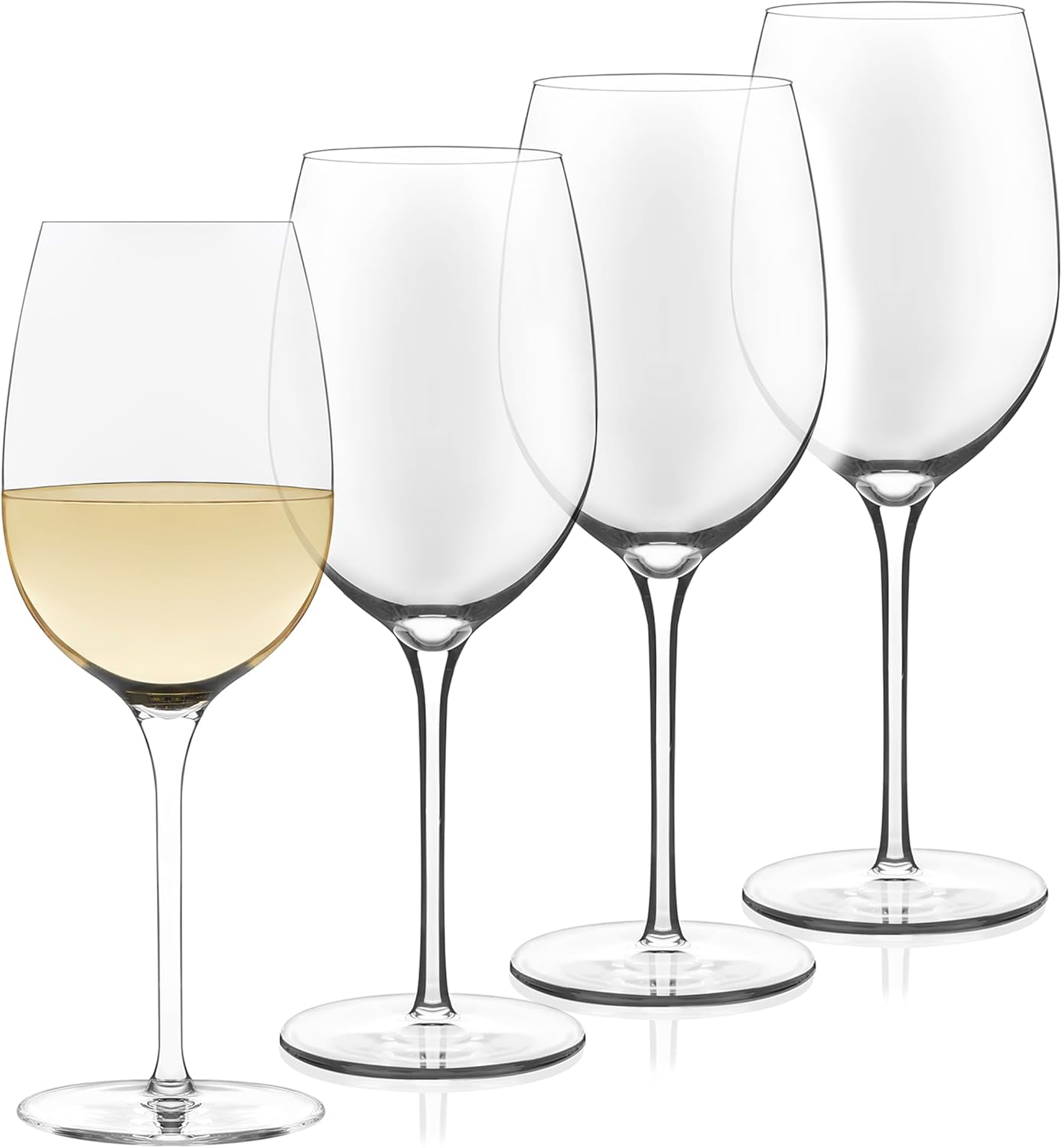
Unbeatable Quality and Value for Everyday Enjoyment and Entertaining
Let’s be realistic: not everyone wants or needs to spend a fortune on premium wine glasses. Sometimes you just want a great, reliable, and affordable glass for your casual weeknight pizza wine, your everyday drinking, or for hosting a large party without anxiety about breakage. This is where the Libbey Signature Kentfield truly shines. Made in the USA with pride and attention to quality, these glasses represent the absolute best value in the wine glass market, full stop. No other brand offers this combination of quality, durability, and price.
Libbey uses a special ClearFire glass formula, which offers brilliant clarity and brightness without the significant cost of premium crystal. The shape is a classic all-purpose design—a nicely rounded bowl that tapers slightly at the top, providing good functionality. It’s not as large or dramatic as the other glasses on this list, but it’s perfectly functional and more practical for many home situations. It allows for adequate swirling and captures aromas effectively for most everyday red wines. The rim is reinforced for chip resistance, and the stem and foot are stable and well-proportioned with good weight distribution. It’s an attractive, understated glass that feels much more expensive than it actually is.
I drank a simple California Zinfandel from this glass, and it did its job admirably and without pretension. The wine tasted great, the glass felt good in the hand, and I knew that if one accidentally broke, it wouldn’t be a financial tragedy that ruins my evening. These are the glasses I recommend to friends who are just starting their wine journey or anyone looking for a durable, dishwasher-safe set that punches far above its weight class. If you’ve been using cheap, thick-rimmed glasses from a big-box store, upgrading to the Libbey Kentfield will be a massive improvement to your wine drinking experience without breaking your budget. It’s a no-brainer recommendation for everyday quality and value.
| Attribute | Details |
|---|---|
| Type | All-Purpose Red Wine Glass |
| Material | ClearFire Glass (Lead-Free) |
| Capacity | 20 ounces (591 ml) |
| Dishwasher Safe? | Yes, completely dishwasher safe |
| Best For | Everyday red wines, entertaining, value-conscious buyers |
| Price Range | Budget-friendly entry point |
| Origin | USA |
Pros
- Exceptional value for money compared to all competitors
- Very durable and highly chip-resistant for daily use
- Made in the USA with quality manufacturing standards
- ClearFire glass provides excellent clarity and light transmission
- Comfortable, classic, and versatile shape for all occasions
- Affordable to buy in sets for entertaining large groups
Cons
- Thicker rim compared to premium crystal alternatives
- Heavier feel in hand than delicate crystal glasses
- Will not provide the same level of aromatic nuance as premium options
Care, Maintenance & Choosing for Your Lifestyle
Owning quality wine glassware is a genuine joy, but it comes with appropriate responsibility and care considerations. Proper care ensures longevity and maintains optimal performance for years to come. Furthermore, your choice should reflect how you actually live, entertain, and enjoy wine in your everyday life.
Hand-Washing Protocol for Premium Crystal
1. Use Lukewarm Water & Mild Soap: Hot water can cause thermal shock and damage delicate crystal over time. Avoid heavily scented detergents that can leave residue affecting taste.
2. Hold by the Bowl, Not the Stem: Grip the bowl firmly when washing the interior to avoid putting pressure on and snapping the delicate stem. Never twist or apply lateral force.
3. Use a Soft Brush or Cloth: Never use abrasive scouring pads or harsh cleaning tools. A soft bottle brush is ideal for decanters and wine glasses with stubborn residue.
4. Rinse Thoroughly & Polish Immediately: Soap residue kills aroma and flavor compounds. Rinse multiple times with clean water, then dry immediately with a lint-free microfiber cloth to prevent water spots and fingerprints.
Dishwasher Do’s and Don’ts for Wine Glasses
Do: Only place glasses explicitly marked as dishwasher safe. Use a gentle cycle with a mild detergent designed for glassware. Ensure glasses are securely placed in the basket and not touching each other or other items that could cause chipping.
Don’t: Never use the heated dry cycle, as the intense heat can weaken crystal over time and cause cloudiness and discoloration. Remove glasses promptly after the wash cycle ends and hand-dry them for best results and longest lifespan.
Storage Solutions and Organization
Store wine glasses upright in a clean, dry cabinet away from direct sunlight and heat sources. Never stack fine wine glasses on top of each other. The pressure and friction can cause permanent micro-scratches or stress fractures that lead to cracks. If space is limited in your home, use felt or silicone glass protectors between bowls if you absolutely must stack glasses. Consider installing a hanging glass rack to keep stems safe from breakage and display them beautifully in your dining area.
Matching Glass to Lifestyle: Which Buyer Are You?
The “Special Occasion” Collector: You have a modest wine collection of special bottles and open them for birthdays, anniversaries, and milestone celebrations. Recommendation: Buy 2-4 of the Zalto Denk’Art Bordeaux glasses. They are reserved for those meaningful moments, ensuring your best wines are experienced at their absolute peak. Store them safely in a cabinet and hand-wash with care after each use.
The “Everyday Enthusiast”: You drink wine several times a week, genuinely enjoy exploring different regions and varietals, and host casual dinners with friends regularly. Recommendation: Invest in a set of 6-8 Riedel Performance or Gabriel-Glas Stand’Art glasses. They offer superb performance, can handle daily use and dishwasher cycles, and will make every bottle, from a casual $15 Malbec to a special $50 Rioja, taste significantly better than standard glasses.
The “Party Host”: Your primary concern is having enough glasses for a crowd, ensuring durability through accidents, and making cleanup easy. Recommendation: The Libbey Signature Kentfield is your champion without question. Buy a dozen or more. They look great on the table, are virtually indestructible, and nobody will be nervous holding one or worried about breaking something expensive. Keep a few nicer glasses tucked away for your own use or close friends who appreciate the difference.
How to Choose the Perfect Red Wine Glass For You: A Comprehensive Buyer’s Guide
With so many options available in the market, selecting the right wine glass can feel overwhelming to the uninitiated. Here’s a simple, practical framework to help you decide based on your personal habits, preferences, entertaining style, and budget constraints.
Step 1: Consider Your Primary Wine Preference and What You Drink Most
Think about what you drink most often in your typical week. What is in your wine collection or what do you order most frequently when dining out? This should guide your primary glass choice:
- If you’re a Cabernet, Merlot, or Bordeaux lover: You need a “Bordeaux” style glass with a large bowl and tall sides that provide ample surface area for aeration. The Zalto Denk’Art or Riedel Performance are your best bets for maximizing your enjoyment of these wines.
- If you’re a Pinot Noir or Burgundy aficionado: A “Burgundy” style glass with its extra-wide bowl is non-negotiable for properly showcasing these delicate wines. The Schott Zwiesel Pure is designed specifically for this purpose and will make a noticeable difference.
- If you drink a bit of everything: A “Universal” glass is your most practical and economical choice for variety. The Gabriel-Glas Stand’Art is the acknowledged king of this category.
Step 2: Budget: Splurge vs. Save Based on Your Situation
Be honest about your budget and lifestyle needs. Different budgets support different strategies:
- The Splurge ($100+ per glass): If you drink premium wines regularly and want the absolute best sensory experience, a hand-blown glass like the Zalto is worth the investment and will pay dividends over years of use.
- The Mid-Range ($30-60 per glass): If you want excellent performance and durability without the anxiety of ultra-premium stemware, brands like Riedel and Schott Zwiesel offer the perfect middle ground between quality and value.
- The Save ($10-20 per glass): If you need durable, attractive glasses for everyday use or for parties with lots of guests, the Libbey Kentfield offers incredible quality for its modest price point.
Step 3: Material Selection: Crystal vs. Glass
The material affects the aesthetic, feel, and performance characteristics:
- Lead-Free Crystal: This is the premium choice preferred by most wine professionals. It can be spun incredibly thin, resulting in a lightweight glass with a razor-thin rim that enhances wine delivery. Its molecular structure also refracts light beautifully, enhancing how the wine looks in the glass. The Zalto, Riedel, Gabriel-Glas, and Schott Zwiesel are all crystal options of various grades.
- Modern Glass: Contemporary glass options like Libbey’s ClearFire represent a fantastic budget-friendly alternative. While it will be slightly thicker and heavier than crystal, the quality and clarity are excellent for the modest price point.
Additional Factors to Consider When Choosing Wine Glasses
Size and Capacity Matters
Larger glasses (over 24 ounces) provide more room for swirling and aeration, making them ideal for full-bodied reds. Smaller glasses (16-20 ounces) are better for delicate wines and work well for space-constrained homes. Consider your entertaining style and storage space when choosing.
Thickness and Rim Quality
Ultra-thin rims deliver wine more precisely to your taste buds, while thicker rims can feel less refined. Hand-blown glasses typically have thinner, more refined rims compared to machine-made alternatives. This affects both the sensory experience and the feel of elegance.
Weight and Balance
The weight and balance of a glass affect how it feels in your hand and influences your perception of quality. Lighter glasses feel more delicate and elegant, while heavier glasses feel more substantial. Consider what feels comfortable and appropriate for your entertaining style.
Dishwasher vs. Hand-Wash
Machine-made glasses are typically dishwasher safe, while delicate hand-blown glasses require hand-washing. Consider your lifestyle and willingness to hand-wash glasses when making your choice.
Aesthetic and Design Preferences
Choose a glass style that you genuinely enjoy looking at and holding. You’ll use these glasses regularly, so aesthetic appeal and personal preference matter significantly for long-term satisfaction.
Collection Flexibility
Consider whether you want a single universal glass or multiple glasses for different wine types. Multiple glasses provide peak performance for each varietal but require more storage space and investment.
Wine Varietals and Their Ideal Glass Pairings
Full-Bodied Red Wines and Bordeaux-Style Glasses
Cabernet Sauvignon, Merlot, Malbec, and Bordeaux blends are full-bodied wines with significant tannin structure. These wines benefit tremendously from generous bowls that allow for vigorous swirling and ample aeration. The Bordeaux glass shape, with its tall bowl and tapered rim, is specifically engineered to soften aggressive tannins while directing the wine to the back of the palate where you can best perceive the rich, dark fruit flavors. The Zalto Denk’Art and Riedel Performance excel with these varietals.
Medium-Bodied and Aromatic Red Wines
Pinot Noir, Gamay, and Nebbiolo are notoriously aromatic but lighter-bodied than Cabernets. These wines demand a wide, balloon-like bowl that maximizes surface area for aroma release. The Burgundy glass shape, with its extra-wide bowl and narrow taper, is designed to concentrate these delicate, complex scents. The Schott Zwiesel Pure Burgundy is specifically engineered for this purpose and delivers outstanding results.
Rhône-Style and Mediterranean Wines
Syrah, Grenache, and other Rhône varietals are often fruit-forward, spicy, and moderately full-bodied. These wines typically perform well in a Bordeaux-style glass, though a slightly smaller opening than a classic Bordeaux glass can help contain alcohol vapors and enhance the fruit character. The Riedel Performance works very well with these wines, as do universal glasses like the Gabriel-Glas.
Frequently Asked Questions About Wine Glasses
What’s the difference between a Bordeaux and a Burgundy wine glass?
A Bordeaux glass is tall with a large, but not overly wide, bowl. This shape is designed for powerful, full-bodied red wines like Cabernet Sauvignon and Merlot. It helps to smooth out tannins and deliver the concentrated fruit aromas. A Burgundy glass has a much wider, more balloon-like bowl and a narrower taper. This is designed for more delicate, aromatic wines like Pinot Noir, maximizing aeration to release its complex, subtle scents.
Are expensive wine glasses really worth the investment?
It depends on your level of engagement with wine and your budget. For a casual drinker who enjoys wine occasionally, a quality budget glass like the Libbey Kentfield is more than sufficient and represents great value. However, if you are investing in fine wine and are genuinely interested in appreciating its nuances and complexity, a premium glass like a Zalto or Riedel is absolutely worth it. It is a tool that can demonstrably improve the taste and aroma of wine, providing a better return on your investment in the bottle itself.
How do I properly clean my red wine glasses?
While many of our recommendations are dishwasher safe, hand-washing is always the safest method, especially for premium crystal. Use warm water and a tiny drop of unscented dish soap. Hold the glass by the bowl, not the stem, when washing the inside to avoid putting pressure on and potentially snapping the delicate stem. Rinse thoroughly multiple times to remove any soap residue. To dry and polish, use two microfiber polishing cloths—one to hold the bowl and one to polish—to avoid fingerprints and prevent breakage from twisting or stressing the stem.
Should I get stemless wine glasses instead?
Stemless glasses have a modern look and are less prone to being knocked over, which makes them great for casual outdoor gatherings. However, they have two main disadvantages for serious tasting and wine appreciation. First, you have to hold the bowl directly, which means your hand will warm the wine, altering its temperature and flavor profile. Second, you will inevitably get fingerprints all over the bowl, obscuring the wine’s color and clarity. For these reasons, we always recommend stemmed glasses for the best red wine experience and proper tasting.
Can a good glass improve cheap wine?
Yes, to a noticeable degree. A quality glass won’t magically transform a poorly made wine into a great one, but it can help any wine show its best possible side. It will better aerate the wine, potentially softening harsh edges, and will more effectively deliver whatever aromas are present to your nose. A bad glass, with a thick rim and no taper, can make even a decent wine taste flat and simple.
How many wine glasses should I own?
A good baseline is to own at least two more glasses than your typical number of guests. For most households, a set of 6-8 matching glasses is ideal for regular entertaining. If you entertain large groups frequently, supplementing with a set of durable, affordable glasses like the Libbeys is a smart and practical strategy that prevents anxiety about breakage.
What’s the best way to store wine glasses long-term?
Store glasses upright in a clean, dry cabinet away from direct sunlight, heat sources, and strong odors that can be absorbed by crystal. Avoid stacking glasses, as this causes micro-scratches and stress fractures. If space is limited, use protective sleeves or felt separators. Ensure your storage location maintains stable temperature and humidity to prevent warping or cracking of delicate glass.
Are there specific glasses for particular red wine blends?
Most red wine blends fall into either the Bordeaux or Burgundy glass category depending on their structure. Bordeaux-style blends (with Cabernet as the primary grape) work best in Bordeaux glasses, while more delicate blends do well in universal or Burgundy glasses. If unsure, a universal glass like the Gabriel-Glas provides good performance across most blended wines.
Understanding Wine Glass Materials: Crystal, Glass, and Modern Innovations
The material composition of your wine glass significantly impacts not only how it looks and feels but also how it performs as a functional vessel for wine appreciation. Understanding the differences between various materials helps you make an informed decision that aligns with your priorities, whether those are durability, aesthetics, or peak performance.
Lead-Free Crystal: The Premium Standard
Lead-free crystal has become the gold standard in premium wine glassware manufacturing. Traditionally, crystal was made with lead oxide, which improved clarity and refraction but posed health concerns with prolonged use. Modern lead-free crystal formulations use alternative materials like barium oxide, titanium oxide, or zirconium oxide to achieve similar optical properties without the health risks.
The advantages of crystal are numerous and significant. First, crystal can be blown and shaped into incredibly thin walls, creating a lightweight glass that feels delicate in your hand and doesn’t interfere with the wine’s temperature. Second, the molecular structure of crystal provides superior clarity and light refraction, making wines appear more vibrant and visually appealing. Third, ultra-thin crystal rims allow for precise wine delivery to your palate without the interference of a thick glass edge. Fourth, quality crystal typically has a pleasant ring when tapped gently, indicating structural integrity and quality craftsmanship. Finally, premium crystal can last for decades or even generations with proper care, making it a worthwhile investment.
Modern Glass Formulations: Accessibility and Durability
Contemporary glass formulations like Libbey’s ClearFire represent a significant advancement in accessible wine glassware. These glasses use specially formulated glass that provides exceptional clarity without the cost of premium crystal. While slightly thicker and heavier than crystal, modern glass formulations offer several compelling advantages that make them popular for everyday use and entertaining.
Modern glass is significantly more durable than crystal and can withstand aggressive dishwasher cycles, accidental bumps, and daily wear without chipping or clouding. The manufacturing process is more economical, allowing consumers to purchase high-quality glasses at a fraction of the cost of equivalent crystal. These glasses are ideal for casual entertaining, families with children, or anyone who values durability and peace of mind over premium aesthetics. Many consumers find that the practical benefits of modern glass far outweigh the slightly diminished optical properties compared to crystal.
Tritan Crystal Technology: The Hybrid Innovation
Schott Zwiesel’s Tritan crystal technology represents a fascinating middle ground between traditional crystal and modern glass. By incorporating titanium and zirconium oxides into the crystal formula, Schott Zwiesel has created a material that combines the optical clarity and aesthetic appeal of crystal with the durability and chip-resistance of modern glass. This innovation allows wine enthusiasts to enjoy the refined feel of crystal without the anxiety of constant breakage from everyday use.
The Wine Tasting Experience: How the Right Glass Enhances Every Phase
Understanding how a proper wine glass enhances each phase of the tasting experience provides insight into why investing in quality glassware matters so much to wine lovers. The experience of tasting wine involves multiple sensory components, and the glass plays a crucial role in optimizing each one.
The Visual Phase: Assessing Color and Clarity
Before you even taste the wine, you assess it visually. The color, clarity, and intensity of a wine’s appearance provide valuable information about its age, health, and varietal characteristics. A thin-walled crystal glass with superior clarity allows you to see the wine more accurately. You can observe the depth of color at the center of the glass, the lighter hues at the rim (which indicate age and oxidation), and the overall clarity and brightness. A thick, opaque glass obscures these visual cues and prevents you from conducting a proper visual analysis.
Additionally, the shape of the glass affects how light interacts with the wine. A wide bowl with clear crystal allows you to observe the wine’s viscosity by tilting the glass and watching how the wine flows down the sides, leaving “legs” or “tears.” These visual indicators tell you about the wine’s alcohol content, sugar levels, and overall quality. The proper glass enhances this aspect of the tasting experience significantly.
The Aromatic Phase: Concentrating and Capturing Scents
Once you’ve assessed the wine visually, you move to the aromatic phase, which is arguably the most critical component of wine tasting. This is where the glass’s shape truly matters. When you bring the glass to your nose, you want to capture the maximum concentration of aromatic compounds. A properly designed bowl allows these volatile compounds to accumulate in the space above the wine, creating an aromatic “cloud” that you can inhale deeply.
The taper of the rim is crucial here. A narrowing rim concentrates these aromatic compounds, while a wide-mouthed glass lets them escape into the air. When you swirl the wine in a properly designed glass, the increased surface area interaction with oxygen releases additional aromatic compounds, intensifying the bouquet. This phase lasts longer with the right glass because the concentrated aromas aren’t immediately dispersed.
The Palate Phase: Delivery and Taste Reception
Finally, you taste the wine. The shape of the glass’s rim influences where the wine first lands on your tongue and how it flows across your palate. A glass with a wider opening might distribute the wine across a broader area, potentially emphasizing sweetness and fruit-forward characteristics. A glass with a narrower opening delivers the wine more precisely, directing it to specific areas of your tongue where different taste receptors are most sensitive. This subtle manipulation can highlight acidity, tannins, or other structural elements depending on the glass design.
The temperature of the wine is also critical to the tasting experience. A glass with a long stem keeps your hand away from the bowl, preventing your body heat from warming the wine. This is why stemmed glasses are superior to stemless options for serious wine tasting. The wine maintains its optimal serving temperature throughout the tasting experience, preserving the intended flavor profile.
Building Your Complete Wine Glass Collection: A Strategic Approach
Rather than jumping immediately to purchase one type of glass, many serious wine enthusiasts prefer to build a strategic collection that covers multiple wine styles. This approach allows you to optimize your experience for different wines while gradually spreading out the investment over time.
The Starter Collection: Foundation Glasses
If you’re beginning to invest in quality glassware, start with a foundation collection that covers your most frequently consumed wines. Most wine drinkers benefit from starting with either a universal glass like the Gabriel-Glas or a set of basic Bordeaux glasses. This provides excellent versatility while you explore your wine preferences. Start with 4-6 glasses and use them regularly to understand how different wines interact with the glass shape.
The Expanded Collection: Adding Specialization
As your wine knowledge grows and your wine budget allows, gradually add specialized glasses. If you discover you truly love Pinot Noir, invest in a set of quality Burgundy glasses. If you’re passionate about Bordeaux and Cabernet Sauvignon, add dedicated Bordeaux glasses. This phased approach allows you to prioritize based on actual preferences rather than theoretical ones. You might discover that a universal glass satisfies your needs perfectly, making additional specialized glasses unnecessary.
The Collector’s Library: Complete Coverage
Serious collectors and enthusiasts might eventually own multiple types of glasses optimized for different wines. A complete collection might include Bordeaux glasses for full-bodied reds, Burgundy glasses for aromatic varietals, universal glasses for white wines and everyday use, and perhaps even specialized glasses for other wine types. However, most home wine enthusiasts find that 2-3 types of glasses provide more than sufficient coverage of their typical wine consumption.
Maximizing the Lifespan of Your Wine Glasses: Advanced Care and Maintenance
Quality wine glasses represent a meaningful investment, and proper care ensures they perform optimally for many years. Understanding the factors that damage glasses and how to prevent them extends the lifespan of your collection significantly.
Common Causes of Wine Glass Damage
Thermal Shock: The primary cause of glass breakage is thermal shock, which occurs when you expose glasses to dramatic temperature changes. Never wash delicate crystal in very hot water or place hot glasses in cold water. Allow glasses to come to room temperature before washing. This is particularly important for hand-blown crystal glasses.
Mechanical Stress: Stacking glasses, twisting the stem while holding the bowl, or applying lateral force damages glasses. Always hold glasses properly, never twist or bend, and never stack delicate glasses on top of each other. If you must stack glasses, use protective separators between bowls.
Chemical Damage: Certain cleaning chemicals and highly scented soaps can damage crystal over time and impart unwanted flavors to wine. Use only mild, unscented detergents. Avoid harsh abrasive cleaners and never use bleach on wine glasses. Some people prefer vinegar and water solutions for cleaning crystal.
Mineral Buildup: Hard water can cause cloudy spots on glasses. If your water is particularly hard, consider using filtered or distilled water for final rinses on premium glassware. Alternatively, use a mixture of white vinegar and water to dissolve mineral deposits before polishing.
Storage Best Practices
Proper storage prevents damage and maintains the quality of your glassware. Store glasses upright in a clean, dry cabinet away from direct sunlight. Sunlight can gradually discolor delicate crystal. Keep glasses away from strong odors or aromatic substances, as crystal and glass can absorb and retain these smells, which then transfer to wine. Maintain stable temperature and humidity in your storage area to prevent expansion and contraction that can cause cracking.
Label your storage location clearly so family members and guests know which glasses are premium and handle them with appropriate care. Consider using glass-specific storage racks or organizers that hold glasses securely without stacking them. For valuable collections, microfiber sleeves or felt protectors provide additional protection from dust and accidental damage.
Wine Glass Traditions Around the World: Learning from Global Wine Cultures
Different wine regions and cultures have developed distinct traditions around glassware that reflect their wine styles and values. Understanding these traditions provides insight into wine glass design philosophy.
French Wine Glass Traditions
France, home to some of the world’s finest wines, developed specific glass shapes optimized for their regional wines. The Burgundy glass, with its wide bowl, was developed specifically for Pinot Noir from the Burgundy region. The Bordeaux glass, with its tall sides and broader bowl, was optimized for the structured, full-bodied wines of the Bordeaux region. These glasses evolved over centuries of wine drinking tradition and represent the distilled wisdom of French wine culture.
German Wine Glass Design
Germany, famous for elegant white wines and precise engineering, brought scientific rigor to wine glass design. Companies like Riedel and Schott Zwiesel, both German or Austrian, apply engineering principles and sensory science to glass design. The German approach emphasizes functional design, durability, and performance optimization. This philosophy has influenced wine glass design globally.
Italian Wine Glass Culture
Italy typically favors simpler, more straightforward glass designs that emphasize functionality and value. Italian wine glasses are often more modest in size and less ornate than French or German alternatives, reflecting a cultural approach that values the wine itself over elaborate presentation.
Entertaining with Wine: Hosting Tips and Practical Considerations
Understanding how to serve wine properly and present it attractively to guests enhances your entertaining experience and shows respect for both the wine and your guests.
Preparing Glasses Before Your Event
Before guests arrive, prepare your wine glasses properly. Wash all glasses thoroughly, inside and out, and dry them completely with lint-free cloths. Polish them to ensure they’re free of water spots and fingerprints. Chill glasses if appropriate for your wine type—some wines benefit from being served in pre-chilled glasses. Set out glasses in advance so they reach room temperature naturally, or chill them just before guests arrive.
Arrange glasses attractively on the table or sideboard where guests can access them easily. If you’re serving multiple wines, consider using different glass types for each wine and labeling them clearly so guests understand which glass is for which wine. This demonstrates hospitality and helps guests appreciate your wine selection thoughtfully.
Serving Wine at Proper Temperatures
The proper serving temperature is crucial for wine enjoyment. Most full-bodied red wines are best served at 60-68 degrees Fahrenheit, which is slightly cooler than room temperature in most homes. Light-bodied reds like Pinot Noir are best at 50-60 degrees. Serving wine too warm mutes subtle flavors and makes alcohol burn harsh on the palate. Serving wine too cold suppresses aromatic compounds and flavor expression.
Use the proper glass to help maintain wine temperature. A stemmed glass keeps your hand away from the bowl, minimizing temperature transfer. If wines become too warm during your event, consider using wine sleeves—elegant fabric or neoprene covers that insulate the glass without affecting the wine inside. Some hosts place glasses in ice water baths for 5-10 minutes before serving to achieve optimal temperature.
Presenting Wine to Guests
When pouring wine for guests, fill glasses approximately one-third to one-half full, allowing adequate space for swirling and capturing aromas. Never fill wine glasses to the brim—this indicates poor wine service etiquette and prevents proper enjoyment. Present the bottle to guests so they can see the label, reading the wine name and vintage if applicable. This gesture shows respect for the wine and helps guests understand what they’re drinking.
Smart Budget Planning: Getting Maximum Value from Your Wine Glass Investment
Thoughtful budget planning allows you to build a quality wine glass collection that suits your needs without excessive spending. Strategic purchasing decisions maximize value and satisfaction.
Calculating Your True Investment
When evaluating wine glass prices, consider the investment per use rather than the sticker price. A $100 hand-blown crystal glass that you use weekly for five years represents a relatively modest investment compared to its impact on your enjoyment. Conversely, a $15 glass that breaks after moderate use may be a poor value despite the lower initial cost.
Consider also the opportunity cost. Spending $200 on premium glasses might save you from the frustration and cost of replacing broken glasses multiple times over several years. Many wine enthusiasts find that quality glasses pay for themselves by lasting longer and improving their wine enjoyment.
Prioritizing Your Purchases
If budget is limited, prioritize glasses for your most frequently consumed wines. If you drink Cabernet Sauvignon twice weekly, investing in quality Bordeaux glasses makes sense. If you rarely drink Burgundy, a universal glass might provide better value. This prioritization approach ensures your investment focuses on wines you genuinely enjoy.
Finding Value Across Price Points
Value exists at every price point. The Libbey Kentfield offers exceptional value at budget prices. The Riedel Performance and Schott Zwiesel offer excellent mid-range value with strong performance. Premium hand-blown glasses offer unmatched artistry and peak performance for wine enthusiasts who prioritize quality above all else. Understanding what each price point offers helps you find the best value for your circumstances.
Wine and Food Pairing: How Your Glass Choice Affects the Complete Experience
The proper wine glass enhances not only the wine itself but also how the wine interacts with food. Understanding this relationship provides additional perspective on why glassware selection matters for the complete dining experience.
How Glass Shape Influences Food Pairing Perception
The way a glass delivers wine to your palate affects how you perceive food pairings. A glass that emphasizes acidity makes wines pair better with acidic or rich foods. A glass that emphasizes fruit and tannins might pair better with meat and savory dishes. By choosing the right glass, you can optimize how wines complement the foods you’re serving.
For example, if you’re serving a fatty meat dish, you might want a Bordeaux glass that emphasizes the wine’s tannins and acidity, which cut through the richness of the food. If you’re serving lighter, more delicate cuisine, a universal glass or even a smaller wine glass might be more appropriate, allowing the wine to complement rather than overwhelm the food.
Regional Pairing Traditions
Wine regions have developed food pairing traditions that evolved alongside their glassware traditions. In Burgundy, Pinot Noir is traditionally paired with rustic French cuisine—duck, mushrooms, and earthy flavors. The wide Burgundy glass maximizes the aromatic delivery of Pinot Noir’s delicate flavors, which complement these foods perfectly. In Bordeaux, the structured Cabernet-based wines are paired with rich, sophisticated cuisine. The Bordeaux glass emphasizes the wine’s structure and tannins, which stand up to these bolder flavor profiles.
Understanding these traditions and the logic behind them helps you develop your own wine and food pairing sensibilities. You learn that the glass isn’t just about the wine in isolation but about how the wine, glass, and food work together to create a complete sensory experience.
Advanced Wine Glass Selection Framework: A Comprehensive Decision Matrix
For those making a significant investment in wine glassware, this advanced framework helps organize all the factors we’ve discussed into a coherent decision-making process.
Step 1: Define Your Wine Consumption Profile
Document what you actually drink. Track your wine purchases and consumption over several months. What percentage do you drink Cabernet Sauvignon versus Pinot Noir? How often do you drink wine? What price range do you typically buy? This data reveals your actual preferences rather than theoretical ones, guiding intelligent purchasing decisions.
Step 2: Assess Your Entertaining Needs
Consider how you use wine in your life. Do you primarily drink alone or with intimate partners? Do you host large parties regularly? Do you enjoy casual gatherings or formal dining? Your entertaining style influences what glassware serves you best. Someone who hosts large parties might prioritize durable, affordable glasses over premium options.
Step 3: Evaluate Your Storage and Display Space
Assess your actual storage capacity. Do you have room for specialized glasses, or should you focus on a universal option? Consider also how you want to display your glasses. Some people enjoy displaying beautiful glassware; others prefer hidden storage. This affects whether you choose decorative premium glasses or more utilitarian options.
Step 4: Calculate Your Total Budget
Determine how much you can reasonably spend on wine glassware. If you have $300 to spend, you could buy 3 hand-blown premium glasses or 20 quality machine-made glasses. Your budget significantly constrains your options and should guide your purchasing strategy.
Step 5: Prioritize Based on Value and Usage
With all this information, identify which glass purchase provides the maximum value and benefit. Perhaps investing in 6 universal glasses gives you better overall value than 3 specialized glasses. Or perhaps you drink enough Pinot Noir to justify investing in dedicated Burgundy glasses. This framework helps you make decisions based on your actual life rather than general recommendations.
Detailed Product Comparison: Making Sense of the Options
With five excellent options to choose from, understanding the nuanced differences helps you select the best glass for your specific situation. Each glass represents a different philosophy and approach to wine glass design, reflecting different priorities and values.
Premium Hand-Blown vs. Machine-Made Crystal
The Zalto Denk’Art represents the pinnacle of hand-blown crystal craftsmanship. Each glass is individually created by skilled artisans who have spent years perfecting their technique. The hand-blown process allows for incredible thinness and precision that machines cannot achieve. However, this comes with higher cost, fragility concerns, and the need for careful handling and hand-washing.
Machine-made crystal options like the Riedel Performance and Gabriel-Glas use modern manufacturing technology to achieve consistent quality at lower cost. While not hand-blown, these glasses still represent excellent engineering and design. They’re more durable, can handle dishwashers, and are significantly more affordable. For most home wine enthusiasts, machine-made crystal represents a better balance of quality and practicality.
General Purpose vs. Varietal-Specific Design
The Gabriel-Glas Stand’Art and Libbey Kentfield are general-purpose glasses designed to work acceptably with all wine types. This approach prioritizes versatility and simplicity over peak performance with specific wines. If you value having fewer glasses to manage and prefer one elegant solution, these options excel.
The Zalto Bordeaux, Riedel Performance, and Schott Zwiesel Pure are all varietal-specific designs optimized for particular wine types. This approach requires more investment and storage space but provides superior performance for wines you drink regularly. If you have strong preferences for specific wines, varietal-specific glasses deliver noticeably better results.
Price-to-Performance Analysis
The Libbey Kentfield offers the best price-to-performance ratio for casual wine drinkers and entertaining. At the lowest price point, it still provides noticeable improvement over basic glasses and handles regular dishwasher use. The Riedel Performance and Gabriel-Glas offer excellent mid-range value with significant performance advantages justifying their higher cost. The Schott Zwiesel Pure offers specialized performance for Pinot Noir at reasonable pricing. The Zalto Denk’Art is a premium investment for those who drink significant quantities of premium wine and demand the absolute best possible experience.
Wine Glass Accessories: Enhancing Your Wine Experience Beyond the Glass
Beyond the glass itself, several accessories enhance how you enjoy wine and extend the lifespan of your glassware collection.
Wine Sleeves and Insulation Solutions
Wine sleeves are fabric or neoprene covers that slip over wine glasses, insulating them and keeping wine at optimal serving temperature longer. These are particularly useful when entertaining outdoors or in warm environments where wine warms quickly. Quality wine sleeves are attractive, machine-washable, and protect both the wine and your glassware from temperature fluctuations.
Glass Washing and Drying Racks
Specialized wine glass washing and drying racks prevent glasses from touching each other during washing, which minimizes the risk of chipping and damage. These racks are particularly useful for delicate crystal glasses that need careful handling. Many premium glasses come with or can be purchased with appropriate washing racks.
Wine Glass Storage Solutions
Various storage solutions help organize and protect wine glasses. Hanging glass racks display glasses beautifully while keeping stems safe from breakage. Protective sleeves and felt separators prevent glasses from touching and getting damaged. Cabinet organizers and wine glass holders keep glasses secure and accessible. Investing in proper storage solutions extends glass lifespan and makes your collection more enjoyable.
Glass Cleaner and Polish
Quality glass cleaner designed specifically for wine glasses helps achieve streak-free clarity without leaving residue that affects taste. Many serious wine enthusiasts prefer vinegar and water solutions or specialized crystal cleaners that don’t leave chemical residues. Proper polishing with lint-free microfiber cloths ensures glasses display beautifully.
Avoiding Common Wine Glass Mistakes: Learning What Not to Do
Understanding common mistakes helps you avoid problems and make better decisions about wine glassware.
Mistake 1: Buying Based on Appearance Alone
Many people purchase wine glasses based solely on how they look, without considering functionality or performance. While aesthetics matter, a beautiful glass that doesn’t concentrate aromas or deliver wine properly is ultimately disappointing. Prioritize function alongside appearance when selecting glasses.
Mistake 2: Overfilling Wine Glasses
One of the most common mistakes is filling wine glasses too full. Proper wine service requires filling glasses only one-third to one-half full, allowing adequate space for swirling and aromatic concentration. Overfilled glasses prevent swirling, trap aromas, and spill easily. This mistake is so common that many restaurants have had to train staff to pour smaller amounts despite customer expectations.
Mistake 3: Using Inappropriate Glasses for Wine Type
Serving Pinot Noir in a Bordeaux glass or Cabernet in a Burgundy glass is a common mistake that limits the wine’s potential. While any decent glass is better than no specialty glass, understanding which glass suits which wine maximizes your enjoyment. If you’re unsure, universal glasses provide a safe middle ground.
Mistake 4: Inadequate Washing and Cleaning
Many people don’t wash wine glasses thoroughly after use, leading to staining, odor absorption, and residue buildup. Proper washing immediately after use prevents staining and ensures glasses are fresh for the next use. Delicate crystal deserves hand-washing with care, while durable glasses can handle dishwashers.
Mistake 5: Stacking Glasses for Storage
Stacking glasses, while space-efficient, causes damage through scratching and stress fractures. This is particularly problematic with delicate crystal. Even storing stacked glasses long-term can cause permanent damage. Always store glasses upright when possible, or use protective separators if stacking is absolutely necessary.
Mistake 6: Neglecting Temperature Control
Many people serve wine at improper temperatures, either too warm or too cold. This dramatically affects flavor perception and enjoyment. Taking time to serve wine at proper temperatures makes a significant difference in how wine tastes. A stemmed glass helps maintain proper temperature by keeping your hand away from the bowl.
The Future of Wine Glass Design: Innovation and Evolution
Wine glass design continues to evolve as companies invest in research and development to improve the wine-drinking experience. Understanding emerging trends provides perspective on where the industry is heading.
Advanced Materials and Manufacturing
Manufacturers continue to develop new materials that combine the optical properties of crystal with the durability of glass. Innovations like Schott Zwiesel’s Tritan represent the cutting edge of this research. Future glasses may incorporate materials with even better performance characteristics, allowing for thinner walls, greater durability, and improved optical clarity simultaneously.
Sustainable and Eco-Friendly Glass Production
Environmental consciousness is driving innovation in glass manufacturing. Companies are developing manufacturing processes that reduce energy consumption and waste. Some manufacturers are experimenting with recycled glass and sustainable sourcing of raw materials. Future wine glasses may incorporate recycled content while maintaining superior quality and performance.
Customization and Personalization
Technology is making it possible to customize glasses for specific wines or personal preferences. Some companies are exploring personalized glasses designed for individual taste preferences and drinking habits. While still emerging, this trend suggests future wine glasses might be even more tailored to individual needs.
Integration with Wine Technology
Some innovative companies are exploring how wine glasses might integrate with wine technology—temperature sensors, aromatic analysis, or connections with wine pairing apps. While these concepts are still in early stages, they represent the direction some innovation is heading in the wine industry.
Professional Sommelier Insights: What Wine Experts Prefer
Professional sommeliers and wine experts have strong perspectives on wine glass selection based on their extensive tasting experience. Understanding their preferences provides valuable guidance.
Consensus on Premium Wine Service
Most professional sommeliers agree that premium wines deserve specialized glassware. When serving fine wines, using varietal-specific glasses that maximize aromatic concentration and proper delivery is considered essential. The investment in quality glass is viewed as showing respect for the wine and the winemaker’s work.
Practical Considerations in Professional Settings
Interestingly, professional restaurants and wine bars often prioritize durability over premium materials. The Schott Zwiesel Tritan crystal is extremely popular in professional settings because it offers excellent sensory performance while being durable enough to withstand constant commercial use. This suggests that the “best” glass isn’t necessarily the most expensive, but rather the one that best serves your specific situation.
Individual Sommelier Preferences
When buying personal glasses, many sommeliers favor the Riedel brand due to the company’s pioneering work in varietal-specific design and their scientific approach to glass development. Others prefer the artistic craftsmanship of hand-blown glasses like Zalto. This diversity of professional opinion reinforces that “best” is subjective and depends on individual priorities and preferences.
Wine Glass Etiquette: Understanding Social Conventions and Proper Protocol
Using wine glasses properly extends beyond functionality into matters of etiquette and social convention. Understanding these customs helps you navigate wine service in formal settings.
Proper Glassware Selection in Formal Dining
In formal dining settings, proper glassware selection demonstrates knowledge and respect for the occasion. Red wine glasses are larger and more voluminous than white wine glasses. When setting a formal table, provide appropriate glasses for the wines being served. Multiple glasses can be set if multiple wines will be served throughout the meal.
Holding and Using Wine Glasses Properly
In formal settings, you hold a wine glass by the stem or foot, never by the bowl. This convention prevents hand warmth from affecting the wine and keeps fingerprints off the bowl. In casual settings, holding by the bowl is more forgiving, but holding by the stem remains the preferred approach among wine enthusiasts.
Placing and Clearing Glasses
In formal service, wine glasses are placed to the upper right of the plate. When clearing, gather all glasses carefully, holding them by the stem to avoid breaking. Never reach across a diner to clear glasses—always approach from the side. These conventions maintain an atmosphere of elegance and respect during formal dining.
Accepting and Declining Wine Service
When wine is offered in formal settings, you can accept by allowing the server to pour or decline by placing your hand over the glass. Even if declining wine, keeping the glass in place maintains the table setting’s integrity. These subtle conventions communicate clearly without awkward conversation.
Conclusion: The Final Pour and Your Wine Journey
Choosing a wine glass is ultimately a personal journey of discovery, but it’s one that can profoundly enhance your enjoyment of wine in measurable and meaningful ways. The right glass transforms a simple drink into a multi-sensory experience, revealing the depth, complexity, and character that the winemaker worked so hard to craft. Whether you opt for the breathtaking artistry of a Zalto, the versatile brilliance of a Gabriel-Glas, or the unbeatable value of a Libbey, investing in quality glassware is one of the single best steps you can take to elevate your appreciation for red wine. Cheers to better sips!
Remember: The perfect glass is the one that you genuinely enjoy using, that suits the wines you love, and that fits seamlessly into your actual life and lifestyle. Start with one great pair, learn its nuances and how it interacts with your favorite wines, and let it deepen your connection to every bottle you open. The journey of taste is endless, boundless, and genuinely rewarding, and it begins in the palm of your hand with the right glass. Whether you’re a casual wine drinker looking to enhance your everyday enjoyment or a serious collector seeking to experience your finest bottles in their full glory, there’s a perfect wine glass waiting for you. Take your time exploring options, trust your instincts, and invest in quality that will last. Your wine—and your palate—will thank you for years to come.