The Ultimate Wine Glossary for Beginners
Have you ever been at a dinner party or a wine tasting, nodding along politely while someone describes a wine as “a bit reductive on the nose, but with well-integrated tannins and a lovely malolactic texture”? It can feel like a foreign language, turning something that should be fun and delicious into an intimidating test. As a sommelier, I can tell you a secret: my job isn’t to use big words; it’s to make wine simple, understandable, and enjoyable for everyone. The jargon is only useful if it helps you understand what’s in your glass and, more importantly, helps you find more wines you’ll love.
That’s why I created this guide. This isn’t your average, dusty dictionary. This is a glossary built for beginners, organized the way you actually experience wine—from the grape in the vineyard to the wine in your glass. We’ll break down over 70 essential terms with simple definitions, deeper explanations, and real-world examples. My goal is to demystify the language of wine, giving you the confidence to not only understand what you’re tasting but to talk about it with ease. So let’s get started on your journey from novice to aficionado.
Jump to a Section
- In the Vineyard: Where It All Begins
- In the Winery: From Grape to Wine
- In the Glass: Tasting & Describing Wine
- On the Label: Decoding the Bottle
- The Essential Grape Varieties Guide
- Understanding Wine Styles
- Food & Wine Pairing Vocabulary
- Wine Service & Storage Terms
- How to Taste Wine: A Step-by-Step Method
- Frequently Asked Questions
- Essential Tools for Learning
Why This Glossary is Your Best Resource
We’ve built this guide on Google’s EEAT framework to provide the most reliable information possible:
- Experience: I am a certified sommelier, but more importantly, I’ve spent thousands of hours teaching beginners about wine. I know the exact terms that cause confusion and have developed simple, effective analogies to explain them.
- Expertise: This guide goes beyond simple definitions to explain the complex science (like malolactic conversion) and agricultural principles (like terroir) in an accessible way.
- Authoritativeness: This glossary is a cornerstone of our wine education series, linking to and reinforcing concepts from our other expert guides, such as our deep dive into organic and natural wines.
- Trustworthiness: All information is independently researched and presented for the sole purpose of education. Our product recommendations are for tools to enhance your learning, with a fully transparent affiliate disclosure.
In the Vineyard: Where It All Begins
Before a wine ever makes it to a bottle, it begins as a humble grape. The flavor potential of that grape is shaped by countless factors in the vineyard. Understanding these terms helps you understand the foundation of a wine’s character—why a Chardonnay from Burgundy tastes nothing like one from Australia, even though the grape is genetically identical.
Appellation
Simple Definition A legally defined and protected geographical area where grapes for a specific wine are grown.
Deeper Explanation Think of it like a wine’s official address. An appellation (known as an AVA in the U.S., DOC/G in Italy, AOC in France) is a set of rules that dictate not just where the grapes are from, but often which grapes can be used and how the wine can be made. This ensures a certain level of quality and consistency. For example, to be called “Napa Valley Cabernet Sauvignon,” the wine must come from the Napa Valley AVA and be made from at least 75% Cabernet Sauvignon grapes. Appellations help guarantee a wine’s authenticity and give you clues about its style.
Biodynamic
Simple Definition A form of organic farming that treats the vineyard as a single living organism and follows a cosmic calendar.
Deeper Explanation Biodynamics takes organic farming to the next level. It was developed by philosopher Rudolf Steiner and incorporates holistic and spiritual elements. This includes using special homeopathic preparations (like burying a manure-filled cow horn) to enrich the soil and timing vineyard activities (planting, pruning, harvesting) to the cycles of the moon and planets. While it may sound unusual, the meticulous attention to detail required often results in wines of incredible vibrancy and life. To learn more, explore our complete guide to organic and natural wines. Look for the “Demeter” certification on the label.
Canopy Management
Simple Definition The practice of controlling the leaves, shoots, and fruit of a grapevine to optimize sun exposure, airflow, and grape quality.
Deeper Explanation A vine’s canopy—its above-ground foliage—has an enormous influence on the quality of the grapes it produces. Too dense a canopy blocks sunlight from reaching the fruit clusters, resulting in grapes that fail to ripen fully and wines that can taste green and herbaceous. Skilled viticulturists remove leaves strategically to expose the grapes to sunlight (a process called leaf pulling), encourage airflow to prevent disease, and trim shoots to direct the vine’s energy toward the grapes rather than foliage. This seemingly simple practice can be the difference between an average wine and an exceptional one.
Clone
Simple Definition A grape vine that is a genetic replica of a single “mother” vine, propagated by taking a cutting.
Deeper Explanation Grapes like Pinot Noir are notoriously genetically unstable and have hundreds of different “clones.” One clone might produce small, concentrated berries perfect for a powerful red wine, while another might produce larger berries better suited to rosé. Winemakers will often plant several different clones in their vineyard to add layers of complexity to the final wine. It’s a way of fine-tuning the raw material to achieve a specific style.
Green Harvest (Vendange Verte)
Simple Definition The deliberate removal of unripe grape bunches in mid-summer to reduce yields and concentrate flavors in the remaining grapes.
Deeper Explanation A vine’s resources are finite. The more grape clusters it must ripen, the more those resources are divided and diluted. By cutting off a significant portion of the young, unripe clusters in summer—often dropping 30–50% of the potential crop on the ground—a winemaker forces the vine to concentrate all its sugars, flavors, and phenolics into the remaining fruit. The result is smaller, richer, more complex grapes. This practice is expensive (you are literally throwing yield away), but it is a hallmark of premium, quality-focused winemaking.
Organic
Simple Definition Grapes grown without the use of synthetic pesticides, herbicides, fungicides, or fertilizers.
Deeper Explanation “Organic” is primarily a farming term. In the U.S., it’s certified by the USDA. For a wine to be labeled “USDA Organic,” it must use certified organic grapes AND have no added sulfites. A more common category is “Made with Organic Grapes,” which means the farming was organic, but the winemaker could add a small amount of sulfites for stability. This guarantees responsible farming practices without the strict no-sulfite requirement.
Phylloxera
Simple Definition A microscopic, aphid-like insect that feeds on the roots of grapevines and eventually kills them.
Deeper Explanation Phylloxera is arguably the most significant event in the history of wine. Originating in North America, it was accidentally transported to Europe in the mid-1800s on vine cuttings used for research. Over the following decades, it devastated nearly every vineyard on the continent, wiping out centuries-old vine populations. The solution—still used today—was to graft European vine varieties (Vitis vinifera) onto phylloxera-resistant American rootstocks. Almost every vine producing wine today is grafted. The few remaining “ungrafted” or “pre-phylloxera” vines in isolated pockets of Chile, Australia, and some parts of Europe are considered extremely rare and precious.
Rootstock
Simple Definition The root system of a plant onto which another variety is grafted.
Deeper Explanation Following the phylloxera crisis, European winemakers learned to graft their beloved Vitis vinifera grape varieties onto hardy American rootstocks that were naturally resistant to phylloxera. The rootstock anchors the vine, provides phylloxera resistance, and also interacts with soil characteristics. Different rootstocks have different affinities for different soil types and can influence vine vigor and fruit development. Choosing the right rootstock for a specific terroir is an important early decision for any new vineyard planting.
Terroir
Simple Definition The complete natural environment in which a particular wine is produced, including factors such as the soil, topography, and climate.
Deeper Explanation This is one of the most important and romantic concepts in wine. It’s the idea that a wine should taste of its specific place. Terroir (pronounced “tare-WAHR”) is the sum of every environmental factor that affects the grapes: the warmth of the sun, the coolness of the evening breeze, the way the rain drains through the rocky soil, the specific microbes in the earth. It’s why a Chardonnay from the cool, chalky soils of Chablis, France, tastes radically different from a Chardonnay from sunny, warm Napa Valley, even if they are made the exact same way. It’s the unique thumbprint of a place on a wine.
Varietal
Simple Definition The specific type of grape, e.g., Chardonnay, Merlot, or Pinot Noir.
Deeper Explanation Most wines in the U.S. are named after their primary varietal. To be labeled as a single varietal (like “Cabernet Sauvignon”), U.S. law dictates that the wine must contain at least 75% of that grape. The other 25% can be other grapes used for blending. A wine made from multiple grapes where no single one makes up 75% is often called a “red blend” or “white blend.” In Europe, wines are more commonly named by their region or appellation rather than their grape.
Vine Age / Old Vines
Simple Definition The age of the grapevines; older vines produce fewer but more concentrated, complex grapes.
Deeper Explanation As vines age, they develop deep, extensive root systems that reach far into the subsoil, accessing minerals and moisture that younger vines cannot. This, combined with naturally lower yields as vines become less productive with age, creates grapes of remarkable concentration and complexity. There is no legal definition of “old vines,” but the term (Vieilles Vignes in French) is generally accepted to refer to vines at least 25–30 years old, with the finest “old vine” designations often referring to vines 50–100 years old or more.
Vintage
Simple Definition The year the grapes were harvested.
Deeper Explanation The vintage tells you about the weather conditions of a single growing season. A warm, sunny vintage might produce ripe, powerful wines, while a cool, rainy vintage could result in lighter, more acidic wines. For most affordable, everyday wines, vintage doesn’t matter much as they are made to be consistent. For fine, age-worthy wines, the vintage is critical. If a wine has no vintage listed (e.g., “NV” for Non-Vintage), it means it’s a blend of wines from multiple years—common for sparkling wines like Champagne—to ensure a consistent house style. Properly storing vintage wines is crucial, as explained in our guide to how to store wine at home.
Yield
Simple Definition The quantity of grapes or wine produced per unit area of vineyard, typically expressed in tons per acre or hectoliters per hectare.
Deeper Explanation Yield is one of the single most important quality factors in viticulture, and lower is generally better for premium wine. When a vine produces fewer grapes, it concentrates its flavors, sugars, and phenolic compounds into a smaller volume of fruit, resulting in more intense, complex wine. Many great appellations in France impose strict maximum yield limits specifically to maintain quality. High yields, common in mass-market wine production, produce large quantities of dilute, simple fruit.
In the Winery: From Grape to Wine
Once the grapes are picked, the winemaker’s craft begins. These terms describe the key processes and decisions made in the cellar that shape the final taste, texture, and style of the wine. Every choice—from the type of yeast to the style of barrel—leaves its mark on what ends up in your glass.
Aging
Simple Definition The process of maturing a wine in barrels, tanks, or bottles to develop more complex flavors.
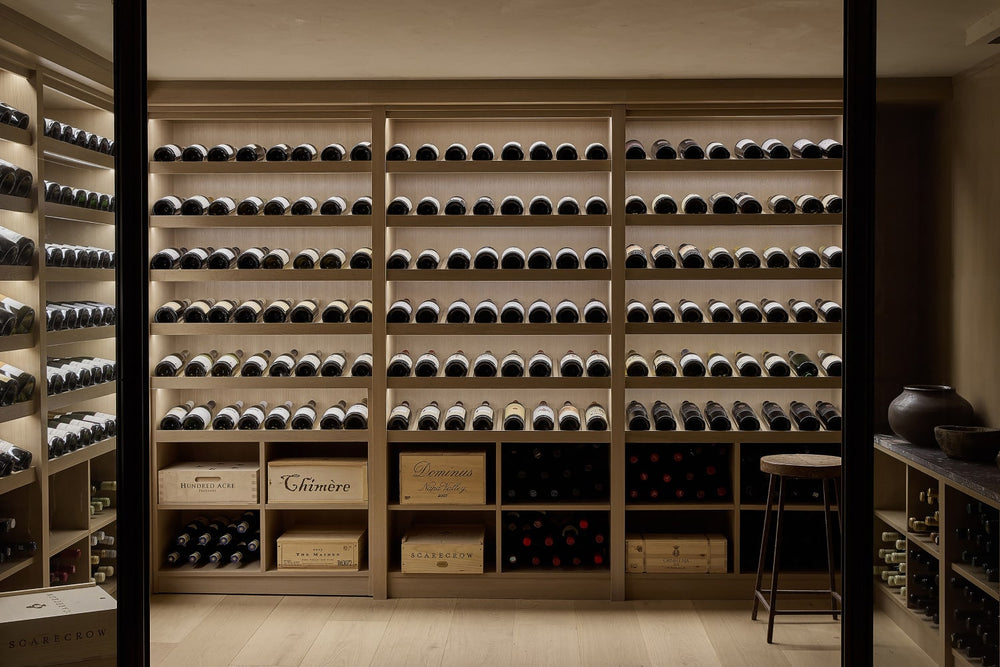
Deeper Explanation Aging can refer to two things. First is the time the wine spends at the winery before it’s sold, often in oak barrels or stainless steel tanks. Second is the time it spends in your cellar after you buy it. The process of aging allows a wine’s flavors to evolve from simple fruitiness to more complex notes of earth, spice, and leather. Not all wines are meant to be aged; in fact, over 90% of wine is meant to be drunk within a year or two of its release. Only wines with high levels of acidity, tannin, or sugar have the structure to improve with age. Investing in the right wine cellar essentials is key for successful aging.
Barrel
Simple Definition A hollow cylindrical container, typically made of oak, used for fermenting and aging wine.
Deeper Explanation Oak barrels do two main things for a wine. First, they allow a slow, controlled exposure to oxygen, which helps soften the wine’s texture. Second, they impart flavors and tannins from the wood itself. The type of oak (French, American, Hungarian), the size of the barrel, and the level of “toast” (how much the inside is charred) are all critical decisions for the winemaker. A new French oak barrel might add notes of vanilla, baking spice, and cedar, while a neutral (old, used) barrel will soften the wine without adding much flavor. American oak tends to impart more pronounced notes of coconut and dill.
Blend
Simple Definition A wine made from more than one grape varietal.
Deeper Explanation Blending is an art form. Winemakers create blends to achieve balance and complexity. One grape might provide structure and tannins (like Cabernet Sauvignon), another might add soft, fruity flavors (like Merlot), and a third might contribute color and spice (like Petit Verdot). The famous wines of Bordeaux and the Rhône Valley in France are classic examples of blends that have been refined over centuries.
Cold Stabilization
Simple Definition A winery process of chilling wine to near-freezing temperatures to cause tartrate crystals to precipitate out before bottling.
Deeper Explanation If you’ve ever found small, glassy crystals at the bottom of a wine bottle or stuck to the cork, those are tartrate crystals—also called “wine diamonds.” They are completely harmless, tasteless, and are simply a natural byproduct of tartaric acid in wine. Many commercial wineries cold-stabilize their wines before bottling to prevent these crystals from forming in the bottle and alarming consumers. Natural and minimal-intervention winemakers often skip this process, so finding crystals in their wines is a sign of minimal processing, not a defect.
Fermentation
Simple Definition The process where yeast converts grape sugar into alcohol and carbon dioxide.
Deeper Explanation This is the fundamental magic trick of winemaking. Without fermentation, you just have grape juice. The yeast can be a commercial strain bought from a lab, chosen for its reliability and predictable flavor contribution, or it can be the “native” or “ambient” yeast that naturally exists on the grape skins and in the winery. Natural winemakers exclusively use native yeasts, which they believe contributes to the wine’s unique terroir expression.
Filtration & Fining
Simple Definition Processes used to clarify wine and remove unwanted particles before bottling.
Deeper Explanation Fining involves adding a substance (like bentonite clay, egg whites, or isinglass from fish bladders) that binds to tannins, proteins, or other compounds and causes them to clump together and sink to the bottom of the tank, where they can be removed. Filtration passes the wine through a filter to physically remove particles. Both processes create a clear, bright wine. However, some winemakers believe aggressive fining and filtration can strip a wine of color, flavor, and texture. “Unfiltered” and “unfined” wines are a badge of honor for many natural and artisan producers.
Lees / Sur Lie Aging
Simple Definition Lees are the dead yeast cells and grape solids that settle to the bottom of a tank or barrel after fermentation. “Sur lie” means aging the wine in contact with these lees.
Deeper Explanation Aging a wine on its lees (sur lie in French) is a technique that adds texture, richness, and complexity. The dead yeast cells break down over time in a process called autolysis, releasing compounds that give the wine a creamy, bread-dough, or biscuity character. This is most famous as the technique behind Champagne’s toasty complexity (the bottles are aged on lees for years) and the rich, full-bodied texture of quality white Burgundy. The winemaker may also periodically stir the lees (called bâtonnage) to increase contact and amplify this effect.
Maceration
Simple Definition The process of soaking grape skins in the wine juice to extract color, tannins, and flavor compounds.
Deeper Explanation This is why red wines are red. The color pigments (anthocyanins), tannins, and many flavor compounds in red grapes exist primarily in the skins, not the juice. By leaving the grape skins in contact with the juice during and after fermentation, winemakers extract these elements. The longer the maceration, the more color, tannin, and flavor is extracted, resulting in a deeper, more structured wine. For white wines, maceration is avoided entirely (to preserve freshness and avoid tannic extraction), except in the case of “orange wines” or “skin-contact wines,” which are a fascinating growing trend.
Malolactic Fermentation (MLF)
Simple Definition A secondary fermentation that converts sharp malic acid into softer, creamier lactic acid.
Deeper Explanation Malic acid is the tart acid you find in a green apple. Lactic acid is the softer acid found in milk or yogurt. This process (often called “malo” or “MLF”) lowers the wine’s overall acidity and creates a rounder, richer, and more buttery texture. It’s almost always used for red wines and is very common in full-bodied Chardonnays (it’s responsible for that classic buttery note). For crisp, aromatic white wines like Sauvignon Blanc, winemakers will actively block MLF to preserve the wine’s sharp, zesty acidity.
Natural Wine
Simple Definition Wine made with minimal intervention, using only organically or biodynamically grown grapes and native yeasts, with little or no additives.
Deeper Explanation “Natural wine” has no legal definition, but it describes a philosophy of minimal interference in the winemaking process. Natural winemakers avoid commercial yeasts, enzymes, fining agents, and added sulfites. The goal is to make wine that purely expresses the grape and the place. These wines can be exhilarating and complex, but they can also be volatile and unpredictable. Slight cloudiness and a gentle fizz (referred to as “pét-nat” character) are common and considered features, not faults. Our guide to organic and natural wines explores this world in depth.
Sulfites (Sulphur Dioxide / SO2)
Simple Definition A natural byproduct of fermentation that is also often added by winemakers as a preservative and antioxidant.
Deeper Explanation Sulfites are one of the most misunderstood subjects in wine. SO2 is a natural antioxidant and antibacterial agent that has been used in winemaking for centuries to protect the wine from spoilage and oxidation. A tiny amount is produced naturally during fermentation. Most winemakers add a small extra dose to ensure the wine is stable. The amount is legally regulated and is generally very low—far less than the sulfites found in most dried fruits. The “Contains Sulfites” warning on U.S. labels is a government-mandated allergen warning. True sulfite allergies are rare; headaches after wine are far more likely caused by histamines or dehydration.
In the Glass: Tasting & Describing Wine
This is where you get to put your knowledge into practice. These terms will help you articulate what you are smelling, tasting, and feeling, transforming your experience from simply “I like it” to understanding why you like it. Building this vocabulary is the foundation of developing a confident and educated palate.
Acidity
Simple Definition The tart, mouth-watering quality of a wine.
Deeper Explanation Acidity is the backbone of a wine. It’s what makes it taste fresh, crisp, and vibrant. You feel it on the sides of your tongue, and it’s what makes your mouth water. Too little acidity, and a wine tastes flat and flabby. Too much, and it can taste overly sour. Think of it as the squeeze of lemon that brightens up a dish. A wine with good acidity pairs beautifully with food and has the structure to improve with age.
Acidity Scale: Very Low (flat, flabby) → High (crisp, zesty, mouth-watering)
Aeration
Simple Definition The process of deliberately exposing wine to oxygen to help it open up.
Deeper Explanation Exposing a young, tightly wound wine to oxygen helps to soften its tannins and release its aromatic compounds. This is why we swirl wine in a glass. For a more dramatic effect, we use a decanter. The act of pouring the wine into a decanter introduces a large amount of oxygen at once, which can dramatically improve the taste and smell of a powerful young red wine in 30–60 minutes. To see this in action, check out our guide to the best wine decanters.
Aroma / Bouquet
Simple Definition The smells of a wine. “Aroma” refers to the primary smells from the grape, and “Bouquet” refers to the smells from winemaking and aging.
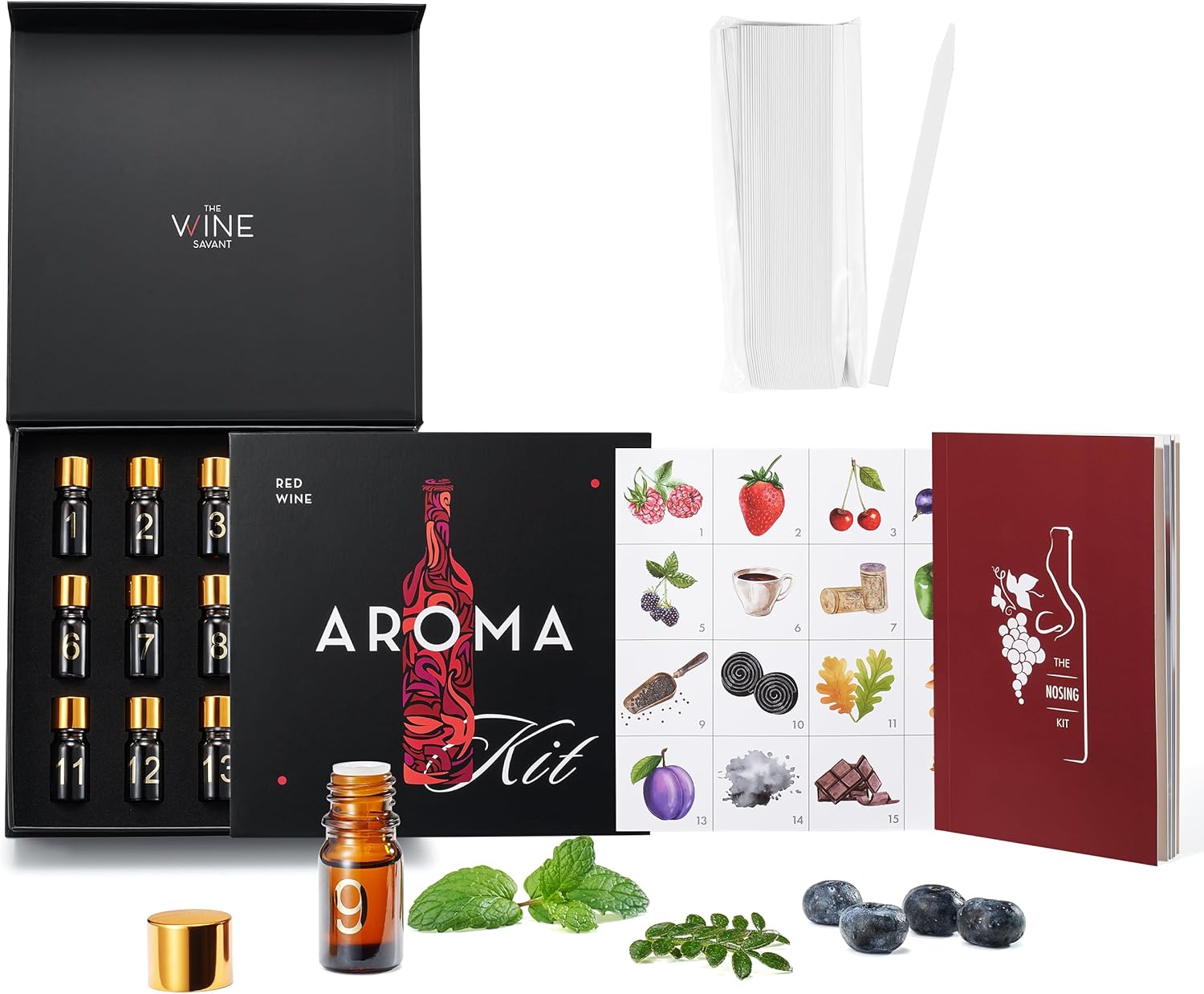
Deeper Explanation As a beginner, you can use these terms interchangeably. Technically, primary aromas come directly from the grape varietal—things like fruit (cherry, lemon), floral (rose, violet), and herbal (mint, grass) notes. Secondary aromas come from the fermentation process. The bouquet (pronounced “boo-KAY”) develops over time from winemaking (like the vanilla from an oak barrel) and bottle aging (like the notes of mushroom, leather, or tobacco in an old red wine). This three-tier structure is called the aromatic complexity of a wine.
Balance
Simple Definition The harmonious relationship between a wine’s key structural elements: acidity, tannin, alcohol, sweetness, and fruit.
Deeper Explanation Balance is the single most important concept in wine quality assessment. A balanced wine is one in which no single element dominates or distracts. The acidity isn’t sharp enough to make you wince; the tannins aren’t grippy enough to be uncomfortable; the alcohol doesn’t burn; the fruit isn’t so overwhelming that it tastes like jam; the sweetness (if any) is offset by corresponding acidity. When a wine is in balance, all you notice is its beauty and complexity—not its individual components. Great winemaking is largely the pursuit of balance.
Body
Simple Definition The perceived weight and richness of a wine in your mouth.
Deeper Explanation The easiest analogy is milk. Skim milk is light-bodied, whole milk is medium-bodied, and heavy cream is full-bodied. Body in wine is primarily a result of alcohol content, but also sugar and extract. A light-bodied wine feels delicate in your mouth (like a Pinot Grigio or Beaujolais). A full-bodied wine feels heavy, rich, and viscous (like a big Napa Cabernet Sauvignon or an oaked Chardonnay).
Complexity
Simple Definition A quality wine term describing a wine that has many different layers of aroma and flavor that evolve over time.
Deeper Explanation A simple wine tastes like one thing—fruit, for instance—and that’s essentially it. A complex wine reveals different aromas and flavors as you smell it, as you taste it, and as it sits in the glass and evolves with oxygen. The first smell might offer cherry and roses; a moment later, you detect something earthy, like forest floor; then a hint of spice or cedar. This layered, evolving quality is what sommeliers mean by complexity, and it is a hallmark of great wine.
Dry / Off-Dry / Sweet
Simple Definition Terms describing the level of residual sugar in a wine.
Deeper Explanation A “dry” wine has had virtually all of its sugar converted to alcohol during fermentation, leaving no sweetness. An “off-dry” wine retains a small amount of sugar, giving a slight, perceptible sweetness that is often described as “fruity” but is technically sweet. A “sweet” wine has significant residual sugar, either from naturally very ripe grapes, stopping fermentation early, or drying/concentrating the grapes. Importantly, a wine can smell sweet (due to ripe fruit aromas) while being technically bone dry on the palate—a common source of confusion for beginners.
Earthy / Minerality
Simple Definition Tasting notes describing flavors reminiscent of soil, rocks, wet stone, or forest floor.
Deeper Explanation “Earthy” and “mineral” are two of the most discussed and debated descriptors in wine. Earthy wines evoke the smell of the ground—mushrooms, truffles, forest floor, clay, or even barnyard. This is common in older Burgundy, Barolo, and many natural wines. Minerality—often described as wet slate, chalk, flint, or oyster shell—is hotly debated. Some scientists argue wine cannot technically taste of minerals from the soil. Others argue that specific soil types and viticultural practices do result in perceptible mineral sensations. Whatever the science, these descriptors are widely used and intuitively understood by experienced tasters.
Finish
Simple Definition The impression and flavors that linger in your mouth after you have swallowed the wine.
Deeper Explanation The finish is a key indicator of wine quality. A high-quality wine will have a long, pleasant finish where the flavors seem to persist for 30 seconds or more. A simple, lower-quality wine will have a short finish, where the taste disappears almost immediately. Tasters often describe finish length in terms of “caudalie”—a somewhat technical term from French that simply means the number of seconds the aftertaste lingers.
Legs / Tears
Simple Definition The droplets or streaks of wine that run down the side of the glass after swirling.
Deeper Explanation For a long time, people thought “legs” were a sign of a high-quality wine. In reality, they are simply an indication of alcohol content—a scientific phenomenon called the Marangoni effect, where alcohol evaporates faster than water, creating surface tension that forms the droplets. Thicker, slower-moving legs generally mean higher alcohol. It’s interesting to observe but not a reliable indicator of quality. You’ll see them best in one of the best wine glasses for red wine.
Oxidation / Oxidized
Simple Definition What happens when a wine is exposed to too much oxygen, causing it to lose freshness and develop nutty, sherry-like, or flat flavors.
Deeper Explanation Controlled oxidation (through barrel aging or decanting) is beneficial and intentional. Uncontrolled oxidation (through a faulty cork, improper storage, or leaving a bottle open too long) is a wine flaw. An oxidized wine will appear brownish rather than vibrant, smell flat or like bruised apple and sherry, and taste dull and lifeless. Once a wine is oxidized, there is no saving it. Prevention—proper storage, good corks, and drinking opened bottles promptly—is the only solution. This is where tools like the Coravin preservation system become genuinely invaluable for collectors.
Reduction / Reductive
Simple Definition A winemaking fault caused by insufficient oxygen during fermentation, producing unpleasant sulfur-related aromas.
Deeper Explanation Reduction is the opposite of oxidation. It occurs when yeast is deprived of oxygen during fermentation, causing it to produce hydrogen sulfide and other sulfur compounds. A reductive wine might smell of struck match, rubber, raw onion, or rotten eggs—none of which is pleasant. The good news is that reduction is often volatile and will blow off with air. Swirling the glass vigorously, or decanting the wine, introduces oxygen and can banish these aromas within a few minutes, revealing the beautiful wine underneath. It is a fault that can often be corrected at the table.
Tannin
Simple Definition A naturally occurring polyphenol found in grape skins, seeds, and stems that creates a drying, astringent sensation in the mouth.
Deeper Explanation Tannin is a structural component of red wines. It’s the same compound that makes an over-steeped cup of black tea taste bitter and dry. In wine, tannins create a texture you feel on your gums and the insides of your cheeks. While aggressive tannins can be unpleasant in a young wine, they are crucial for aging potential. Over time, tannins polymerize and soften, contributing to the velvety texture prized in a mature Barolo or Bordeaux. Learning to distinguish between “grippy,” “fine-grained,” “silky,” and “chewy” tannins is a key milestone in developing a sophisticated palate.
On the Label: Decoding the Bottle
The wine label is a treasure map, but you need to know how to read the symbols. These terms will help you decode the key information on a bottle and make smarter buying decisions—whether you’re browsing at a wine shop or scrolling through an online retailer.
Cuvée
Simple Definition A French term for a specific blend or batch of wine.
Deeper Explanation Cuvée (pronounced “koo-VAY”) can mean several things. It can refer to the first-pressed, highest-quality juice from the grapes. More commonly, you’ll see it on a label to denote a specific wine from a producer who makes several different bottlings. For example, a winery might have its standard “Chardonnay” and then a special “Reserve Cuvée” from the best barrels. In Champagne, it is simply the term for a specific bottling, as in “Tête de Cuvée” (the prestige bottling from a house, like Dom Pérignon).
Domaine / Château / Winery
Simple Definition Terms for the property or estate that produces the wine.
Deeper Explanation In Burgundy, the producer is typically called a “Domaine.” In Bordeaux, the traditional term is “Château.” In the U.S., Australia, and most New World countries, “Winery” or “Estate” is the norm. While these are largely regional vocabulary differences, “Château” and “Domaine” do carry implicit connotations of estate-grown wines—though this is not always strictly the case. “Négociant” is a related term describing a merchant or producer who buys grapes or wine from other growers to blend and bottle under their own label, common in Burgundy and Champagne.
Old Vines (Vieilles Vignes)
Simple Definition Wine made from grapes grown on significantly older-than-average vines.
Deeper Explanation While there is no legal definition for “old vines,” it generally refers to vines that are 30, 50, or even 100+ years old. As vines age, they produce fewer grapes, but those grapes are often smaller and much more concentrated in flavor. Wines from old vines are typically richer, more complex, and have greater depth. It’s generally a sign of quality, though as with “Reserve,” there is no legal enforcement in most countries.
Reserve (Reserva / Riserva)
Simple Definition A term that implies a wine is of a higher quality, has been aged longer, or is from a special batch.
Deeper Explanation In Spain (“Reserva,” “Gran Reserva”) and Italy (“Riserva”), this term has a strict legal definition requiring a specific minimum amount of aging. In the United States and many other New World countries, “Reserve” has no legal meaning—a winery can use it on any wine they want. Always trust the producer’s reputation and research over the word “Reserve” alone when buying unfamiliar wines.
Sustainable Viticulture
Simple Definition Farming practices that balance environmental responsibility, economic viability, and social equity without necessarily adhering to strict organic certification.
Deeper Explanation “Sustainable” is a broad term that sits between conventional and certified organic farming. A sustainable winery might use some pesticides but minimizes them wherever possible, invests in water conservation, reduces energy use, and supports the well-being of its workers and community. Many excellent wineries are certified sustainable through organizations like LIVE (Low Input Viticulture and Enology) in the Pacific Northwest or SIP (Sustainability in Practice) in California. It’s a meaningful designation that reflects a genuine commitment to responsible stewardship, even if it lacks the strict chemical prohibitions of organic certification.
The Essential Grape Varieties: A Beginner’s Guide
Of the thousands of grape varieties cultivated around the world, a handful dominate the global wine scene. As a beginner, these are the grapes to know first—their flavor profiles, their classic regions, and the food they pair with best. Familiarity with these varieties gives you an immediate framework for understanding the wines you encounter.
The Classic Red Grapes
The king of red grapes. Full-bodied, high tannin, high acidity. Black currant, cedar, tobacco. Classic regions: Napa Valley, Bordeaux, Coonawarra.
Softer and more approachable than Cab. Medium-full body, plum, chocolate, mocha. Classic regions: Bordeaux (Pomerol), Napa Valley, Tuscany.
The heartbreaker grape—difficult to grow, transcendent when right. Light-to-medium body, red cherry, earth, silk. Classic regions: Burgundy, Oregon, Sonoma Coast.
Same grape, different styles. French Syrah: savory, peppery, dark fruit. Australian Shiraz: lush, ripe, chocolate. Classic regions: Northern Rhône, Barossa Valley.
America’s heritage grape. High alcohol, jammy blackberry, spice. Classic regions: Sonoma, Lodi, Paso Robles. (Note: genetically identical to Italy’s Primitivo.)
Italy’s greatest noble grape. High tannin, high acidity, tar and roses, dried cherry. Ages magnificently. Classic region: Piedmont, Italy.
The backbone of Tuscan wine. Medium body, bright acidity, sour cherry, tomato leaf, leather. Classic regions: Chianti Classico, Montalcino.
Spain’s most important grape. Medium body, red cherry, leather, tobacco, vanilla from oak. Classic regions: Rioja, Ribera del Duero.
The Classic White Grapes
The world’s most planted white grape. Style varies wildly: lean and mineral (Chablis) to rich and buttery (California). A true chameleon of the wine world.
Crisp, aromatic, high acid. Grapefruit, cut grass, elderflower. Classic regions: Loire Valley (Sancerre), New Zealand (Marlborough), California.
One of the world’s greatest grapes. High acidity, intensely aromatic, styles from bone dry to lusciously sweet. Peach, apricot, petrol. Classic regions: Mosel, Alsace, Clare Valley.
Italian PG: light, crisp, neutral, refreshing. Alsatian PG: rich, spicy, full-bodied. Same grape, dramatically different styles depending on climate and winemaking.
One of the most distinctive wines on earth. Intensely aromatic: lychee, rose petal, ginger. Off-dry to sweet. A little goes a long way. Classic region: Alsace, France.
Lush, full-bodied, low acid. Peach, apricot, honeysuckle. Can be heady and perfumed. Classic regions: Condrieu (Northern Rhône), Virginia, South Australia.
Incredibly versatile: sparkling (Vouvray Pétillant), dry, sweet, or dessert. High acidity preserves it for decades. Apple, quince, honey. Classic region: Loire Valley.
Spain’s most exciting white grape. Crisp, aromatic, high acid. Peach, lime zest, white flowers. Perfect with seafood. Classic region: Rías Baixas, Galicia, Spain.
Understanding Wine Styles: Key Terms Explained
Beyond individual grapes and regions, understanding the major wine styles—and the vocabulary that defines them—gives you a powerful shortcut for choosing wines you’ll enjoy. These are the most important style-related terms every beginner should know.
Sparkling Wine
Simple Definition Wine with significant carbonation, either naturally produced through a second fermentation or artificially added.
Deeper Explanation Not all bubbles are equal. The traditional method (méthode champenoise), used in Champagne and Cava, involves a second fermentation in the bottle, producing fine, persistent bubbles and complex, autolytic flavors (bread, biscuit, yeast). The tank method (Charmat method), used for Prosecco, conducts the second fermentation in a large tank, producing a fresher, fruitier style with less yeast character. Pétillant Naturel (pét-nat) is an ancestral method where fermentation is completed in the bottle, producing a rustic, lightly fizzy, often cloudy wine that is a darling of the natural wine movement.
Rosé Wine
Simple Definition Pink wine made from red grapes with brief skin contact, giving color without the full tannin extraction of a red wine.
Deeper Explanation Rosé is not a blend of red and white wine (with the exception of Champagne rosé, which can be). It is made primarily by the “saignée” (bleed) method—drawing off some of the juice from a red wine fermentation after just a few hours of skin contact—or the “direct press” method, where red grapes are pressed immediately with minimal skin contact. The result is a wine with the delicacy of a white and the red fruit aromatics of the grape. The most celebrated dry rosés come from Provence, France, and are known for their pale salmon color, dry palate, and notes of strawberry, peach, and herbes de Provence.
Dessert Wine / Sweet Wine
Simple Definition Wine with significant residual sugar, produced through various methods of concentrating the grape’s natural sweetness.
Deeper Explanation The world of sweet wines is extraordinarily diverse. Key methods of achieving sweetness include: drying grapes on mats (Amarone, Passito); allowing Noble Rot—a benevolent fungus called Botrytis cinerea that concentrates the sugars in the grape (Sauternes, Tokaji, German TBA/BA); harvesting grapes after they have naturally frozen on the vine, which concentrates their sugars (Eiswein/Ice Wine); and simply stopping fermentation before all the sugar converts to alcohol (many fortified wines and German Kabinett/Spätlese). The common thread is high residual sugar balanced by high acidity to prevent the wine from tasting cloying.
Fortified Wine
Simple Definition Wine to which a spirit (usually grape brandy) has been added, increasing its alcohol content to 15–22% and often stopping fermentation to retain residual sugar.
Deeper Explanation The great fortified wines—Port, Sherry, Madeira, and Marsala—are some of the most complex and long-lived wines in the world. In Port production, brandy is added during fermentation, killing the yeast and leaving a rich, sweet wine. In dry Sherry production, fermentation is allowed to complete before fortification; the resulting wine is then aged under a layer of yeast called “flor” in a unique oxidative system called the Solera. Madeira is intentionally heated during production (a process called estufagem), making it one of the world’s most virtually indestructible and ageworthy wines.
Food & Wine Pairing Vocabulary
Understanding the language of food and wine pairing is one of the most practical applications of your growing wine vocabulary. These are the core concepts and terms that professional sommeliers use when building pairings.
Congruent Pairing
Simple Definition A pairing that amplifies shared characteristics between the wine and the food.
Deeper Explanation A congruent pairing doubles down on what both the wine and the food share. A rich, buttery Chardonnay with a creamy lobster bisque is congruent—both are rich, both are buttery, and they amplify each other’s lushness. A sweet Sauternes with foie gras is a classic congruent pairing—the richness of both the wine and the dish create a unified, intensely decadent experience. Congruent pairings are often the most indulgent and memorable.
Contrasting Pairing
Simple Definition A pairing that uses opposite characteristics in the wine and the food to create balance.
Deeper Explanation Where congruent pairings match like with like, contrasting pairings use the tension between opposites to create harmony. A crisp, high-acid Sauvignon Blanc with a rich, creamy goat cheese uses the wine’s acidity to cut through the fat of the cheese, cleansing the palate and refreshing it for the next bite. A briny, mineral Champagne with salty fried chicken uses contrast—the bubbles and acidity cutting through the richness and fat—to create one of the most celebrated non-traditional pairings in gastronomy. Both approaches are valid; the best choice depends on the specific food and wine.
Bridge Ingredient
Simple Definition An element in a dish—often a sauce, spice, or cooking method—that links the flavors of the food to the flavors of the wine.
Deeper Explanation Bridge ingredients are the sommelier’s secret weapon. A grilled salmon is a notoriously difficult pairing—fatty fish can make red wine taste metallic. But add a pinot-based red wine reduction sauce to the salmon, and suddenly a Pinot Noir works beautifully, because the sauce acts as a flavor bridge between the fish and the wine. Similarly, adding mushrooms to a chicken dish bridges it toward earthier red wines that would otherwise overwhelm the delicate poultry. When pairing is challenging, think about the bridge ingredient before changing the wine.
Structure Match
Simple Definition The principle of matching the body and intensity of the wine to the body and intensity of the food.
Deeper Explanation A delicate dish needs a delicate wine; a powerful dish needs a powerful wine. This is perhaps the most fundamental pairing rule. Serving a 15% alcohol Napa Cabernet with a fillet of sole demolishes the food—the wine’s weight and tannin simply buries the delicacy of the fish. Conversely, serving a light Vinho Verde with a braised short rib results in the food overwhelming the wine, making it taste thin and watery. Structure matching ensures neither partner overwhelms the other.
Wine Service & Storage Terms
Knowing how to properly serve and store wine is the practical application of everything you’ve learned. These are the terms you’ll encounter at restaurants, wine shops, and in the growing world of home wine storage.
Decanting
Simple Definition Pouring wine from its bottle into a separate glass vessel (a decanter) before serving.
Deeper Explanation Decanting serves two purposes. For young wines, it introduces oxygen rapidly, softening tannins and opening up aromas—a process that might otherwise take years in the cellar. For older wines with sediment, it allows the clear wine to be separated from the gritty deposits at the bottom of the bottle, which are harmless but unpleasant. The act of slowly pouring an old wine over a candle flame (to see the sediment as it approaches the neck) is one of the most ceremonial and reverent rituals in wine service.
Corked (TCA Taint)
Simple Definition A wine fault caused by a contaminated cork, resulting in a musty, wet cardboard, or moldy smell that masks the wine’s true aromas.
Deeper Explanation “Corked” wine (caused by a chemical compound called TCA — trichloroanisole) is the most common wine fault. TCA develops when naturally occurring mold in a cork reacts with chlorine-based compounds. The resulting wine smells like a wet dog, damp basement, or musty cardboard. In severe cases, it is immediately obvious. In mild cases, it simply makes the wine seem flat, dull, and devoid of fruit—harder to identify. When you smell or taste a corked wine at a restaurant, it is completely acceptable to send it back. The restaurant will return the bottle to its distributor. Do not feel uncomfortable doing so—it is a legitimate fault, not a matter of preference.
Sommelier
Simple Definition A trained and certified wine professional, typically working in a restaurant, responsible for wine selection, service, and pairing recommendations.
Deeper Explanation A sommelier (pronounced “suh-mel-YAY”) is not there to intimidate you—they are there to help you have a better experience. The most important thing to tell a sommelier is your budget and a general flavor direction (“I like something dry and not too heavy” or “We’re having steak and I want something bold”). They will do the rest. The Court of Master Sommeliers (CMS) and the Wine & Spirit Education Trust (WSET) are the two most globally recognized wine education and certification bodies.
Temperature Storage Guidelines
Proper temperature is the single most important factor in wine storage. Here is the essential reference:
| Wine Type | Ideal Storage Temp | Ideal Serving Temp | Notes |
|---|---|---|---|
| Sparkling / Champagne | 50–55°F (10–13°C) | 40–50°F (4–10°C) | Always serve very cold; ice bucket after opening |
| Crisp White Wines | 50–55°F (10–13°C) | 45–50°F (7–10°C) | Don’t over-chill; too cold mutes aromatics |
| Full-Bodied Whites | 50–55°F (10–13°C) | 50–55°F (10–13°C) | Slightly warmer than crisp whites to show texture |
| Rosé Wine | 50–55°F (10–13°C) | 48–55°F (9–13°C) | Serve well-chilled; keep chilled throughout service |
| Light-Bodied Reds | 55°F (13°C) | 55–60°F (13–16°C) | A slight chill brightens freshness |
| Full-Bodied Reds | 55°F (13°C) | 60–65°F (16–18°C) | “Room temp” is often too warm; cool briefly in fridge |
| Fortified / Dessert | 55°F (13°C) | 55–65°F (13–18°C) | Varies by style; port slightly cooler, dry sherry warmer |
How to Taste Wine Like a Sommelier: A Step-by-Step Method
Knowing the vocabulary is one thing. Knowing how to systematically apply it to a glass of wine is what separates an educated taster from someone who just drinks. The professional tasting method is built on a simple four-step framework that anyone can learn and practice. Here is exactly how to do it.
Step 1: See — Assess the Wine’s Appearance
Tilt your glass at a 45-degree angle against a white background (a napkin or sheet of paper works perfectly). Observe the wine’s color. For white wines, color ranges from pale straw to deep golden amber. A very pale wine is often lighter, crisper, and younger. A deep golden color often indicates a fuller-bodied wine, possible oak aging, or significant bottle age. For red wines, look at the rim (the thinnest edge of the wine). A vibrant, deep purple or ruby rim indicates youth. A brick, garnet, or brown rim indicates age. The color depth—looking down through the glass from above—gives you an indication of concentration and varietal (Pinot Noir is typically translucent; Syrah is opaque).
Step 2: Swirl — Aerate and Release the Aromas
Give the wine a vigorous swirl. If you’re nervous about spilling, start by practicing with the glass firmly on the table, moving it in small circles. The swirling increases the wine’s surface area, dramatically accelerating the evaporation of its volatile aromatic compounds. Now note the legs running down the side of the glass—remember, these tell you about alcohol level, not quality. A wine with fast, watery legs is lower in alcohol; a wine with slow, thick legs is higher in alcohol.
Step 3: Smell — Explore the Aromatics
Put your nose directly into the glass and take a short, sharp sniff. Don’t think too hard—your first instinct is usually right. What does it smell like? Try to categorize it: is it primarily fruity? Earthy? Floral? Spicy? Then take a longer, deeper sniff and try to identify specific smells within those categories. Is the fruit red (cherry, strawberry, raspberry) or black (blackberry, cassis, plum)? Is there any oak (vanilla, cedar, toast)? Any earthiness (mushroom, truffle, forest floor)? Any other complexity (herbs, flowers, minerals)? Smell the wine again after it has been in the glass for a few minutes—it will often reveal new aromas as it opens up with air.
Step 4: Taste — Analyze the Palate Systematically
Take a medium-sized sip and let it cover all parts of your mouth. Don’t swallow immediately. As you taste, systematically work through the key structural elements in this order: First, note the sweetness (is there any perceptible sugar, or is it completely dry?). Second, assess the acidity (does it make your mouth water on the sides of your tongue?). Third, assess the tannins (for red wines—do you feel a drying, grippy sensation on your gums and the inside of your cheeks?). Fourth, note the body (does the wine feel light or heavy, like skim milk or cream?). Fifth, identify the flavor profile (how do the flavors compare to what you smelled?). Finally, note the finish—after you swallow, how long do the flavors linger? Write all of this down in your tasting journal.
The Sommelier’s Cheat Code: The “BLIC” Method
If the four-step method feels overwhelming at first, simplify it with the BLIC framework—a quick mental checklist for any wine:
- B — Balance: Do all the elements (acid, tannin, alcohol, fruit) feel in harmony, or does one dominate?
- L — Length: How long does the finish last after you swallow?
- I — Intensity: Are the flavors and aromas subtle or powerful?
- C — Complexity: Are there multiple layers of aroma and flavor, or is it one-dimensional?
Score each element from 1–3. A wine scoring 10–12 total is exceptional. A wine scoring 4–6 is simple but pleasant. This simple system gives you an immediate, replicable quality benchmark for any wine you taste.
Frequently Asked Questions About Wine Terminology
What is the difference between a grape variety and a varietal wine?
A grape “variety” (or “varietal”) refers to the type of grape—Chardonnay, Merlot, etc. A “varietal wine” is a wine named after its primary grape, which is common in New World countries (USA, Australia, Chile). Old World wines (France, Italy, Spain) are more often named after their region or appellation—Burgundy, Chianti, Rioja—even though each of these is dominated by specific grape varieties.
What does “dry” mean in wine? Does it mean not sweet?
Yes, exactly. “Dry” in wine simply means that all (or nearly all) of the grape’s natural sugar was converted to alcohol during fermentation, leaving no perceptible sweetness. A dry wine has no more than about 4 grams per liter of residual sugar. Confusingly, a dry wine can still smell “sweet” because ripe fruit aromas trick the brain—but this is aroma, not actual sugar. If you taste no sweetness but detect fruity aromas, the wine is dry.
What is the difference between “aroma” and “bouquet”?
Technically, “aroma” refers to the smells that come from the grape itself—the primary fruit and floral characteristics inherent to that specific variety. “Bouquet” refers to the more complex smells that develop from winemaking processes (fermentation, oak aging) and bottle aging over time. In everyday wine conversation, the two terms are used interchangeably and both simply mean “the way the wine smells.”
How do I know if a wine is “corked”?
A corked wine has a very distinctive smell: musty, like a damp basement, wet dog, wet cardboard, or old newspapers. In severe cases, it is immediately obvious. In mild cases, the wine will simply seem dull, muted, and stripped of fruit—like a shadow of what it should be. If you’re at a restaurant and suspect a corked wine, tell the server or sommelier. It is not a matter of preference; it is a legitimate manufacturing defect, and the restaurant will replace the bottle without question.
What does “terroir” actually mean for someone drinking wine?
When you’re drinking wine, terroir is the reason the same grape variety can taste completely different depending on where it comes from. A Pinot Noir from Burgundy tastes like earth, red cherries, and subtle mushroom. A Pinot Noir from Central Otago, New Zealand, tastes like ripe dark cherries, thyme, and sun-baked stone. Both are 100% Pinot Noir, but their places—the soil, the climate, the altitude, the aspect to the sun—make them taste completely different. That difference, which is specific, real, and traceable, is what winemakers mean when they talk about the terroir.
Are sulfites really what cause wine headaches?
This is one of the most persistent myths in wine culture. The evidence overwhelmingly suggests that sulfites are not the primary cause of wine headaches in most people. True sulfite sensitivity (not an allergy, technically) is rare and typically causes respiratory symptoms, not headaches. Most wine headaches are far more likely caused by dehydration (not drinking enough water alongside wine), histamines (naturally occurring compounds that trigger responses in some people, particularly in red wine), tyramine (another naturally occurring compound), or simple overconsumption. Interestingly, dried fruits contain far more sulfites than wine—so if sulfites were truly the culprit, apricots and raisins would be far more problematic than wine.
What is the simplest way to start developing my palate?
The most effective method is deliberate, comparative tasting. Buy two bottles of the same grape from two different regions—for example, a Sauvignon Blanc from New Zealand and one from France’s Loire Valley. Taste them side by side and write down every difference you notice in aroma, flavor, body, and finish. This comparative approach makes abstract concepts like terroir and climate concrete and immediately understandable. Do this once a week for a month and your palate will advance more quickly than a year of casual drinking. A tasting journal (like the one recommended below) is essential to this process.
What’s the difference between old world and new world wine?
“Old World” wines come from traditional European wine-producing countries: France, Italy, Spain, Germany, Portugal, and Austria. “New World” wines come from countries where winemaking was established more recently: the USA, Australia, New Zealand, Chile, Argentina, and South Africa. Old World wines tend to be named by region (Bordeaux, Chianti), tend toward earthy, savory, mineral flavors, and are often lower in alcohol due to cooler climates. New World wines are typically named by grape variety (Cabernet Sauvignon, Chardonnay), tend toward riper, fruitier, more immediately approachable flavors, and are often higher in alcohol due to warmer, sunnier growing conditions. These are broad generalizations—plenty of exceptions exist on both sides.
Essential Tools to Bring Your Wine Vocabulary to Life
Reading about these terms is one thing; experiencing them is another. These essential tools will help you actively engage with your wine, train your palate, and make the learning process fun and interactive. They also make fantastic wine gift ideas for any budding wine lover.
 Best Learning Tool
The Learning Tool: Moleskine “Passion Journal” for Wine
The fastest way to build your vocabulary is to write it down. This Moleskine journal is the perfect companion for your tasting journey. It’s not just a notebook; it’s a structured guide. Each page prompts you to record the wine’s details and provides space and cues for describing its appearance, nose, and palate. Using a journal like this turns passive drinking into active tasting. It forces you to search for the words to describe what you’re experiencing, solidifying the terms in your mind. I tell all my beginner students that a tasting journal is more important than any fancy gadget—it is the key to tracking your progress and discovering the patterns in your own palate. It’s especially useful when exploring wines from the best wine subscription boxes.
Pros
- Structured pages guide your tasting analysis
- Beautiful Moleskine quality and durability
- Builds vocabulary through active engagement
- Space for 144 individual tasting notes
- Includes wine color guide and aroma wheel reference
Cons
- Not a digital/searchable format
- Pages fill up quickly for frequent tasters
 Essential Sensory Tool
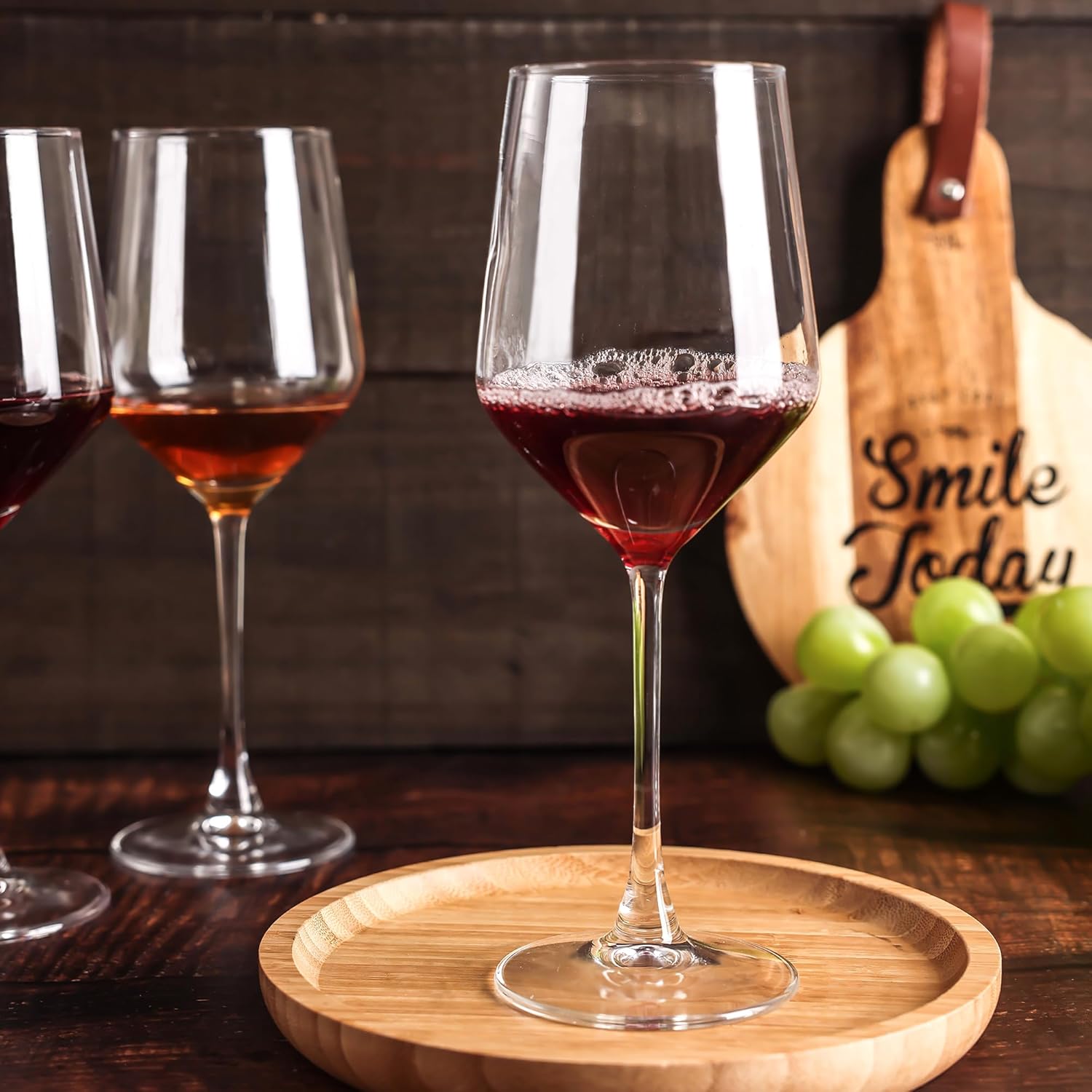
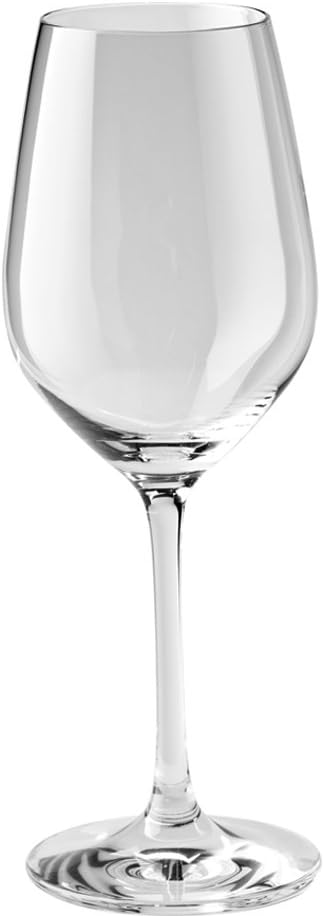
The Sensory Tool: ZWILLING Prédicat All-Purpose Wine Glasses
You can’t properly assess terms like “body,” “aroma,” or “legs” without the right glass. A high-quality, all-purpose crystal glass is an essential learning tool. These ZWILLING Prédicat glasses are a fantastic choice. Made in Germany, they have a large enough bowl to allow for vigorous swirling and a tapered rim to concentrate those aromas toward your nose. The thin crystal feels elegant and allows you to clearly see the wine’s color and viscosity. Using a proper glass versus a simple tumbler makes a night-and-day difference in your ability to perceive the nuances of a wine—like upgrading from standard-definition to 4K for your palate.
Pros
- German craftsmanship and quality control
- Universal shape for all wine styles
- Large bowl ideal for swirling and aroma assessment
- Dishwasher safe — practical for everyday use
- Excellent value for lead-free crystal
Cons
- Not as ultra-thin as hand-blown luxury glasses
- Universal shape, not varietal-specific
Conclusion: Go Forth and Taste!
The language of wine may seem complex, but every term in this glossary is simply a tool to help you better understand and enjoy what’s in your glass. Don’t feel pressured to memorize everything at once. Start by focusing on a handful of key concepts: Terroir (why place matters), Tannin and Acidity (the structural pillars of a wine), Body (weight and richness), and Finish (the indicator of quality). The next time you open a bottle of one of the best affordable wines, try to identify each of these in turn.
The more you taste consciously and systematically—using the four-step method, writing in your tasting journal, tasting comparatively—the more this language will become second nature. Every great sommelier started exactly where you are right now: curious, slightly confused, and holding a glass of wine. The only difference between you and them is time, tasting, and the willingness to pay attention.
This glossary is your companion on that journey. Return to it often, look up terms when you encounter them in the wild, and let each new term you understand become a small victory. Wine is one of the most rewarding hobbies in the world precisely because the learning never ends—there is always a new grape, a new region, a new winemaker, a new vintage waiting to surprise you. So pour yourself a glass, open your journal, and begin. Cheers!