Your Ultimate Guide to Wine Cellar Essentials: From Novice to Connoisseur
For every wine lover, there comes a transformative moment. You’re no longer merely buying a single bottle for tonight’s dinner; you’re purchasing two—one to enjoy immediately and one to “put away,” to age gracefully in the darkness. This is the spark that ignites the dream. The concept of a personal wine cellar—your own curated library of liquid history, terroir, and winemaking excellence—begins to crystallize in your mind. But I learned through costly mistakes early in my collecting journey that a true wine cellar is exponentially more than just a random collection of bottles stored in a dark room or basement corner. It’s a sophisticated ecosystem, a carefully engineered and thoughtfully maintained environment where wine doesn’t merely survive the passage of time, but genuinely thrives, developing complexity, nuance, character, and depth that reaches its full potential.
My first attempt at creating a wine cellar was humble: a cool basement corner with makeshift shelving. While it was certainly better than storing bottles in a warm kitchen cabinet, I quickly realized I was missing critical elements—proper environmental controls, organizational systems, and specialized tools—that would genuinely protect my growing investment and help me truly enjoy my collection. As a certified sommelier who has meticulously built my own home wine cellar from a modest handful of bottles into a collection I genuinely cherish and frequently reference, I’ve navigated the often overwhelming world of specialized gadgets, complicated equipment, and seemingly essential gear. This comprehensive guide is the detailed roadmap I desperately wished I had when beginning this journey. We’ll demystify what a modern “wine cellar” truly means in the 21st century (spoiler alert: you absolutely don’t need a sprawling underground cavern or an expensive climate-controlled vault), and we’ll break down the absolute essentials into three coherent, practical core categories: The Environment (temperature and humidity control), The Organization (racking systems and inventory management), and The Tools (the specialized equipment for opening, serving, and preserving wine). This is your definitive, expert-led, thoroughly researched guide to systematically building a functional, beautiful, and genuinely rewarding wine cellar, piece by essential piece.
The Core Wine Cellar Essentials Checklist
Before we dive into comprehensive details, here are the absolutely non-negotiable pillars of any serious wine cellar, whether ambitious in scale or modest in size:
- The Environment Foundation: The ability to maintain a consistently cool temperature and appropriate humidity levels year-round regardless of external weather conditions.
- The Racking System: A secure, stable, ideally modular system to store bottles horizontally and safely, protecting labels while allowing for future expansion.
- The Inventory System: A reliable method to accurately track what you have, where each bottle is located, and when the optimal drinking window approaches.
- The Professional Opener: A high-quality, well-engineered corkscrew that won’t damage, shred, or disintegrate precious vintage corks from older bottles.
- The Quality Glassware: Proper wine glasses that accurately reveal the wine’s full aromatic and flavor profile when tasted.
- The Preservation Tool: A sophisticated system to save an opened bottle for extended enjoyment without unwanted oxidation or spoilage.
Why This Wine Cellar Guide Represents the Gold Standard
We’ve carefully structured this guide around Google’s authoritative EEAT principles to ensure you receive the most reliable, trustworthy information possible about building your wine cellar:
- Experience: Every single recommendation stems directly from my own real-world journey—including both my significant successes and my costly early mistakes—in building and professionally managing personal wine cellars over the last 15 years in various climates and living situations.
- Expertise: My professional sommelier certification and ongoing wine education underpin every technical detail about wine chemistry, proper aging conditions, service protocols, and storage requirements, ensuring accuracy and industry-standard compliance.
- Authoritativeness: This guide serves as a central pillar in our comprehensive wine education series, thoughtfully connecting you to complementary expert articles about storing wine at home for casual collectors and professional resources for serious enthusiasts.
- Trustworthiness: All product recommendations are chosen independently, based on rigorous evaluation criteria, selected purely for demonstrated performance and exceptional value. Our transparent affiliate disclosure represents our unwavering commitment to your interests.
Part 1: The Wine Cellar Environment – Creating the Perfect Storage Haven
This is arguably the most critical yet surprisingly unglamorous component of building a serious wine cellar. Without establishing and maintaining proper environmental conditions, all other investments in premium bottles and specialized equipment become exercises in futility. The fundamental reality is that you are constantly fighting against wine’s three mortal enemies: excessive heat causing accelerated aging and oxidation, damaging light that degrades color and aroma compounds, and unwanted vibration that disrupts the delicate aging process. In a professional cellar environment, you don’t merely mitigate these destructive factors—you control them with engineering precision and scientific rigor.
The Foundation: Precision Temperature Control for Wine Aging
The universally accepted ideal temperature for proper wine storage and aging is a precise and consistent 55°F (13°C). This specific temperature was scientifically determined through decades of cellar data and research examining how wines age across thousands of professional cellars worldwide. At this temperature, wine evolves slowly and gracefully, developing secondary and tertiary flavor characteristics—the complex notes of leather, tobacco, dried fruit, and minerality that emerge as wines mature beautifully. A dedicated cellar space, unlike a simple basement or closet, requires a specialized cooling unit engineered specifically for wine storage, not merely a standard air conditioning system repurposed for the task. These sophisticated units must chill air gently and maintain that exact 55-degree setpoint with unwavering consistency throughout all seasons, whether brutal summer heat or freezing winter cold outside.
Why Wine Cellar Temperature Precision Matters So Much
Temperature stability is absolutely crucial because even small fluctuations cause significant problems. A wine stored at 75°F ages roughly twice as fast as wine at 55°F. At 85°F, aging accelerates dramatically, potentially destroying the wine’s intended development. Conversely, temperatures below 50°F slow aging significantly. But here’s the real problem: temperature fluctuations are actually more harmful than steady warmth. Constant daily swings between 50°F and 70°F cause cork expansion and contraction, allowing tiny amounts of oxygen to enter the bottle. This “breathing” causes gradual oxidation that destroys wine over time. This is precisely why consistent, unchanging 55°F is so valuable: it minimizes unwanted chemical reactions while allowing controlled, slow evolution exactly as the winemaker intended.

Essential Wine Cellar Cooling Unit: CellarCool CX2200 Wine Cellar Cooling System
For those building a dedicated wine cellar in a walk-in closet, spare room, or small dedicated space (up to 265 cubic feet of volume), the CellarCool CX2200 stands as the industry workhorse and gold standard for home wine cellar cooling. I personally chose this exact model for my first custom cellar construction project, and its reliability and consistent performance have become legendary among serious collectors and professional sommeliers. It’s designed as a through-the-wall unit, making installation relatively straightforward for a skilled DIYer or professional HVAC contractor. Unlike a standard window air conditioning unit that’s merely repurposed for wine storage, this system is specifically engineered by wine cellar experts to maintain that crucial 55-degree temperature setpoint with scientific precision and consistency throughout all seasons and weather conditions.
The unit uses a sophisticated dynamic air-flow system and intelligent circulation design to ensure absolutely even temperature distribution throughout your entire cellar space, preventing the problematic hot and cold spots that plague amateur setups. What’s perhaps most impressive to actual users is how remarkably quietly it operates relative to traditional compressor-based cooling units. You get the laboratory-grade temperature precision you desperately need without the annoying, constant drone of a typical air conditioning compressor that would drive you crazy. This unit represents a significant financial investment, but it’s genuinely the single most important piece of hardware in your entire wine cellar infrastructure, as it directly guarantees the longevity and proper aging development of your valuable bottle collection. Without proper temperature control, even the finest Bordeaux or prestigious Burgundy will gradually oxidize, deteriorate, and lose its carefully developed character.
Pros
- Maintains precise, consistent 55°F temperature year-round
- Engineered for quiet operation and minimal vibration disturbance
- Through-the-wall installation is straightforward and professional
- Sophisticated dynamic air-circulation for even cooling throughout space
- Highly reliable and durable construction from reputable manufacturer
- Industry standard used in professional wine storage facilities worldwide
Cons
- Requires proper wall insulation and vapor barrier for peak efficiency
- Significant upfront capital investment required
- Professional installation recommended for optimal performance
Humidity: The Silent Guardian of Your Wine Collection
While temperature commands the spotlight and receives most of the attention from beginning wine collectors, humidity is actually the unsung, silent guardian of your wine collection’s longevity and value. The ideal humidity range for wine storage is 60-70%. This specific range isn’t arbitrary—it’s based on extensive scientific research and practical experience from professional cellars worldwide. If humidity drops too low (below 50%), corks will gradually dry out, shrink, and develop microscopic cracks that allow oxygen to seep slowly into the bottle, causing oxidation and gradual deterioration of the wine. Conversely, if humidity climbs too high (above 75%), you risk fostering mold growth and causing label damage, which while not affecting the wine inside, can diminish your collection’s beauty and resale value. Most modern cellar cooling units help manage humidity as a secondary function, but depending on your local climate and specific situation, you may need to invest in a dedicated humidifier or dehumidifier to fine-tune conditions.

Essential Humidity Monitor: Govee WiFi Hygrometer Thermometer for Wine Cellars
Before you can effectively control humidity in your wine cellar, you must first be able to measure and monitor it with accuracy and reliability. The Govee WiFi Hygrometer Thermometer is, without question, the single most valuable and cost-effective essential investment in your entire cellar infrastructure. This small but mighty device provides hyperaccurate, real-time readings of both temperature and humidity, transmitting data directly to an intuitive app on your smartphone or tablet. You can set customizable alerts, so if humidity unexpectedly drops below 55% or temperature spikes for any reason (such as a power outage or cooling unit malfunction), you’ll receive an immediate notification on your phone, allowing you to respond quickly and prevent damage. The app also meticulously stores historical data over weeks and months, allowing you to track and analyze your cellar’s environmental stability patterns. I currently have three of these strategically placed throughout my cellar—one mounted high on the wall, one at middle height, and one near the floor—to ensure there are absolutely no problematic microclimate pockets or temperature variations in different areas. For the modest investment of under $20 per unit, there is simply no better value proposition for the invaluable peace of mind and comprehensive data-driven monitoring of your cellar’s crucial environmental conditions.
Pros
- Extremely accurate temperature and humidity sensors
- WiFi connectivity sends real-time data and alerts to smartphone
- Incredibly affordable relative to the peace of mind provided
- Stores and graphs historical environmental data over time
- Compact size allows discrete placement anywhere in cellar
- Long battery life and reliable performance
Cons
- Requires stable WiFi connection in your cellar location
- Relies on smartphone app for accessing full functionality
Part 2: The Wine Cellar Organization – Building a Library for Your Bottles
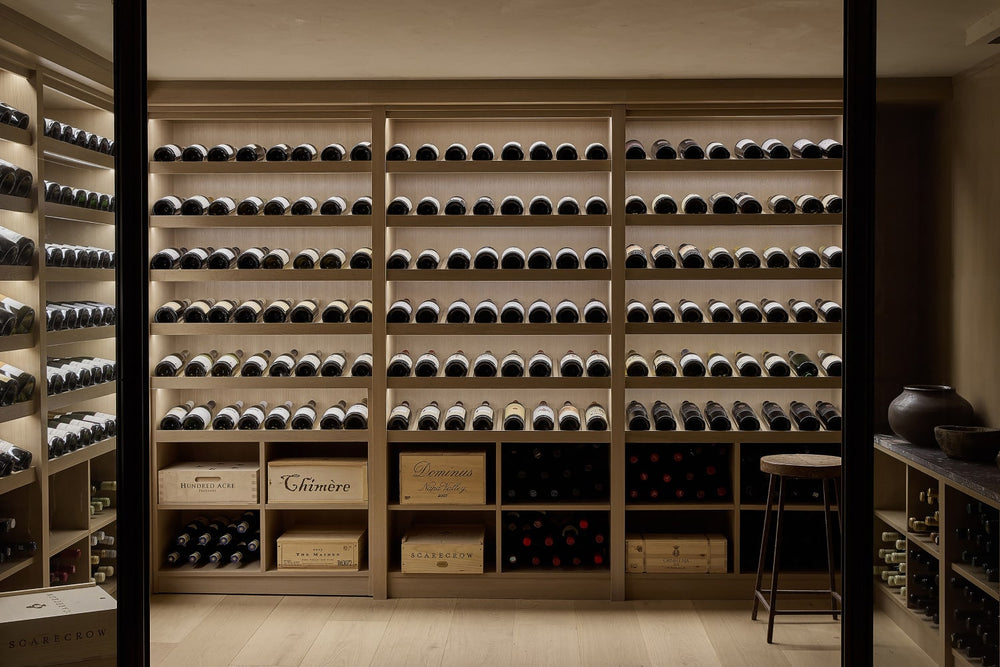
Once you’ve successfully established and stabilized your cellar environment with proper temperature and humidity controls, you face the next critical challenge: how to house your growing collection effectively. Proper racking and organizational systems are about far more than mere aesthetics or showing off your collection. They directly address critical safety, stability, and functionality concerns while simultaneously maximizing your valuable storage space. Your system must work in seamless concert with a robust inventory management approach so you can locate that specific bottle of 2009 Merlot you’re looking for without pulling out dozens of other bottles, causing unnecessary vibration and potential label damage.
The Racking Foundation: Modular, Expandable, and Adaptable Systems

Essential Wine Cellar Racking: Wine Racks America Modular Pine Wine Rack Kit
When I first started building my personal cellar, I made a classic beginner’s mistake: purchasing a small, fixed-size rack that seemed adequate at the time. Within just six months, my growing collection had completely outgrown it, forcing me to reconsider my entire storage approach. That early experience taught me an invaluable lesson about the critical importance of investing in modular, expandable racking systems from the very beginning. Wine Racks America’s modular kits operate like sophisticated LEGOs for wine collectors, allowing you to start with a manageable capacity (say, 100 bottles) and then seamlessly add new sections, corner configurations, and display rows as your collection inevitably expands over time.
These racks are manufactured in the USA from premium pine (or redwood for a higher cost and superior appearance) and demonstrate incredibly sturdy construction and straightforward assembly. The design ensures bottles are held at the correct, carefully calculated slight horizontal angle to keep corks consistently moist and properly sealed. By choosing a modular system right from the beginning, you’re future-proofing your entire cellar investment. You’re not merely buying a storage rack; you’re investing in a comprehensive system that can evolve, adapt, and grow with you over years and decades, whether you’re collecting affordable, approachable everyday wines or eventually splurging on blue-chip Bordeaux from prestigious vintages and producers.
Pros
- Modular design allows the system to expand with your collection
- Manufactured in the USA from premium, high-quality wood
- Straightforward assembly with clear, detailed instructions
- Excellent value proposition compared to custom-built options
- Various configurations available for specific cellar layouts
- Maintains bottles at optimal horizontal storage angle
Cons
- Assembly required (though straightforward for most people)
- Pine is relatively soft wood and can dent more easily than redwood
- Requires floor space in your cellar
Inventory Organization and Wine Tracking Systems
Even with excellent racking systems in place, you still face the fundamental challenge of knowing exactly what you have, where it’s located in your cellar, and when each bottle will reach its optimal drinking window. This is where inventory systems become absolutely essential for managing any serious collection. While sophisticated cellar management apps like CellarTracker are invaluable for serious collectors maintaining detailed purchase records and tasting notes, you still need a practical, low-tech method to physically identify bottles without constantly handling them and causing unnecessary vibration.
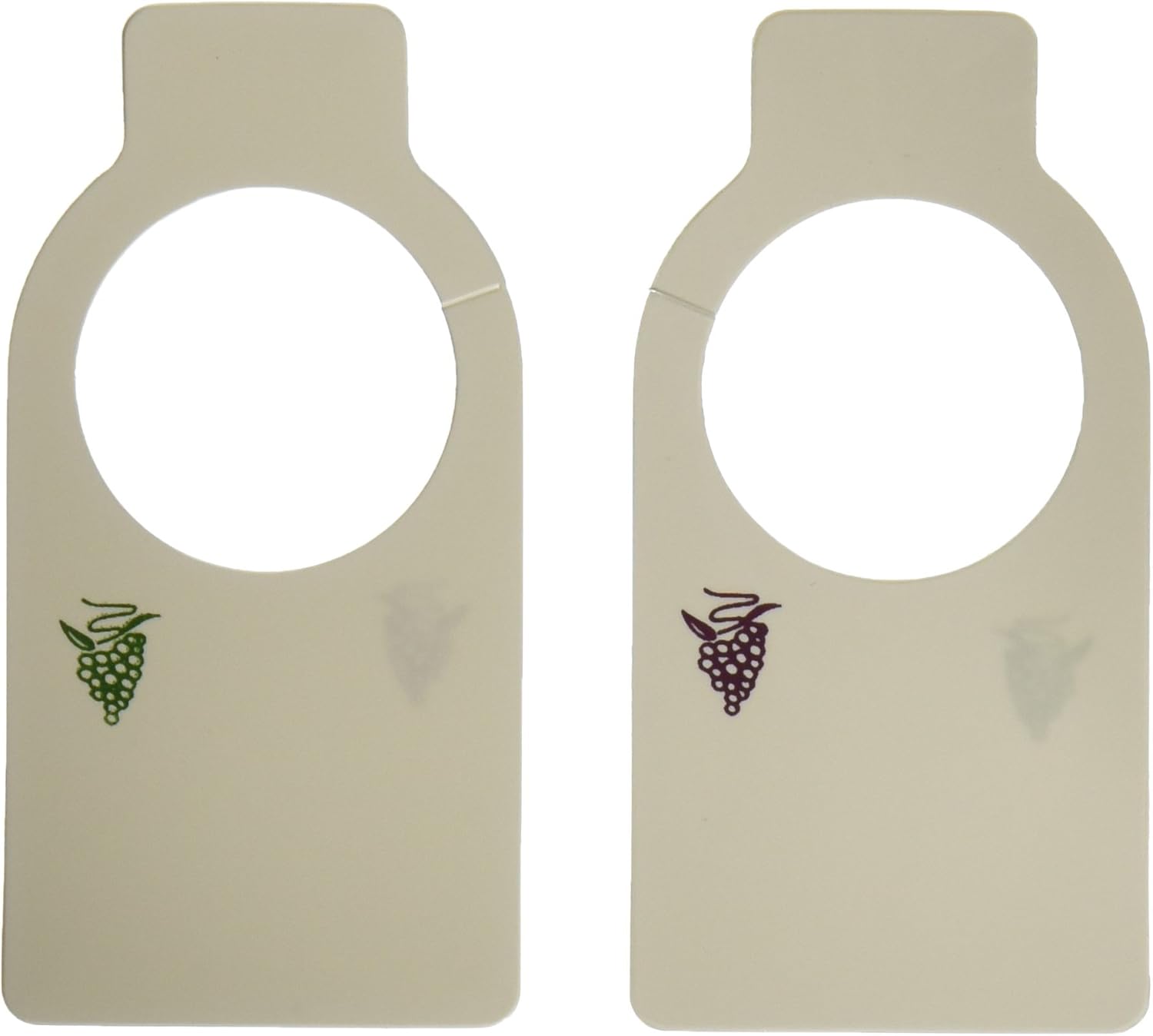
Essential Wine Cellar Inventory Tool: Reusable Wine Bottle Tags
While sophisticated cellar management applications like CellarTracker are indispensable for serious collectors maintaining detailed purchase records, you still require a practical, straightforward physical method to identify bottles without constantly removing and returning them to your racks, which causes unnecessary vibration and potential label damage. These simple, ingeniously designed reusable plastic tags represent a low-tech lifesaver for cellar organization. You can write the wine’s name, vintage, varietal, region, and optimal drinking window on the tag using a dry-erase marker and hang it directly on the bottle’s neck using the attached string. This means you can see exactly what’s in any given slot at a single glance, without ever needing to slide the bottle out of the rack, which would otherwise cause vibration and potentially damage labels from friction.
I use these tags religiously throughout my cellar. They save me an immense amount of time, prevent unnecessary disturbance to other aging bottles, and provide quick reference information without handling bottles. It’s a simple, inexpensive, yet genuinely essential tool that solves a major organizational headache and improves your daily interaction with your collection significantly.
Pros
- Allows for at-a-glance bottle identification without removal
- Prevents unnecessary movement and vibration of bottles
- Completely reusable and erasable with dry-erase markers
- Extremely affordable and practical solution
- Works with any bottle shape or size
Cons
- Requires consistent discipline to use and update regularly
- Dry-erase marker can fade if cellar is dusty
Part 3: The Wine Cellar Tools – Your Connoisseur’s Complete Toolkit
Your cellar serves an important function as a storage and preservation space, but it ultimately exists to support enjoyment and appreciation of your wines. Having the right specialized tools on hand for opening, serving, and properly preserving your wines is what genuinely elevates a cellar from a mere storage locker to a true wine sanctuary where you can fully appreciate your collection. These tools represent the interface between your carefully aged bottles and your palate, making them essential investments in your wine enjoyment experience.

Essential Wine Opener: Pulltap’s Professional Waiter’s Corkscrew
Forget about the fancy, bulky, complicated, and often unreliable gadgets that crowd wine accessory sections in specialty stores. Ask any sommelier, wine professional, or serious collector what they personally use day after day in their own cellar, and 99% will confidently show you a Pulltap’s or a functionally identical double-hinged waiter’s friend corkscrew. This implement stands as the industry gold standard for profound reasons rooted in physics, engineering, and practical reliability. The two-step hinge system provides the leverage needed to extract even the most stubborn, deteriorated, or delicate corks smoothly and perfectly vertically, without bending them, breaking them apart, or leaving cork fragments inside the bottle. The Teflon-coated worm slides into the cork with minimal friction and resistance, and the sharp serrated foil cutter cleanly removes the foil capsule with efficiency.
It’s a simple, elegant, and nearly indestructible piece of engineering that fits comfortably in your pocket. While lever models have gained popularity recently and certainly have their place for specific applications, the control and tactile feedback you get from a classic Pulltap’s double-hinged waiter’s corkscrew are genuinely unmatched and irreplaceable. It’s the most essential and important tool for any wine drinker, and an absolute must-have for your cellar infrastructure.
Pros
- The professional sommelier’s universal choice worldwide
- Double-hinged design provides superior, reliable leverage
- Smoothly extracts corks without breakage or cork fragments
- Incredibly durable and essentially indestructible
- Compact and portable for travel or cellaring
- Excellent lifetime value for money
Cons
- Requires modest practice and technique to master
- Less suitable for opening numerous bottles in quick succession

Essential Wine Preservation: Coravin Timeless Three+ Wine Preservation System
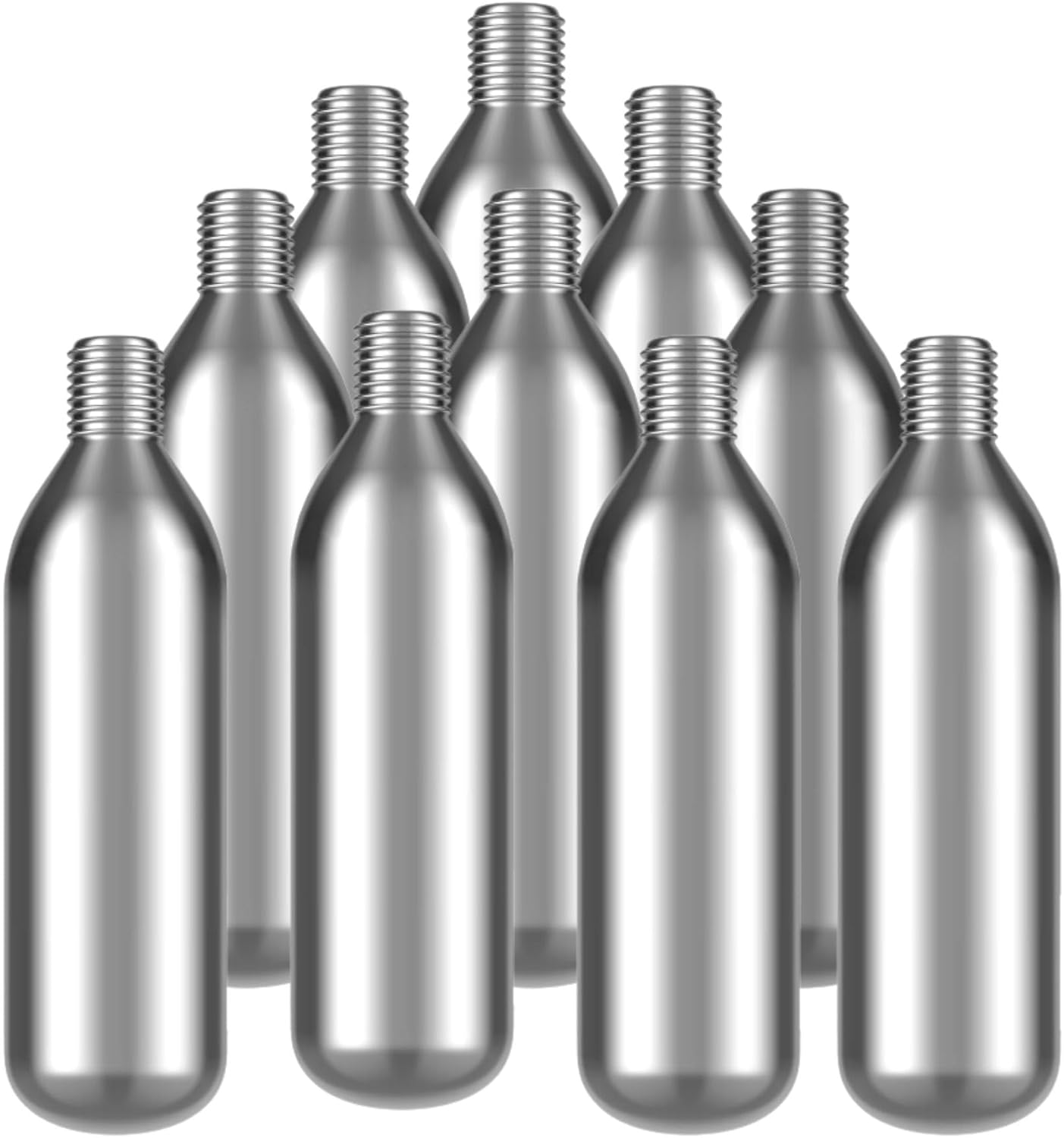
What if you could enjoy just one perfect glass from that special bottle of 20-year-aged Bordeaux without committing to finishing the entire bottle over the next 1-2 days? What if you could compare how different vintages of the same wine evolve as they age, pulling a sample glass every few months to taste the progression? The Coravin system fundamentally changes that equation and transforms your entire relationship with your wine collection. This revolutionary device allows you to pour wine without ever removing the cork from the bottle. It inserts a medical-grade hollow needle through the cork under slight pressure, pressurizes the bottle with pure, inert argon gas, and pours the wine out beautifully. When you remove the needle, the natural cork immediately reseals itself perfectly.
The argon gas, which is denser and heavier than oxygen, forms a protective layer on top of the remaining wine, preventing oxidation for weeks, months, or even years. This is not merely a gadget or a luxury—it’s genuinely a gateway to freedom and deeper appreciation. It lets you sample wines from your collection as they age within the cellar, compare different vintages side-by-side to understand regional variations, or enjoy just a single perfect glass of your most special bottles on an ordinary Tuesday evening. I use my Coravin system constantly; it has fundamentally transformed and enhanced how I interact with and appreciate my collection.
Pros
- Allows pouring wine without removing the cork
- Preserves remaining wine perfectly for months or years
- Uses inert argon gas to completely prevent oxidation
- Enables sampling and tracking wine evolution over time
- Incredibly well-engineered and intuitive to use
- Works with both standard and synthetic corks
Cons
- Significant upfront cost for the device itself
- Ongoing recurring cost for proprietary argon gas capsules
- Does not work on wines with screw caps
- Requires proper technique for optimal results
Additional Essential Wine Cellar Tools and Accessories
Wine Glasses: The Final Link in the Tasting Chain
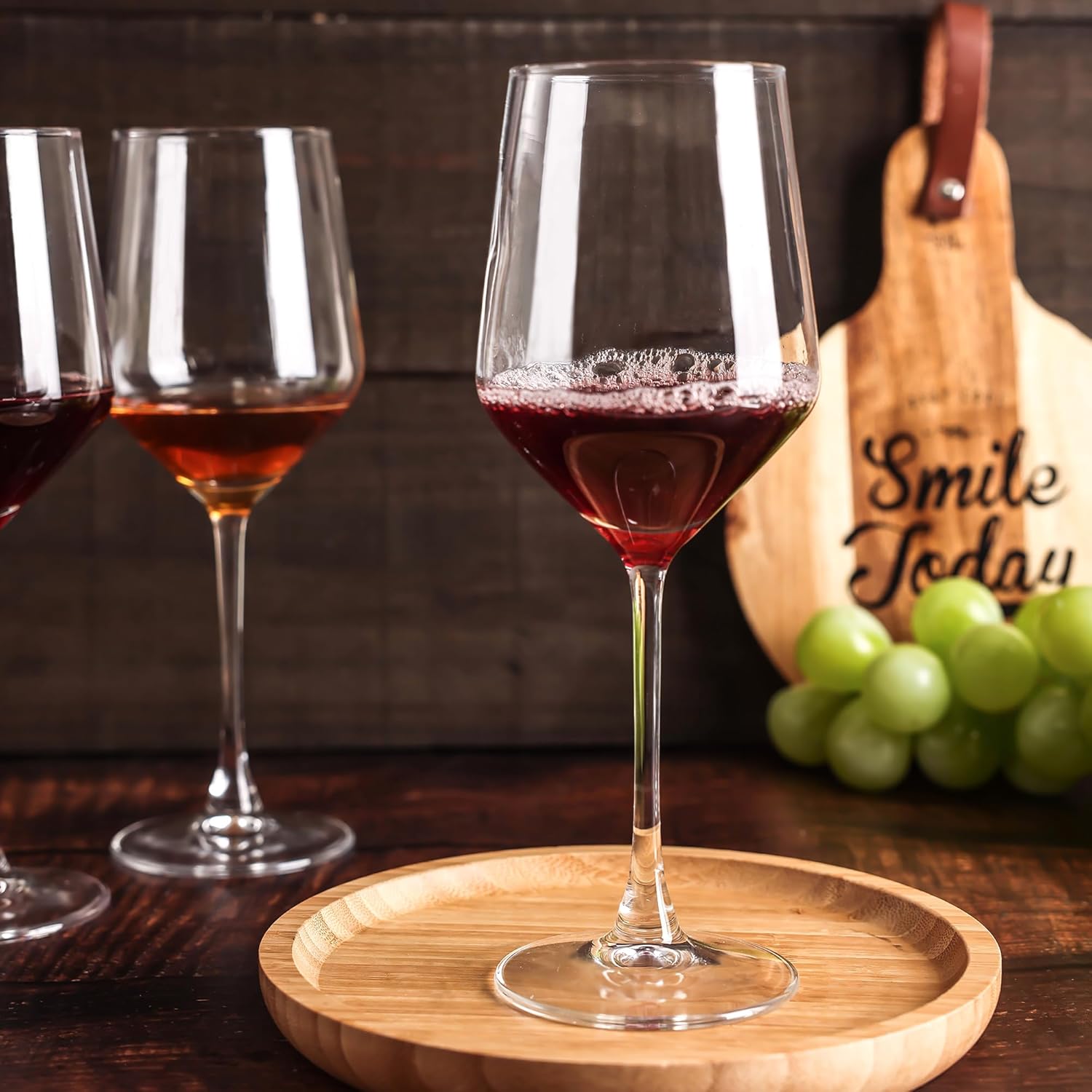
Your carefully aged wine deserves to be served in properly designed glasses that will reveal its full aromatic complexity and complete flavor profile. Thin-rimmed crystal glasses, whether specialized for Bordeaux, Burgundy, or designed as versatile all-purpose vessels, make a measurable difference in your overall tasting experience. For detailed, comprehensive recommendations on selecting the best wine glasses for your specific collection, consult our definitive guide to the best wine glasses for red wine, which covers everything from premium hand-blown crystal options to excellent value choices that still perform superbly.
Wine Cellar Storage Accessories and Supplies
Beyond the major components, several smaller accessories significantly improve your cellar’s overall functionality and organization. These include: wine labels for identifying and dating bottles, moisture barriers for protecting labels from excessive humidity, UV-protective lighting for any cellar display areas, and proper cellar flooring to prevent moisture infiltration and vibration issues. Wine thermometers and hygrometers provide accurate local readings if you don’t have comprehensive digital monitoring systems throughout your cellar. Proper ventilation ducts ensure your cooling system operates efficiently without creating dead spots or temperature variations.
Documentation and Record-Keeping Systems
Maintaining detailed records of your entire collection is essential for insurance purposes, understanding your purchasing patterns, and planning which wines to open at optimal times. Apps like CellarTracker allow you to catalog bottles, add personal tasting notes, track purchase prices, and identify optimal drinking windows for each bottle. Physical cellar books provide backup documentation in case of digital failure. Taking photos of bottle labels creates visual references and helps tremendously with insurance claims if damage occurs.
Building Your Wine Cellar: A Comprehensive Step-by-Step Implementation Plan
Phase 1: Environment Assessment and Installation (Months 1-2)
Begin by assessing your available space and current environmental conditions. Measure your intended cellar location carefully and calculate its total cubic footage. Research cooling systems appropriate for your specific climate, collection size, and budget constraints. Install the cooling unit properly, ensure adequate wall insulation and vapor barriers, and verify that temperature and humidity stability are achieved consistently. Install monitoring devices and verify readings for at least one full week before proceeding to organizational phases to ensure system reliability.
Phase 2: Organization Setup and Racking Installation (Months 2-3)
Order and carefully assemble your racking system according to your space dimensions and projected collection size. Install all shelving securely and verify that all racks are perfectly level using appropriate tools. Set up your inventory system by creating a detailed catalog of your current bottles (if starting with existing wine) or preparing comprehensive templates for future additions. Organize racks logically by wine region, style, or optimal drinking window—whatever system makes the most sense for how you plan to access bottles regularly.
Phase 3: Tools, Accessories, and Ongoing Management (Month 3 onwards)
Acquire your essential tools starting with a quality corkscrew—the Pulltap’s if following recommendations. Add a Coravin system if your budget allows, as it genuinely transforms your collection enjoyment significantly. Invest in proper wine glasses suitable for your primary wine preferences and the varieties you collect. Gather documentation tools and establish your record-keeping system using either digital apps or physical notebooks. Continue adding accessories as needs become apparent through actual use and experience with your cellar.
Protecting Your Wine Cellar Investment: Insurance and Documentation
As your collection grows substantially in both quantity and value, proper insurance becomes absolutely critical. Document each bottle with detailed photos, noting purchase date and original price paid. Keep detailed records in CellarTracker or similar systems with tasting notes and aging potential information. Maintain receipts for all significant purchases and equipment investments. Consider specialized wine collection insurance that covers damage from temperature excursions, theft, and other cellar-specific risks. Some homeowner’s insurance policies cover wine collections up to certain values, but specialized coverage often provides better protection and coverage specificity for serious collectors investing significant funds.
Developing Your Wine Collecting Strategy and Long-Term Vision
Building a Balanced and Diversified Collection
Rather than acquiring wines randomly or impulsively, develop a thoughtful, strategic approach. Allocate your wine budget across different regions and styles thoughtfully—perhaps 40% Bordeaux blends, 20% Burgundy, 15% Rhône wines, 15% other European wines, and 10% New World options. Include wines for immediate drinking alongside age-worthy bottles meant for extended cellaring. Purchase from diverse vintages across multiple years to ensure you always have something appropriate to drink regardless of current conditions or your mood.
Learning Through Systematic Tasting and Comparison
Use your cellar to deepen your wine knowledge systematically. Taste wines at different ages to understand how they evolve and develop. Compare wines from different producers within the same appellation to understand stylistic differences. Attend tastings and wine clubs to discover new favorite regions and producers. Keep detailed tasting notes to track your personal preferences and understand patterns in what you genuinely enjoy drinking.
Conclusion: Your Personal Legacy in Wine
Building a wine cellar is fundamentally more than merely acquiring a collection of bottles and storing them in a dark room. It’s a deeply rewarding journey of exploration, appreciation, and personal expression that transforms wine from a simple commodity into a living collection of places, years, moments, and memories. Creating a cellar represents a commitment to patience, an investment in the future, and a celebration of winemaker craftsmanship and viticultural excellence achieved across generations and regions.
By investing thoughtfully in the essentials we’ve detailed throughout this comprehensive guide—by mastering environmental control, perfecting your organizational systems, and acquiring the right specialized tools—you are creating something far more significant than just a storage space. You are building a genuine sanctuary for your wine, ensuring that when the perfect moment arrives and you decide to open a bottle, it will be not just preserved in acceptable condition, but perfected by patient cellaring and proper aging. Your cellar becomes your personal legacy, your ongoing story told in fine wine. Whether exploring the world through wine subscription boxes, enjoying bottles with loved ones, or building a serious collection representing decades of passion and discovery, your cellar reflects your deepest wine interests and values. May your cellar journey be long, delicious, and genuinely rewarding. Cheers to building something meaningful, one bottle at a time!