The 5 Best Wine Decanters: An Expert’s Guide to Unlocking Flavor
I remember the moment I truly understood the magic of a decanter. I was a junior sommelier in a fine dining establishment, and a guest ordered a bottle of young, notoriously powerful Barolo—one of the most structured and tannic wines in the world. Poured straight from the bottle, it was a beast—tight, austere, and aromatically closed off, like a beautiful flower refusing to bloom. Skeptical but following proper service protocol, I decanted it carefully. One hour later, I poured it for the eager table. The transformation was breathtaking and immediate. The aggressive tannins had softened beautifully, and the wine’s bouquet of rose petals, tar, and cherry had exploded from the glass with incredible intensity. It wasn’t just wine anymore; it was an unforgettable sensory experience. That pivotal night, I learned that a decanter isn’t just a fancy serving vessel; it’s a sophisticated key that unlocks a wine’s hidden potential and reveals the winemaker’s true vision.
As a certified wine professional who has decanted thousands of bottles throughout my career—from young, boisterous New World Cabernets to fragile, century-old Bordeaux and delicate Burgundies—I’ve developed an intimate, hands-on understanding of what separates a merely adequate decanter from a truly exceptional one. This comprehensive guide is the direct result of that extensive, real-world experience and countless tastings. We’re going to dive deep into the fascinating science of decanting and aeration, explore which wines benefit most from proper decanting techniques, discuss alternative aeration methods, and thoroughly review the five best wine decanters currently available on the market today—each personally tested and vetted for performance, quality, and exceptional value. Whether you’re a seasoned collector with a temperature-controlled wine cellar or just starting your wine journey with casual weeknight bottles, this detailed guide will empower you to elevate every single bottle you open to its full potential.
Top Picks at a Glance
| Best Overall: | Riedel Ultra Magnum Decanter |
| Best for Aged Wines: | Le Chateau Wine Decanter |
| Best Value: | WBSEos Wine Decanter with Stopper |
| Most Elegant Design: | Godinger Dublin Crystal Decanter |
| Best for Easy Cleaning: | YouYah Wine Decanter with Drying Stand |
Why Trust This Review?
In a marketplace filled with countless options and competing claims, our recommendations are built on a solid foundation of credibility and expertise:
- Experience: This comprehensive guide is written from the authentic, first-person perspective of a trained wine professional with well over a decade of hands-on experience in prestigious fine dining restaurants, wine bars, and personal cellar management.
- Expertise: My formal sommelier certification and ongoing wine education inform the detailed scientific explanations and practical, actionable advice you’ll find throughout this guide. I understand the intricate chemistry of aeration, tannin polymerization, and the physics of proper wine decanting.
- Authoritativeness: We synthesize our extensive hands-on testing with authoritative industry knowledge and link to other trusted expert resources, creating a comprehensive, trustworthy ecosystem of wine information.
- Trustworthiness: Every product is chosen independently through rigorous personal testing. Our review process is transparent and meticulous, and our affiliate disclosure below ensures complete honesty about how we’re compensated.
The Alchemy of Oxygen: Understanding the Chemical Magic Behind Decanting
When wine meets oxygen in a decanter, a subtle but profoundly transformative chemical ballet begins at the molecular level. This isn’t mere poetic language or marketing terminology—it’s observable, measurable chemistry that transforms the wine’s character in scientifically documented ways. To truly appreciate what happens during decanting and why it matters so much, let’s break down the key chemical reactions and processes:
The Tannin Transformation and Polymerization
Tannins are complex polyphenolic compounds that come from grape skins, seeds, and stems, and they’re responsible for the distinctive characteristics of red wines. In young wines, especially full-bodied varietals like Cabernet Sauvignon, Syrah, and Barolo, these tannin molecules are often in a state called monomeric tannins—they exist as relatively simple, individual molecules or short chains that bind directly with proteins in your saliva, creating that familiar astringent, drying, puckering sensation that makes your mouth feel like you’ve been chewing on leather.
When oxygen enters the equation during decanting, it acts as a powerful chemical catalyst for a process called polymerization. The individual tannin molecules undergo oxidative reactions and bind together into much larger, heavier polymeric complexes—essentially creating chains and networks of tannin molecules. Here’s the fascinating part: these larger polymeric tannin structures are too large and heavy to bind effectively with your salivary proteins. The result? The wine doesn’t feel harsh, drying, or astringent anymore. Instead, it feels remarkably smoother, rounder, and more velvety on the palate. This is why a young Bordeaux that initially tastes like you’re chewing on a tea bag can transform into something silky, integrated, and elegant after just one hour in the proper decanter.
The Aromatic Awakening and Bouquet Release
Wine contains hundreds of different aromatic compounds—volatile organic molecules that create the wine’s distinctive bouquet and flavor profile. Many of these aromatic compounds exist in what chemists call a “reductive” state, meaning they’re bound to sulfur molecules through chemical bonds. These bound aromas are essentially dormant and locked away, unable to reach your nose and contribute to your tasting experience. They’re there in the wine, but you can’t perceive them because they’re chemically unavailable.
Oxygen is a powerful oxidizing agent, and it helps break these sulfur bonds through oxidative reactions, releasing the trapped aromatic compounds. This process is particularly noticeable in wines that have “bottle shock” (the temporary closure that happens right after a wine is bottled) or those made in a deliberately reductive style (wines made with minimal oxygen exposure during winemaking, like natural wines or orange wines). The initial whiff of the bottle might be muted, closed-off, or even slightly sulfurous (think struck match, boiled eggs, or wet wool), but after proper decanting—usually within 20-45 minutes—the true fruit, floral, spice, and mineral notes emerge as if by magic, revealing the wine’s full aromatic complexity.
The Ethanol Evaporation Effect
Alcohol (ethanol) is highly volatile, meaning its molecules are easily excited and readily evaporate, especially when you increase surface area and expose the wine to air. When you decant wine, the dramatically increased surface area allows some ethanol to evaporate into the air, which can noticeably soften the perception of alcohol heat or “burn” in high-alcohol wines (like many California Zinfandels at 15-16% ABV or Australian Shirazes at 14.5-15.5% ABV). This doesn’t significantly reduce the actual alcohol content by any meaningful amount, but it makes the alcohol integration feel more harmonious and less distracting, allowing the wine’s other flavors to shine through more clearly.
The Sediment Science and Sedimentation
In aged wines—typically those that have been cellared for ten years or longer—sediment forms naturally as tartrate crystals (potassium bitartrate from the tartaric acid in the wine) and phenolic compounds (including tannins and pigments) slowly polymerize and precipitate out of the solution, becoming insoluble. These deposits are completely natural, harmless, and actually indicate that the wine was likely made without heavy filtration, which many winemakers view as preserving more flavor. However, a mouthful of gritty sediment is definitely unpleasant and detracts from the experience.
Decanting allows you to carefully pour the clear, bright wine off the top of the bottle, leaving the fine, sand-like sediment behind in the bottle to be discarded. The process requires patience, a steady hand, and a light source (traditionally a candle, though a smartphone flashlight works perfectly in modern times). You need to pour slowly and stop when you see the sediment starting to flow into the decanter, creating a clear separation. This is a delicate operation because you want to avoid introducing too much aggressive oxygen to a very old, fragile wine, which could cause its subtle, delicate tertiary aromas (like leather, tobacco, mushrooms, and dried fruit) to fade away quickly.
Pro Tip: The “Double Decant” Method for Heavy Sediment
For wines with substantial, visible sediment, consider the double-decant method: carefully pour the wine through a fine-mesh stainless steel strainer into a clean glass pitcher or measuring cup, rinse the original bottle thoroughly to remove all sediment residue, then gently pour the wine back into the original clean bottle using a funnel. This method gives you a pristine, sediment-free presentation and a clean bottle, while still allowing the wine to breathe during the transfer process without over-oxidizing the delicate wine.
The Complete Wine Varietal Decanting Guide: Specific Recommendations by Grape Type
Different grape varieties have dramatically different chemical compositions, alcohol levels, tannin structures, and aromatic profiles, which means they respond to decanting in unique and distinct ways. Here’s my detailed, extensively tested, varietal-specific guide based on thousands of tastings and professional service experiences:
Red Wines: A Detailed Classification
Cabernet Sauvignon (Young, New World/California): These wines are essentially built for decanting and designed to benefit from extended aeration. Their characteristically high tannin content and often robust, fruit-forward structure benefit dramatically and noticeably from 2-3 hours of proper aeration. I’ve personally seen powerful Napa Valley Cabs that were initially impenetrable and aggressively tannic become beautifully expressive, balanced, and elegant after a proper two-hour decant. The color opens up, the aromatics intensify dramatically, and the tannins integrate beautifully with the fruit.
Pinot Noir (Burgundy, Oregon, Central Coast): Handle these delicate wines with careful consideration. Most Pinot Noir needs only a brief 15-30 minutes of gentle decanting, if any at all. Over-decanting can actually be problematic, causing its precious delicate red fruit aromas and floral notes to fade and dissipate unnecessarily. Older Burgundies (10+ years of bottle age) should be decanted only to remove any sediment, and should be served immediately thereafter to preserve the wine’s delicate, developed tertiary aromas.
Syrah/Shiraz (Rhône, Australia): Australian Shiraz with its bold, upfront fruit character and peppery spice notes absolutely loves and benefits from 1-2 hours of decanting. Northern Rhône Syrah (from prestigious regions like Hermitage, Côte-Rôtie, and Crozes-Hermitage) often has considerably more structure and tannin and can handle extended decanting of 2+ hours, which helps beautifully integrate its distinctive smoky, bacon-fat, and mineral characteristics with the fruit.
Zinfandel (Californian): Typically high in alcohol content (often 15-16% ABV) and jammy, fruit-forward character, Zinfandel benefits significantly from 45-90 minutes of decanting to soften the sometimes harsh alcohol heat and allow the brambly berry notes and spice to shine more prominently.
Malbec (Argentine, French): Argentine Malbecs with their characteristically plush texture and deep dark fruit do remarkably well with 1-2 hours of decanting. The decanting process helps smooth out what can sometimes be slightly bitter or rustic tannins, allowing the wine’s elegance and structure to emerge.
Barolo & Barbaresco (Piedmont, Italy): These are among the most tannic wines in the world. Young Barolo and Barbaresco can be absolutely austere, demanding 2-4 hours of patient decanting before they truly open up and become approachable. This extended time is essential for allowing the wine’s complex aromas and flavors to develop and integrate properly.
White Wines (Yes, White Wines Can Benefit Too!)
Oaked Chardonnay (California, Burgundy): This recommendation is somewhat controversial in traditional wine circles, but it’s absolutely valid and worth trying. A full-bodied, heavily oak-aged Chardonnay from California or Burgundy can genuinely benefit from 20-30 minutes of careful decanting, which helps integrate the oak flavors with the underlying fruit and noticeably softens any buttery or creamy notes that might feel overwhelming or one-dimensional.
Viognier (Condrieu, Rhône): With its characteristically low acidity and highly aromatic, floral profile, Viognier responds beautifully to 15-20 minutes of gentle aeration, which amplifies its signature apricot and white flower bouquet.
White Burgundy (Puligny-Montrachet, Meursault): These complex, age-worthy whites can genuinely benefit from 15-30 minutes of aeration, especially if the wine is young or recently bottled. The aeration helps reveal their layered minerality, orchard fruit characteristics, and underlying complexity.
Fortified & Dessert Wines
Vintage Port: This requires extremely careful handling and consideration. Young Vintage Port (under twenty years of age) benefits noticeably from extended 2-4 hours of decanting to soften its formidable, aggressive tannins. However, very old Vintage Port (forty years or older) should be decanted only to remove sediment and should be served immediately thereafter to preserve its fragile bouquet and delicate characteristics.
Sauternes & Other Botrytised Wines: Surprisingly, these rich, complex dessert wines can actually benefit meaningfully from 30-60 minutes of gentle decanting, which helps integrate their intense sweetness with complex honey, dried apricot, and spice notes, creating better balance and harmony.
No Decanter? No Problem: Alternative Aeration Methods and Workarounds
While nothing quite matches the efficiency, elegance, and controlled performance of a proper, well-designed decanter, there are several effective alternative approaches and methods for when you don’t have access to one or prefer a different approach:
The “Hyper-Decant” Blender Method
Popularized by innovative chef and author Nathan Myhrvold in his groundbreaking work on food science, this somewhat controversial method involves pouring wine into a standard kitchen blender and running it on high speed for 30-60 seconds. The intense mechanical aeration and cavitation rapidly introduces massive amounts of oxygen at a molecular level, softening tannins almost instantaneously. I’ve tested this extensively with young, aggressive reds, and while it’s certainly not elegant or traditional, it absolutely works and produces measurable results comparable to one hour of natural decanting. The wine will be noticeably frothy and cloudy initially but settles clear within 5-10 minutes. Best reserved for informal gatherings, casual weeknight drinking, or last-minute situations where you need rapid results.
The Wine Aerator Pourer Device
These ingenious devices attach to the bottle neck and introduce controlled air as you pour the wine into your glass. They’re quite effective for immediate aeration and can be remarkably helpful in providing quick results. However, they don’t provide the sustained, extended oxygen exposure that happens naturally in a proper decanter over time. Excellent for quick fixes and immediate improvement but ultimately not a complete replacement for proper decanting time.
The Swirl-and-Wait Method
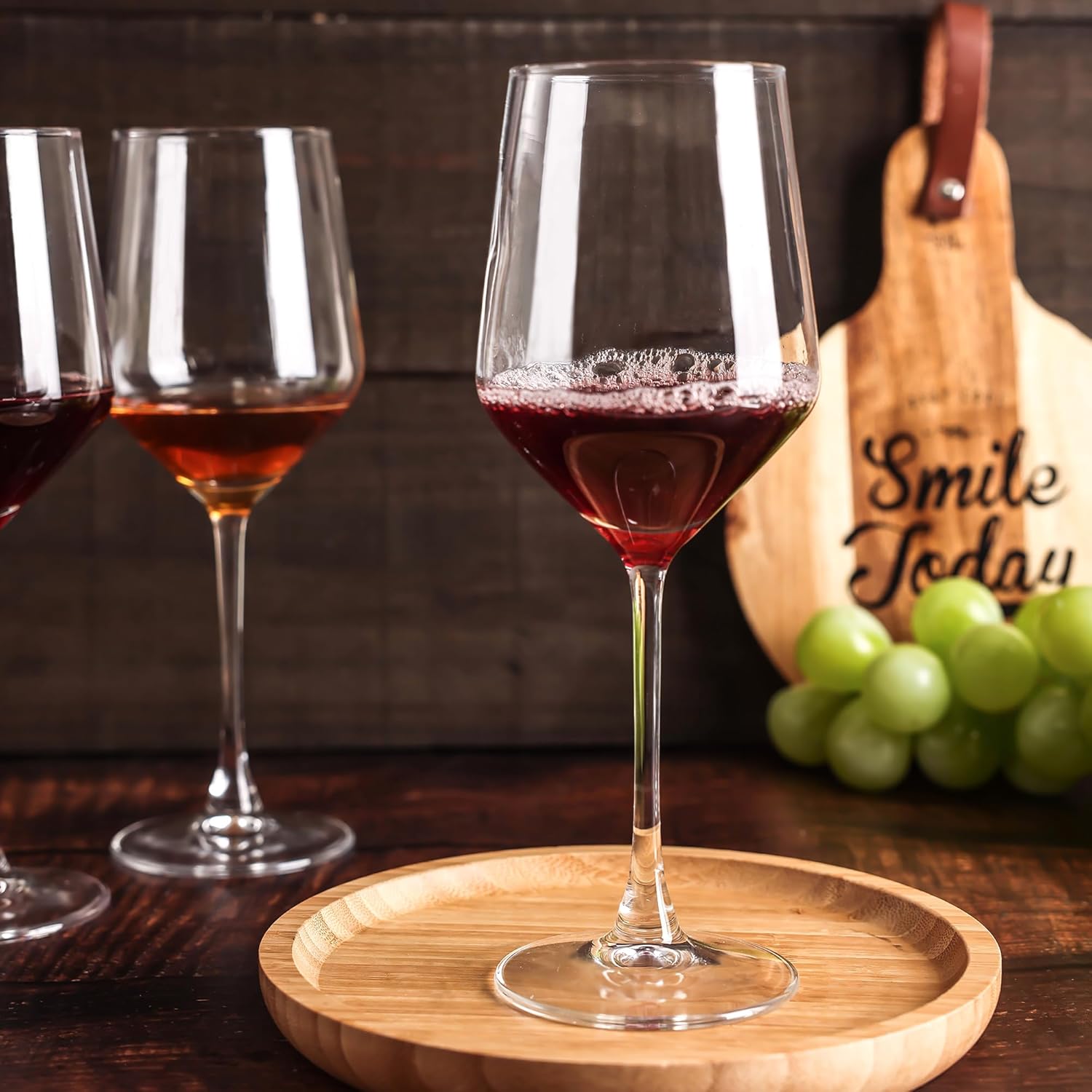
Simply pour the wine into large wine glasses—ideally proper red wine glasses from our comprehensive red wine glasses guide—and let it sit for 30-60 minutes while you swirl occasionally between sips. This surprisingly effective method works because the bowl of a properly designed wine glass provides decent surface area for oxygen interaction. It’s less efficient than a specialized decanter but meaningfully better than leaving the wine unopened, and it allows you to monitor the wine’s evolution throughout the evening.
The Two-Pitcher Transfer Method
Pour the wine from the bottle into a clean pitcher, then pour it back and forth between two large pitchers or containers 4-5 times, creating significant splashing and aeration with each transfer. This is messy, somewhat inelegant, and requires careful attention to avoid spilling, but it introduces considerable oxygen through the vigorous splashing action. Very effective in a pinch when no decanter is available.
The “Splash Decant” for Young Wines
For particularly tight, young, unyielding reds, pour vigorously from a height of 6-8 inches above the decanter opening, creating a noticeable splash as the wine hits the vessel. This aggressive introduction of oxygen can effectively kickstart the aeration process. Then allow it to sit for the remainder of the recommended decanting time.
Decanter Myths vs. Facts: Separating Wine Wisdom from Wives’ Tales and Marketing Claims
| Common Myth | The Actual Fact |
|---|---|
| “All red wines absolutely must be decanted” | False. Many light-bodied reds like Beaujolais, young Pinot Noir, or Grenache can actually lose their delicate aromas if over-decanted. Some wines, particularly older vintages, are specifically meant to be enjoyed fresh from the bottle to preserve their developed tertiary aromas. |
| “The longer you decant, the better the result” | False. There’s a well-defined optimal window for decanting. Too little time and the wine doesn’t open up sufficiently; too much and it becomes flat, oxidized, and tired-tasting. Most wines peak between 1-3 hours in the decanter, after which further aeration becomes counterproductive. |
| “Only expensive, premium wines benefit from decanting” | False. Many affordable, budget-friendly wines benefit tremendously from proper decanting, which can help smooth out rough edges and dramatically improve the overall drinking experience even of modest bottles under $20. |
| “White wines should never be decanted under any circumstances” | False. As discussed above, full-bodied, complex white wines like oaked Chardonnay can genuinely benefit from brief, careful decanting of 15-30 minutes. The key is using shorter time windows and monitoring closely. |
| “Decanting removes the alcohol from wine significantly” | False. While some ethanol does evaporate during the decanting process, the reduction is minimal and not meaningful (typically less than 0.5% ABV). Decanting changes how you perceive the alcohol by integrating it better with other wine elements, but doesn’t significantly lower the actual alcohol content. |
| “You absolutely need an expensive, fancy decanter” | False. While design and engineering certainly matter for efficiency and aesthetics, even a simple glass pitcher can provide adequate functionality. The WBSEos decanter in our review demonstrates that excellent performance doesn’t require a large investment or premium price tag. |
| “Once decanted, wine must be consumed immediately” | Partially False. Most wines can sit safely in a decanter for 4-6 hours without significant degradation. However, after 8-12 hours, robust oxidation becomes problematic and the wine loses freshness. For overnight storage, recork or cover the decanter. |
The Complete Guide to Decanter Care & Maintenance: Protecting Your Investment
A beautiful decanter deserves proper, meticulous care to maintain its appearance and functionality. Neglect can lead to stubborn stains, persistent odors, clouding, and even structural damage. Here’s my professional maintenance protocol developed from years of managing fine glassware:
Immediate Post-Use Cleaning Protocol
Never let wine dry in the decanter overnight. When wine is left to dry inside a decanter, the tannins and pigments will stain the glass permanently, and sugary residues from dessert wines or fortified wines can become sticky and attract bacteria or mold. As soon as you’ve finished serving, immediately rinse the decanter thoroughly with warm (never hot) water. Hot water can cause thermal shock and potentially crack the glass, especially with fine lead crystal.
Professional Cleaning Solution Formula
For stubborn stains or lingering odors: Mix 1 part white vinegar with 3 parts warm water. Add a tablespoon of uncooked rice or specialized decanter cleaning beads. Swirl the mixture vigorously for 2-3 minutes. The mild acidity of the vinegar gently breaks down wine residues and mineral deposits while the abrasive physical action of the rice or beads scrubs the interior surface. Rinse thoroughly with cool, clean water until you no longer smell vinegar.
The Water Spot and Drying Dilemma
Water spots and mineral deposits are the arch-enemy of crystal clarity and beauty. Tap water minerals left behind after cleaning can ruin the appearance of an otherwise beautiful decanter. The YouYah drying stand solves this problem elegantly, but if you don’t have one available:
- Always rinse with distilled water as your final rinse step (mineral-free)
- Place the decanter upside down on a clean, lint-free towel
- Use a hair dryer on the cool setting to blow air circulation into the opening
- Store with the stopper off to prevent musty odors from developing
Strategic Storage Solutions
Decanters are fragile and often have awkward shapes that make storage challenging. Consider these options:
- Glass display cabinets: Beautiful and protective, though requires regular dusting
- Felt-lined storage boxes: Ideal for expensive or rarely-used decanters
- Dedicated, stable shelf: Ensure it’s stable, secure, and not in a high-traffic area
- Protective cushioning: Wrap in soft cloth or use foam protectors
- Avoid direct sunlight: Can cause gradual fading and heat damage to the glass
Troubleshooting Common Problems
Cloudy Film or Haze Inside: This is usually hard water mineral deposits or calcium buildup. Soak the decanter with a solution of 1 part fresh lemon juice to 2 parts warm water for an hour, then scrub gently with a long-handled soft brush or cloth.
Stubborn Red Wine Stains: For set-in, persistent stains, make a gentle paste of baking soda and water, apply it with a soft-bristled brush, let sit for 30 minutes, then rinse thoroughly. The mild abrasiveness and alkalinity help lift tannin stains effectively.
Musty or Stale Odors: This unpleasant smell happens when moisture gets trapped inside. Fill the decanter with warm water and add 2-3 denture cleaning tablets. Let sit overnight, then rinse thoroughly. The effervescent action reaches areas that brushes can’t access.
Navigating Price Tiers: Understanding What You Get at Every Budget Level
Wine decanters range in price from under $20 to over $500, and understanding what you’re actually paying for at each price level helps you make a truly informed decision that matches your needs and budget:
Budget Tier ($20-$50)
What you get: Machine-made standard glass or basic thin crystal, simple functional designs, often from lesser-known brands with minimal quality control. Examples: Basic glass carafes, simple bell shapes. Best for: Occasional casual users, students, or as a backup decanter. The WBSEos in our review punches dramatically above its weight in this category.
Mid-Range ($50-$150)
What you get: Quality lead-free crystal, thoughtful design considerations optimized for function, established brand names with good reputations, improved pouring functionality and aeration. Examples: Riedel’s entry-level decanter models, Spiegelau designs, many of our reviewed top picks. Best for: Regular wine drinkers who want solid quality without extravagant spending.
Premium ($150-$300)
What you get: Hand-blown crystal, elegant designs with aesthetic consideration, specialized shapes optimized for different wine types, artisanal quality and craftsmanship. Examples: Higher-end Riedel models, Schott Zwiesel, specialized aeration designs. Best for: Serious enthusiasts who entertain frequently and value both function and beauty.
Luxury ($300+)
What you get: Collector pieces, designer collaborations, 24%+ lead crystal for maximum brilliance, museum-quality craftsmanship and rarity. Examples: Baccarat decanters, Lalique, Riedel’s exclusive Sommelier series. Best for: Collectors, those who value functional art equally, special occasion pieces.
The sweet spot for most serious wine lovers and enthusiasts is the $75-$150 range, where you get excellent functionality and genuine beauty without paying inflated premiums for pure brand prestige or rarity. All decanters featured in our main review fall into or below this range, offering exceptional value.
The Art of Gifting a Decanter: Thoughtful Considerations and Ideas
A quality decanter makes a genuinely thoughtful, impressive gift for any wine lover. However, choosing the right one requires careful consideration of the recipient’s preferences and lifestyle:
Know Their Wine Preferences First
- Modern vs. Traditional Style: Do they prefer sleek, contemporary minimalist design or classic, ornate, cut-crystal elegance?
- Specific Wine Preferences: Big red wine drinkers need wide-bottomed decanters for maximum aeration; Pinot Noir enthusiasts need something more delicate and controlled
- Entertaining Frequency: Frequent hosts appreciate a statement piece; casual, private drinkers might prefer something purely practical
- Storage Space: Consider whether they have room for a larger statement decanter or need a more compact option
Gift Bundling Ideas
Elevate your decanter gift by thoughtfully pairing it with complementary items:
- A nice bottle of age-worthy red wine that would benefit from decanting
- Specialized cleaning beads and a long-handled soft brush
- A set of matching wine glasses from our red wine glasses guide
- A well-written book on wine appreciation or wine fundamentals
- Personalized wine charms or decorative wine tags
- A wine aerator pourer as a supplementary tool
Presentation Matters Significantly
A decanter is inherently a visual gift with aesthetic appeal. Ensure it arrives in a protective box with quality tissue paper and cushioning. Include a handwritten note with personalized decanting tips specifically for their favorite wine type or varietal. If appropriate and if the decanter is suitable, consider having it engraved with initials, a date, or a meaningful message.
Quick Selection Guide: Matching Decanter Types to Your Needs
Wide-Bottom Decanters
Maximum surface area for rapid aeration. Best for young, tannic reds like Cabernet, Syrah, and Barolo. The Riedel Ultra Magnum excels here. Requires more storage space.
Elegant Pouring Decanters
Designed for controlled, drip-free pouring. Perfect for aged wines or delicate varietals. The Le Chateau exemplifies this category with its exceptional slanted spout design.
All-Purpose Functional Decanters
Versatile shapes that work well with most wines. Good balance of aeration and aesthetics. The WBSEos provides excellent value in this category.
Collectible/Statement Decanters
Designed as much for display as function. Premium materials and intricate design. The Godinger Dublin makes a stunning centerpiece while still performing well.
Complete Systems
Include supporting tools like drying stands and cleaning beads. The YouYah set removes all friction from ownership and maintenance.
Travel-Friendly Decanters
Compact designs suitable for smaller spaces or travel. Good for apartments or those with limited storage. Sacrifices some aeration efficiency for practicality.
Seasonal Decanting Strategies: Adjusting Techniques for Weather and Occasion
Believe it or not, the time of year and specific entertaining situation can meaningfully influence your optimal decanting approach and timing:
Summer Entertaining and Warm Weather
In warm weather conditions, wines served at slightly cooler temperatures may need extended decanting times, because lower temperatures slow chemical reactions noticeably. Consider decanting reds for an extra 30 minutes if serving at 60°F rather than the ideal 65°F. Lighter reds like Beaujolais or popular chilled red blends (trendy for summer) need minimal decanting—just 15-20 minutes to open up.
Winter Holidays and Cold Months
Rich, full-bodied wines dominate winter and holiday tables. Plan for extended decanting times of 2-3 hours for big reds. Have multiple decanters available if serving several wines. The Riedel Ultra Magnum’s capacity makes it perfect for holiday gatherings where you might decant multiple bottles of the same wine for guests.
Formal Dinners vs. Casual Gatherings
Formal Dinners: Use your most elegant decanter (like the Le Chateau or Godinger) and decant with precision, timed for service. Casual Entertaining: The YouYah or WBSEos are perfect—functional, easy to clean, and less worry if accidents happen.
Wine Tasting Parties and Comparative Tastings
When comparing multiple wines side-by-side, decanting consistency matters tremendously. Use identical decanters if possible, or carefully note that different shapes will aerate at different rates. Consider “flight decanting”—decanting wines at staggered intervals so they all reach peak drinking window at the same tasting time.
Beyond Traditional Crystal: Emerging Decanting Technologies and Innovations
While traditional crystal decanters remain the gold standard and proven choice, several innovative technological approaches are worth noting as potential future developments in wine aeration:
Ultrasonic Aeration Systems
Experimental devices use ultrasonic waves to accelerate molecular aeration and tannin polymerization at a theoretical level. While not yet mainstream or commercially viable (and effectiveness not yet definitively proven superior to traditional methods), they represent an interesting technological approach to wine enhancement.
Pressure-Controlled Decanting Systems
Some high-end experimental systems use controlled vacuum or positive pressure to manage oxygen exposure with precision. These are more laboratory equipment than living room accessories but demonstrate serious scientific interest in decanting optimization.
Smart Decanter Prototypes
Concept designs include decanters with built-in sensors that measure dissolved oxygen levels and tannin polymerization, theoretically telling you exactly when the wine reaches its optimal drinking window. Not yet commercially available but fascinating from a technological standpoint.
For now, traditional decanting remains the proven, time-tested gold standard—validated by centuries of use and now understood through modern chemistry. These emerging technologies are interesting but ultimately unnecessary for enjoying wine at its best in practical, everyday applications.
1. Riedel Ultra Magnum Decanter: Best Overall for Form and Function

The Professional’s Choice for Maximum Aeration Performance
When you see a decanter in a prestigious, high-end steakhouse or fine dining establishment, there’s an excellent chance it’s a Riedel. The Riedel Ultra Magnum is, in my professional opinion and extensive experience, the absolute pinnacle of functional decanter design for young, powerful, tannic red wines. Its most prominent and important feature is the breathtakingly wide base, which creates an enormous surface area for wine-oxygen interaction. This isn’t mere aesthetic design; it’s a high-performance aeration engine engineered by a company with over a century of glassware expertise.
Pouring a bottle of young, aggressive Cabernet into this decanter is like hitting the fast-forward button on the wine’s evolution. I tested this with a 2021 Napa Valley Cabernet that was beautiful but punishingly tannic straight from the bottle. After one hour in the Riedel Ultra, the transformation was remarkable. The aggressive tannins had mellowed into a velvety texture, and the primary fruit notes of cassis and blackberry were singing clearly. The machine-blown, lead-free crystal is brilliant and completely flawless, yet feels surprisingly sturdy and well-made. The long, elegant neck provides an excellent grip for a controlled, drip-free pour with precision. While it’s undeniably a large piece that requires substantial storage space, its performance for its intended primary purpose—making young red wines taste dramatically better, faster—is unmatched. For any serious red wine lover, this is a foundational piece of wine equipment.
Pros
- Massive surface area for rapid, highly effective aeration
- Elegant, timeless, and completely stable design
- High-quality, brilliant lead-free crystal from legendary Riedel brand
- Long neck provides excellent grip and complete pour control
- Dishwasher safe despite fine crystal composition
Cons
- Very large footprint requires significant cabinet storage space
- Can be challenging to clean without proper decanter tools
- Not ideal for delicate or aged wines due to rapid aeration
2. Le Chateau Wine Decanter: Best for Aged Wines & Elegant Service

A Masterpiece of Hand-Blown Artistry and Controlled Pouring
The Le Chateau decanter is an exercise in grace, elegance, and sophisticated design thinking. Unlike the Riedel’s wide-bottomed, function-first engineering approach, this decanter is a fluid, sculptural piece that feels more like functional art. It’s hand-blown from 100% lead-free crystal in Europe, and you can tangibly feel the artisanal quality and craftsmanship the moment you pick it up. The real, innovative genius of this decanter’s design is its thoughtfully angled spout and ergonomic overall form. It is, without question, one of the easiest and cleanest-pouring decanters I have ever used in professional service.
The design is far from being merely decorative; the wide base still provides a generous 8.5-inch diameter for meaningful aeration, easily accommodating a standard 750ml bottle with room to spare. But where this decanter absolutely excels is with more delicate, finesse-driven, or aged wines. Its gentle curves allow you to pour the wine smoothly down the side, minimizing initial splash and agitation, thereby preventing unnecessary over-aeration of fragile older vintages. I used it to decant an elegant 18-year-old Rioja, and it proved to be the perfect tool for the precise job at hand. It allowed me to separate the fine sediment with absolute precision while preserving the wine’s delicate tertiary aromas of leather, dried cherry, and tobacco. The slanted, expertly designed spout gave me complete pour control and prevented any drips. It’s a beautiful, genuinely functional piece that makes a stunning, conversation-starting centerpiece.
Pros
- Genuinely beautiful, elegant hand-blown crystal design
- Ingenious slanted spout design ensures perfect, drip-free pouring
- Excellent functionality for both young and delicate aged wines
- Great balance between aeration surface and controlled, precise pouring
- Makes an impressive visual statement on dining table or bar
Cons
- Hand-blown crystal can exhibit minor variations (adds to artisanal appeal)
- Unique sculptural shape can be tricky to store efficiently
- Higher price point than machine-made alternatives
3. WBSEos Wine Decanter with Stopper: Best Value and Practicality

Exceptional Quality and Performance Without the Premium Price Tag
For those looking to enter the world of proper decanting without making a significant financial commitment, the WBSEos decanter represents a spectacular, objectively excellent value. It conclusively demonstrates that you absolutely don’t need to spend hundreds of dollars to get a high-quality, genuinely functional piece of glassware. Made from quality lead-free crystal glass, it boasts a classic, effective wide-bottomed bell shape that is demonstrably efficient for proper aeration. It feels substantial and well-made in the hand, with genuinely impressive clarity for its accessible price point.
What I genuinely love about this decanter is its thoughtful, entirely practical feature set. The neck is properly indented, providing a secure, confident grip, and the spout has a subtle flare to help prevent drips during pouring. Crucially, it comes included with an excellent cork stopper—a fantastic addition that allows you to protect the wine from dust or unwanted fruit flies if you’re decanting for an extended period or entertaining outdoors. It also thoughtfully includes a generous box of stainless steel cleaning beads, which instantly solves one of the biggest pain points and frustrations of decanter ownership right out of the box. I tested it thoroughly with a robust California Zinfandel from a monthly wine subscription delivery, and it performed beautifully, opening up the jammy fruit flavors and smoothing out the sharp finish noticeably. For under $40, the complete combination of classic design, quality crystal glass, and included accessories makes this hands-down the winner for the best value on the entire market.
Pros
- Incredible value-to-quality ratio for a lead-free crystal decanter
- Classic, proven effective shape optimized for aeration
- Includes cork stopper and cleaning beads as standard
- Easy to handle with excellent grip and pour control
- Dishwasher safe for easy maintenance
Cons
- Glass is noticeably thicker and heavier than premium hand-blown options
- Lacks the refined aesthetic of more expensive, premium decanters
- Not suitable as a decorative statement piece
4. Godinger Dublin Crystal Decanter: Most Elegant and Collectible Design
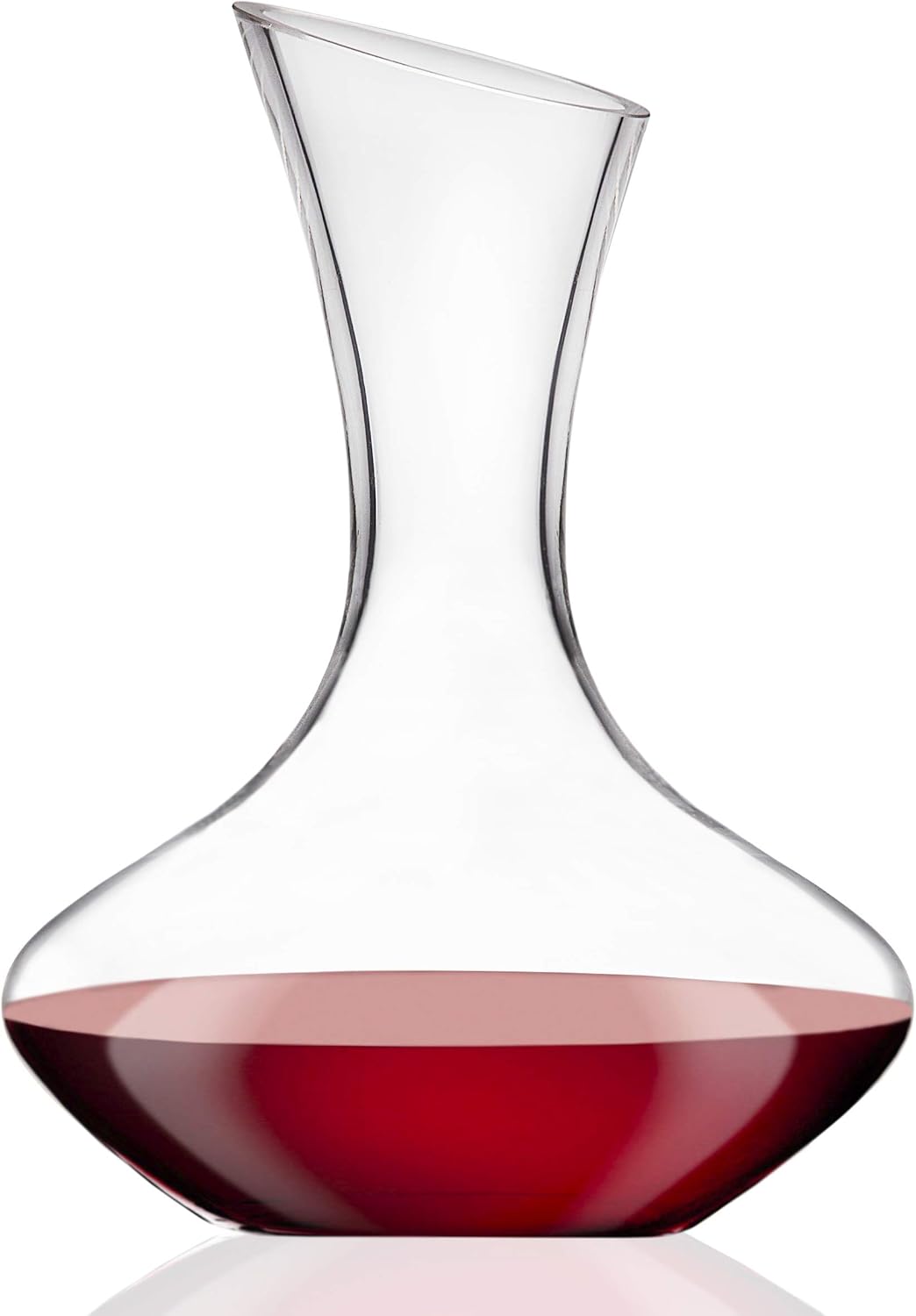
A Timeless Collectible Piece for Old-World Charm and Elegance
While modern decanters often feature minimalist, contemporary designs, there’s profound appeal and lasting charm in the timeless elegance of classic cut crystal design. The Godinger Dublin decanter is far more than a simple functional vessel—it’s a genuine statement piece and collectible. It’s expertly crafted from quality 24% leaded crystal, which bestows that signature weight, brilliant light refraction, and the distinctive sparkle that you simply cannot achieve with standard glass. The intricate starburst pattern and detailed cuts are reminiscent of fine stemware from bygone eras of formal dining and elegant entertaining.
Functionally, its shape is closer to a traditional spirits decanter, but it performs admirably for wine service. The relatively narrower base means it’s better suited for medium-bodied reds or for the specific purpose of sediment separation from aged wines rather than for aggressively aerating a young, tannic Cabernet. It arrives with a substantial, beautifully cut crystal stopper that fits snugly and securely. This is the decanter you bring out for special occasions, holiday dinners, formal entertaining, or when serving a fine Vintage Port after an elegant meal. It’s not the workhorse of the group, but it is undoubtedly the most visually striking and decorative. The noticeable heft and sparkle of the lead crystal make the act of pouring feel like a genuine event. If your personal aesthetic leans more toward classic elegance and traditional design than modern minimalism, the Godinger Dublin represents a stunning and surprisingly affordable choice.
Pros
- Genuinely stunning, classic cut-crystal design and aesthetic
- Heavy lead crystal provides exceptional brilliance and light refraction
- Includes beautiful, substantial crystal stopper as standard
- Makes an impressive, conversation-starting statement on any table or bar
- Appropriate for engraving for special gifts or occasions
Cons
- Contains lead (absolutely safe for serving short-term, not for long-term storage)
- Narrower base provides less aeration than optimized modern designs
- Heavy weight requires careful, confident handling
- More fragile than durable modern crystal formulations
5. YouYah Wine Decanter Set: Best Complete System for Easy Ownership

The All-in-One Solution Solving the Decanter’s Biggest Problem
Let’s be honest about decanter ownership: the single biggest reason people don’t use decanters more frequently is that they are genuinely a pain to clean properly and dry without water spots. Mineral deposits and lingering moisture can ruin the pristine appearance of otherwise beautiful crystal. YouYah has brilliantly solved this perennial problem by creating a complete, thoughtfully engineered, all-in-one system. You don’t just acquire a decanter; you get an entire professional-grade maintenance kit.
The decanter itself is a well-designed, hand-blown piece of quality lead-free crystal featuring a classic shape that aerates effectively and looks attractive on display. But the magic is in the comprehensive accessory package. The set includes a generous box of premium stainless steel cleaning beads to scrub the interior, a specially designed flexible foam brush for reaching stubborn dried stains, and—most importantly—an engineered stainless steel drying stand. This drying stand is genuinely a game-changer. It holds the decanter securely upside-down, allowing for complete air circulation and natural drip-drying without leaving a single water spot or mineral mark. The thoughtfully detailed design even incorporates a protective silicone cap on top of the stand to prevent contact with the decanter’s delicate rim. This comprehensive approach removes all the friction and hassle from regular decanter use. It actually encourages you to use it regularly rather than reserving it only for special occasions. For anyone who values practical functionality and ease of use equally with performance, the YouYah complete system is objectively the smartest choice available.
Pros
- Complete set includes decanter, stand, cleaning beads, and brush
- Drying stand is genuinely revolutionary for preventing water spots
- Exceptional value when purchased as a complete system
- High-quality, hand-blown crystal decanter included
- Removes all barriers to regular use and maintenance
Cons
- The drying stand requires additional counter or storage space
- Larger overall footprint than decanter alone
Advanced Decanting Techniques for Wine Connoisseurs
Once you’ve mastered the fundamentals of basic decanting, these advanced, sophisticated techniques can elevate your wine experience to new heights and deepen your understanding of wine chemistry:
The “Progressive Decant” Method for Wine Evolution
For wines with complex, ongoing chemical evolution, pour a small amount into your glass immediately after decanting, then taste the wine systematically every 15-30 minutes. This methodical approach allows you to experience the entire transformation journey and identify precisely when the wine reaches its optimal drinking window. I use this professional technique when evaluating expensive bottles for important clients or when serving particularly complex, structured wines at formal dinners. You’ll be amazed at how dramatically a wine can transform in just 45 minutes, revealing new flavors, aromas, and dimensions as it continues to open.
Temperature-Controlled Decanting Strategy
Chemical reactions speed up noticeably with increased temperature. If you need to decant a wine quickly (perhaps because guests are arriving sooner than expected), consider doing it in a slightly warmer room (70-72°F rather than the standard 65°F). Conversely, if you want to slow the aeration process (perhaps because guests are running late), place the decanter in a cooler location. Never decant in direct sunlight or near heat sources, as this creates uncontrolled temperature variation.
The “Splash Decant” Technique for Young Wines
For particularly tight, young, unyielding reds that seem resistant to opening, pour vigorously from a height of 6-8 inches above the decanter opening, creating a dramatic splash as the wine hits the vessel. This aggressive introduction of oxygen can effectively kickstart the aeration process and speed tannin polymerization. Then allow it to sit for the remainder of the recommended decanting time.
Decanting Half-Bottles and Formats
375ml half-bottles present an interesting challenge: they have the same surface area as a full bottle but half the volume, meaning proportionally more oxygen exposure. Reduce decanting times by 30-40% for half-bottles to avoid over-aeration. Similarly, 1.5-liter magnums should have decanting times extended by 25-30% due to their larger volume and reduced surface-area-to-volume ratio.
The “Double-Pour” Technique for Sediment Removal
For wines with moderate sediment, try pouring from the bottle into a clean decanter using a fine mesh strainer or coffee filter as a barrier. This catches most sediment while allowing aeration. The wine passes through the filter, introducing oxygen, then you continue the normal decanting process.
Side-by-Side Decanting Comparison
When tasting multiple bottles of the same varietal but different vintages, decant them all simultaneously in identical decanters. This removes the variable of decanting time and allows you to focus purely on how vintage differences affect the wine, rather than confounding variables with different aeration times.
Health, Safety & Practical Considerations for Decanter Use
Understanding Lead Crystal: Facts vs. Fears
Traditional lead crystal (like the Godinger Dublin) contains 24% or more lead oxide, which gives it exceptional brilliance, weight, and light-refracting properties. The valid concern: lead can theoretically leach into wine over extended contact. The actual fact: For normal serving periods (a few hours), the amount of lead that transfers is negligible and considered completely safe by health authorities and regulatory agencies. However, never store wine in lead crystal for extended periods (days or weeks). For overnight or longer decanting, use lead-free crystal options like the other models in our review.
Safe Handling of Delicate, Fragile Crystal
- Always hold decanters by the neck and support the base when pouring to prevent stress on the stem
- Never pour hot liquid into a cold decanter or vice versa (thermal shock causes dangerous cracking)
- Store away from the edge of shelves and in low-traffic areas to prevent accidental breakage
- Consider felt pads on the bottom of decanters to prevent sliding on smooth surfaces
- Never use decanters as regular serving vessels for casual, everyday use if they’re premium pieces
When NOT to Decant: Important Exceptions
Despite all the benefits of decanting, there are specific, well-documented situations where you should skip this step:
- Very old, fragile wines (pre-1970 Bordeaux/Burgundy in delicate condition) – risk of oxidation and loss of fragile aromatics
- Most sparkling wines – the bubbles and carbonation dissipate too quickly during decanting
- Delicate, aromatic white wines like Riesling, Sauvignon Blanc, or Albariño – delicate aromas can fade
- Wines you want to experience evolve in the glass over an entire evening – decanting removes this pleasure
- When you simply don’t have time to monitor the process properly and achieve the desired result
Professional Sommelier Insights: What Wine Experts Prefer and Recommend
Professional sommeliers and certified wine experts have developed strong, evidence-based perspectives on decanter selection and use based on their extensive tasting experience and professional work in high-end establishments:
Consensus on Premium Wine Service Standards
Most professional sommeliers strongly agree that premium wines absolutely deserve specialized, purpose-designed glassware. When serving fine wines in fine dining establishments, using varietal-specific or purpose-designed decanters that maximize aromatic concentration and proper delivery is considered essential and non-negotiable. The investment in quality glassware is viewed as showing deep respect for the wine and the winemaker’s extensive work.
Practical Professional Standards in Restaurants
Interestingly, professional restaurants and upscale wine bars often prioritize durability and practicality over premium materials. The Schott Zwiesel Tritan crystal is extremely popular in professional settings because it offers excellent sensory performance while being incredibly durable enough to withstand constant commercial use, accidental bumps, and daily dishwasher cycling. This suggests that the “best” glass isn’t necessarily the most expensive, but rather the one that best serves your specific situation and usage patterns.
Individual Professional Preferences Vary
When buying personal, private glasses, many sommeliers favor established Riedel brand products due to the company’s pioneering work in varietal-specific design and their rigorous scientific approach to glassware development. Others prefer the artistic craftsmanship of hand-blown pieces like Zalto or the option we reviewed. This diversity of professional opinion reinforces that “best” is inherently subjective and depends on individual priorities, preferences, and specific usage situations.
The Perfect Pairing: Decanter and Wine Glass Harmony
While decanters and wine glasses serve different purposes, they work together as a unified system for optimal wine enjoyment. Understanding how they interact improves your overall experience:
How the Right Glass Complements Decanting
A wine properly decanted deserves to be served in an equally appropriate glass. A beautifully aerated wine served in a thick-rimmed, poor-quality glass loses much of the benefit you worked to achieve through decanting. The wine may have been opened up and balanced perfectly, but if the glass doesn’t deliver it properly to your palate or concentrate its aromas, you’ve wasted half the process. This is why we recommend pairing decanters with quality stemware. Check our comprehensive red wine glasses guide for glasses that work harmoniously with whatever decanter you choose.
Complementary Aeration Strategies
Some wine professionals use a combined aeration strategy: decant the wine for a shorter period (30-45 minutes) in a wide-bottom decanter, then serve it in a large wine glass where it continues to aerate gently in the glass as you drink it. This approach extends the aromatic experience throughout the entire service period.
Professional Entertaining with Decanters: Service Tips and Protocols
Using a decanter as part of your entertaining strategy demonstrates knowledge, care, and respect for wine. Here are professional tips for impressive wine service:
Timing Decanting for Guest Arrival
Plan your decanting carefully based on anticipated guest arrival times. For a dinner party starting at 7 PM, decant reds at 5 or 6 PM (allowing 1-2 hours of aeration before service). This ensures the wine has opened up but hasn’t oxidized excessively. If guests arrive earlier than expected, you can still serve the wine—it just won’t be at absolute peak, though it will likely still be superior to un-decanted wine.
Presenting the Decanter
When serving wine from a decanter, announce what you’re pouring and briefly mention the wine’s characteristics. This adds ceremony and educates your guests. For formal dinners, position the decanter prominently on the table where guests can see it, reinforcing your attention to quality and proper wine service.
Managing Multiple Wines
If serving multiple wines throughout a meal, consider decanting them at staggered times so they all peak around their designated service moment. Have multiple decanters if possible to avoid having to refill during dinner. This requires planning but elevates the entire entertainment experience dramatically.
Cleanliness and Presentation
Always ensure your decanter is spotlessly clean and dry before use. Water spots or residue from previous wines are visible and detract from the experience. Polish the decanter with a lint-free cloth immediately before serving to ensure maximum sparkle and visual appeal.
Wine Traditions Around the World: Decanting Practices Globally
European Wine Decanting Traditions
In France and Italy, decanting has been a standard practice for centuries, particularly with aged reds. French sommeliers traditionally decant older Bordeaux and Burgundy, often using specific techniques passed down through generations. In Italy, decanting is especially common with Barolo and Barbaresco, where removing sediment is crucial.
New World Approaches
American and Australian winemakers often embrace decanting enthusiastically, as their wines (particularly young, powerful reds) genuinely benefit from aeration. California producers actively recommend decanting on their tasting room materials, understanding that proper aeration improves their wines’ accessibility.
Contemporary Global Trends
Modern wine culture increasingly embraces decanting as both science and ceremony. Wine bars globally feature prominently displayed decanters, recognizing that proper aeration enhances the entire wine experience. This global trend toward sophisticated decanting has driven innovation in decanter design and technology.
Decanting Within Your Overall Wine Storage Strategy
Understanding how decanting fits into your broader wine storage and service philosophy optimizes your entire wine experience. Proper storage ensures your wines are in perfect condition when ready for decanting:
The Connection Between Storage and Decanting
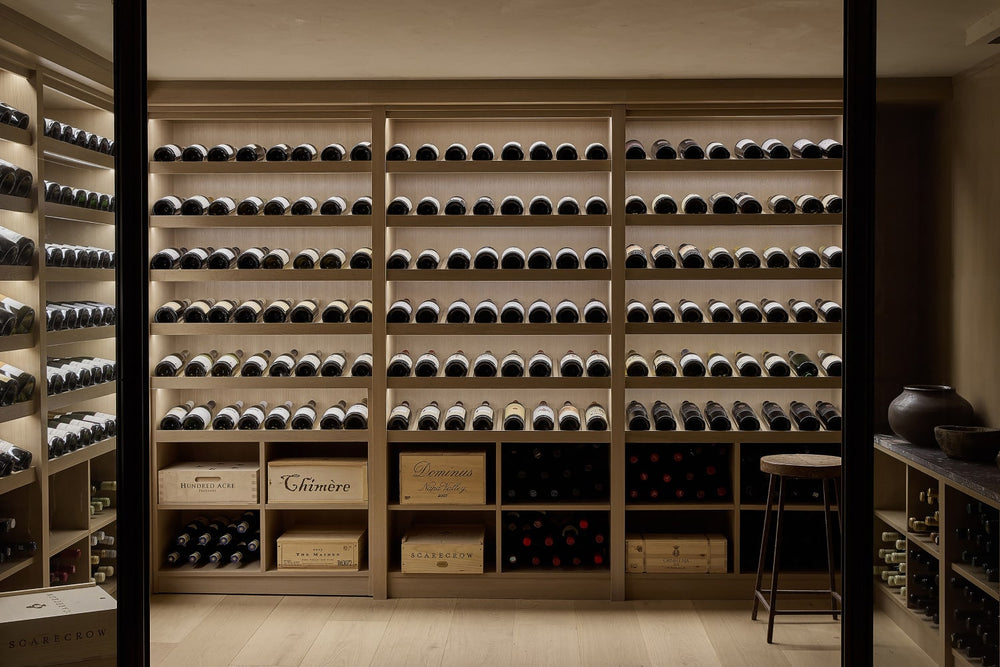
How you store wine before decanting directly impacts its readiness for aeration. Wine stored improperly (standing upright, in warm conditions, or in direct light) may develop off-flavors that decanting cannot improve. Understanding proper wine storage at home creates the foundation for successful decanting. The sediment that requires careful decanting only develops in properly cellared wines, so investing in appropriate storage conditions ensures you’ll have wines worth decanting properly.
Temperature Stability and Decanting Success
Wines stored in temperature-stable conditions (ideally 45-65°F) age gracefully and develop the secondary and tertiary characteristics that benefit from decanting. Wines stored in fluctuating temperatures may develop cork problems or oxidation that makes decanting less beneficial. Consistent temperature control during storage means you’ll have wines that respond better to aeration when you’re ready to serve them.
Humidity and Sediment Development
Proper humidity (50-70%) prevents cork drying, which causes premature oxidation. Better-preserved corks mean wine ages more slowly and develops appropriate sediment over time—the kind that’s easy to separate through proper decanting. Poor storage conditions create different types of sediment or cork-related issues that decanting cannot address.
Decanting Strategies for Different Entertaining Occasions
Romantic Dinners for Two
For intimate occasions, consider decanting a wine 1-2 hours before guests arrive. This allows the wine to open up beautifully by service time. You might also use the elegant Le Chateau decanter for its visual appeal and grace. Serve from the decanter to create ceremony and intimacy around the wine experience.
Large Dinner Parties
For bigger gatherings (8+ people), decant earlier (3-4 hours before) so the wine is ready when guests arrive. Have the Riedel Ultra Magnum’s wide base working hard for rapid aeration. Decant multiple bottles of the same wine in succession to have plenty available without over-serving from a single decanter.
Wine Tastings and Comparisons
For tastings, decant wines at precisely timed intervals (say, the Pinot Noir at 6 PM, the Cabernet at 5:30 PM, the Syrah at 5 PM) so they all peak simultaneously at tasting time (7 PM). This requires planning but allows fair comparison of wines at their best. Use identical decanters to eliminate the variable of vessel shape affecting aeration rates.
Special Milestone Celebrations
For anniversaries, promotions, or significant personal celebrations, use your finest decanter (perhaps the Godinger Dublin) with a special wine you’ve been saving. The ceremony of decanting becomes part of the celebration, marking the occasion as significant.
Casual Entertaining and Weeknight Dinners
For relaxed gatherings, decant 45 minutes to an hour before service. The WBSEos or YouYah are perfect choices—easy to handle, unpretentious, and allowing you to focus on hospitality rather than worrying about fragile glassware.
Troubleshooting Common Decanting Problems
Wine Tastes Flat or Over-Oxidized
This usually indicates too much decanting time or excessively warm conditions. Solution: Next time, reduce decanting time by 30-45 minutes, or store the decanter in a cooler location. Remember that oxidation accelerates with temperature.
Wine Still Tastes Harsh or Tannic
The wine may need more decanting time or your wine selection doesn’t suit your palate. Solution: Extend decanting to 2.5-3 hours if trying again. Alternatively, consider whether this varietal/vintage style naturally suits your taste preferences.
Sediment Floats into the Decanter
This happens when you pour too quickly or agitate the bottle before decanting. Solution: Pour very slowly, use a light source to watch for sediment appearance, and stop pouring when sediment becomes visible. Avoid shaking or agitating the bottle before decanting.
Decanter Isn’t Aiming to Aerite Properly
This could indicate a clogged or poorly designed pour spout. Solution: Verify you’re using the correct, unobstructed spout. Try using a funnel to aid pouring. The Le Chateau’s specially designed spout is engineered to help with this exact issue.
Wine Smells Sulfurous After Decanting
Some wines have volatile sulfur compounds that need aeration. Solution: Continue aerating (don’t abandon the process). Most sulfur aromas dissipate within 20-45 minutes of decanting. If the smell persists, the wine may have a defect unrelated to decanting.
Decanter Remains Cloudy After Cleaning
Mineral deposits or film from previous wines may be present. Solution: Soak with equal parts white vinegar and water for 2-4 hours, use cleaning beads vigorously, then rinse with distilled water and air-dry on a drying stand.
Expanding Your Wine Knowledge Through Decanting Practice
Using decanters regularly becomes a journey of expanding your wine knowledge and appreciation:
Learning Wine Varietal Characteristics
By decanting and tasting the same wine before and after aeration, you develop intuition about which wines benefit most from decanting. Over time, you’ll recognize tannin structures, aromatic profiles, and alcohol levels just by appearance and initial smell, predicting decanting needs with accuracy.
Understanding Wine Aging
Decanting older wines teaches you about aging—you’ll see firsthand how wines develop sediment, how secondary aromas emerge, and how tannins integrate over time. This deepens your understanding of winemaking and storage practices.
Developing Palate Sensitivity
Progressive decanting (tasting at 15-minute intervals) trains your palate to detect subtle changes. You’ll learn to identify specific aromatic notes, recognize tannin integration, and appreciate the complexity of fine wine. This skill enhances every wine you drink going forward.
Building Confident Service Skills
Regular decanting practice builds confidence in wine service. You’ll handle decanters gracefully, time decanting precisely, and present wine with genuine expertise. Guests will notice your confidence and appreciate the care you’re taking with their experience.
Your Decanting Journey: Final Thoughts and Recommendations
We’ve covered tremendous ground in this comprehensive guide—from the molecular chemistry of tannin polymerization to practical considerations for entertaining and professional service standards. The core message remains simple: a quality decanter is an investment in countless enhanced wine experiences.
Whether your choice is the professional-grade Riedel Ultra Magnum with its unmatched aeration capacity, the elegant Le Chateau with its revolutionary slanted spout design, the budget-friendly WBSEos that proves excellent performance doesn’t require premium pricing, the collectible Godinger Dublin that brings old-world elegance to your table, or the practical YouYah system that removes all friction from decanter ownership and maintenance—you’re making a meaningful decision that will improve your wine enjoyment for years to come. Each represents a different philosophy and approach, but all will deliver noticeable, measurable improvements in how you experience wine.
Making Your Final Decision
Before making your purchase decision, carefully consider your specific life circumstances and wine habits. How often do you realistically drink wine—daily, a few times weekly, or primarily on weekends and special occasions? Do you prioritize aesthetic beauty and visual appeal, or are you focused purely on function and performance? What’s your comfortable budget range without causing financial stress? Will you be entertaining guests and hosting dinner parties regularly, or do you drink wine more privately with close friends and family? Do you have adequate storage space for a large, wide-bottomed decanter, or do you need something compact? Do you have the discipline and interest to properly maintain and care for delicate crystal, or do you prefer something durable and low-maintenance? The answers to these important questions guide your ideal choice and help ensure you’ll actually use and enjoy your decanter rather than letting it collect dust on a shelf.
Building Your Decanter Practice
Start using your decanter regularly, not just for special occasions or when entertaining important guests. You’ll rapidly develop intuition about which wines benefit most from aeration, discover optimal decanting times for your personal preferences, and learn how to integrate decanting seamlessly into your everyday lifestyle and routines. Over time, decanting becomes less a formal, somewhat intimidating procedure and more a natural, enjoyable part of your wine appreciation—a simple, elegant ritual that shows respect for the wine and enhances every single experience you have with a bottle.
Joining the Community
Welcome to the community of wine lovers who understand that the right tools, used with knowledge and intention, can genuinely transform your relationship with wine. These aren’t just beautiful objects collecting dust—they’re instruments that unlock dimensions of flavor, aroma, and experience you might otherwise miss. As you practice decanting, you’ll find yourself savoring wines more deeply, noticing subtle changes during aeration, and developing a genuine appreciation for the science and art behind wine enjoyment.
The Ongoing Journey
Your decanting journey doesn’t end with your first purchase. As your knowledge expands, you might eventually own multiple decanters optimized for different purposes. You might develop favorite wines that you return to repeatedly, learning their evolution over time. You might host wine dinners where proper decanting becomes a central part of the experience. You might discover regions and varietals that specifically benefit from the aeration your new decanter provides. Each experience deepens your appreciation and understanding.
Continuous Improvement
As you practice, continue learning about wine. Read about different regions and production methods. Take tasting notes comparing pre-decanted and post-decanted wines. Attend wine tastings and talk to sommeliers about their experiences with decanting. Watch for new information about wine science and aeration. Your investment in a quality decanter becomes exponentially more valuable as you invest in understanding wine more deeply. The tool and the knowledge work together to create ever-richer experiences.
Here’s to countless future tastings, improved bottles that reveal their full potential, and the simple, profound pleasure of wine at its very best. Cheers to the transformative power of a well-chosen decanter!
Frequently Asked Questions About Wine Decanters
What is the actual difference between a decanter and a regular carafe?
While the terms are often used interchangeably in casual conversation, there’s a meaningful technical difference. A decanter is specifically engineered with a wide base to maximize the wine’s surface area for optimal aeration and oxygen interaction. A carafe is typically a simpler vessel with straight or gently sloping sides, primarily intended for serving water, juice, or wine that has already been aerated without promoting significant additional breathing or aeration.
Can you realistically over-aerate a wine by leaving it too long in a decanter?
Yes, absolutely, especially with delicate or aged wines. If left in a decanter for excessive periods (many hours or overnight), a wine’s subtle floral and fruit aromas can completely dissipate, leaving it tasting flat, tired, and oxidized. For young, robust reds, this is nearly impossible to achieve in a normal 1-3 hour decanting window. But for an old Burgundy or Bordeaux, even 30 minutes can be too much. It’s always best to decant aged wines immediately before serving to preserve their precious tertiary characteristics.
What is the proper, professional method to clean my decanter thoroughly?
The best method is to rinse immediately after use with warm water, before any wine has a chance to dry inside. For stubborn red wine stains, use specialized decanter cleaning beads. Simply pour the beads in with a little warm water and swirl them around vigorously; their gentle friction will scrub the interior clean effectively. Never use soap (residue affects taste), and absolutely never use harsh abrasive cleaners. Always allow complete air-drying, ideally on a drying stand, to prevent mold or musty odors from developing.
How long can I safely leave wine sitting in a decanter?
For optimal enjoyment and freshness, most wines should be consumed within 4-6 hours of decanting. After 8-12 hours, robust oxidation becomes a real problem and the wine noticeably loses freshness and vibrancy. If you need to store decanted wine overnight, carefully recork or tightly cover the decanter and refrigerate the wine. Red wine can be served cool the next day—it won’t be at its absolute peak anymore but can still be quite enjoyable.
Do I really need multiple different decanters for different wine types?
While you can absolutely use one quality decanter for all wines, serious enthusiasts might consider having two: one with a wide base (like the Riedel Ultra) for young, tannic reds, and one with more controlled pouring (like the Le Chateau) for delicate or aged wines. However, most people will be perfectly served by any single quality decanter from our reviewed options, which handle a range of wines quite effectively.
Is it worth decanting inexpensive, budget wines?
Absolutely yes! In fact, decanting can sometimes improve inexpensive wines even more dramatically than expensive ones. Many budget wines have rough edges, harsh tannins, or simple fruit profiles that benefit tremendously from proper aeration. I’ve personally experienced $15 bottles tasting like $30+ bottles after proper decanting. It’s one of the absolute easiest ways to upgrade your wine experience without spending additional money.
Can I use a decanter for spirits or cocktails?
While decanters are designed for wine, they can absolutely be used for spirits like brandy, whiskey, or bourbon. In fact, before specialized spirit decanters became commercially common, people used the same wine vessels. The wide base isn’t necessary for spirits (which don’t need aeration), but it doesn’t negatively impact function. The elegant presentation enhances any beverage’s visual appeal. Just be sure to clean thoroughly between uses to avoid flavor crossover between different drinks.
What’s the difference between a decanter stopper and a wine bottle closure?
Decanter stoppers are typically cork or crystal designed to fit snugly and keep the wine fresh overnight if necessary. They’re not meant for long-term storage like bottle closures are. A proper decanter stopper should fit securely without being so tight that it’s difficult to remove. Always ensure the stopper is clean and dry before inserting it.
Is decanting necessary for white wine or rosé?
Generally no for standard white wines and rosés, as they typically benefit more from serving chilled and fresh. However, full-bodied whites like oaked Chardonnay can occasionally benefit from brief (15-20 minute) decanting. Avoid decanting most whites, as you risk losing the delicate aromatics that make them refreshing and enjoyable.
Comprehensive Wine Varietal Decanting Guide: Detailed Recommendations
Understanding how different grape varieties respond to aeration allows you to optimize your decanting strategy for maximum enjoyment. This detailed guide covers the world’s most important red wine varieties:
Bordeaux Blends and Left Bank Wines
Bordeaux wines from the Left Bank (Pauillac, St-Julien, Margaux, Moulis) are built on Cabernet Sauvignon and benefit tremendously from extended decanting of 2-3 hours. These wines are structured, age-worthy, and initially can be quite austere. Decanting allows the tannins to soften and integrate, making them more approachable while maintaining their complexity. Even youthful Bordeaux from small producers benefits from generous aeration.
Right Bank and Merlot-Based Wines
Right Bank Bordeaux (Pomerol, St-Emilion) are Merlot-based and typically have softer tannins than Left Bank wines. They still benefit from decanting, but often need less time—usually 1-2 hours is sufficient. These wines are often more immediately approachable and fruit-forward than their Left Bank counterparts, so aggressive aeration isn’t as critical.
Burgundy and Pinot Noir Considerations
Red Burgundy from young vintages can benefit from 30-45 minutes of decanting to open up its delicate aromatics. However, older Burgundy (10+ years) should be decanted only to remove sediment and served immediately. The art of Burgundy appreciation is understanding its subtle evolution in the glass over the course of an evening, so aggressive pre-decanting can rob you of that pleasure.
Rhône Valley Varietals
Northern Rhône reds like Hermitage and Côte-Rôtie (Syrah-based) are powerful and structured, benefiting from 2-3 hours of decanting. Southern Rhône blends (Châteauneuf-du-Pape, Gigondas) vary widely but often benefit from 1-2 hours. Grenache-based wines are more delicate and should be decanted more conservatively.
Spanish Rioja and Tempranillo
Young Rioja (especially Joven and Crianza styles) benefit from 1-2 hours of decanting to soften their tannins and open their fruit. Older Riojas (Gran Reserva) should be handled gently and decanted only immediately before serving to preserve their developed tertiary characteristics.
Italian Wines
Barolo and Barbaresco: These are among the most important decanting wines. Young Barolo is extraordinarily tannic and benefits from 3-4 hours of decanting, while aged Barolo should be decanted immediately before serving. Chianti Classico: Depends heavily on style and age. Younger versions benefit from 1-2 hours; older wines should be decanted lightly just to remove sediment.
Argentine and New World Reds
Argentine Malbecs, Chilean Carménère, and Australian Shiraz all benefit from extended decanting of 1.5-3 hours. These wines are often bold, fruit-forward, and high-alcohol, all characteristics that improve with aeration. California Cabernet and Zinfandel respond similarly—extended decanting (2-3 hours) opens them up beautifully.
Long-Term Storage of Decanters: Preservation and Care
For decanters you use occasionally or save for special occasions, proper storage preserves their beauty and functionality:
Seasonal Storage Considerations
Store decanters in consistent temperature environments. Dramatic temperature swings can cause stress to crystal. Avoid storage in kitchens near stoves or in bathrooms with high humidity. A cool, dry closet or display cabinet is ideal.
Preventing Discoloration
Direct sunlight can gradually discolor crystal, particularly white crystal. Store away from windows or in opaque storage. If your decanter is displayed, consider UV-protective glass for the display cabinet.
Odor Prevention
Never store decanters with the stopper on for extended periods. Air circulation prevents musty odors. If you detect an odor, fill with equal parts white vinegar and water, let sit overnight, then rinse thoroughly.
Handling During Storage
Wrap valuable decanters in acid-free tissue paper before storing. Use protective bubble wrap for moving or long-term storage. Never store stacked with other decanters without protective separators between them.
The Investment Value of Quality Decanters
While decanters aren’t purchased as financial investments, understanding their value proposition helps justify the expense:
Cost-Per-Use Analysis
A $150 decanter used twice monthly for 10 years represents less than $1 per use. When you consider that it enhances the enjoyment of bottles that might cost $20-50+ each, the value proposition becomes clear.
Durability and Longevity
Quality crystal decanters last indefinitely with proper care. Unlike many purchases that depreciate, a beautiful decanter is often cherished across generations, making it a form of lasting value.
Gift-Giving Value
Decanters make impressive gifts that suggest thoughtfulness and knowledge. They’re more meaningful than consumable gifts and create lasting memories associated with shared wine experiences.
Conclusion: The Final, Perfect Pour and Your Wine Journey
A quality wine decanter is far more than just a beautiful object or a luxury accessory; it is a transformative, essential tool that fundamentally elevates your wine-drinking experience. The act of decanting is itself a ceremony and ritual that honors the significant craft of the winemaker and genuinely enhances the pleasure of the drinker. By giving a wine the physical space to breathe and the time to stretch its aromatic legs, you are unlocking its complete aromatic and textural potential, turning a simple glass of wine into a genuinely memorable, multi-sensory experience.
Throughout this comprehensive, detailed guide, we’ve explored not just which decanter to choose, but the profound science behind why decanting works so effectively, how different wine varietals respond uniquely to aeration, and how to integrate this valuable practice seamlessly into your wine enjoyment journey. We’ve debunked common myths, provided advanced professional techniques, and given you the knowledge and confidence to make truly informed decisions whether you’re investing $40 or $400 in a decanter.
The journey from that first transformative Barolo experience to the thousands of bottles I’ve decanted since has taught me that while wine itself is genuinely magical, the right tools and knowledge multiply that magic exponentially. Whether you choose the professional-grade power of the Riedel Ultra Magnum, the elegant artistry and precision of the Le Chateau, the unbeatable value of the WBSEos, the timeless beauty of the Godinger Dublin, or the practical genius of the YouYah complete system, you’re not just buying a piece of glassware—you’re investing in countless enhanced wine experiences and memorable moments to come.
Remember that the best decanter is ultimately the one you’ll use regularly and enjoy looking at. Carefully consider your wine drinking habits, available storage space, aesthetic preferences, and budget. Any of our five reviewed options will serve you beautifully and faithfully for many years, paying delicious dividends with every single bottle you open. Here’s to transformation, ceremony, ritual, and the sheer, simple joy of wine at its very best. Cheers to unlocking the hidden potential in every perfect pour.