Does Barbecue Sauce Go Bad?
The complete guide to BBQ sauce shelf life — how long it really lasts, how to store it right, and the exact signs that mean it’s time to toss the bottle.
🍶Does BBQ Sauce Actually Go Bad?
Yes — barbecue sauce does go bad, though it’s more resilient than many pantry condiments. Thanks to a combination of vinegar, sugar, salt, and tomato-based acidity, commercial BBQ sauce is naturally resistant to spoilage. These ingredients create an environment that’s inhospitable to most bacteria and mold. But “resistant” doesn’t mean “immune,” and every bottle of BBQ sauce will eventually reach the point where it’s unsafe or unpleasant to consume.
The good news is that knowing exactly what to look for — and how to store your sauce properly — makes it easy to get the most out of every bottle and never suffer a spoiled-sauce surprise mid-cookout. Whether you’re working with a mass-produced supermarket brand, a small-batch artisanal sauce, or your own homemade recipe, the principles are the same.
The answer also varies considerably depending on whether the bottle is opened or unopened, whether you’ve refrigerated it, what style of sauce it is, and whether it’s commercial or homemade. This guide covers all of it, in detail, so you always know exactly where you stand.
When in doubt, throw it out. A bottle of BBQ sauce — even a premium one — is not worth a bout of food poisoning. The cost of replacing sauce is trivially small compared to the misery of gastrointestinal illness.
It’s also worth understanding that “going bad” has two dimensions: safety (is it dangerous to eat?) and quality (does it still taste the way it should?). A sauce may pass the safety threshold long before its flavor deteriorates to the point where you’d notice, and conversely, a sauce that tastes flat or “off” may not be dangerous but certainly isn’t worth using on food you’ve spent hours preparing on your best barbecue grill.
📅BBQ Sauce Shelf Life: A Complete Breakdown
Let’s get specific. Shelf life varies significantly based on the type of sauce, storage conditions, and whether the seal has been broken. Here is every scenario you’re likely to encounter:
BBQ Sauce Shelf Life at a Glance
The Detailed Timeline
| Scenario | Estimated Shelf Life | Quality After Date | Safety Risk |
|---|---|---|---|
| Unopened commercial sauce, pantry | 1–2 years from manufacture | Declines slowly post best-by | Low |
| Opened commercial, refrigerated | 4–6 months (up to 12 for high-acid) | Flavor degrades noticeably after 6 months | Medium |
| Opened commercial, left at room temp | Days to a few weeks | Deteriorates rapidly | Higher |
| Homemade sauce, refrigerated | 1–2 weeks | Best consumed within 1 week | Medium–High |
| Homemade, room temperature | 1–2 days maximum | Unsafe very quickly | High |
| Frozen (any type) | Up to 12 months | Good; slight texture change possible | Very Low |
One thing many people don’t realize: the high sugar content in BBQ sauce is actually a natural preservative. Sugar draws moisture out of microbial cells through osmosis, inhibiting their growth. Combined with the acidity of vinegar and tomatoes, commercial BBQ sauce has a surprisingly stable chemistry. This is why an unopened bottle stored in a cool, dark pantry can remain perfectly usable well beyond its printed best-by date.
Write the date you opened your BBQ sauce on the cap with a permanent marker. It takes two seconds and removes all guesswork about when the clock started ticking.
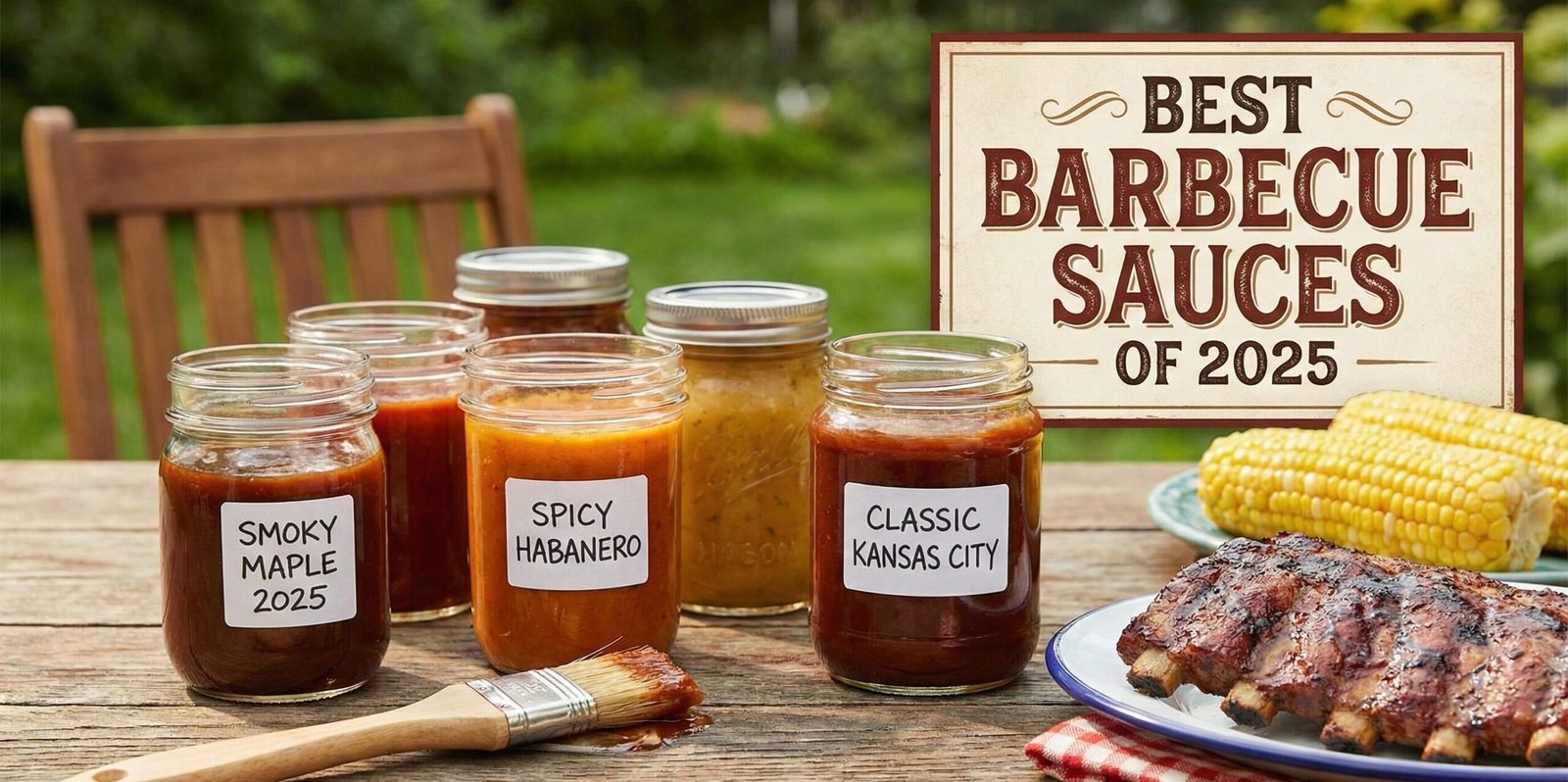
Discover our team’s picks for the best barbecue sauces — from smoky Texan to tangy Carolina. Find one you’ll actually finish before it expires.
Shop Best BBQ Sauces →🔍Signs Your BBQ Sauce Has Gone Bad
Knowing exactly what spoiled BBQ sauce looks, smells, and tastes like is your best defense against accidentally using bad sauce. Your senses are remarkably good tools for detecting spoilage — here’s what to check, systematically:
-
Visible mold — toss immediately Any fuzzy growth inside the bottle, on the rim, under the cap, or in the sauce itself means the entire bottle is contaminated. Mold you can see represents a much larger invisible network of mycelium throughout the sauce. Do not skim it off and continue — discard the whole bottle.
-
Off or sour smell — toss it Fresh BBQ sauce smells smoky, sweet, tangy, and savory — you know the smell well. If your sauce has developed a fermented, rancid, moldy, or otherwise “wrong” smell that’s distinctly different from its original aroma, don’t use it. Your nose is an extraordinarily sensitive instrument; trust it.
-
Slimy or unusual texture — toss it BBQ sauce should be thick and pourable, with normal separation that shakes back together easily. If the sauce has become slimy, stringy, or has developed a texture that doesn’t re-emulsify when shaken, bacterial or fungal activity has altered its chemistry. Discard.
-
Significant color change — investigate further Some darkening over time is normal — oxidation affects color. But dramatic changes (graying, unusual dark patches, or significant color shifts away from the original red-brown) can indicate degradation. Check for other signs before deciding.
-
Unusual separation — usually fine, sometimes concerning Normal separation (liquid pooling on top or bottom) is completely harmless — just shake it. But if the sauce has separated into layers that won’t mix back together, or if the solid portion has developed an unusual appearance or smell, that warrants further inspection.
-
Normal liquid separation — perfectly fine A watery layer at the top or bottom of your BBQ sauce is not a spoilage sign. This is normal settling of water and oil-based ingredients. Shake vigorously before use and it will recombine. This is especially common with vinegar-based and lower-sugar sauces.
-
Slight color darkening — usually fine Mild darkening of BBQ sauce over months is caused by oxidation and is generally harmless, though it may indicate some flavor changes. If the smell and texture are normal, the sauce is likely safe to use — taste a small amount if in doubt.
-
Flat or faded flavor — quality issue, not necessarily safety BBQ sauce that smells and looks fine but tastes noticeably flat, dull, or “off” compared to when you first opened it has degraded in quality. It’s probably not dangerous, but it won’t elevate your food the way fresh sauce would. Consider replacing it.
Some mold species produce mycotoxins that are dangerous even in tiny quantities. If you see mold anywhere in the bottle, discard the entire contents immediately without tasting.
What Does “Off” BBQ Sauce Actually Taste Like?
If you’re beyond the visual and smell checks and want to do a small taste test on sauce that looks normal but you’re uncertain about, here’s what “going bad” tastes like: a sour, fermented note that doesn’t match the intended flavor profile; bitterness where none was present before; a flat, lifeless quality where the smoke, sweetness, and tang used to sing. If any of these are present, stop tasting and discard.
🧊How to Store BBQ Sauce for Maximum Longevity
Proper storage is the single biggest factor in how long your BBQ sauce stays delicious and safe. The good news: it requires almost no effort. Here’s exactly what to do:
Before Opening: Pantry Storage
Unopened commercial BBQ sauce is shelf-stable and doesn’t require refrigeration. Store it in a cool, dark location — a kitchen pantry, a cabinet away from the stove, or a cellar. The enemies of shelf-stable sauce are heat, light, and humidity. Avoid storing near:
- The stove or oven (heat cycles degrade quality rapidly)
- Windows with direct sunlight (UV light accelerates oxidation)
- The dishwasher (heat and steam)
- Areas with significant temperature swings
An ideal pantry temperature is between 50°F and 70°F (10°C–21°C). In these conditions, most commercial BBQ sauces will maintain peak quality for a full year beyond the best-by date, and remain safe even longer.
After Opening: Always Refrigerate
Once the seal is broken, refrigeration is non-negotiable. The fridge significantly slows microbial growth and oxidation. Here’s how to maximize refrigerated life:
-
Return to the fridge promptly
Don’t leave the bottle sitting on the table during a meal for hours. Return it to the refrigerator within 2 hours of use — within 1 hour if the ambient temperature is above 90°F.
-
Wipe the rim and cap before sealing
Sauce residue on the cap or rim creates a breeding ground for mold. A quick wipe with a clean cloth or paper towel before replacing the cap makes a meaningful difference in longevity.
-
Store upright, not on the side
Keeping the bottle upright prevents sauce from pooling against the cap seal and reduces the risk of leakage or contamination at the lid.
-
Don’t “double dip” utensils
Pouring sauce into a separate bowl or using a clean spoon prevents food particles from entering the bottle and introducing contaminants. Never dip a brush that’s touched raw meat back into the sauce bottle.
-
Use the back of the fridge, not the door
The door of your refrigerator experiences the most temperature fluctuation due to repeated opening and closing. The rear shelves maintain more stable cold temperatures, which is better for opened condiments.
-
Label with the open date
Write the date you opened the bottle directly on the label or cap. This takes three seconds and eliminates all uncertainty when you pull it out months later.
If you only BBQ in summer and the sauce will sit untouched all winter, consider freezing it rather than leaving it in the fridge for months. Frozen BBQ sauce lasts up to a year and thaws beautifully.
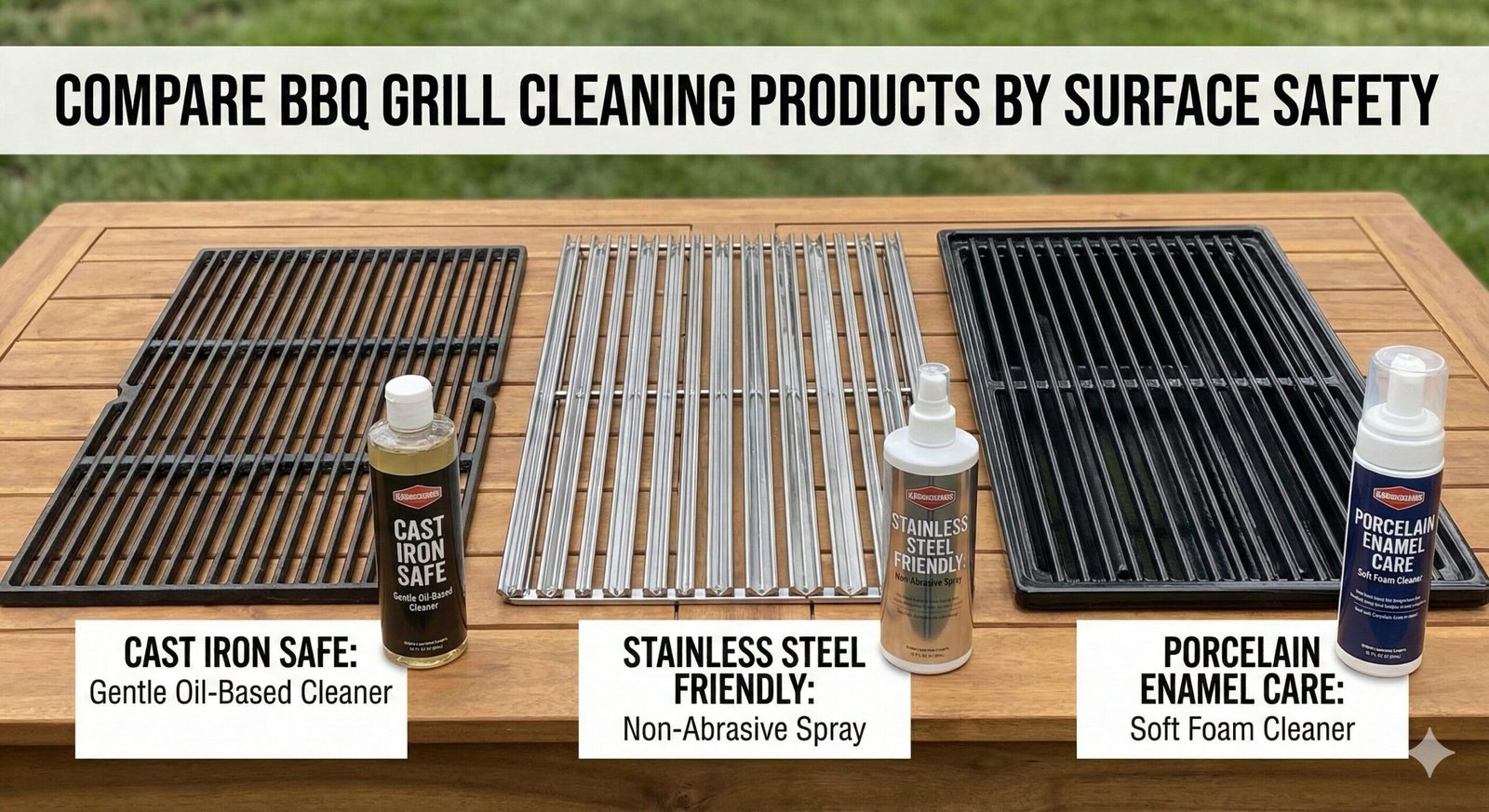
Good hygiene applies to your grill too. Our picks for the best barbecue grill cleaners will keep your cooking surface as clean as your pantry.
Shop Grill Cleaners →📆Understanding BBQ Sauce Expiration Dates
The date printed on your BBQ sauce bottle is almost always a “best by” or “best if used by” date — not a hard expiration date signaling that the product becomes dangerous after that point. This distinction is critically important and widely misunderstood, resulting in enormous amounts of perfectly good food being thrown away unnecessarily.
What “Best By” Actually Means
A best-by date is the manufacturer’s guarantee of peak quality. It means the product will be at its best — in terms of flavor, color, and texture — up to that date when stored as directed. Beyond that date, quality may gradually decline, but the product is not automatically unsafe.
| Date Label Type | What It Means | Used on BBQ Sauce? |
|---|---|---|
| Best By / Best If Used By | Peak quality guaranteed until this date. Product may still be safe and usable after. | ✅ Yes — most common |
| Use By | Safety-focused date. More serious — don’t use after this date on perishables. | Rare for commercial BBQ sauce |
| Sell By | Inventory guidance for retailers. Not a consumer safety date. | Occasionally present |
| Manufactured On / Production Date | When the product was made. Useful for calculating age. | Sometimes present |
In practical terms: an unopened bottle of commercial BBQ sauce that is 3 months past its best-by date, stored in a cool pantry, is almost certainly still safe and likely still delicious. A bottle that’s 2 years past its date, stored in a hot garage, is a different story. Context and storage conditions matter far more than the printed date alone.
Why Dates Are Conservative
Manufacturers set best-by dates conservatively, accounting for less-than-ideal storage conditions, the full supply chain from factory to store shelf to pantry, and legal liability. A bottle that a manufacturer dates for 12 months may reasonably last 18–24 months under proper conditions. This conservatism is built in to protect against the worst-case storage scenarios.
🍳Homemade BBQ Sauce: A Different Story
If you make your own BBQ sauce — and if you love barbecue deeply enough, you eventually will — the shelf life rules are fundamentally different from commercial products. Homemade sauce lacks the commercial preservatives, pH-controlled processing, and sterile bottling conditions of factory-made products. This means it spoils significantly faster.
✅ Homemade Sauce Strengths
- Completely customizable flavor
- No artificial preservatives or additives
- Can tailor acidity and sweetness for longer life
- Satisfaction of true from-scratch cooking
- Freezes extremely well for batch cooking
⚠️ Homemade Sauce Limitations
- Only 1–2 weeks refrigerated life
- No commercial preservatives
- Fresh ingredients (garlic, onion) spoil faster
- Not processed in controlled sterile conditions
- Requires strict hygiene during preparation
Extending Homemade BBQ Sauce Life
Several strategies can meaningfully extend the shelf life of homemade sauce:
- Increase acid content: Higher vinegar ratios create a more hostile environment for microbial growth. Carolina-style vinegar-forward recipes naturally last longer than low-acid, fruit-based sauces.
- Cook thoroughly: Simmering your sauce for 20–30 minutes before bottling kills most surface bacteria and reduces microbial load significantly.
- Sterile jars: Use properly sterilized mason jars. Running jars through the dishwasher on the hot cycle or boiling them for 10 minutes dramatically reduces contamination risk.
- Freeze in portions: Divide sauce into ice cube trays, freeze, then transfer to freezer bags. You’ll have perfectly portioned sauce available for up to a year, and each cube is fresh when thawed.
- Proper canning: If you’re serious about homemade sauce production, learning safe water bath canning techniques allows you to create shelf-stable homemade sauce. This requires precise pH control and following tested recipes — but it works.
Hygiene During Homemade Sauce Preparation
The cleanliness of your equipment, hands, and workspace during sauce preparation directly determines how long it will last. Use clean utensils throughout, avoid introducing raw meat juices or contaminants, and never return a used spoon to the pot without rinsing. Small lapses in kitchen hygiene that would be invisible in a sauce consumed the same day can mean the difference between one week and two weeks of shelf life for a stored sauce.
❄️Can You Freeze BBQ Sauce?
Absolutely, and it’s one of the smartest things you can do if you have more sauce than you can use within a few months. Freezing is an underused strategy for condiments that halts spoilage completely and preserves flavor far better than extended refrigeration.
How to Freeze BBQ Sauce
-
Leave headspace in containers
Liquids expand when frozen. Leave at least ½ inch of space at the top of any container to prevent cracking or lid popping.
-
Use the right containers
Freezer-safe zip-lock bags (lay flat to save space), small mason jars designed for freezing, or rigid plastic freezer containers all work well. Avoid regular glass jars not rated for freezing — they can crack.
-
Portion strategically
Freeze in recipe-appropriate portions — 2 tablespoons in an ice cube tray for individual servings, ½ cup portions for a rack of ribs, 1 cup for a larger batch cook. This prevents thawing more than you need.
-
Label everything
Date and label every container with sauce type, quantity, and freeze date. Frozen foods develop “freezer amnesia” — unlabeled containers are a mystery six months later.
-
Thaw safely in the fridge
Move frozen sauce to the refrigerator 12–24 hours before you need it. Never thaw at room temperature for extended periods. Use thawed sauce within 1–2 weeks and don’t refreeze.
Does Freezing Affect BBQ Sauce Quality?
The flavor of frozen BBQ sauce is generally excellent — the complex blend of vinegar, sugar, tomato, and spices holds up beautifully in the freezer. The texture may change slightly: some separation or textural changes are possible after thawing, particularly in sauces with fresh vegetable chunks or complex emulsification. A good stir or brief warm-up on the stove will restore most sauces to near-perfect consistency.
Pour sauce into ice cube trays, freeze solid, then pop the cubes into a labeled freezer bag. Each cube is roughly 2 tablespoons — a perfect single-serving portion for basting, dipping, or adding to a recipe without thawing an entire batch.
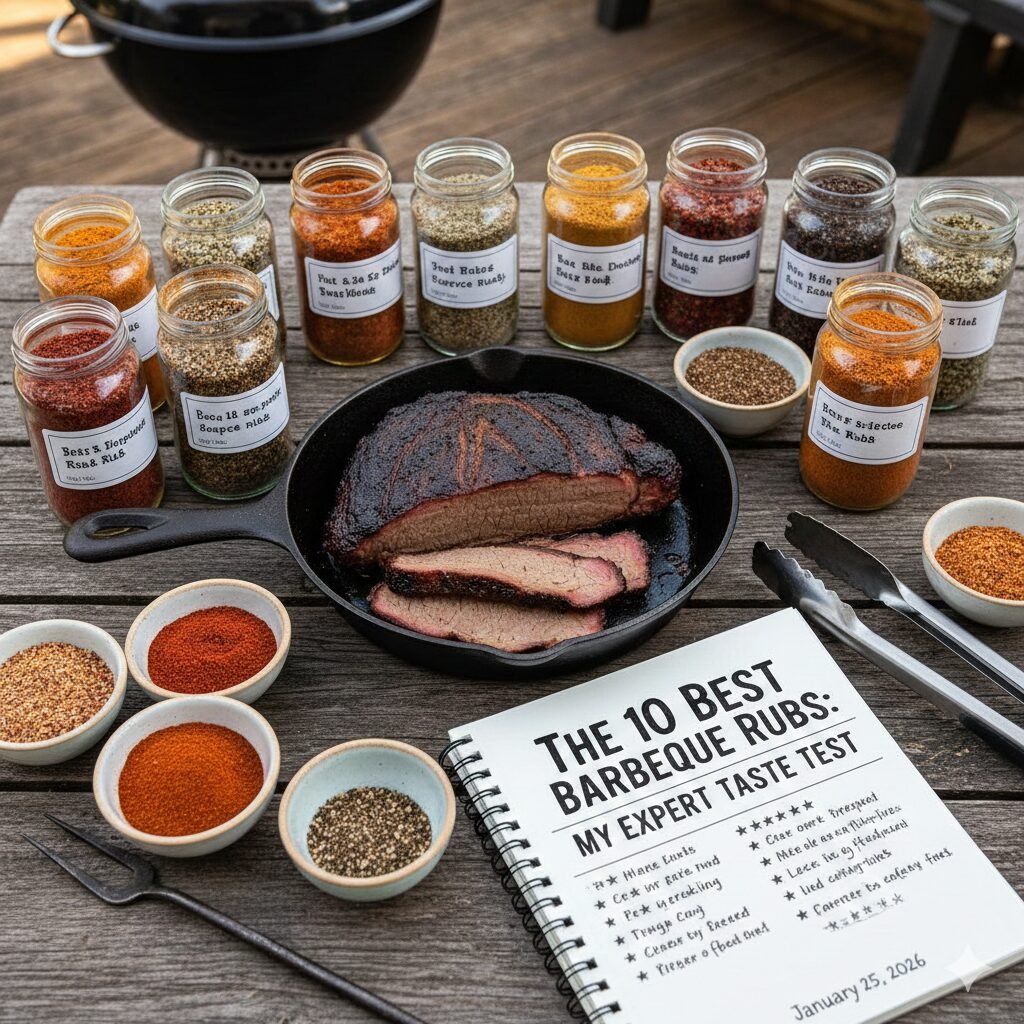
Dry rubs are incredibly shelf-stable. Explore our picks for the best barbecue rubs — a pantry investment that lasts for years without worry.
Shop BBQ Rubs →🗺️Does Sauce Style Affect How Long It Lasts?
Not all BBQ sauces are created equal — and the style of sauce you’re working with meaningfully affects its longevity. The chemistry of different regional sauce styles creates very different preservation profiles.
| BBQ Sauce Style | Key Ingredients | Relative Longevity | Notes |
|---|---|---|---|
| Kansas City | Tomato, molasses, sugar | Moderate | High sugar helps, but thick texture can harbor mold at bottle rim |
| Eastern NC (Vinegar) | Vinegar, pepper flakes, salt | Excellent | High acid = natural preservative; longest-lasting style |
| South Carolina Mustard | Mustard, vinegar, sugar | Very Good | Vinegar + mustard acidity provide good protection |
| Texas Mop Sauce | Tomato, beef drippings, onion | Shorter | Animal fats shorten life significantly — refrigerate immediately |
| Alabama White | Mayonnaise, vinegar, horseradish | Shortest | Mayo base = perishable; use within 1–2 weeks of opening |
| Memphis Tomato-Vinegar | Tomato, vinegar, spices | Moderate–Good | Balanced acid content; similar to KC but thinner |
| Fruit-Based | Peach, mango, pineapple | Moderate | Fresh fruit reduces shelf life; check for fermentation |
The key takeaway: sauce styles with high vinegar content (particularly Carolina-style vinegar sauces) have the longest shelf life because acetic acid is a potent natural preservative. Sauces containing animal fats (Texas mop sauces with drippings) or dairy (creamy white sauces) have significantly shorter shelf lives and require more careful storage and faster consumption.
This has an implication for gluten-free BBQ sauce shoppers too: many gluten-free formulations substitute malt vinegar with apple cider or white vinegar, which actually increases the sauce’s acidity and can extend shelf life compared to the original formulation.
❌Common BBQ Sauce Storage Mistakes
Even careful cooks make storage errors that shorten sauce life unnecessarily. Here are the most common mistakes and exactly how to avoid them:
-
Storing opened sauce in the pantry The single most common mistake. Once the seal is broken, the pantry is no longer appropriate. Refrigerate immediately after opening, every single time, regardless of how “non-perishable” the sauce seems.
-
Double-dipping used brushes into the bottle A marinade or basting brush that’s touched raw chicken or pork carries bacteria. Dipping it back into the sauce bottle introduces those bacteria into the entire remaining sauce. Pour sauce into a separate bowl for basting.
-
Storing near the stove or oven Heat is the enemy of sauce longevity. Many people store condiments in the cabinet directly above the stove — the warmest spot in the kitchen. Move your sauces to a cooler location.
-
Transferring to a different container without labeling Decanting sauce into a squeeze bottle or container without noting the original best-by date or when it was opened creates complete uncertainty. Always transfer this information to the new container.
-
Buying in bulk without a plan A great sale on a case of BBQ sauce is only a good deal if you can use it before it degrades. Six months after opening bottle number one, bottles two through twelve still need to be finished — or frozen before opening.
-
Shaking before use (good habit) Always shake or stir BBQ sauce before using. This re-emulsifies separated ingredients and ensures you get the full flavor profile in every pour, not just the heavy or light components that settled.
🏥Food Safety: What Happens If You Eat Bad BBQ Sauce?
Understanding the actual risks of consuming spoiled BBQ sauce helps you make informed decisions without unnecessary fear — or unnecessary risk-taking.
The Most Likely Threats in Spoiled BBQ Sauce
The organisms most likely to cause problems in spoiled BBQ sauce are mold species and certain spoilage bacteria. True foodborne pathogens like Salmonella or E. coli are far less likely to survive in a high-acid, high-sugar environment like BBQ sauce — these pathogens prefer lower-acid, protein-rich environments. However, some mold species produce mycotoxins (toxic secondary metabolites) that are dangerous even in small quantities and are heat-stable, meaning cooking the sauce afterward won’t neutralize them.
Symptoms of Consuming Spoiled BBQ Sauce
If you’ve eaten BBQ sauce that was genuinely spoiled (not just past its best-by date but showing actual spoilage signs), you might experience:
- Nausea and vomiting
- Stomach cramps or abdominal pain
- Diarrhea
- General malaise
Symptoms typically appear within a few hours to 24 hours of consumption. Most cases are mild and resolve on their own with rest and hydration. Severe cases, or cases involving immunocompromised individuals, young children, elderly people, or pregnant women, warrant medical attention.
Pregnant women, the elderly, young children, and those with compromised immune systems are at higher risk from foodborne illness. For these groups, erring on the side of discarding any questionable sauce is especially important.
Perspective: True Risk Is Low with Common Sense
It’s worth emphasizing that genuine food poisoning from commercial BBQ sauce is quite rare. The product’s chemistry — its acidity, sugar content, and salt — provides substantial natural protection. The vast majority of “questionable” BBQ sauce situations involve sauce that is past its quality peak but not genuinely dangerous. Using the visual, smell, and texture checks described earlier in this guide will reliably identify the small minority of cases that represent real safety concerns.
🔬The Science Behind Why BBQ Sauce Stays Stable
Understanding why BBQ sauce is so shelf-stable helps you appreciate the limits of that stability. The preservation of commercial BBQ sauce is a result of several overlapping chemical mechanisms working together:
Acetic Acid (Vinegar)
Vinegar is one of humanity’s oldest preservatives. Acetic acid denatures bacterial proteins and disrupts cell membranes, making it inhospitable to most bacteria and many mold species. The higher the vinegar content, the greater the preservative effect — which is why Eastern NC-style vinegar sauces are the most shelf-stable of all regional styles.
Sugar and Osmosis
High sugar concentrations create what’s called a hypertonic environment. When bacteria come into contact with high-sugar foods, osmosis draws water out of their cells, effectively dehydrating and killing them. The thick, sweet Kansas City-style sauces with their high molasses and sugar content leverage this mechanism heavily.
Salt
Like sugar, salt creates an osmotic environment hostile to most microorganisms. It also reduces water activity — the measure of “free” water available for microbial use — which is a key determinant of food shelf life.
Low pH
The tomatoes, vinegar, and citrus commonly found in BBQ sauce create an acidic environment (pH typically between 3.5 and 4.5). Most foodborne pathogens struggle to grow below pH 4.6, and many cannot survive at all below pH 4.0. This low pH is one of the most important factors in BBQ sauce’s natural stability.
Commercial Processing Advantages
Beyond ingredient chemistry, commercial BBQ sauce benefits from heat processing (which kills microorganisms present in raw ingredients), sterile bottling in controlled environments, and often the addition of food-safe preservatives like potassium sorbate or sodium benzoate. These combined factors explain why a properly stored commercial bottle can remain safe for years.
🛒Choosing Quality BBQ Sauce for Longevity and Flavor
Not all BBQ sauces are equally shelf-stable, and understanding what to look for in a bottle helps you buy smart. Here’s what to evaluate:
Read the Ingredient List
Sauces with vinegar, tomato, and salt high on the ingredient list will be more shelf-stable than those with fresh fruit purees, dairy, or animal fats as primary ingredients. If the first several ingredients are high-acid or high-sugar, you’re looking at a more shelf-stable product.
Check for Preservatives
Food-safe preservatives like potassium sorbate and sodium benzoate are not inherently harmful and do meaningfully extend shelf life. If you prefer preservative-free sauces — many artisanal and natural-brand products don’t use them — simply expect a shorter shelf life and more vigilant storage.
Bottle Design Matters
Wide-mouth bottles allow for better inspection of the sauce and easier cleaning of the rim between uses. Squeeze bottles with narrow openings can harbor sauce buildup at the tip that’s harder to clean and more prone to mold development. Whatever the container, clean the opening before replacing the cap.
Buy for Your Actual Usage Rate
The best sauce is one you’ll finish. Buying the largest available bottle for the lowest unit cost only makes sense if you’ll consume it within the safe opened window. For occasional grilling, a medium bottle you’ll empty in a season makes more sense than a giant bottle that sits mostly full until it spoils. For the most-used, best-rated options, our guide to the best barbecue sauces covers top picks at every size and price point.
If you’re putting hours into a low-and-slow brisket cook on a premium smoker, it’s worth pairing that effort with a high-quality sauce or a homemade batch that complements rather than undermines the meat’s flavor.
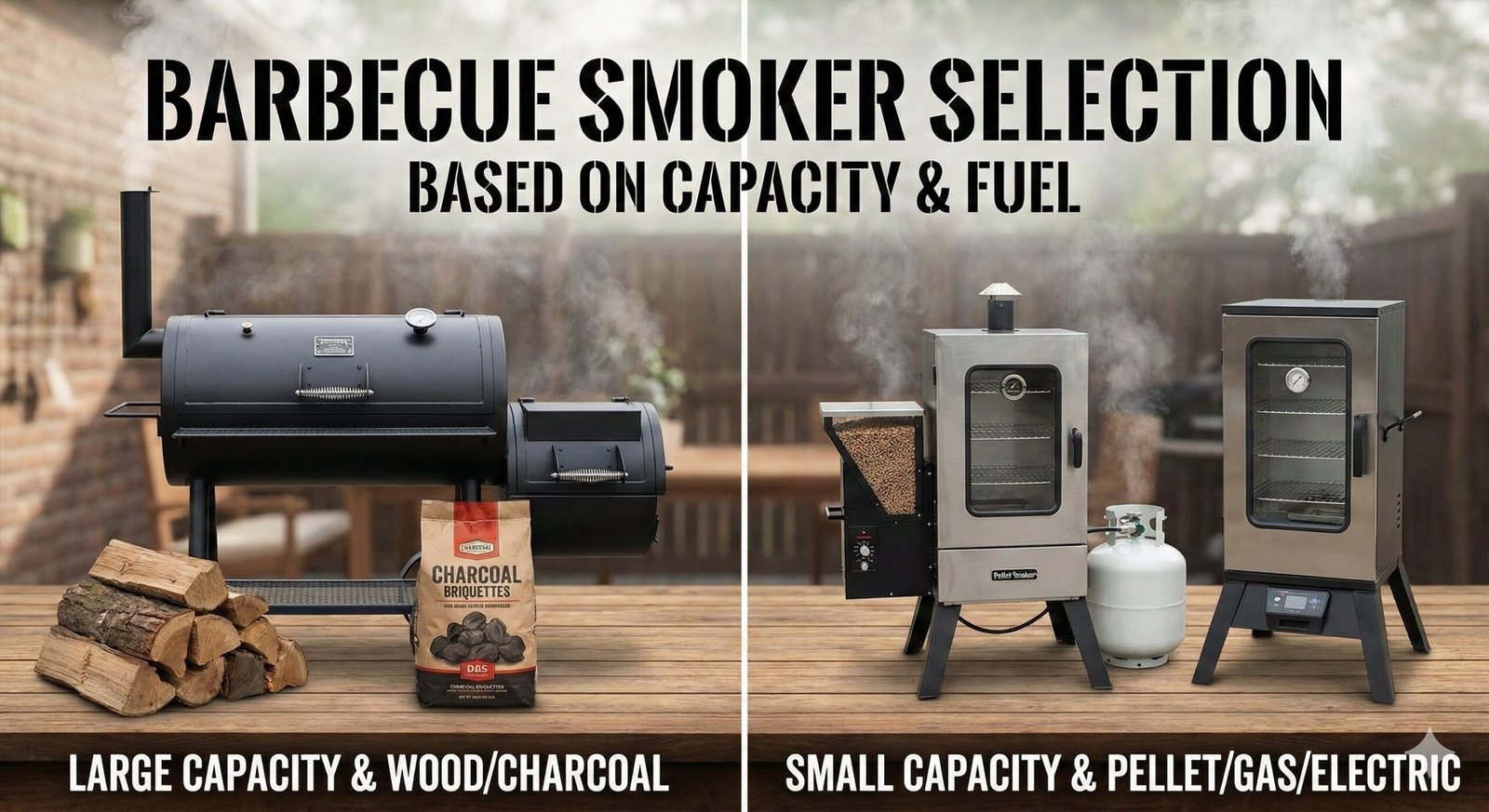
If you’re going to use premium sauce, pair it with premium equipment. Our best barbecue smokers guide covers every budget and style — from offset traditionalists to set-and-forget pellet grills.
Find Your Smoker →❓Frequently Asked Questions
The Final Verdict on BBQ Sauce Shelf Life
Does barbecue sauce go bad? Yes — but it’s one of the more resilient condiments in your kitchen. Commercial BBQ sauce gives you a comfortable 1–2 years unopened and a solid 4–6 months once you’ve cracked the seal — provided you’re keeping it refrigerated and not introducing contaminants into the bottle.
The key takeaways to carry with you: always refrigerate after opening, write the open date on the cap, trust your nose and eyes over the printed date, never dip used brushes back into the bottle, and freeze anything you won’t use within a few months. Follow these principles and you’ll never have to waste a good sauce or risk a bad meal.
Now that your sauce situation is sorted, the next step is making sure the food you’re putting it on is equally well cared for — from the grill you’re using to the rubs you’re applying and the tools doing the work.