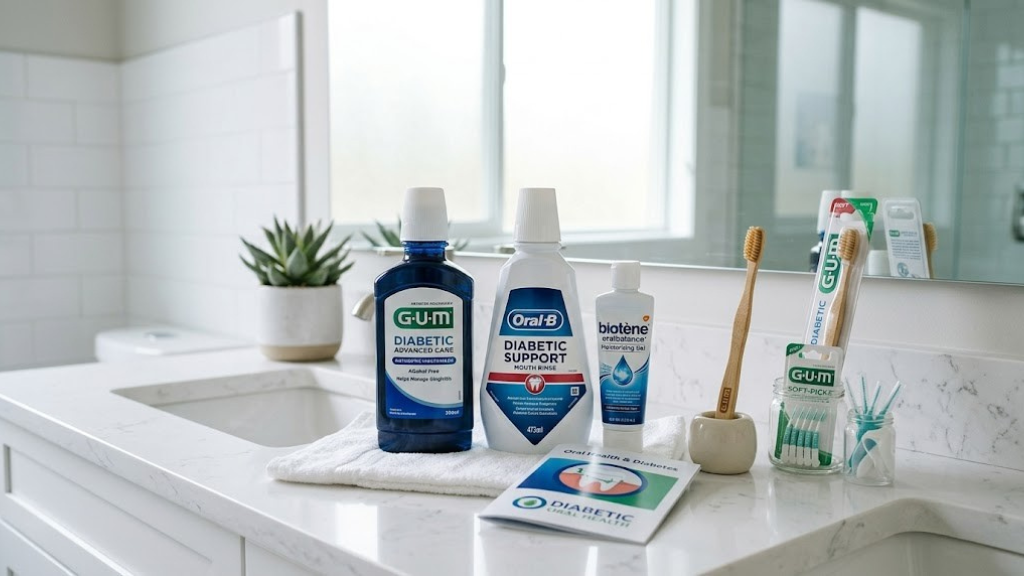
5 Best Mouthwash for Diabetics — Protect Your Gums, Guard Your Blood Sugar
Diabetes and gum disease share a dangerous two-way relationship. The right mouthwash disrupts that cycle — but most products on the shelf aren’t built for diabetic oral health. Here are the ones that genuinely are.
Why Diabetics Face a Much Harder Battle in the Mouth
If you have diabetes and your dentist seems unusually concerned about your gums, they have very good reason. Diabetes and oral health are locked in a two-way relationship that most people — and even some healthcare providers — don’t fully appreciate. Poor blood sugar control makes gum disease worse. And active gum disease makes blood sugar control harder. Break that cycle, and you improve both your oral health and your metabolic outcomes simultaneously.
Here’s what’s happening biologically. Elevated blood glucose creates a glucose-rich environment in saliva and gum tissue fluid. Oral bacteria — particularly the species associated with periodontitis (gum disease) — thrive in this environment. The resulting bacterial colonies trigger an immune response, releasing inflammatory cytokines like TNF-alpha and interleukin-6 that spill into the bloodstream and worsen insulin resistance. Higher insulin resistance means higher blood glucose. Higher blood glucose feeds more bacteria. The cycle continues.
The consequences of unmanaged oral disease in diabetics go well beyond bleeding gums. Periodontal disease is associated with elevated HbA1c levels — the primary measure of long-term blood sugar control. Research published in peer-reviewed dental and diabetes journals consistently shows that treating periodontitis can lower HbA1c by 0.4 to 0.5 percentage points, which is clinically meaningful and comparable to adding a second oral diabetes medication. This is oral hygiene as metabolic therapy.
Beyond gum disease, diabetes creates a cascade of other oral complications. Xerostomia (dry mouth) develops when high blood glucose draws water from tissues and impairs salivary gland function. Saliva is the mouth’s built-in defense system — it neutralizes acids, washes away bacteria, remineralizes enamel, and maintains a healthy oral pH. When saliva production drops, every oral problem accelerates: cavities form faster, bacteria proliferate, and healing slows.
Oral thrush (oral candidiasis) — a fungal infection caused by Candida albicans — occurs far more frequently in diabetics because elevated glucose provides the fuel that Candida needs to grow. The reduced immune function and dry mouth that often accompany diabetes create the perfect environment for fungal overgrowth. And because nerve damage can reduce sensation in oral tissues (yes, neuropathy affects the mouth too), these infections can progress significantly before causing discomfort.
The American Diabetes Association, American Dental Association, and American Academy of Periodontology all recognize the bidirectional diabetes–periodontal disease relationship. Make oral health discussions a regular part of your diabetes care appointments.
This is why the mouthwash you choose genuinely matters. A well-chosen therapeutic mouthwash disrupts the bacterial communities responsible for gum disease, addresses dry mouth, avoids ingredients that worsen existing vulnerabilities, and provides additional protection — fluoride, antimicrobials, pH buffering — that diabetic oral tissues need more than the average mouth does.
The Diabetic Mouthwash Buying Guide: 7 Criteria That Actually Matter
Walk past the mouthwash aisle in any pharmacy and you’ll see bold claims on every bottle. “Kills 99.9% of bacteria.” “12-hour protection.” “Clinically proven.” What you won’t see on most labels is whether the product is appropriate for the specific oral vulnerabilities that come with diabetes. Here’s how to evaluate any mouthwash through a diabetic-health lens:
1. Alcohol-Free Formula — Non-Negotiable
This is the single most important criterion. Alcohol (ethanol) is a desiccant — it actively dries out oral tissues. For diabetics who already have reduced salivary function and dry mouth as a baseline, an alcohol-containing mouthwash makes things significantly worse. Dry mouth accelerates cavity formation, increases bacterial proliferation, and creates cracked, uncomfortable tissues that are more vulnerable to infection. Every major dental organization recommends alcohol-free mouthwash for patients with dry mouth — and that means virtually all diabetics.
2. Antibacterial Active Ingredient
The antibacterial ingredient is the engine of a therapeutic mouthwash. The most evidence-backed active ingredients for OTC diabetic use are cetylpyridinium chloride (CPC) and stabilized chlorine dioxide. Chlorhexidine is more powerful but typically prescription-only and used for short courses. Cetylpyridinium chloride offers excellent antibacterial coverage against the periodontal pathogens most relevant to diabetic gum disease and is appropriate for daily long-term use.
3. Fluoride Content
Because dry mouth reduces saliva’s natural enamel-protection properties, and because high blood glucose creates an acidic oral environment that attacks enamel, fluoride supplementation through mouthwash is particularly valuable for diabetics. A fluoride rinse used after brushing adds an additional remineralization layer that significantly reduces cavity risk.
4. pH Balance and Buffering
Oral bacteria produce acids as metabolic byproducts. In an already glucose-rich diabetic oral environment, the acid challenge on enamel is substantial. A mouthwash with a neutral or slightly alkaline pH — or one with buffering agents that resist acid — provides an additional layer of enamel protection beyond fluoride.
5. Moisture and Dry Mouth Support
For diabetics with significant dry mouth, mouthwashes that contain humectants — ingredients that attract and retain moisture in oral tissues — provide meaningful comfort and protection. Ingredients like xylitol, aloe vera, and glycerin help maintain tissue hydration between uses.
6. Sugar-Free and Ingredient Safety
This seems obvious but requires active verification. Some flavored mouthwashes contain sugars, corn syrup, or high amounts of artificial sweeteners. Always read the full ingredient list. No sugar should be present — full stop. While mouthwash is not swallowed, small amounts can be inadvertently ingested, particularly by elderly patients or those with swallowing difficulties.
7. No Harsh Dyes or Irritants
Artificial dyes, high concentrations of menthol, or harsh surfactants can irritate sensitive or inflamed gum tissue. Diabetics with active gingivitis or periodontitis have compromised gum tissue that is more reactive to irritants. Gentler formulas — particularly those without artificial colors — are preferable.
Mouthwash Ingredients: Use These, Avoid Those
Understanding the ingredient list gives you the ability to evaluate any mouthwash — including new products that come to market after this article was written. Here’s what to welcome and what to avoid:
The gold-standard OTC antibacterial for gum disease prevention. Effective against periodontal pathogens, appropriate for daily use, and well-tolerated. Present in TheraBreath Healthy Gums and Colgate Total.
Remineralizes enamel and reduces cavity-causing bacterial activity. Especially important for diabetics with dry mouth. Present in ACT Total Care and Colgate Total.
Powerful oxidizing antibacterial that neutralizes sulfur-producing bacteria. Very effective for bad breath and gum health. Active ingredient in TheraBreath line.
A sugar alcohol that inhibits Streptococcus mutans (primary cavity bacteria) while stimulating saliva flow. Safe for diabetics, provides mild sweetness without blood sugar impact.
A humectant that helps retain moisture in oral tissues. Particularly beneficial for dry mouth. Gentle and non-irritating — ideal for sensitive diabetic oral tissue.
Anti-inflammatory and soothing for irritated gum tissue. Some formulas include it for additional gum health support. The CloSYS range features aloe-enriched options.
Directly worsens dry mouth. Also irritates inflamed gum tissue and may disrupt the oral microbiome. Any mouthwash listing alcohol, ethanol, or ethyl alcohol in ingredients should be avoided by diabetics.
Feeds oral bacteria and creates the exact environment that worsens diabetic oral disease. Surprisingly present in some flavored children’s and “natural” mouthwashes. Always check.
A foaming agent that can irritate and strip mucous membranes. Associated with canker sore formation in sensitive individuals. Many people with diabetes already have sensitive oral tissues.
At therapeutic concentrations (3%+), peroxide can irritate gum tissue and cause mucosal damage. Low concentrations in some formulas are fine, but prescription-strength peroxide should only be used under dental supervision.
Serve no therapeutic purpose and can irritate sensitive gum tissue. Look for clear or lightly colored formulas — vivid blue or green dyes are purely cosmetic and unnecessary.
Excellent antibacterial but causes tooth staining and taste alteration with long-term use. Best used as a short-term prescription treatment for active gum disease, not as a daily OTC maintenance rinse.
All 5 Picks: Quick Comparison at a Glance
| Mouthwash | Alcohol-Free | Key Active | Fluoride | Dry Mouth Help | Best For | Rating |
|---|---|---|---|---|---|---|
| TheraBreath Healthy Gums | Yes | CPC + Chlorine Dioxide | No | Moderate | Gum disease / overall #1 | ⭐ 4.7/5 |
| ACT Total Care Anticavity | Yes | Sodium Fluoride + CPC | Yes | Good | Cavity + gum combo | ⭐ 4.6/5 |
| Colgate Total Pro-Shield | Yes | CPC | Yes | Moderate | All-around protection | ⭐ 4.5/5 |
| CloSYS Ultra Sensitive | Yes | Chlorine Dioxide | Optional add-in | Good | Sensitive gums / gentle use | ⭐ 4.4/5 |
| Biotène Dry Mouth Oral Rinse | Yes | Enzyme system (LP3) | No | Excellent | Dry mouth relief | ⭐ 4.4/5 |
Many dentists recommend a two-mouthwash approach for diabetics with dry mouth and gum disease: use an antibacterial rinse (TheraBreath or Colgate Total) in the morning and a dry-mouth formula (Biotène) at bedtime when saliva flow is at its lowest and overnight bacterial activity is highest.
The 5 Best Mouthwashes for Diabetics: Full Reviews

TheraBreath has built a well-deserved reputation in the therapeutic mouthwash space, and the Healthy Gums formula is their most directly relevant product for diabetic oral care. Formulated by Dr. Harold Katz — a dentist and bacteriologist — the entire TheraBreath line is built around the science of eliminating the anaerobic sulfur-producing bacteria that drive bad breath, gum inflammation, and periodontal disease.
What sets it apart for diabetic patients specifically is the dual active system: cetylpyridinium chloride (CPC) for broad-spectrum antibacterial coverage, paired with stabilized chlorine dioxide which targets the deep-pocket anaerobes most responsible for periodontitis. This one-two combination is the most effective OTC antibacterial approach available for gum disease prevention without requiring a prescription.
The formula is 100% alcohol-free and contains no artificial dyes or harsh surfactants. The taste is mild and clean — a mild citrus-mint with none of the burning intensity of alcohol-based competitors. This gentleness matters: patients are far more likely to maintain a consistent twice-daily habit with a mouthwash that doesn’t feel punishing to use. Compliance is everything in oral hygiene.
For diabetics with elevated inflammatory markers in gum tissue, the anti-inflammatory effect of reducing bacterial load with CPC and chlorine dioxide can translate directly into measurable improvements in gum health within 2–4 weeks of consistent use. Multiple clinical studies on CPC-containing rinses demonstrate reduction in plaque scores, gingival bleeding, and pocket depth when used consistently alongside brushing and flossing.
- 100% alcohol-free — safe for dry mouth
- Dual antibacterial system: CPC + stabilized chlorine dioxide
- No artificial dyes or harsh surfactants
- Neutralizes the sulfur compounds that signal active bacterial infection
- ADA Seal of Acceptance — independently verified efficacy
- Available in large 33.8oz bottles for cost-effective use
✅ Pros
- Most effective OTC antibacterial for periodontitis
- Genuinely alcohol-free and gentle
- Unflavored option for taste-sensitive patients
- ADA-accepted with documented efficacy
- Addresses the bacteria most relevant to diabetic gum disease
- Good-sized bottles at reasonable per-ounce cost
⚠️ Limitations
- Does not contain fluoride
- Slightly more expensive than mainstream brands
- Mild taste may feel less “effective” to those used to intense minty burning
- Not a dry mouth treatment formula
The most clinically sound OTC choice for diabetics prioritizing gum disease prevention. Pair with a fluoride toothpaste and — if dry mouth is significant — add Biotène at bedtime.
Check Price on Amazon →
ACT (Advanced Care Technology) has been the leading fluoride mouthwash brand in the US for decades, trusted by dentists and used in clinical settings. The Total Care formulation adds CPC antibacterial coverage to ACT’s established fluoride formula, creating a single product that addresses both cavity risk and gum disease — the two most significant oral concerns in diabetic patients.
For diabetics with dry mouth, the fluoride component is particularly important. Saliva’s natural role includes delivering calcium and phosphate to tooth surfaces for remineralization. When saliva is reduced, this process slows and enamel becomes more vulnerable. Daily fluoride rinse compensates for this, providing direct topical fluoride application to maintain enamel integrity.
The alcohol-free formulation is widely available and competitively priced — ACT is one of the most accessible mouthwashes on the market. The mint flavor is pleasant without being overwhelming. The formula contains no alcohol, no artificial sweeteners that affect blood glucose, and no unnecessary additives. For patients who need a reliable daily rinse and don’t want to spend time researching specialty brands, ACT Total Care is a straightforward and excellent choice.
One practical note for diabetics: because the fluoride in ACT rinse is most effective when it can sit on tooth surfaces for several minutes without being diluted, it’s best used 30–60 minutes after brushing with a fluoride toothpaste — not immediately before or after. This allows the toothpaste fluoride to do its work first, then the rinse adds an additional application.
✅ Pros
- Fluoride + CPC antibacterial in one formula
- Widely available at every pharmacy
- Most budget-friendly option on this list
- ADA-accepted, clinically proven fluoride formula
- Genuine alcohol-free formulation
- Great for cavity-prevention priority
⚠️ Limitations
- Antibacterial effect less powerful than TheraBreath’s dual system
- Minimal dry mouth relief
- Some flavor variants contain artificial dyes
- Less targeted for advanced gum disease
The best value option for diabetics who need both fluoride cavity protection and antibacterial gum coverage. Excellent for those on a budget or who prioritize availability.
Check Price on Amazon →
Colgate is one of the most rigorously researched oral health brands in the world, with decades of clinical studies backing their formulations. The Total Pro-Shield alcohol-free mouthwash is part of the Total franchise — which has FDA approval for gingivitis management in addition to standard cavity prevention claims — making it one of very few OTC mouthwashes with a genuine FDA therapeutic indication.
The 12-hour antibacterial protection claim — backed by clinical studies — is particularly relevant for diabetics who need continuous bacterial suppression throughout the day and overnight. The combination of CPC for bacterial kill and sodium fluoride for enamel protection covers both primary oral disease risks for diabetic patients in a single, accessible formula from a brand that dentists have trusted for generations.
The alcohol-free Total Pro-Shield formula addresses a significant problem with some earlier Colgate Total products — the original formulation contained alcohol. The updated alcohol-free version maintains the clinical efficacy while removing the primary concern for diabetic patients with dry mouth. It’s worth specifically verifying the “Alcohol Free” label on the packaging, as the Colgate Total line has multiple variants.
The fresh mint flavor is pleasant and appropriately mild. Some diabetics report that the formula causes less “burning” or irritation than competitor brands — likely attributable to the lower surfactant concentration and absence of alcohol. For patients with sensitive gums or early gingivitis, this gentleness is a genuine advantage.
✅ Pros
- FDA therapeutic indication for gingivitis management
- 12-hour clinical protection claim with backing studies
- Fluoride + CPC antibacterial dual coverage
- Maximum brand and dentist credibility
- Widely available everywhere
- Very competitive price
⚠️ Limitations
- Must specifically buy the “Alcohol Free” variant — confirm at purchase
- No dry mouth relief components
- Contains artificial dye (blue coloring)
- Slightly less powerful for deep-pocket anaerobes vs. TheraBreath
The most clinically credentialed mainstream option — FDA gingivitis indication plus fluoride, with good dentist recommendation rates and maximum availability.
Check Price on Amazon →
CloSYS (Chlorine Dioxide System) takes a different formulation approach to the other products on this list. Rather than relying on CPC as the primary active ingredient, it uses stabilized chlorine dioxide — the same oxygen-releasing chemistry used in hospital disinfection — to create a highly effective, yet extremely gentle antibacterial rinse. The result is a mouthwash that is arguably the most gentle on compromised oral tissue of any product we reviewed, without sacrificing antibacterial efficacy.
This matters particularly for diabetics who have already developed gingivitis or early periodontitis — inflamed, bleeding, or sensitive gum tissue that reacts badly to the intensity of conventional mouthwashes. CloSYS Ultra Sensitive is specifically formulated without artificial flavors, dyes, SLS, or any of the ingredients most likely to cause irritation, making it the most suitable choice for the most reactive oral environments.
One standout feature is the pH-balanced, neutral formula. Chlorine dioxide mouthwashes are inherently pH-neutral to slightly alkaline, which counteracts the acidic oral environment created by bacterial acid production in glucose-rich diabetic saliva. This pH-buffering effect adds an additional layer of enamel protection beyond what most antibacterial rinses provide.
The unflavored variant (the most popular for sensitive-tissue patients) contains literally no flavor compounds — an unusual feature that makes it ideal for diabetics on multiple medications who already experience taste alterations, or for those with oral mucositis or tissue sensitivity. A drop of included flavoring can be added by those who prefer some mint taste, giving the user control that no other product on this list offers.
✅ Pros
- Exceptionally gentle — ideal for inflamed or sensitive gums
- pH-balanced formula counteracts acid environment
- Free from virtually all potential irritants
- Unflavored option unique in this category
- Good for patients with taste alterations from medications
- Chlorine dioxide effective against both aerobic and anaerobic bacteria
⚠️ Limitations
- No fluoride in base formula (requires separate fluoride version)
- Less widely available than Colgate or ACT
- Higher price point
- Unflavored taste takes adjustment for some users
The gentlest option for diabetics with active gum inflammation, medication-induced taste changes, or significant sensitivity to conventional mouthwash ingredients.
Check Price on Amazon →
Biotène is in a separate category from the other four products on this list — it’s primarily a dry mouth treatment rather than an antibacterial rinse. But for diabetics, xerostomia (dry mouth) is often the single most disruptive oral symptom — and one that dramatically amplifies every other oral health risk. Addressing dry mouth isn’t just about comfort; it’s about restoring the protective function that saliva provides.
Biotène’s formula centers on an enzyme system (LP3 system: lactoperoxidase, lysozyme, and lactoferrin) that mimics the antibacterial proteins naturally present in healthy saliva. This salivary replacement technology doesn’t just lubricate — it partially restores the antimicrobial protective function that diabetics lose when saliva production drops. Glycerin and xylitol provide additional moisture retention and mild antibacterial properties.
Biotène is most powerful when used at bedtime. Overnight is the highest-risk period for diabetic oral health: saliva flow drops to its lowest point naturally during sleep, bacterial activity increases, and any existing dryness compounds the problem over 6–8 hours without the mechanical washing and buffering actions of eating and drinking. A Biotène rinse before sleep creates a protective, moisturizing film that lasts several hours — partially bridging the dry-mouth gap through the night.
Important to note: Biotène should not be used as a substitute for an antibacterial rinse. While the LP3 enzyme system provides some antimicrobial activity, it does not have the broad-spectrum antibacterial potency of CPC or chlorine dioxide. For diabetics with active gum disease concerns, Biotène is best used as a complement to TheraBreath or Colgate Total — not as a replacement. Use an antibacterial rinse in the morning, Biotène at night.
✅ Pros
- Best-in-class dry mouth relief
- Enzyme system partially replaces salivary protection
- Xylitol provides mild cavity protection
- Extremely gentle — good for frequent daily use
- Dentist-recommended for xerostomia management
- Available in various formats (gel, spray, lozenges) for comprehensive dry mouth care
⚠️ Limitations
- Not a substitute for antibacterial mouthwash
- No fluoride content
- More expensive than mainstream options
- Relief is temporary (2–4 hours) — needs regular reapplication
Essential for diabetics with significant dry mouth — especially at bedtime. Best used alongside TheraBreath or ACT Total Care for comprehensive protection, not as a standalone solution.
Check Price on Amazon →Managing Diabetic Dry Mouth: Beyond the Rinse
Xerostomia affects somewhere between 40–70% of people with diabetes, making it one of the most prevalent and underaddressed complications of the disease. Because dry mouth isn’t painful in the way that a toothache is, patients often don’t report it to their healthcare provider — or dismiss it as a minor inconvenience. The reality is significantly more serious: a dry mouth is a mouth with diminished defenses.
What Dry Mouth Does to Your Teeth and Gums
Saliva is not just moisture — it’s a complex biological fluid with multiple protective functions. It contains immunoglobulins that neutralize pathogens, buffers that maintain pH, enzymes that begin food digestion, calcium and phosphate ions that remineralize enamel, and a mechanical washing action that physically removes bacteria and food debris from teeth. When saliva production drops, all of these protective mechanisms are impaired simultaneously.
The resulting conditions — persistent low pH, high bacterial counts, reduced remineralization — create an environment where cavities form faster, gum disease progresses more aggressively, oral thrush is more likely, and tissue healing after minor injuries slows considerably. For diabetic patients who already have elevated infection risk and impaired healing, this is a compounding vulnerability that demands active management.
Comprehensive Dry Mouth Management Strategies
- Sip water consistently throughout the day — small, frequent sips are more effective than large infrequent amounts at maintaining oral moisture
- Breathe through the nose when possible — mouth breathing dramatically accelerates oral drying
- Chew sugar-free xylitol gum — mechanical chewing stimulates saliva production; xylitol provides additional antibacterial benefit
- Use a humidifier at night — reduces overnight moisture loss from the oral cavity while sleeping
- Avoid caffeine, alcohol (in beverages), and tobacco — all are desiccants that worsen dry mouth
- Review medications with your doctor — over 400 medications list dry mouth as a side effect; alternatives or timing adjustments may help
- Use Biotène or similar products regularly — not just when uncomfortable; preventive use is more effective than reactive use
All of the strategies above help manage dry mouth symptoms, but the primary driver is elevated blood glucose drawing water from salivary glands. Consistent blood sugar management through nutrition and medication adherence is the most effective long-term treatment. Dry mouth that significantly improves when glucose is well-controlled is telling you something important about the importance of metabolic management.
Alcohol-free, CPC + chlorine dioxide antibacterial system, ADA-accepted. The most clinically sound OTC mouthwash for diabetic gum disease prevention.
Shop on Amazon →The Complete Diabetic Oral Hygiene Routine
Mouthwash is one component of a comprehensive oral care system. Used in isolation, even the best mouthwash cannot compensate for inadequate brushing or infrequent dental visits. Here’s the full daily routine that dental and diabetes specialists recommend for patients managing both conditions:
Morning Routine
- Brush for a full 2 minutes with a soft-bristle toothbrush and fluoride toothpaste — electric toothbrushes consistently outperform manual for plaque removal in clinical studies
- Floss thoroughly — this is non-negotiable for diabetics; periodontal disease initiates in the interproximal spaces that brushing cannot reach
- Wait 30 minutes before using mouthwash — allows toothpaste fluoride to adhere to enamel
- Rinse with antibacterial mouthwash (TheraBreath Healthy Gums, ACT Total Care, or Colgate Total) for full 60 seconds
- Check blood glucose — morning oral care before breakfast is ideal to establish a pre-meal baseline
Evening / Bedtime Routine
- Brush again for 2 full minutes — night brushing is arguably more important than morning since bacteria are most active during the 7–9 hours of sleep
- Floss if you didn’t in the morning — once daily flossing covers the minimum requirement
- Use Biotène or dry-mouth rinse — especially important before sleep when saliva production drops
- Do not eat or drink (except water) after rinsing
Professional Care Schedule
- Dental cleanings every 3–4 months — not twice a year. Most dentists recommend more frequent professional cleaning for diabetic patients because bacterial recolonization occurs faster in glucose-rich environments
- Annual comprehensive periodontal assessment — including pocket depth measurement to monitor for disease progression
- Communicate your diabetes status at every dental appointment and list all current medications — many interact with dental treatment and anesthetic agents
The tongue harbors a significant proportion of the mouth’s bacterial load, including many anaerobic species associated with periodontal disease and bad breath. A daily tongue scrape (using a dedicated tool, not a toothbrush) as part of the morning routine can meaningfully reduce total oral bacterial load — a simple 20-second addition with genuine impact.
How Blood Sugar and Diet Directly Shape Your Oral Health
You can use the best mouthwash on the market twice a day and still lose the battle against diabetic oral disease if your blood glucose is consistently elevated. The mouth is a direct window into your metabolic state. When blood glucose is high, salivary glucose rises in proportion — and that glucose is food for oral bacteria.
Every meal that keeps your blood sugar in the normal range is simultaneously starving the periodontal pathogens that cause gum disease. Every A1c point reduction you achieve through diet, exercise, and medication management is an A1c point of protection for your oral health. The relationship is that direct.
Specific dietary factors with strong oral health implications for diabetics include:
- Refined carbohydrates and sugars — the most direct fuel for Streptococcus mutans and periodontal bacteria; frequent consumption keeps oral glucose elevated throughout the day
- Acidic foods and beverages — citrus juices, carbonated drinks, and vinegar-based foods lower oral pH and directly attack enamel, compounding the acid challenge from bacteria
- Calcium and vitamin D — essential for maintaining the alveolar bone that supports teeth; diabetics with poor metabolic control have higher rates of alveolar bone loss
- Vitamin C — critical for collagen synthesis in gum tissue; deficiency accelerates gum disease progression
- Omega-3 fatty acids — anti-inflammatory action that may reduce periodontal inflammation systemically
Building consistent, blood-sugar-friendly eating habits directly supports oral health — and vice versa. Our 30-day diabetic menu is a practical framework for developing the long-term eating patterns that protect every system in your body, including your teeth and gums. For those managing blood pressure alongside diabetes — which directly impacts oral circulation and healing — our diabetic menu for high blood pressure addresses both simultaneously.
Fiber is another underappreciated factor. High-fiber foods require more chewing, which stimulates saliva production — providing natural oral defense. Our high-fiber diabetic meal plan builds in the kind of dietary fiber that supports blood sugar stability while naturally increasing salivary function. And if you’re managing prediabetes and want to prevent these oral complications before they fully develop, starting with structured nutrition early is enormously more effective than intervening after gum disease is established — our menu for prediabetes covers preventive nutritional strategy in depth.
Oral bacteria don’t stay in the mouth — evidence increasingly suggests that periodontal pathogens can enter the bloodstream through inflamed gum tissue and contribute to systemic inflammation. This means your oral hygiene routine is part of your whole-body diabetes management. It’s not just about your smile.
When to Stop Browsing Mouthwash Reviews and Call Your Dentist
Mouthwash is a maintenance and prevention tool. It is not a treatment for active dental disease. Knowing when to escalate from self-management to professional care is as important as choosing the right products.
See Your Dentist Urgently If You Notice:
- Gums that bleed consistently when brushing or flossing — not just occasionally
- Gum recession (teeth appearing longer than usual)
- Persistent bad breath that doesn’t respond to improved oral hygiene
- Loose teeth or changes in how your teeth fit together when biting
- White patches, red patches, or sores in the mouth that don’t heal within 2 weeks
- Pain or swelling in the jaw, face, or under the tongue
- Signs of oral thrush: white creamy patches that wipe off and leave redness underneath
Discuss These with Your Dentist at Your Next Visit:
- Your current HbA1c — dentists use this to assess your oral infection risk and plan treatment timing
- All medications you’re currently taking — many affect oral health, bleeding risk, and healing
- Symptoms of dry mouth — your dentist may recommend prescription-strength salivary stimulants
- Whether you would benefit from a chlorhexidine prescription rinse for a treatment course
- Your current home oral hygiene routine and whether any adjustments are recommended
Abscesses and spreading oral infections can cause unpredictable and dangerous blood glucose spikes in diabetics, and may spread more rapidly due to impaired immune response. Never delay treatment for a suspected dental infection. If you develop fever, facial swelling, or difficulty swallowing alongside oral pain, seek emergency care immediately.
Frequently Asked Questions About Mouthwash for Diabetics
Your Mouth Is Part of Your Diabetes — Treat It That Way
The connection between diabetes and oral health runs deeper than most people realize. Gum disease and blood sugar exist in a bidirectional cycle — and breaking that cycle with consistent, appropriate oral care is one of the most underutilized tools in diabetes management. The right mouthwash, used correctly and consistently, is a genuinely therapeutic intervention, not just a freshness habit.
For most diabetics, our top recommendation is TheraBreath Healthy Gums — the most clinically sound OTC antibacterial formula available without a prescription. For cavity protection alongside antibacterial coverage, ACT Total Care delivers excellent value. If dry mouth is your primary challenge, Biotène at bedtime is non-negotiable. And for the most sensitive or inflamed gum tissue, CloSYS Ultra Sensitive provides effective antibacterial care without the irritants that worsen reactive tissue.
But remember — no mouthwash substitutes for blood sugar control. Every healthy, balanced meal you eat is protecting your gums from the inside. Keep exploring our nutritional resources to build the dietary foundation that makes every oral care product work harder.