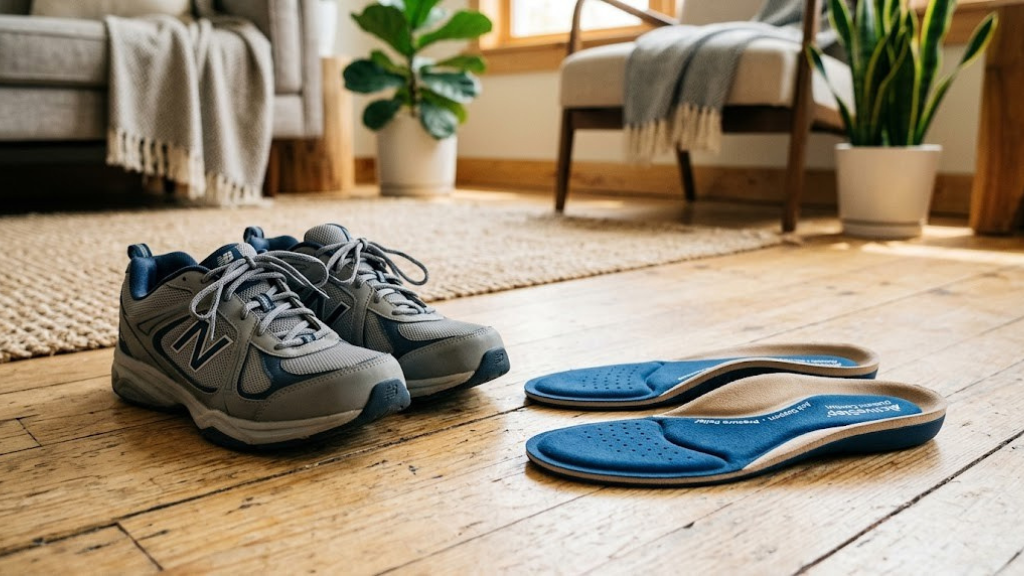
5 Best Insoles for Diabetic Feet — Reviewed, Ranked & Ready to Protect You
If you have diabetes, your feet deserve more than a generic foam insert. Here are the insoles that actually make a difference — tested against the criteria that matter most for diabetic foot health.
Why the Right Insole Is Non-Negotiable When You Have Diabetes
For most people, an insole is an afterthought — something you add when your sneakers feel flat. For people with diabetes, insoles are a front-line medical tool. The stakes couldn’t be higher: diabetic foot complications are the leading cause of non-traumatic lower limb amputations worldwide, and the vast majority of those amputations begin with a small, preventable wound.
Here’s what’s happening at the foot level in diabetes. Elevated blood sugar over time damages nerves — a condition called peripheral neuropathy — reducing or eliminating the sensation in the feet. You lose the body’s built-in warning system. A blister, a hot spot, a forming ulcer: you may feel none of it. At the same time, poor circulation (peripheral arterial disease) means wounds heal slowly or not at all. A small friction injury that a non-diabetic person would barely notice can become a limb-threatening infection in someone with diabetes.
This is why the insole inside your shoe matters so much. A properly designed diabetic insole does several critical things simultaneously: it redistributes pressure evenly across the plantar surface so no single point bears excessive load; it cushions impacts that your compromised nerves can’t feel; and it creates a smooth, friction-free interface that won’t abrade vulnerable skin.
The good news is that the right insole — paired with proper footwear and vigilant foot care — is one of the most effective tools available for preventing diabetic foot complications. Clinical evidence consistently shows that pressure-relieving insoles can reduce plantar pressure by 20–50%, which directly correlates to reduced ulcer formation rates.
Before purchasing insoles, discuss foot care with your endocrinologist, podiatrist, or diabetes care team. If you have active ulcers, significant neuropathy, or Charcot foot, you likely need custom orthotics and specialist supervision rather than OTC products.
What you eat also plays a profound role in how your feet feel and function. Blood sugar management through nutrition is the foundation of preventing neuropathy progression. Whether you’re following a structured meal plan or learning the basics, resources like our 7-day diabetic menu can help you build the dietary habits that protect your feet from the inside out.
The Diabetic Insole Buying Guide: What Actually Matters
Walk into any pharmacy and you’ll face a wall of insoles claiming to solve everything from plantar fasciitis to jet lag. Very few are designed with diabetic foot health in mind. Here are the criteria that separate a genuinely useful diabetic insole from a generic foam pad with a medical-sounding name:
The insole must spread load evenly across the entire plantar surface. Look for total-contact design — the insole conforms closely to every contour of the foot so no single point bears disproportionate pressure.
Diabetic insoles should have substantial cushioning — particularly at the heel, metatarsal heads, and ball of foot, which are the highest-risk locations for ulcers. Thin insoles offer inadequate protection.
Any seam, ridge, or texture on the top surface can create friction and abrasion on sensitive skin. The surface that contacts your foot should be perfectly smooth, ideally with a soft fabric or silicone layer.
Sweaty, damp feet are more susceptible to fungal infections, maceration, and skin breakdown. Look for moisture-wicking top fabrics or antimicrobial treatments that keep the foot environment dry.
Plastazote, memory foam, EVA, and silicone gel are the gold-standard materials for diabetic insoles. Avoid thin foam insoles that compress flat within weeks — compressed insoles lose all protective properties.
Insoles must fit properly inside your shoe without cramping toes or creating pressure points. Extra-depth shoes are ideal companions. Always remove the factory insole before inserting a diabetic insole.
Feet that lack sensation can’t detect minor infections. Insoles with antimicrobial treatments reduce the microbial load on the foot surface, providing an additional layer of protection against infection.
Flat feet, high arches, and neutral arches have different pressure distribution patterns. An insole that matches your arch type prevents compensatory stress and keeps load distribution optimal.
What to Avoid
- Rigid full-length insoles — hard materials don’t cushion impact and can create pressure concentrations at the edges
- Thin fashion insoles — offer essentially zero protection; compressed within days of use
- Insoles with raised textures, seams, or bumps on the upper surface — these create friction points on neuropathic skin
- Insoles sized too large — curled edges press into the sides of feet and create new pressure injuries
- Insoles marketed “for diabetics” without genuine orthotic properties — check materials and construction, not just marketing language
Even well-designed insoles can cause pressure problems if introduced too aggressively. Start with 1–2 hours per day, inspect your feet carefully after each use, and gradually increase wear time over 1–2 weeks. Any redness, hotness, or skin marking means the insole needs adjustment.
Quick Comparison: All 5 Picks at a Glance
Not everyone has time for a deep dive into every product. Here’s the fast-reference overview of our five recommendations before we go into full detail on each:
| Insole | Best For | Material | Arch Type | Antimicrobial | Price Range | Rating |
|---|---|---|---|---|---|---|
| Dr. Scholl’s Diabetic & Circulatory | Overall best / neuropathy | Foam + gel | Moderate arch | Yes | $$ | ⭐ 4.6/5 |
| Powerstep Pinnacle Maxx | High arch + plantar fasciitis | EVA + foam | High support | Yes | $$ | ⭐ 4.5/5 |
| Spenco Total Support Max | All-day standing / flat feet | EVA + SiliconePlus | Neutral-high | Partial | $$ | ⭐ 4.4/5 |
| Superfeet Green Premium | Structural support + durability | Foam + stabilizer cap | High | Yes | $$ | ⭐ 4.4/5 |
| Viasox Diabetic Gel Insoles | Budget / sensitive skin | Silicone gel | Low-moderate | Partial | $ | ⭐ 4.2/5 |
The 5 Best Insoles for Diabetic Feet: Full Reviews
Dr. Scholl’s Diabetic & Circulatory Insoles
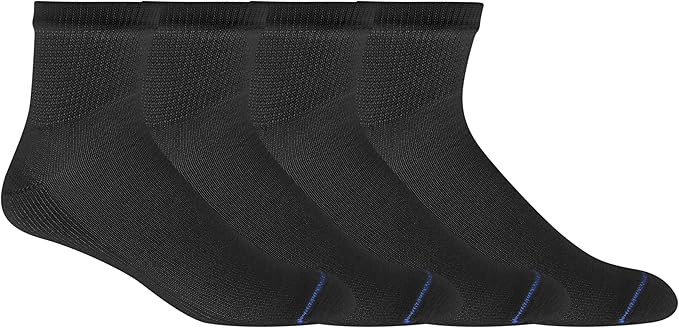
If there’s one insole designed from the ground up with diabetic foot health as the primary concern — not an afterthought — it’s Dr. Scholl’s Diabetic & Circulatory line. This is the only major OTC insole to explicitly reference diabetic circulation in its name, and the product genuinely backs that up with construction choices that align with podiatric recommendations for diabetic patients.
The construction is thoughtful: a multi-layer design that starts with a firm-but-flexible EVA base that holds shape through long days, transitions through a shock-absorbing middle layer, and finishes with a soft antimicrobial top fabric that sits against the foot. The top fabric is completely smooth — no seams, no texture — which is critical for neuropathic skin.
The heel cup is moderately deep, cradling the calcaneus (heel bone) and reducing the tendency for the foot to pronate or supinate under load. Metatarsal cushioning is built in, addressing the most common site for diabetic plantar ulcers. The insole’s overall geometry provides gentle arch support appropriate for mild-to-moderate arch collapse — common in long-standing diabetes due to intrinsic muscle weakness.
Real-world reports from diabetic users consistently highlight two things: a noticeable reduction in foot fatigue after standing, and the ability to wear shoes for longer periods without developing pressure-related redness. For someone with peripheral neuropathy who can’t rely on pain as a feedback signal, this kind of objective protection is invaluable.
✅ Pros
- Explicitly designed for diabetic foot health
- Excellent pressure distribution
- Smooth, seamless top surface
- Antimicrobial fabric treatment
- Good value for clinical-grade protection
- Widely available in pharmacies and online
⚠️ Limitations
- Not ideal for very high arches
- May feel too cushioned for narrow shoes
- Not a substitute for custom orthotics in high-risk feet
- Gel layer can compress over time
Our top pick for most diabetic patients — excellent pressure relief, truly diabetic-specific design, and solid value.
Check Price on Amazon →Powerstep Pinnacle Maxx Insoles

Powerstep is a brand with genuine orthotic credibility — their products are recommended by podiatrists and used in clinical settings. The Pinnacle Maxx is their most supportive offering, and for diabetic patients who also deal with plantar fasciitis, high arches, or significant arch collapse, it provides a level of structural support that Dr. Scholl’s doesn’t match.
The Pinnacle Maxx features a semi-rigid arch support shell encased in cushioning foam, creating a structure that guides foot mechanics while still providing the soft interface that diabetic skin requires. The double-layer cushioning — EVA foam base with a plush VCT top layer — absorbs impact effectively. The heel cradle is deeper than average, providing rearfoot stability that helps with the overpronation that frequently develops in diabetic feet due to muscle weakness and structural changes.
The antimicrobial fabric treatment across the full top surface is a genuine plus for diabetic patients, and the construction is substantially more durable than most OTC options — many users report good function at 12+ months, which is better than average for this category. The tradeoff is that the firm arch support can feel aggressive to those accustomed to flat insoles; there’s a meaningful break-in period.
✅ Pros
- Excellent arch support for complex foot mechanics
- Podiatrist-recommended brand
- Very durable — long lifespan
- Deep heel cup for rearfoot control
- Full antimicrobial treatment
⚠️ Limitations
- Firm support requires break-in period
- Not ideal for very flat feet or those needing minimal support
- Thicker profile needs extra-depth shoes
- Higher price point than basic options
The best choice if you have high arches, plantar fasciitis, or need maximum structural support alongside cushioning.
Check Price on Amazon →Spenco Total Support Max Insoles

Spenco has a long history in the athletic and medical insole market, and the Total Support Max represents their most comprehensive offering. For diabetic patients who are on their feet for extended periods — retail workers, healthcare workers, teachers — this insole’s combination of all-day comfort and pressure management is especially relevant.
The standout feature of the Spenco Total Support Max is its SiliconePlus heel and forefoot cushioning inserts — strategically placed silicone gel pads at exactly the locations most prone to diabetic ulcers. This targeted approach to pressure relief at the metatarsal heads and heel is clinically sound. The 4-way stretch SiliconePlus top layer moves with the foot rather than against it, reducing shear stress — the frictional force that damages skin at the interface between tissue layers.
The arch support profile sits between the aggressive structure of the Powerstep and the gentle curve of the Dr. Scholl’s, making it a versatile middle ground for neutral-to-moderate arch types. The insole is also one of the more breathable options we’ve reviewed, which matters significantly for diabetic foot hygiene.
✅ Pros
- Targeted gel cushioning at highest-risk zones
- Excellent shear reduction (stretch top layer)
- Comfortable for 8+ hour wear
- Good breathability
- Widely available
⚠️ Limitations
- No full antimicrobial treatment
- Not ideal for extremely flat feet
- Gel may compress faster than foam alternatives
- Less structural than Powerstep
Ideal for diabetic patients who stand or walk for long periods and need targeted pressure relief with excellent shear protection.
Check Price on Amazon →Superfeet Green Premium Insoles

Superfeet Green is one of the most recognized insole brands in podiatry and sports medicine — trusted by healthcare professionals, athletes, and standing-profession workers for decades. It’s not marketed specifically as a diabetic insole, but its engineering makes it a strong choice for diabetic patients who need serious structural support and exceptional longevity.
The defining feature of Superfeet Green is the biomechanical stabilizer cap — a rigid plastic shell in the heel section that locks the rearfoot in a neutral position and prevents the excessive pronation that dramatically increases plantar pressure. Paired with a high-density foam cushioning layer and a full-length top coat treated with an organic odor control agent (derived from natural ingredients), it delivers both structural alignment and surface hygiene.
Where Superfeet Green is worth noting carefully for diabetic patients: the cushioning is less plush than pure foam alternatives. The benefit is exceptional support and shape retention — this insole will not compress into a useless flat pad after three months. But for patients with severe neuropathy who need maximum cushioning over structural control, one of the foam-forward options may serve better. For those with moderate neuropathy who also have significant pronation, Superfeet Green is an excellent clinical choice.
✅ Pros
- Exceptional longevity — maintains structure far longer than foam
- Superior biomechanical alignment
- Trusted by podiatrists and physical therapists
- Odor control treatment
- Great for diabetics with pronation issues
⚠️ Limitations
- Less cushioning than foam-forward options
- Not ideal for severe neuropathy needing maximum cushion
- Rigid heel can feel stiff initially
- Not specifically marketed/designed for diabetics
Best for diabetic patients who have significant pronation, need long-lasting structure, and have mild-to-moderate rather than severe neuropathy.
Check Price on Amazon →Viasox Diabetic Gel Insoles

Viasox is a brand built specifically around diabetic foot care products, and their gel insoles reflect genuine attention to the clinical requirements of diabetic patients at an accessible price point. If budget is a primary concern, or if you’re looking for a secondary insole for lighter-use shoes, the Viasox delivers credible protection without premium pricing.
The Viasox gel insole uses a silicone gel construction throughout — which means excellent shock absorption and a naturally smooth, seam-free surface. Silicone gel is biocompatible, hypoallergenic, and inherently antimicrobial to a degree that many fabrics are not. The full-gel construction creates a total-contact surface that conforms to foot contours under body weight, distributing pressure evenly.
The tradeoff with gel-only construction is support: silicone gel provides cushioning but not arch support. If you have significant arch issues, the Viasox alone won’t address them. It also runs on the thinner side compared to the multi-layer foam options, so it may feel less protective to those accustomed to thick cushioning. That said, for budget-conscious diabetic patients who need a reliable baseline protection — particularly for casual or occasional use shoes — it’s a very solid choice.
✅ Pros
- Very budget-friendly
- Smooth seamless gel — great for sensitive skin
- Diabetic-brand credibility
- Hypoallergenic silicone material
- Good shock absorption
⚠️ Limitations
- Minimal arch support
- Thinner than foam alternatives
- Not suitable as primary insole for high-activity use
- May feel slippery in some shoes
An affordable, diabetic-specific option for lighter use cases and budget-conscious shoppers. Best paired with supportive shoes.
Check Price on Amazon →Custom Orthotics vs. Over-the-Counter Insoles: Which Do You Need?
This is the question most people with diabetes eventually ask their podiatrist. The honest answer is nuanced — both have their place, and the right choice depends on the severity of your condition, your foot anatomy, and your financial situation.
| Factor | Custom Orthotics | OTC Diabetic Insoles |
|---|---|---|
| Cost | $200–$800+ | $20–$80 |
| Fit precision | Exact — cast/scan of your foot | Approximate — size-based |
| Prescription required | Yes | No |
| Insurance coverage | Often covered (Medicare Part B) | Rarely covered |
| Best for | Severe neuropathy, active ulcers, Charcot foot, significant deformity | Mild-moderate neuropathy, general prevention |
| Availability | Podiatrist visit required | Immediate — pharmacy or online |
| Adjustment possible | Yes — can be modified | No — one-size approach |
| Break-in period | 1–3 weeks | 1–2 weeks |
Who Should Go Straight to a Podiatrist for Custom Orthotics?
- Anyone with an active or recently healed plantar ulcer
- Patients with Charcot neuroarthropathy (severe structural foot changes)
- Those with severe peripheral neuropathy affecting gait
- People with significant foot deformities (severe bunions, hammertoes, Charcot)
- Anyone whose Medicare coverage or private insurance would cover the cost
- Patients who’ve tried multiple OTC options without adequate relief
Medicare Part B covers one pair of therapeutic shoes and three pairs of insoles per calendar year for diabetic patients who meet medical criteria. Ask your prescribing doctor to document your diabetic foot disease — this documentation is required for coverage approval.

Specifically designed for diabetic foot health — antimicrobial, pressure-redistributing, and seamless. The best starting point for most diabetic patients.
Shop on Amazon →Essential Diabetic Foot Care Beyond the Insole
An excellent insole is one component of diabetic foot care — an important one, but not a standalone solution. Here’s the complete daily foot care routine that every person with diabetes should follow:
The Daily Foot Inspection
Inspect your feet every single day — all surfaces, including between the toes. Use a mirror for the sole if you can’t bend easily, or ask a family member to help. You’re looking for any redness, swelling, blisters, cuts, calluses, or breaks in the skin. With neuropathy, you may feel none of these — only seeing them gives you a chance to act before they worsen.
Washing and Drying
Wash feet daily with mild soap and lukewarm water — never hot water, which can burn neuropathic feet. Dry thoroughly, paying careful attention to between the toes where moisture accumulates and fungal infections begin. Apply moisturizer to the soles and heels (never between the toes, where excess moisture increases infection risk).
Nail Care
Trim toenails straight across, never curved at the corners which can cause ingrown nails. File sharp edges gently. If you have difficulty reaching your feet, or if your nails are thickened by fungal infection, have them managed by a podiatrist rather than risking injury attempting it yourself.
Footwear Rules
- Never go barefoot — not even in your home. One stepping injury on a neuropathic foot can escalate rapidly
- Shake shoes before putting them on — check for foreign objects, pebbles, or debris
- Check shoes for wear patterns — unusual wear indicates abnormal pressure distribution
- Replace worn shoes promptly — compressed midsoles no longer provide protection
- Wear seamless socks — diabetic socks with no elastic bands or bulky seams
Any wound, sore, or area of redness on diabetic feet that doesn’t show improvement within 24–48 hours requires medical attention. Diabetic foot infections can progress to limb-threatening conditions within days. Never “wait and see” with diabetic foot wounds.
The Diet–Foot Health Connection You Can’t Ignore
The best insoles in the world can’t fully compensate for chronically elevated blood glucose. Neuropathy progression is directly tied to long-term glycemic control — every percentage point reduction in HbA1c meaningfully reduces the risk of nerve damage progression. This makes nutrition and meal planning one of the most powerful tools for protecting your feet.
Consistent blood sugar management through structured eating reduces the glycation (sugar-protein bonding) that damages nerve sheaths and blood vessel walls. Lower peak blood glucose levels mean less oxidative stress on peripheral nerves. Better circulation means wounds heal faster. The relationship is direct and well-documented.
Whether you’re newly diagnosed or managing long-term diabetes, having a structured nutritional framework helps enormously. Our 14-day diabetic meal plan provides a practical, varied template for balanced eating that supports blood sugar management — which directly supports your foot health over time.
Specific nutritional factors that support nerve and vascular health include:
- B vitamins (particularly B12, B6, and folate) — critical for nerve function and myelin sheath integrity
- Omega-3 fatty acids — anti-inflammatory, support circulation
- Magnesium — involved in nerve signal transmission and glucose metabolism
- Vitamin D — deficiency is associated with worse neuropathy outcomes
- Alpha-lipoic acid — an antioxidant with evidence for neuropathic symptom relief
Protein intake also matters more than many diabetic patients realize. Adequate protein supports tissue repair and wound healing — critical for feet that are working harder to recover from daily mechanical stress. A high-protein diabetic menu can be an important tool for those managing diabetic wound healing or recovering from foot injuries.
For patients managing both diabetes and kidney disease — a common comorbidity — protein requirements shift significantly, and a renal diabetic meal plan addresses these competing needs carefully. Blood pressure management is equally important, as hypertension compounds the circulatory damage that compromises foot health — our diabetic menu for high blood pressure helps address both conditions simultaneously.
Every meal that keeps your blood glucose in target range is protecting your nerve endings and blood vessels. Diabetic foot care isn’t just about what you put in your shoes — it’s also about what you put on your plate.
When to Stop Researching Insoles and See a Podiatrist
Over-the-counter insoles are appropriate for many diabetic patients, but there are clear situations where professional evaluation is essential. Knowing when to escalate is as important as choosing the right product.
See a Podiatrist Immediately If:
- You have any open wound, sore, or ulcer on your feet
- You notice any area of redness, warmth, or swelling that wasn’t there before
- You’ve developed a new area of numbness or tingling in your feet
- You notice your feet have changed shape (could indicate Charcot foot)
- You have a callus that’s breaking down or developing a wound at its center
- You notice any signs of infection — pus, increasing redness, red streaking, fever
Schedule a Routine Podiatry Visit If:
- You’ve been diagnosed with diabetic neuropathy and haven’t had a foot evaluation
- You’re unsure whether OTC insoles are adequate for your foot condition
- You’ve been using insoles but continue to develop calluses or pressure-related skin changes
- You want to determine whether you qualify for Medicare-covered therapeutic shoes
- You haven’t had a comprehensive foot exam in more than 12 months
Comprehensive foot examinations at least annually for all diabetic patients — and more frequently (every 3–6 months) for those with neuropathy, peripheral artery disease, or a history of foot ulcers. Don’t wait until you have a problem to establish care with a podiatrist.
Frequently Asked Questions About Diabetic Insoles
Your Feet Deserve Better Than a Generic Foam Pad
Diabetic foot complications are among the most devastating — and most preventable — consequences of diabetes. The right insole won’t cure neuropathy or reverse arterial damage, but it creates a dramatically safer mechanical environment for feet that can no longer protect themselves through sensation alone.
Our top pick for most diabetic patients remains the Dr. Scholl’s Diabetic & Circulatory Insoles — a genuinely diabetes-specific product with excellent pressure distribution and antimicrobial protection at an accessible price. For high arches or more complex mechanics, the Powerstep Pinnacle Maxx offers clinical-grade support. For long shifts on your feet, the Spenco Total Support Max delivers outstanding shear reduction and all-day comfort.
But remember: the insole is only one part of the equation. Daily foot inspection, proper footwear, and above all — consistent blood sugar management through smart nutrition — are the pillars that protect your feet long-term.