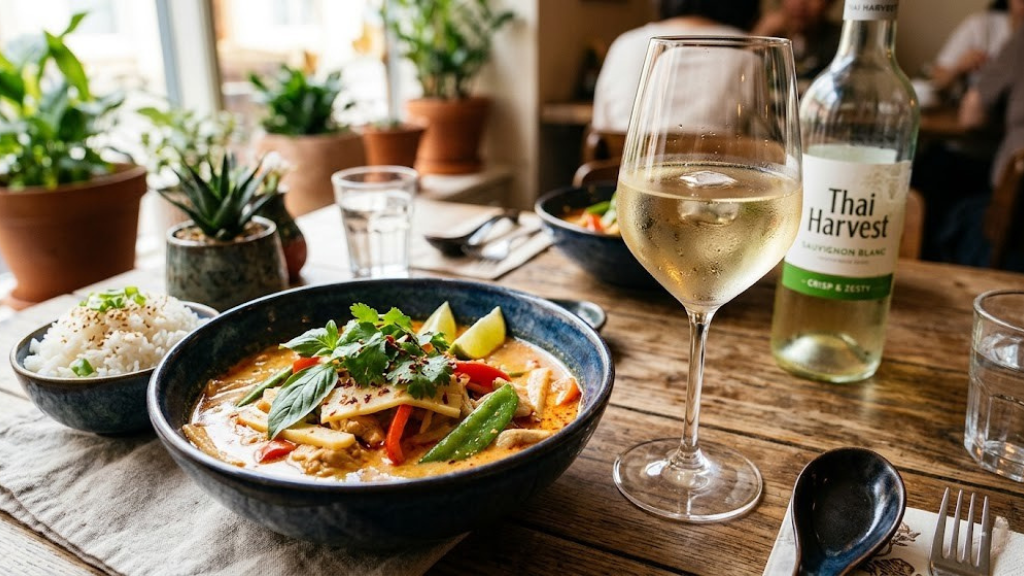
Wine Pairing with Spicy Food: How to Balance Heat and Flavor
For decades, the conventional wisdom in the wine world regarding spicy food was simple: “Don’t.” Sommeliers would shudder at the thought of pairing a fine vintage with a fiery Vindaloo or a Sichuan stir-fry. The fear was that the aggressive heat of chili peppers would obliterate the nuances of the wine, leaving nothing but a burning sensation and a metallic aftertaste.
Fortunately, times have changed. As our palates have become more adventurous and global cuisine has become a staple of modern dining, the art of wine pairing with spicy food has evolved from a culinary taboo into an exciting frontier. The truth is, the right wine cannot only survive the heat — it can tame it, refresh your palate, and unlock layers of flavor in your dish that you never knew existed.
Whether you are digging into Taco Tuesday, ordering Thai takeout, or cooking a complex Indian curry, this guide will equip you with the knowledge to choose the perfect bottle. Forget the old rules; it’s time to embrace the heat.

The Science: Capsaicin vs. Alcohol
To master the art of pairing, we must first understand the chemistry at play. The compound responsible for the heat in chili peppers is called capsaicin. Unlike sugar or salt, which dissolve in water, capsaicin is soluble in alcohol and fat. This is where things get tricky.
The Alcohol Burn
High alcohol content amplifies the burning sensation of capsaicin. If you sip a bold, high-alcohol Cabernet Sauvignon (15% ABV) after biting into a jalapeño, the alcohol acts as a solvent for the capsaicin, spreading it around your mouth and intensifying the burn. Instead of a pleasant warmth, you get a forest fire. This is why low-alcohol wines are generally preferred.
The Sugar Soothe
Sugar creates a coating on the tongue that acts as a barrier against heat. It essentially “puts out the fire.” This is why spicy cuisines often incorporate sweet elements (like palm sugar in Thai food or chutney with Indian curry). A wine with residual sugar (off-dry or semi-sweet) will balance the spice and bring the fruit flavors forward.
The Acid Refresh
Acidity in wine induces salivation. This natural reaction helps wash the palate, refreshing your mouth between bites of rich, spicy food. Without acidity, the heavy oils and spices can fatigue your taste buds quickly. To better understand these components, read our guide on how to pair wine with food properly.
The Scoville Scale Explained: Matching Wine to Heat Level
Not all spice is created equal, and the same wine that breezes through a mild jalapeño dish will collapse in the face of a ghost pepper curry. The Scoville Heat Unit (SHU) scale measures capsaicin concentration in peppers — and understanding it transforms your wine pairing from guesswork into a calibrated system.
🌶 The Practical Rule: Every 20,000 SHU = One Sweetness Step Up
As a rough guide, for every 20,000 SHU increase in the dish’s heat level, move one step sweeter on the wine scale: dry → off-dry → semi-sweet → sweet → dessert wine. A jalapeño dish (8,000 SHU) pairs well with off-dry; a habanero dish (200,000 SHU) needs at minimum a Spätlese or demi-sec. Use this as a starting point and adjust based on how much heat appears in the entire dish versus just the pepper used.
Different Types of Heat Behave Differently
Capsaicin (in chili peppers) lingers on the palate for minutes, making repeated wine sips cumulative in their heat interaction. Piperine (in black pepper) produces a sharper, shorter heat that dissipates faster — dishes spiced primarily with black pepper are more forgiving of tannic wines than capsaicin-heavy dishes. Allyl isothiocyanate (in wasabi and horseradish) is volatile and primarily affects the nasal passages rather than the tongue, which changes the pairing dynamic entirely — very high acidity wines like Muscadet or Chablis actually work surprisingly well with wasabi because the heat is nasal rather than oral.
The Role of Fat: Why Coconut Milk and Cream Change Everything
The most overlooked variable in spicy food wine pairing is the fat content of the dish. Because capsaicin is fat-soluble as well as alcohol-soluble, fat plays an active role in managing heat perception on the palate — and this dramatically changes which wines work best.
A dish like a Thai green curry made with full-fat coconut milk contains abundant fat that coats the tongue, partially binding the capsaicin and reducing its perceived intensity. The same amount of chili in a clear Vietnamese broth with no fat content will feel significantly hotter on the palate. This means that cream-based, coconut milk-based, or cheese-laden spicy dishes can accommodate slightly fuller-bodied wines than their chili content alone would suggest.
High-Fat Spicy Dishes
Coconut curries, cream-based sauces, cheese-laden dishes, braised meats
→ Can handle slightly fuller whites (Viognier, oaked Pinot Gris) or a light Grenache. The fat buffer allows more wine body.
Low-Fat Spicy Dishes
Broths, clear soups, grilled dishes, hot sauces, pickled preparations
→ Stick firmly to off-dry or sweet wines with low alcohol. No fat buffer means the capsaicin hits raw. High alcohol will amplify the burn significantly.
💡 The Dairy Exception
Dairy fat (cream, yogurt, cheese) contains casein — a protein that actively binds capsaicin molecules and pulls them off the tongue’s heat receptors. This is why a raita cools an Indian curry so effectively. A wine with creamy texture from malolactic fermentation (like a lightly oaked Chardonnay or a Champagne with high dosage) provides a partial version of this effect. It will not match the cooling power of actual dairy, but it can take the edge off mild-medium heat dishes in a way a lean, steely white cannot.
4 Golden Rules of Pairing Wine with Spice
Before we dive into specific bottles, memorize these four commandments. If you stick to these, you will almost never go wrong, regardless of the cuisine.
- 1. Low Alcohol is Best: Aim for wines under 13% ABV. The lower, the better. High alcohol equals high burn.
- 2. Chill it Down: Temperature plays a massive role. Cold wines are physically refreshing and help numb the sting of the spice. Warm red wines will make the heat feel oppressive.
- 3. Sweetness is Your Friend: Do not fear “Off-Dry” wines. A hint of sweetness counters the heat and complements exotic spices like cardamom, ginger, and lemongrass.
- 4. Avoid Tannins: Tannins (the bitter, drying compounds in red wine) clash violently with capsaicin. The combination creates a bitter, metallic taste that ruins both the food and the wine.
Best White Wines for Heat
White wines are the undisputed champions of spicy food pairing. Their natural acidity, lower alcohol, and potential for sweetness make them the perfect firefighters for your palate.
Riesling: The Undisputed King
If you only buy one wine for spicy food, make it a German Riesling. Look for the terms Kabinett or Spätlese on the label. These wines have high acidity (like biting into a crisp green apple) and just enough residual sugar to wrap around the heat of a chili pepper. The aromatics of apricot, jasmine, and lime zest harmonize beautifully with Asian spices.
Gewürztraminer: The Aromatic Queen
For dishes that are aromatic but not fiercely hot (think yellow curry or ginger chicken), Gewürztraminer is magic. It smells of lychee, rose petals, and exotic spices. Its texture is often oily and rich, which stands up well to coconut milk-based sauces. Learn more about these specific grapes in our wine varietals guide.
Chenin Blanc (Vouvray)
From the Loire Valley in France, Chenin Blanc offers a honeyed texture with razor-sharp acidity. An off-dry Vouvray pairs exceptionally well with sweet-and-spicy dishes like General Tso’s Chicken or BBQ pork.
Pinot Gris / Pinot Grigio: The Versatile Middle Ground
Pinot Gris from Alsace and Pinot Grigio from Italy represent two distinct expressions of the same grape, and both have a legitimate place at the spicy food table — though for different dishes. Alsatian Pinot Gris is fuller-bodied, slightly oily in texture, and often has a touch of residual sugar. This body and sweetness make it an excellent match for moderately spiced, cream-based dishes — rich Thai curries, Korma-style Indian preparations, or spicy coconut ramen. Italian Pinot Grigio, by contrast, is leaner, more neutral, and quite high in acidity. Its freshness and low alcohol make it a reliable, if unexciting, all-purpose match for mild to medium heat dishes. If the spice level is high, always choose the Alsatian style over the Italian.
Low-Alcohol Wines Deep Dive: Your Best Defence Against Heat
The single most effective tool in managing wine-spice interaction is choosing wines under 12% ABV. At this alcohol level, the solvent effect on capsaicin is dramatically reduced, and the wine’s refreshing qualities dominate over any heat amplification. Several wine styles are naturally low in alcohol and deserve specific attention.
Vinho Verde (Portugal)
The lightest, most refreshing white wine category commercially available. Naturally low alcohol from northern Portugal’s cool Atlantic climate. Slight effervescence, high acidity, citrus and green apple notes. Exceptional with Thai, Vietnamese, and light Mexican dishes. At under $12 a bottle for quality producers, it is also the best value option in this entire guide.
German Mosel Riesling (Kabinett)
The lightest German Riesling classification. Mosel Kabinett wines can reach as low as 7.5% ABV — essentially grape juice with a tiny amount of alcohol — while delivering extraordinary aromatic complexity and refreshing acidity. The residual sugar is precisely calibrated to balance the naturally high Mosel acidity. A revelation with spicy food.
Moscato d’Asti (Italy)
At just 5% alcohol, Moscato d’Asti is barely more alcoholic than a strong beer. Its slight fizz, honeyed sweetness, and delicate peach and apricot aromatics make it an extraordinary pairing for incendiary dishes. The sweetness extinguishes heat and the gentle bubbles cleanse the palate. Particularly effective with Sichuan and very spicy Korean dishes.
Lambrusco Amabile (Italy)
The sweet, slightly sparkling red from Emilia-Romagna. Lambrusco Amabile (the semi-sweet style, not the dry) delivers red berry fruit, gentle sweetness, and refreshing bubbles at low alcohol. Remarkable with spicy pizza, spicy pasta arrabbiata, and spicy tacos — the combination of bubbles, sweetness, and red fruit flavors matches the tomato-based spice profile perfectly.
Frühburgunder / Trollinger
Obscure but worth seeking: these light German red wines (similar to a very light Pinot Noir) have naturally low alcohol and minimal tannin. Serve slightly chilled. Their bright cherry fruit and refreshing acidity make them a legitimate spicy food pairing for drinkers who want a red but understand the rules.
Txakoli (Basque Country)
The Basque Country’s house white: bone dry, aggressively acidic, lightly effervescent, low alcohol. Not sweet — but the fierce acidity and natural effervescence cut through spicy food with remarkable efficiency. Pairs well with spicy pintxos, spicy seafood, and any dish where you want the wine’s role to be cleansing rather than sweetening.
Sweet Wines and Spicy Food: A Deep Dive
The sweetness principle — that residual sugar counters capsaicin heat — is well established but frequently misapplied. Not all sweet wines work equally well with spicy food, and understanding the specific mechanism helps you choose the right style.
The most effective sweet wines for spicy food pairing have three characteristics simultaneously: residual sugar (to coat the tongue), high acidity (to refresh and cleanse), and low alcohol (to avoid amplifying heat). Wines that are sweet but also high in alcohol (like many New World dessert wines) can actually increase overall heat sensation despite their sweetness, because the alcohol effect overwhelms the sugar effect on capsaicin.
🍯 Sweet Wine Rankings for Spicy Food
- German Riesling Spätlese/Auslese — sweet + high acid + low alcohol. The perfect triple combination. Best overall.
- Moscato d’Asti — very sweet + slight fizz + ultra-low alcohol. Best for very spicy dishes.
- Demi-sec Vouvray (Chenin Blanc) — sweet + high acid + moderate alcohol. Excellent for medium-heat dishes.
- Demi-sec Champagne — sweet + bubbles + moderate alcohol. Special occasion pairing for festive spicy meals.
- Torrontés (off-dry) — Argentine aromatic white, floral and slightly sweet. Good for mild-medium heat.
- Late Harvest Gewürztraminer — very sweet, very aromatic. Pairs beautifully with very spicy, richly spiced dishes. Handle alcohol level.
- Sauternes (with caution) — very sweet but also ~13.5% alcohol. Best only with moderately spiced dishes where sweetness is the primary challenge, not extreme heat.
Can You Drink Red Wine with Spice?
This is the most common question, especially from die-hard red wine lovers. The answer is yes — but you must be selective. The rule of thumb here is Low Tannin, High Fruit.
When pairing with steak, we look for tannins to cut the fat (see our guide on the best wine to pair with steak). But with spicy food, those same tannins are the enemy. Instead, look for lighter reds that can be served slightly chilled.
Best Red Options:
- Gamay (Beaujolais): Light, fruity, and practically tannin-free. Tastes like fresh strawberries and raspberries. Serve it chilled for a delightful pairing with spicy Korean BBQ.
- Grenache / Garnacha: A fruit bomb with white pepper notes. Handles smoky spice (like chipotle) very well.
- Zinfandel (with caution): While often high in alcohol, a fruit-forward Zinfandel can work with sweet-spicy BBQ sauces. Be careful of the burn.
- Lambrusco: A sparkling red from Italy. Bubbly, fruity, slightly sweet, and served cold. Shockingly good with spicy pizza or tacos.
The Magic of Bubbles, Rosé, and Orange Wine
Never underestimate the power of carbonation. Sparkling wines act as a scrubbing brush for your tongue — the bubbles physically lift the heavy oils and spices off your palate, leaving you ready for the next bite. Prosecco, Cava, or a demi-sec Champagne are fantastic with fried spicy foods like Nashville Hot Chicken.
Rosé is the universal donor of wine pairings. It has the acidity of a white but the berry fruit flavors of a red. A darker, fruitier Rosé (like a Tavel or a Spanish Rosado) can handle substantial spice levels and pairs brilliantly with Indian curries where a white might feel too light.
Orange Wine: The Unexpected Spice Partner
Orange wine — white wine made with extended skin contact, producing amber color and tannin-like phenolic structure — is an emerging favourite among sommeliers for pairing with complex, spicy cuisines. The extended skin contact adds body, texture, and a slight tannin grip that better matches the structural weight of heavily spiced dishes like Ethiopian stews, Moroccan tagines, and Georgian satsivi. Unlike red wine tannins which clash with capsaicin, the softer phenolics in orange wine provide structure without the bitterness, while the white wine’s natural acidity still provides palate refreshment. Look for Georgian Rkatsiteli orange wines, Slovenian skin-contact whites, or Friulian Ribolla Gialla for this application.
🍊 Why Orange Wine Works with Complex Spice
The key distinction is phenolic type. Red wine tannins (primarily from grape skins and seeds with extended maceration) are condensed and polymerized — they bind strongly with capsaicin to create harsh bitterness. Orange wine phenolics from shorter skin contact are less polymerized and create a textural grip that feels bitter-free against spice. Think of orange wine as a bridge between white and red wine characteristics — it provides both the spice-compatible acidity of a white and the textural weight of a red, without the tannin penalty.
Sparkling Wines Ranked for Spice Tolerance
Not all sparkling wines are equally effective against heat. The combination of sweetness level (dosage), alcohol content, and bubble intensity varies significantly across styles.
| Sparkling Wine | Sweetness | ABV | Spice Rating | Best With |
|---|---|---|---|---|
| Moscato d’Asti | Very sweet | 5–5.5% | ⭐⭐⭐⭐⭐ | Very spicy Asian, Sichuan |
| Demi-sec Champagne | Semi-sweet | 12–12.5% | ⭐⭐⭐⭐⭐ | Spicy fried food, Thai |
| Lambrusco Amabile | Semi-sweet | 8–10% | ⭐⭐⭐⭐⭐ | Spicy pizza, tacos, BBQ |
| Extra Dry Prosecco | Slightly sweet | 11–11.5% | ⭐⭐⭐⭐ | Medium heat, fried food |
| Cava Brut | Dry | 11.5–12% | ⭐⭐⭐ | Mild-medium heat dishes |
| Champagne Brut NV | Dry | 12–12.5% | ⭐⭐⭐ | Mild spice, fried appetizers |
| Brut Nature Champagne | Bone dry | 12–12.5% | ⭐⭐ | Mild heat only — no sugar buffer |
Wines to Avoid with Spicy Food: The Full List
Knowing what not to pour is just as valuable as knowing what to pour. These wines will make spicy food worse — not as a matter of taste preference, but as a matter of chemistry.
❌ High-Tannin Reds (Cabernet Sauvignon, Barolo, Bordeaux)
The worst possible pairing. Condensed tannins bind with capsaicin to produce harsh bitterness and a lasting metallic aftertaste that destroys both the food and the wine. A $100 Barolo poured with a spicy arrabiata is $100 wasted on both sides.
❌ High-Alcohol Reds (Amarone, Châteauneuf-du-Pape, Zinfandel 15%+)
Even without prominent tannin, alcohol above 14.5% dramatically amplifies capsaicin burn. The solvent effect overwhelms any fruity softness in the wine. Amarone at 16% with a habanero dish is essentially adding fuel to the fire.
❌ Heavily Oaked Chardonnay
Oak-derived compounds (particularly vanillin and lactones) interact with capsaicin to produce a bitter, woody aftertaste. The buttery texture does not provide sufficient fat buffering to compensate. An unoaked Chardonnay is fine; a heavily oaked one is not.
❌ Very Dry, High-Acid Whites (Muscadet, Chablis, bone-dry Albariño)
These wines lack the sugar buffer that makes high-acid wines work with spice. Pure acidity without sweetness can sharpen the perception of heat rather than soothe it — particularly with Thai and Vietnamese cuisines where citrus acidity is already prominent in the dish.
❌ Tannic Rosé (Provence Cinsault-dominated rosé with significant structure)
Most Provence rosé is low in tannin and works fine. However, some fuller-bodied rosés from Bandol or those with high Mourvèdre content carry enough tannin to clash with high capsaicin dishes. When in doubt, choose a lighter, fruitier rosé style for very spicy dishes.
❌ Vintage Port and Rich Fortified Wines
Very high alcohol (18–20%), and tannin in Vintage Port, combined with sweetness that cannot compensate for the alcohol level, makes this an active disaster with spicy food. Tawny Port (lower tannin, lower alcohol, more oxidative) is marginally more forgiving but still not recommended.
Pairing by Cuisine Type
Not all “spicy” is created equal. The numbing heat of Sichuan peppercorns is different from the sharp bite of a habanero. Here is a quick cheat sheet for your next takeout order.
🇹🇭 Thai & Vietnamese
🌶🌶🌶 High HeatProfile: Lime, lemongrass, chili, fish sauce, coconut milk
Best pick: Off-dry Riesling Spätlese or Alsatian Pinot Gris. The sweetness balances fish sauce and lime perfectly.
🇮🇳 Indian Cuisine
🌶🌶🌶🌶 Very HighProfile: Cumin, coriander, turmeric, cream, tomato, garam masala
Gewürztraminer for Korma; fruity Rosé or Grenache for Vindaloo; Riesling Auslese for fiery biryanis.
🇲🇽 Mexican & Tex-Mex
🌶🌶 MediumProfile: Cumin, fresh chilis, lime, cilantro, cheese, avocado
Sauvignon Blanc for fish tacos; Sangria or Lambrusco for beef burritos; Vinho Verde for ceviche.
🇨🇳 Sichuan Chinese
🌶🌶🌶🌶 Numbing HeatProfile: Sichuan peppercorns (numbing), chili oil, garlic, black bean
Moscato d’Asti or Spätlese Riesling. You need both sugar and bubbles to cut through heavy chili oil.
More World Cuisines: The Extended Pairing Guide
🇰🇷 Korean Cuisine
🌶🌶🌶 High HeatProfile: Gochujang (fermented chili paste), sesame, garlic, soy, kimchi acidity
Chilled Beaujolais Nouveau or Gamay for Korean BBQ (the chill + low tannin is exceptional); Spätlese Riesling for tteokbokki or kimchi stew; off-dry Pinot Gris for bibimbap.
🇯🇵 Japanese (Spicy)
🌶 Nasal HeatProfile: Wasabi, shichimi togarashi, spicy ramen tare (primarily nasal heat from isothiocyanates)
Muscadet or Chablis for wasabi-heavy dishes (nasal heat responds differently); Txakoli for spicy ramen; junmai sake is often the correct choice here over wine.
🇲🇦 North African (Moroccan, Tunisian)
🌶🌶 Warm SpiceProfile: Harissa, ras el hanout, preserved lemon, cumin, cinnamon, honey
Orange wine from Georgia or Friuli for tagines; Grenache-based Côtes du Rhône rosé for harissa dishes; off-dry Viognier for spiced couscous with dried fruit.
🇯🇲 Caribbean & Jamaican
🌶🌶🌶🌶 Scotch BonnetProfile: Scotch bonnet peppers (very high SHU), allspice, thyme, brown sugar in jerk seasonings
The sweetness in jerk marinade creates a bridge — off-dry Riesling or Demi-sec Champagne handles the scotch bonnet heat. Cold Lambrusco Amabile with jerk chicken is a revelation.
🇪🇹 Ethiopian Cuisine
🌶🌶🌶 Complex HeatProfile: Berbere spice blend (chili, fenugreek, coriander, ginger, cardamom), niter kibbeh, injera’s sourdough tartness
Orange wine is the standout match — its phenolic structure handles berbere’s complexity while acidity cuts through niter kibbeh’s richness. Alternatively, a slightly chilled Grenache-Syrah blend.
🌶 American Hot (Nashville, Buffalo)
🌶🌶🌶 Pure CapsaicinProfile: Pure cayenne/ghost pepper heat, butter/fat carrier, often fried
The fat in butter sauce means slightly fuller wines work. Demi-sec Champagne is the classic upscale pairing. For casual occasions, cold Lambrusco or Extra Dry Prosecco are superb.
Regional Pairing Logic: “What Grows Together, Goes Together”
One of the most reliable pairing strategies is also the oldest: drink the wine that comes from the same region as the food. Wine and food traditions develop together over centuries, and regional cuisines and their local wines are naturally calibrated to each other through generations of shared culture and agriculture.
🌍 Regional Pairing Examples
- Alsace region / Thai and Alsatian cuisine: The aromatic whites of Alsace (Riesling, Gewürztraminer, Pinot Gris) developed alongside a cuisine that uses both Germanic spice palates and French techniques. These wines are specifically calibrated for dishes with aromatic complexity and moderate heat — which is why they pair so brilliantly with Asian cuisine that shares similar aromatic spice profiles.
- Spanish Garnacha / Mexican dishes: Both traditions understand the marriage of fruit, earthy spice, and moderate heat. A Garnacha from Calatayud or Campo de Borja drunk alongside Mexican mole (which uses dried chilis, not fresh) captures this convergence beautifully.
- Portuguese Vinho Verde / West African peri-peri: Portugal’s colonial history created a shared spice vocabulary. Peri-peri sauce, originating in Portugal’s African colonies, finds its most natural wine match in the country’s native Vinho Verde — the same refreshing acidity and low alcohol that makes it work with Thai food makes it work with peri-peri chicken.
- Italian Lambrusco / Southern Italian spicy salumi: Nduja (the fiery Calabrian spreadable salumi) and Lambrusco from Emilia-Romagna share a north-south Italian cultural connection. The sweetness and bubbles of Lambrusco were specifically evolved to handle the chili-forward tradition of southern Italian preserved meats.
Budget Spicy Food Wine Pairing: The Best Options Under $15
Quality pairing with spicy food doesn’t require an expensive cellar. Some of the best wines for heat management are also the most affordable in the wine world, precisely because the qualities that make them work — low alcohol, residual sugar, high acidity — are naturally occurring in inexpensive wine regions and styles.
| Wine | Price Range | Where to Find | Best Spicy Match |
|---|---|---|---|
| Vinho Verde (e.g., Aveleda, Casal Garcia) | $7–$12 | Supermarkets, Total Wine | Thai, Vietnamese, light Mexican |
| Aldi’s Winking Owl Riesling | $3–$5 | Aldi stores | Mild spice, Korean, Chinese takeout |
| Trader Joe’s Riesling (various) | $5–$9 | Trader Joe’s | Wide range of spicy cuisines |
| Freixenet Cava Brut (Extra Dry) | $10–$13 | Widely available | Fried spicy food, tapas, mild curry |
| Mionetto Prosecco Extra Dry | $12–$15 | Most wine/spirits retailers | Thai, Vietnamese, spicy pizza |
| Barefoot Moscato | $7–$10 | Supermarkets everywhere | Very spicy dishes, Sichuan |
| La Marca Prosecco | $13–$15 | Widely available | Nashville hot, fried spicy food |
Specific Bottle Recommendations by Tier
When you want to go beyond generic advice and make a specific purchase decision, these are the bottles that consistently perform at each price tier for spicy food pairing.
Under $20: Best Everyday Spicy Food Wines
- Dr. Loosen “Dr. L” Riesling (Mosel, Germany) ~$14: The gateway Riesling. Off-dry with bright lime acidity and peach fruit. Reliably excellent with Thai and Vietnamese food.
- Donnhoff Estate Riesling (Nahe, Germany) ~$18: A step up in complexity. Slate minerality alongside apple and apricot. Perfect with Indian aromatic dishes.
- Aveleda Vinho Verde (Portugal) ~$9: The best everyday value for casual spicy meals. Fresh, light, slightly effervescent. Buy it by the case for takeout nights.
$20–$40: The Mid-Range Sweet Spot
- Hugel Gewürztraminer Classic (Alsace) ~$22: The benchmark entry-level Alsatian Gewürztraminer. Lychee, ginger, and rose petal aromas. Exceptional with coconut-based curries.
- Trimbach Riesling (Alsace) ~$25: Dry rather than off-dry, but extraordinary acidity and mineral precision make it work with moderately spiced dishes where freshness is the goal.
- Domaine Weinbach Pinot Gris Réserve (Alsace) ~$35: Rich and slightly sweet. One of the finest spicy food Pinot Gris available at this price.
$40+: Special Occasion Spicy Pairings
- Egon Müller “Scharzhof” Riesling (Mosel) ~$50: Among the most food-friendly expensive Rieslings in the world. The combination of racy acidity and honeyed sweetness at low alcohol is extraordinary with serious spicy cuisine.
- Zind-Humbrecht Gewürztraminer Herrenweg de Turckheim (Alsace) ~$55: A benchmark for the variety. Massively aromatic, slightly sweet, and long-finishing. Worth every cent with a serious Indian feast.

Restaurant Ordering Strategies for Spicy Food
Ordering wine at a spicy food restaurant — an Indian, Thai, Sichuan, or Korean establishment — requires a different strategy than ordering at a French or Italian restaurant. Most spicy food restaurants have limited wine lists that were not curated with heat-wine interaction in mind, so you need to know how to navigate the list effectively.
Always scan for Riesling first. If there is a Riesling on the list — German, Alsatian, or even Australian — order it regardless of other options. It is almost certainly the best choice on the menu for spicy food. If it specifies “Spätlese” or “off-dry,” order it without hesitation.
Ask for the lowest-alcohol white on the menu. A good sommelier or knowledgeable waiter will understand immediately. If they don’t, ask specifically: “Which of your whites has the least alcohol?” This simple question often surfaces options the list didn’t highlight prominently.
House wines at Asian restaurants are usually safe. Most Asian restaurants’ house white wines are inexpensive, slightly sweet, and low-alcohol — often Gewürztraminer or Riesling blends chosen specifically because they work with the cuisine. Don’t overlook the house wine for its pairing competence even if you’d normally not order it.
When in doubt, order sparkling. Almost every restaurant has a Prosecco or Cava on the list. It may not be the most thoughtful pairing in the world, but it will not make the spicy food worse — and it will often make it better. The bubbles, moderate sweetness (Extra Dry style), and refreshing temperature are universally workable with heat.
Build Your Spicy Food Wine Pairing Pantry
If you regularly cook or order spicy food at home, maintaining a small standing inventory of spicy-food-friendly wines eliminates the anxiety of the last-minute wine choice. These six bottles, kept stocked in your cellar or wine fridge, cover virtually every spicy food scenario you are likely to encounter.
🏆 1 × German Riesling Spätlese
The workhorse. Handles Thai, Indian, Korean, Sichuan, and everything between. Replace when opened. Always have one.
🍾 1 × Extra Dry Prosecco
The emergency bottle. Works with everything. Serves as both aperitif and heat companion. Widely available, inexpensive, always useful.
🌸 1 × Alsatian Gewürztraminer
For aromatic, cream-based spicy dishes. Thai green curry, Korma, coconut ramen. The aromatic complexity matches exotic spice profiles uniquely well.
🍊 1 × Orange Wine
For complex spiced dishes without extreme heat: Ethiopian, Moroccan, Georgian cuisine. Provides structural weight that whites lack for richly spiced stews.
🍓 1 × Chilled Gamay (Beaujolais)
For red wine lovers who need a spicy food option. Serve cold (55–58°F). Korean BBQ, spicy ramen, smoky Mexican dishes. The low tannin is crucial.
🍋 1 × Vinho Verde
For casual everyday spicy meals. Vietnamese, light Thai, Mexican street food. Inexpensive enough to use freely without ceremony.
When the Pairing Goes Wrong: Recovery Strategies
Even with the best preparation, you will occasionally find yourself mid-meal with a wine that is amplifying the heat rather than taming it. Rather than abandoning the bottle, a few practical adjustments can salvage the situation.
🧊 Immediate Fixes When Heat Is Too High
- Chill the wine immediately — place it in an ice bath for 5–8 minutes. Temperature reduction is the fastest single intervention to reduce alcohol’s capsaicin-amplifying effect.
- Add a splash of water to the glass — diluting the wine’s alcohol content by 10–15% with cold still water reduces the capsaicin solvent effect measurably. Not elegant, but effective.
- Switch to sparkling water between sips — alternate wine sips with sparkling water. The carbonation helps cleanse the palate and the absence of alcohol in the water gives your mouth recovery time.
- Order dairy on the side — raita, sour cream, yogurt, or even cheese will bind capsaicin molecules more effectively than anything the wine can do. Address the food side of the equation if the wine side is not working.
⚠️ Don’t Pour Down the Drain
If a wine is clearly wrong with a spicy dish, finish the food first, then drink the wine separately. Many wines that clash with spicy food are excellent on their own. A tannic Barolo that was terrible with spicy arrabiata is still a beautiful wine with bread, cheese, or on its own. Don’t let a pairing mismatch create waste — just separate the food and wine experience.
Serving Temperature & Glassware
When serving wine with spicy food, err on the side of colder. White wines should be fridge-cold (45–50°F). Even red wines intended for spicy pairings should be put in the fridge for 20–30 minutes before serving (55–60°F). The cool temperature helps mitigate the physical heat of the capsaicin.
Avoid using your best, oversized Bordeaux glasses. The large bowl concentrates alcohol vapors, which you want to minimize here. Stick to standard white wine glasses or universal tulip shapes to keep the focus on fruit and freshness.
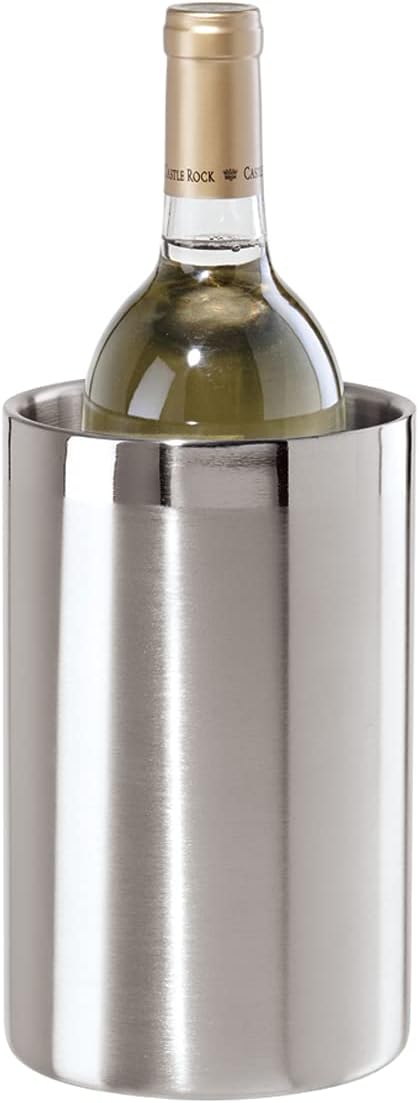
For very spicy meals, keep an ice bucket on the table — not just for keeping Champagne cold, but to keep your white wine or chilled Gamay at temperature throughout the meal. A wine that starts at 48°F and climbs to 60°F over an hour is losing its most valuable cooling property just when the accumulated heat of the meal is at its peak.