The 5 Best Wine Stoppers to Keep Your Wine Fresh
It’s one of the most familiar and frustrating sounds for any wine lover: the glug, glug, glug of a good, half-finished bottle of wine going down the kitchen sink. You had one glass. You told yourself you’d have another tomorrow. But tomorrow became three days from now, and when you poured a glass, it was sharp, vinegary, and lifeless. The original cork, which you wrestled back into the neck, did nothing. That $30 Cabernet is now drain cleaner.
This is the great battle every wine drinker faces, and your opponent is oxidation. The moment you pull the cork, you expose the wine to its mortal enemy: oxygen. A little air is good—that’s what aerating and decanting are all about. But after a few hours, oxygen begins to break down all the wonderful fruit, acid, and tannins, turning it into a dull, flat, lifeless liquid. Shoving the original cork back in is a fool’s errand. It doesn’t fit, it’s been compromised, and it creates a terrible seal.
Here at Cooking Authority, we believe that enjoying wine should be a pleasure, not a race against the clock. A high-quality wine stopper is one of the most critical wine cellar essentials, bar none. But “wine stopper” is a broad term. There are simple silicone plugs, high-tech vacuum pumps, expanding levers, and pressurized champagne corks. Which one do you actually need? We tested the most popular and highly-rated wine stoppers on Amazon to find the 5 best tools for every type of wine drinker, from the casual sipper to the serious host.
What’s In This Guide
- The Great Wine Enemy: Why You Need More Than a Cork
- The Science of Wine Oxidation Explained
- Still vs. Sparkling: A Critical Difference
- How to Choose the Right Wine Stopper for You
- How Long Does Wine Really Last With a Stopper?
- At-a-Glance: The 5 Best Wine Stoppers
- 1. The Gold Standard: Vacu Vin Wine Saver Pump
- 2. The Best Mechanical Stopper: OXO SteeL Expanding Wine Stopper
- 3. The Champagne Essential: MiTBA Champagne Stopper
- 4. The “Daily Driver”: Rabbit Bottle Stoppers (Set of 4)
- 5. The Elegant Gift: ToGoode Crystal Wine Stoppers
- How Different Wine Styles React to Stoppers
- Pro Storage Tips: Getting the Most from Your Wine Stopper
- 7 Common Wine Preservation Mistakes (And How to Fix Them)
- Wine Stopper vs. Wine Preserver vs. Coravin: Which Do You Need?
- Understanding Wine Stopper Materials: Silicone, Steel, Rubber, and Glass
- Beyond the Stopper: Your Full Wine Preservation Toolkit
- Frequently Asked Questions (FAQ)
The Great Wine Enemy: Why You Need More Than a Cork
As we said, the enemy is oxygen. But oxygen is also a friend. This is the great paradox of wine. When you first open a bottle, especially a young, “tight” red, it needs to “breathe.” This is why we use decanters and aerators. This initial burst of air softens the tannins and “opens up” the aromas, making the wine more expressive.
But this is a process that needs to be stopped. Once the wine is “open,” the clock is ticking. Oxidation is an aggressive chemical reaction that won’t stop. After about 12–24 hours, those beautiful aromas will start to fade, and the sharp, acidic “vinegar” taste (from acetic acid) will begin to take over.
Why Your Original Cork is Useless:
- It’s Now the Wrong Shape: After being pulled out, the “wet” end of the cork is expanded. Shoving it back in is a nightmare. You’re usually forced to use the “dry” end, which has been exposed to dust and everything else on your counter.
- It’s Tainted: The “wet” end is literally wet. It’s a prime breeding ground for bacteria if left on a counter. You’re just re-introducing that back into your wine.
- It’s Not a Seal: Even if you get it in, it’s not the same airtight seal it was before. It’s a “plug,” not a “stopper.” It’s doing almost nothing to stop the millions of oxygen molecules already in the bottle from doing their work.
A dedicated wine stopper is a purpose-built tool. It’s one of the first accessories every host needs because it’s designed to be clean, easy to use, and, most importantly, to create a far better seal than the original cork ever could. It’s the first step in proper wine storage after opening.
Think about the math: if you buy a $25 bottle of wine and pour one glass, you’ve consumed roughly $6 worth of wine and left $19 on the counter to spoil. Over the course of a month, for a moderate wine drinker who opens two or three bottles a week, that is an enormous amount of money—and enjoyment—being wasted because of a bad seal. A quality wine stopper that costs $15–$30 pays for itself in a matter of days.
The Science of Wine Oxidation Explained
To truly appreciate why wine stoppers matter, it helps to understand what is actually happening inside the bottle after you open it. Wine is a living, breathing liquid—a complex matrix of water, alcohol, acids, sugars, phenols, and hundreds of aromatic compounds. Each of these elements reacts with oxygen at different rates, and the cumulative effect is what we perceive as wine “going bad.”
The Three Stages of Oxidation
Stage One: The Beneficial Burst (0–30 Minutes After Opening)
When you first uncork a wine, especially a young, tannic red, the initial exposure to oxygen is transformative in the best way. Ethanol—the alcohol in wine—reacts with oxygen to form acetaldehyde, which can actually enhance certain flavor compounds. More importantly, the oxygen molecules begin physically breaking apart the long, aggressive tannin chains, making the wine feel softer and rounder on the palate. This is the “breathing” effect, and it’s why sommeliers pour a small taste before serving a whole glass from a freshly opened bottle.
Stage Two: Neutral Degradation (1–6 Hours)
After the initial beneficial burst, the oxygen has done its positive work, but it hasn’t stopped. The volatile aromatic compounds—the ones responsible for the beautiful “nose” of a wine—begin to dissipate. A fresh Sauvignon Blanc that smelled of grapefruit and cut grass when first opened will start smelling more generic and “flat” within a few hours. The fruit character in a Pinot Noir will begin to recede, and the structural elements (tannin, acid) will start to dominate in an unbalanced way.
Stage Three: Aggressive Spoilage (12+ Hours)
Now the real enemies arrive. Acetic acid bacteria, which are always present in trace amounts in wine, use oxygen as fuel to convert the ethanol in wine into acetic acid—plain old vinegar. Simultaneously, the remaining aromatic compounds break down almost entirely. This is the stage where a wine goes from “a bit flat” to actively unpleasant to drink. The sharp, sour, “vinegary” taste is unmistakable and irreversible. No amount of aerating or decanting at this point will bring the wine back.
💡 The Temperature Factor
Chemical reactions, including oxidation, slow down dramatically at lower temperatures. Storing an open bottle in the refrigerator—even a red wine—can extend its usable life by 24–48 hours beyond what you’d get at room temperature. The cold acts as a “pause button” on spoilage. Always refrigerate your open wine, regardless of the type.
What About Sulfites?
Wine producers add sulfur dioxide (SO₂) to their wines at bottling precisely because it is a powerful antioxidant. It bonds with oxygen before oxygen can damage the wine. This is why a freshly opened bottle has more “resistance” to oxidation than a bottle that’s been sitting open for a day—the sulfites have been depleted. A good wine stopper, especially a vacuum pump, works in addition to the sulfites, giving you a double layer of protection.
Light and Heat: The Other Enemies
While oxygen is the primary threat to an opened bottle, it’s worth understanding the full picture. Ultraviolet light, especially from fluorescent kitchen lights, can trigger photo-oxidation reactions that degrade delicate aromatic compounds in white and sparkling wines very quickly. Heat is equally destructive—for every 10°C rise in temperature, the rate of chemical reactions in wine approximately doubles. This is why “store in a cool, dark place” is such universal advice. A great stopper in a warm, sunny kitchen will do less than a mediocre stopper in a cold, dark fridge.
Still vs. Sparkling: A Critical Difference
This is the most important concept in this entire guide, and it’s a mistake we see all the time. You CANNOT use the same stopper for your Cabernet and your Cava. They are built for two opposite jobs.
Still Wine (Reds, Whites, Rosés):
- The Problem: Oxygen is in the bottle.
- The Goal: To create an airtight seal and, ideally, remove the oxygen already in the bottle.
- The Tools: Simple plugs, expanding stoppers, and vacuum pumps.
Sparkling Wine (Champagne, Prosecco, Cava):
- The Problem: The bubbles (dissolved CO₂) are trying to escape.
- The Goal: To preserve the pressure inside the bottle and keep the bubbles from going flat.
- The Tools: Heavy-duty, clamp-style stoppers that lock onto the bottle’s lip to fight the 70–90 PSI of pressure.
⚠️ A Critical Safety Warning
NEVER use a regular wine stopper (especially a vacuum pump stopper) on a bottle of sparkling wine. At best, it won’t work. At worst, the pressure from the bottle will build up and launch the stopper across the room like a projectile, creating a serious hazard. You must use a dedicated, locking champagne stopper.
What About Rosé Sparkling and Pét-Nat?
Sparkling rosé, whether it’s a classic-method Champagne, a Prosecco-style wine, or a trendy pét-nat (pétillant naturel), all requires the same champagne-style stopper. The pressure profile is the same regardless of the color or the method of carbonation. If it has bubbles, treat it like a pressure vessel. The amount of carbonation may vary—a lightly sparkling frizzante wine has less pressure than a fully sparkling Champagne—but in every case, a locking stopper is the safe and correct choice.
How to Choose the Right Wine Stopper for You
With so many options available—from $5 silicone plugs to $30 vacuum systems—choosing the right wine stopper comes down to honestly answering a few key questions about your drinking habits and lifestyle. There is no single “best” wine stopper for everyone; there is only the best one for you.
Question 1: How Much of the Bottle Do You Typically Drink at Once?
If you are the type who opens a bottle and finishes it in one sitting, you genuinely do not need anything more than a simple silicone stopper—or even the original cork. Your concern is purely cosmetic: keeping the bottle covered between pours at the dinner table. The Rabbit plug or the crystal stopper are your perfect, low-effort tools.
However, if you are a “one glass per night” drinker—someone who opens a bottle on Monday and hopes it will still be good on Thursday—you need a serious preservation tool. The Vacu Vin vacuum pump is the only stopper on this list that was designed specifically for you.
Question 2: What Types of Wine Do You Drink?
A fortified wine drinker (Port, Sherry, Madeira) has very different needs from a delicate white wine enthusiast. Fortified wines already contain elevated alcohol, which acts as a natural preservative, and they can last weeks after opening even with a simple stopper. A delicate Mosel Riesling, on the other hand, can deteriorate noticeably in as little as 8 hours.
If you drink both still and sparkling wines, you need at least two different stoppers—one from each category. There is no single tool that works for both, and as we have already covered, using the wrong tool can be genuinely dangerous.
Question 3: How Important is Aesthetics to You?
Are you entertaining frequently? Do you care about what the stopper looks like on your dinner table? If so, a functional but handsome tool like the OXO Steel stopper, or a decorative crystal stopper, is the right choice. If you are purely results-oriented and care only about keeping the wine fresh, aesthetics are irrelevant and the humble Vacu Vin pump is your champion.
Question 4: How Much Are You Willing to Spend?
Wine stoppers range from under $5 for a basic silicone set to around $30 for a quality vacuum pump system. At the budget end, you get coverage—literally just something to put over the hole. At the premium end, you get genuine preservation. The sweet spot for most drinkers is the $12–$20 range, where tools like the OXO Expanding Stopper or the Vacu Vin live. These deliver meaningful preservation at a price that pays for itself almost immediately in wine saved.
Our Recommendation by Drinker Type
- The Casual Host / Party Drinker: Crystal or decorative stopper for the table, Rabbit plugs for bottles going in the fridge.
- The Weeknight “One Glass” Drinker: Vacu Vin pump, full stop. It’s the only tool that genuinely protects wine across multiple days.
- The Sparkling Wine Lover: MiTBA Champagne stopper—non-negotiable.
- The “I Just Want It Covered” Minimalist: Rabbit silicone plug 4-pack. Cheap, effective enough, and you’ll never be without one.
- The Gift-Giver: Crystal stoppers, gifted alongside a Vacu Vin for the serious wine lover, or alone as a beautiful hostess gift.
How Long Does Wine Really Last With a Stopper?
Let’s manage expectations. No stopper on this list, not even the best one, will make your wine last for weeks. This is a crucial Coravin vs. Vacu Vin distinction: a “stopper” is for days, while a “preservation system” (like a Coravin that uses argon gas) is for weeks or months.
Here’s a realistic timeline for a half-full bottle in a typical household, assuming you also put it in the fridge (yes, even reds!):
- No Stopper (Original Cork): 12–24 hours, tops.
- Simple Stopper (Rabbit Plug, Crystal Stopper): 1–2 days. It’s a “cap,” not a preserver.
- Mechanical Stopper (OXO Expanding): 2–3 days. The airtight seal is a big step up.
- Vacuum Pump (Vacu Vin): 3–5 days for most reds, 5–7 days for acidic whites. Clear winner for preservation.
- Champagne Stopper (MiTBA): 1–3 days. Bubbles will be less aggressive on day 3, but still a pleasant sparkling experience.
These numbers assume a half-full bottle (the remaining wine is only exposed to a full headspace of air). A bottle that is three-quarters full will last significantly longer because there is proportionally less oxygen in contact with the wine. A bottle that is only one-quarter full has a huge air-to-wine ratio and will deteriorate faster, even with a vacuum pump. The more wine that remains, the more effectively any stopper can do its job.
Wine Type Matters Too
Not all wines degrade at the same rate, even with identical stoppers and storage conditions. Tannic red wines with high levels of phenolic compounds (Cabernet Sauvignon, Syrah, Malbec) have a natural resistance to oxidation and tend to hold up longest—often 4–5 days with a vacuum pump. Delicate, low-tannin reds (Pinot Noir, Gamay) are far more fragile and may show noticeable degradation after just 2–3 days. High-acid white wines like Riesling and Sauvignon Blanc can hold up surprisingly well (5–7 days) because acidity provides some preservation. Low-acid, oaked whites like Chardonnay tend to fade faster (2–4 days).
At-a-Glance: The 5 Best Wine Stoppers
| Product | Type | Preservation | Best For | Works for Sparkling? |
|---|---|---|---|---|
| Vacu Vin Wine Saver | Vacuum Pump | Excellent (3–5 Days) | True Preservation | No — Still Wine Only |
| OXO SteeL Expanding | Mechanical (Expanding) | Good (2–3 Days) | Set-it-and-Forget-it | No — Still Wine Only |
| MiTBA Champagne Stopper | Sparkling (Pressure Lock) | Excellent (1–3 Days) | Sparkling Wine / Safety | Yes — Sparkling Only |
| Rabbit Bottle Stoppers | Silicone Plug | Fair (1–2 Days) | Casual / Daily Use | No — Still Wine Only |
| ToGoode Crystal Stopper | Decorative (Gravity) | Minimal (Up to 1 Day) | Dinner Parties / Gifting | No — Still Wine Only |
1. The Gold Standard (Preservation): Vacu Vin Wine Saver Pump
The Original Vacu Vin Wine Saver Pump with 2 Stoppers

This is it. The icon. If you’ve ever worked in a restaurant or bar, you know this tool. The Vacu Vin is not just a stopper; it’s a “wine saver.” It’s the only one on this list that actively removes the enemy. The concept is simple: you insert the proprietary rubber stopper, place the pump on top, and pump. You are physically sucking the air out of the bottle, creating a near-vacuum that slows oxidation to a crawl. You’re rewarded with a “click” sound when you’ve reached the optimal vacuum.
This is the clear choice for the person who is serious about preservation. It’s for the person who buys a nice bottle from a wine subscription box and wants to enjoy it over 3 or 4 nights. It’s not a gimmick; it genuinely works and will extend the life of your still wines by 3–5 days. It is the absolute, hands-down winner for pure function, and it’s the most-referenced tool in any Coravin vs. Vacu Vin debate for its unbeatable value.
How the Vacu Vin Actually Works
The science behind the Vacu Vin is elegant in its simplicity. The rubber stoppers are molded with a one-way valve built into their center. When you press the pump onto the stopper and push down repeatedly, each pump stroke forces the valve open in the “exhaust” direction, pulling air up from the bottle and releasing it into the room. Between pump strokes, the valve snaps shut, preventing air from re-entering the bottle. The “click” mechanism is a spring-loaded indicator built into the pump: when the vacuum reaches an optimal level (approximately 0.8 atmospheres, or roughly 80% of a full vacuum), the mechanism triggers and the pump clicks, signaling you to stop. This prevents over-vacuuming, which can theoretically cause the stopper to collapse into the bottle or damage the wine’s dissolved gas structure.
The result is a bottle with significantly less free oxygen—perhaps 60–80% less than an unsealed bottle—and because oxygen is depleted, the rate of oxidation slows dramatically. The aromatic compounds that give wine its character are protected, and the acetic acid bacteria have far less fuel to work with.
Vacu Vin vs. Cheaper Vacuum Pump Knockoffs
The market is flooded with inexpensive “vacuum pump” wine stoppers that look similar to the Vacu Vin. Before you grab the cheapest one you can find, it’s worth understanding why the original Vacu Vin has remained the industry standard for decades. The key differences are in the stopper valve quality and the pump mechanism. Cheap knockoffs often use thin, low-grade rubber for their stoppers that loses its elasticity within weeks, resulting in a seal that leaks slowly. The valve in the stopper, which must maintain a one-way seal against 0.2 atmospheres of negative pressure indefinitely, is where quality materials make or break the product. The Vacu Vin stoppers are made from a proprietary, high-grade rubber compound that maintains its sealing properties through hundreds of uses. The “click” mechanism in the pump is also a quality indicator: cheap pumps often omit it entirely, leaving you guessing whether you’ve pumped enough. The Vacu Vin’s click is a real, functional indicator, not just a marketing feature.
(+) Pros
- Actively removes oxygen, dramatically slowing oxidation
- Extends wine life for 3–5+ days
- Patented “click” sound provides feedback when optimal vacuum is reached
- Excellent value for the preservation it offers
- Stoppers are reusable and washable
- Works on nearly all standard wine bottle necks
- Trusted by restaurants and sommeliers worldwide
(−) Cons
- Requires manual pumping (a minor effort)
- Stoppers are proprietary and easily lost
- Cannot be used for sparkling wine
- Pump mechanism may eventually wear out with very heavy use
Our Verdict
The undisputed champion of wine preservation at this price point. If you only buy one wine stopper in your life, make it this one.
2. The Best Mechanical Stopper: OXO SteeL Expanding Wine Stopper
OXO SteeL Expanding Wine Stopper

This is the “set-it-and-forget-it” champion. From the beloved brand OXO, this stopper is a marvel of simple engineering. You insert the stopper into the bottle and flip the lever down. This action causes the internal silicone stopper to expand outward, creating a completely airtight seal that is so effective, you can often store the bottle on its side in the fridge (though we always recommend upright storage just in case).
This stopper does not remove air, so its preservation time is less than the Vacu Vin. However, it’s 100 times easier to use. It’s a one-second, “set it and forget it” motion. The stainless-steel construction looks professional and is incredibly durable. Its best feature is its low-profile design: once the lever is down, it’s nearly flat, allowing the bottle to easily fit on a refrigerator shelf—a common problem with tall, bulky stoppers.
How the OXO Expanding Mechanism Works
The OXO’s expanding mechanism is based on a simple but brilliant cam principle. The silicone insert that sits inside the bottle neck is shaped like a truncated cone with flexible ridges around its circumference. When the stainless-steel lever is in the “up” (open) position, the silicone is in its natural, relaxed state, slightly smaller than the inside diameter of a standard wine bottle neck. When you flip the lever to the “down” (closed) position, the lever mechanism drives a small pin downward into the center of the silicone cone. This compression causes the cone to deform radially—it squashes inward at the top and bulges outward at the sides—pressing the flexible ridges firmly against the glass walls of the bottle neck. The seal it creates is genuinely airtight. There is no pumping, no twisting, and no guessing. Flip the lever, and you have a seal that would require significant force to pull out by hand.
The stainless-steel construction of the body is not merely cosmetic. It provides the structural rigidity needed to translate the lever’s force effectively into the expanding mechanism. Plastic-bodied imitations of this design often flex and fail to generate enough force to fully expand the silicone, resulting in an imperfect seal. The OXO’s steel construction is a key part of why it works so well.
Perfect for Refrigerator Storage
One of the most underrated features of the OXO stopper is its compatibility with standard refrigerator door shelves. Most wine stoppers, especially vacuum pump systems, add 3–5 inches of height to a bottle. A standard 750ml wine bottle is already 12 inches tall, and a fridge door shelf with a divider rail may only have 14–15 inches of clearance. The OXO’s lever, when folded flat, adds less than half an inch to the bottle’s profile. This is a genuinely practical feature that many other stoppers completely ignore, and it makes the OXO the default choice for anyone who keeps their wine in the refrigerator.
(+) Pros
- Incredibly easy one-flip lever—no pumping required
- Creates a genuinely airtight mechanical seal
- Durable and beautiful stainless-steel construction
- Low profile fits easily on refrigerator door shelves
- Dishwasher-safe body (hand-wash the silicone)
- Works on nearly all standard 750ml wine bottles
(−) Cons
- Does not remove air; preservation is good, not excellent (2–3 days)
- More expensive than a simple plug
- Silicone insert can wear with very heavy, prolonged use
Our Verdict
The best wine stopper for people who want excellent results with zero effort. Buy one and forget about wine storage anxiety.
3. The Champagne Essential: MiTBA Champagne Stopper
MiTBA Champagne Stopper

As we’ve established, you need a dedicated tool for your bubbly. This is the one. The MiTBA is a classic, bombproof design built to handle serious pressure. You place it on top of the sparkling wine bottle, and two hinged steel “wings” fold down and lock onto the thick lip of the bottle. This design, combined with a spring-loaded silicone seal, creates a seal so tight it actually fights the pressure, keeping the CO₂ dissolved in the wine.
It’s the only way to keep a half-finished bottle of sparkling wine from becoming sad, flat, and useless 12 hours later. A good champagne stopper can preserve a bottle’s bubbles for 1–3 days, allowing you to have a single glass of Prosecco one evening and a second the next day. It’s the perfect gift for any sparkling wine lover in your life.
Understanding Sparkling Wine Pressure
To appreciate why the MiTBA’s locking clip design is not optional, you need to understand the physics at play in a sparkling wine bottle. A standard bottle of Champagne or traditional-method sparkling wine contains CO₂ dissolved under roughly 5–6 atmospheres of pressure—that’s equivalent to 73–87 PSI, or more than double the pressure in a standard car tire. Even a Prosecco or Cava, made using the Charmat method, holds 3–4 atmospheres. This internal pressure is constantly working to push anything blocking the bottle’s neck out of the way. A simple silicone plug has no mechanism to resist this force. The MiTBA’s steel clips grip the molded ring at the bottle’s neck—the same ring that the wire cage (muselet) of the original cork was attached to—and physically prevent the stopper from being ejected. Without this gripping mechanism, no amount of friction or seal quality would keep the stopper in place against that level of pressure.
Does Putting a Spoon in the Bottle Actually Work?
This is one of the most persistent wine myths in existence, and we feel obligated to address it directly: No, placing a metal spoon in the neck of a champagne bottle does not preserve the bubbles. It is folklore, not science. The theory is that the metal conducts cold from the fridge and somehow “holds” the carbonation in, but this has been tested multiple times by food scientists and the results are clear. The only way to preserve carbonation in an open sparkling wine bottle is to create a physical seal that prevents the CO₂ from escaping. A spoon does not create a seal. A dedicated champagne stopper does. Buy the stopper.
(+) Pros
- Specifically engineered to hold sparkling wine pressure
- Durable, all-metal construction with no plastic parts
- Easy to lock and unlock once you learn the motion
- Essential safety tool—prevents stopper ejection
- Fits standard Champagne, Prosecco, and Cava bottles
(−) Cons
- Can only be used for sparkling wine
- Can be slightly stiff to lock the first few uses (loosens with use)
- Does not work on non-standard bottle neck sizes
Our Verdict
If you drink any sparkling wine at all, this is not optional. It’s the safest and most effective tool for the job, period.
4. The “Daily Driver” (Set of 4): Rabbit Bottle Stoppers
Rabbit Bottle Stoppers (Set of 4)

Sometimes, you don’t need a high-tech solution. You just need a “cap.” This is for the affordable wine you opened to pair with your pizza and you know you’re going to finish tomorrow. You just want to keep dust, fruit flies, and the smell of your fridge’s leftovers out of it. For this job, the Rabbit silicone stoppers are perfect.
These are simple, flexible, and effective “plugs.” The graduated-rib design allows them to fit in almost any bottle neck—wine, olive oil, sparkling water—and create a decent seal. Their real advantage is sheer convenience and value. Four stoppers at a very low price point means you will never be without one.
The Graduated Rib Design: More Clever Than It Looks
At first glance, a silicone wine stopper looks like the simplest tool imaginable—just a plug. But the Rabbit’s graduated rib design is actually a thoughtful solution to a real-world problem: wine bottles are not all the same. A standard 750ml wine bottle has a neck with an inner diameter of approximately 18mm, but this can vary by 1–2mm depending on the manufacturer, the region of origin, and even the individual bottle. A stopper molded to fit one exact diameter will be either too tight (impossible to insert) or too loose (falls out or leaks) in others. The graduated ribs on the Rabbit stopper—each successive rib slightly larger in diameter than the one above it—ensure that at least one rib will create friction against the inside of virtually any standard bottle neck, regardless of its exact measurement. It’s a simple but genuinely effective design choice that makes the Rabbit stoppers versatile across your entire wine collection.
Beyond Wine: Versatility in the Kitchen
A set of Rabbit silicone stoppers earns its counter space by being useful far beyond the wine bottle. The same tapered design that works on a wine bottle works equally well on a bottle of olive oil (keeping it from dripping when laid on its side), a bottle of balsamic vinegar, a bottle of cocktail bitters, or even a reusable water bottle. Having four of them means you can dedicate some to wine and others to pantry staples without any cross-contamination concerns, since they are easy to distinguish and clean. For the money, it’s one of the most versatile tools in your kitchen toolkit.
(+) Pros
- Inexpensive and comes in a convenient multi-pack
- Very easy to insert and remove
- Flexible silicone graduated ribs fit many bottle types
- Bright colors are easy to find in a drawer
- Dishwasher safe
- Works on non-wine bottles too (oils, vinegars, etc.)
(−) Cons
- Offers minimal preservation (1 day, maybe 2)
- Will leak if the bottle is laid on its side
- Just a “plug,” not a genuine preserver
- Silicone can absorb odors over time with very heavy use
Our Verdict
The essential “everyday” stopper. Buy a set and keep them everywhere—in the kitchen, in a wine bag, at the office. They won’t save your wine, but they’ll cover it.
5. The Elegant Gift: ToGoode Crystal Wine Stoppers
Yougoals Crystal Wine Stoppers (Set of 2)

This is the “dinner party” stopper. The other four stoppers are tools of function; this one is a tool of form. When you’re hosting a party and you’ve just opened several bottles of organic wine for your guests, you don’t want a clunky plastic pump on the table. You want something elegant. This crystal stopper is just that. It’s heavy, it looks beautiful, and it makes a fantastic gift for a wine lover.
Let’s be very clear: this offers almost zero preservation. It’s a gravity stopper. Its job is to sit in the bottle, look stunning, and keep dust out for the 2–3 hours the bottle is on your dinner table. That’s it. But for that specific job, it’s a perfect 10 out of 10.
The Art of the Wine Table: Why Presentation Matters
Wine is, at its heart, a social experience. The ritual of opening a bottle, pouring it into beautiful glasses, watching the color, swirling and smelling, all of this is part of what makes wine special. When you are hosting a dinner and you have spent money on beautiful glassware and the right bottles, a plastic pump sitting on the table is a visual disruption. It pulls attention away from the care you’ve put into the presentation. A handsome crystal stopper is the opposite—it’s an accessory that adds to the visual experience of the table.
In this way, decorative wine stoppers serve a purpose that no functional stopper can: they signal to your guests that you care about the details. They are conversation starters—guests will often pick them up and admire them. They are part of the tablescape. And as gifts, they are universally appreciated by wine lovers because they combine beauty with a functional-enough purpose (keeping dust out of the bottle between pours) that they never feel purely frivolous.
Crystal vs. Glass vs. Metal: What to Look For in a Decorative Stopper
Not all decorative stoppers are created equal. The best ones, like these crystal stoppers, feel substantial and weighty in the hand—the weight is part of what communicates quality and luxury. Lighter, cheaper decorative stoppers made from thin glass or hollow metal feel cheap because they are. When buying or gifting a decorative stopper, look for one with genuine heft. The stopper portion (the silicone or rubber piece that goes inside the bottle) should be made from food-grade silicone, not cheap PVC, which can impart unpleasant flavors to the wine. And the decorative element—crystal, glass, polished metal, or porcelain—should be securely bonded to the stopper body, not just glued on with a weak adhesive that will come apart in the dishwasher.
(+) Pros
- Absolutely beautiful and elegant on the dinner table
- Heavy, high-quality crystal construction
- Makes a perfect host, hostess, or housewarming gift
- Comes as a set of 2—one for you, one to gift
- Suitable for any home decor style
(−) Cons
- Zero preservation value—purely decorative
- Gravity seal will leak instantly if tipped
- Can be fragile if dropped on a hard floor
- Do not put in dishwasher—hand-wash only
Our Verdict
Don’t buy this to save your wine. Buy it to elevate your table and delight the wine lover on your gift list. For its intended purpose, it’s flawless.
How Different Wine Styles React to Stoppers
Understanding how your specific wine type will respond to a stopper helps you set the right expectations and choose the right tool. Wine is not monolithic—a bold, tannic Napa Cabernet Sauvignon and a delicate German Riesling are as different chemically as they are in the glass, and they respond to storage very differently.
Bold Red Wines
Cabernet Sauvignon, Malbec, Syrah/Shiraz, Bordeaux blends, and other high-tannin reds are naturally the most resilient wine styles after opening. The high concentration of phenolic compounds (tannins and anthocyanins) act as antioxidants themselves, giving these wines built-in protection against oxidation. With a Vacu Vin, a robust red can remain excellent for 4–5 days. Even with just an OXO stopper, you’ll likely have a very enjoyable wine on day 3. These wines also tend to benefit from continued “micro-oxygenation” over those extra days—the tannins continue to soften, and the wine can actually improve slightly on day 2 compared to day 1.
Light Red Wines
Pinot Noir, Gamay (Beaujolais), Grenache, and other light-bodied, low-tannin reds are far more delicate. Their beautiful, subtle aromatics—red cherry, raspberry, dried rose—are extremely volatile and will begin fading within hours of opening. With a Vacu Vin, you can expect 2–3 days of very good quality and perhaps a day or two more of “still drinkable.” Without a vacuum pump, these wines are best consumed the same day they’re opened. The investment in a Vacu Vin is especially worthwhile if Pinot Noir is your go-to wine.
White & Rosé Wines
Crisp, high-acid whites like Sauvignon Blanc, Pinot Grigio, and Albariño hold up reasonably well for 3–5 days with a vacuum pump, as the acidity provides some natural preservation. Oaked, low-acid Chardonnay is more fragile—the aromatic profile can shift noticeably by day 3. Dry rosé falls between these two extremes. The most critical rule for all whites and rosés: always refrigerate immediately after opening, regardless of what stopper you use. Even a simple Rabbit plug will give you an acceptable wine the next day if the bottle spent the night in the fridge.
Fortified & Dessert Wines
Port, Sherry, Madeira, and other fortified wines are a special case. Their elevated alcohol content (17–22% ABV vs 12–14% for table wine) makes them inherently resistant to bacterial spoilage. A simple silicone stopper will keep an open bottle of Port drinkable for 2–3 weeks. Tawny Port and Madeira are even more robust, as they have already been deliberately oxidized during production—further oxygen exposure has less impact. The crystal or Rabbit stopper is perfectly adequate for fortified wines; the Vacu Vin, while it won’t hurt, is genuine overkill.
Pro Storage Tips: Getting the Most from Your Wine Stopper
A great stopper is only half the equation. How you store the bottle after sealing it is equally important. Here are the practices that the most experienced wine drinkers and sommeliers use to maximize the life of every opened bottle:
Always Refrigerate—Even Reds
This is the single most impactful habit you can adopt for wine preservation. Cold temperatures dramatically slow all chemical reactions, including oxidation. A bottle of Cabernet Sauvignon sealed with a Vacu Vin and left at room temperature (72°F/22°C) may last 2–3 days. The same bottle stored at refrigerator temperature (38°F/3°C) can last 4–5 days or more. Yes, red wine served straight from the fridge will be too cold to enjoy—simply remove it 20–30 minutes before pouring and let it come up to a proper serving temperature (60–65°F for most reds). The minor inconvenience is well worth the extended preservation.
Store Upright, Not on Its Side
While conventional wisdom about wine storage (particularly for long-term aging) suggests laying bottles on their side to keep the cork moist, this advice is specifically for unopened bottles stored for months or years. For an opened bottle with a stopper, always store it upright. The reasons are practical: virtually every stopper except the OXO expanding model can potentially leak when inverted or laid sideways. An upright bottle also minimizes the contact surface area between the wine and the air in the headspace.
Minimize the Headspace
The more wine that’s left in the bottle, the less air there is in the headspace, and the less oxidation can occur. If you have significantly less than half a bottle remaining—say, just a glass or two left—consider transferring the wine to a smaller container (a half-bottle, a mason jar, or even a plastic food container) before sealing it. Filling a smaller vessel to the very top leaves almost no headspace at all, eliminating the oxygen problem almost entirely for a day or two. This is a technique used in professional restaurant kitchens to extend the life of by-the-glass pours.
Don’t Pour Back Into the Bottle
If you’ve poured wine into a glass and decided not to drink it, don’t pour it back into the bottle. This seems counterintuitive, but the wine in the glass has been aerated extensively—it has had maximum oxygen exposure and also may have picked up aromas from the air or your hands. Adding this highly oxidized wine back to the relatively protected wine in the bottle will actually accelerate the degradation of the whole bottle.
💡 The Half-Bottle Trick
Keep a collection of clean 375ml (half-bottle) wine bottles with appropriate stoppers. When you have only a small amount of wine left in a 750ml bottle, transfer it to a half-bottle, fill it as close to the top as possible, seal it tightly, and refrigerate. This method, combined with a good stopper, can extend even delicate white wines by several additional days because there is almost no headspace left for oxygen to occupy.
7 Common Wine Preservation Mistakes (And How to Fix Them)
Even with the right stopper, it’s easy to undermine your preservation efforts with a few common habits. Here are the mistakes we see most often—and the simple fixes:
-
Leaving the Bottle on the Counter
The Fix: Refrigerate immediately after pouring. Every hour at room temperature costs you shelf life. -
Using the Original Cork
The Fix: Switch to any dedicated wine stopper. Even the cheapest silicone plug beats a used cork. -
Using a Vacuum Pump on Sparkling Wine
The Fix: Get a dedicated champagne stopper. This mistake can also be a safety hazard. -
Not Pumping the Vacu Vin Enough
The Fix: Pump until you hear the click. If you’re not hearing the click, the stopper may be old or the seal is not tight—check the rubber stopper for cracks or warping. -
Storing the Bottle on Its Side With a Stopper
The Fix: Always store open bottles upright. The only exception is the OXO expanding stopper in a lateral position, and even then, upright is safer. -
Not Cleaning Stoppers Between Uses
The Fix: Rinse stoppers with warm water after every use. Wine residue left on a stopper can harbor bacteria and introduce off-flavors to the next bottle. -
Waiting Too Long to Stopper the Bottle
The Fix: Stopper the bottle immediately after pouring your last glass for the evening. Don’t leave it open on the table for the rest of the dinner party if you’re not planning to continue drinking from it.
Wine Stopper vs. Wine Preserver vs. Coravin: Which Do You Need?
One of the most common points of confusion for wine buyers is the difference between three related but distinct product categories: wine stoppers, wine preservers, and preservation systems like the Coravin. Understanding the difference helps you match the right tool to your actual needs and budget.
Wine Stoppers: The First Line of Defense (Days)
A wine stopper is any device that physically seals a bottle after opening. This category includes everything on this list, from the simplest silicone plug to the Vacu Vin vacuum system. The key characteristic of all wine stoppers is that they require the bottle to be fully opened first. Once you open a bottle and use a stopper, you are in a race against oxidation—a race you can slow considerably, but not stop entirely. The practical window for a stopper is 1–7 days, depending on the stopper type and wine style.
Wine Preservers: Inert Gas Systems (Days to Weeks)
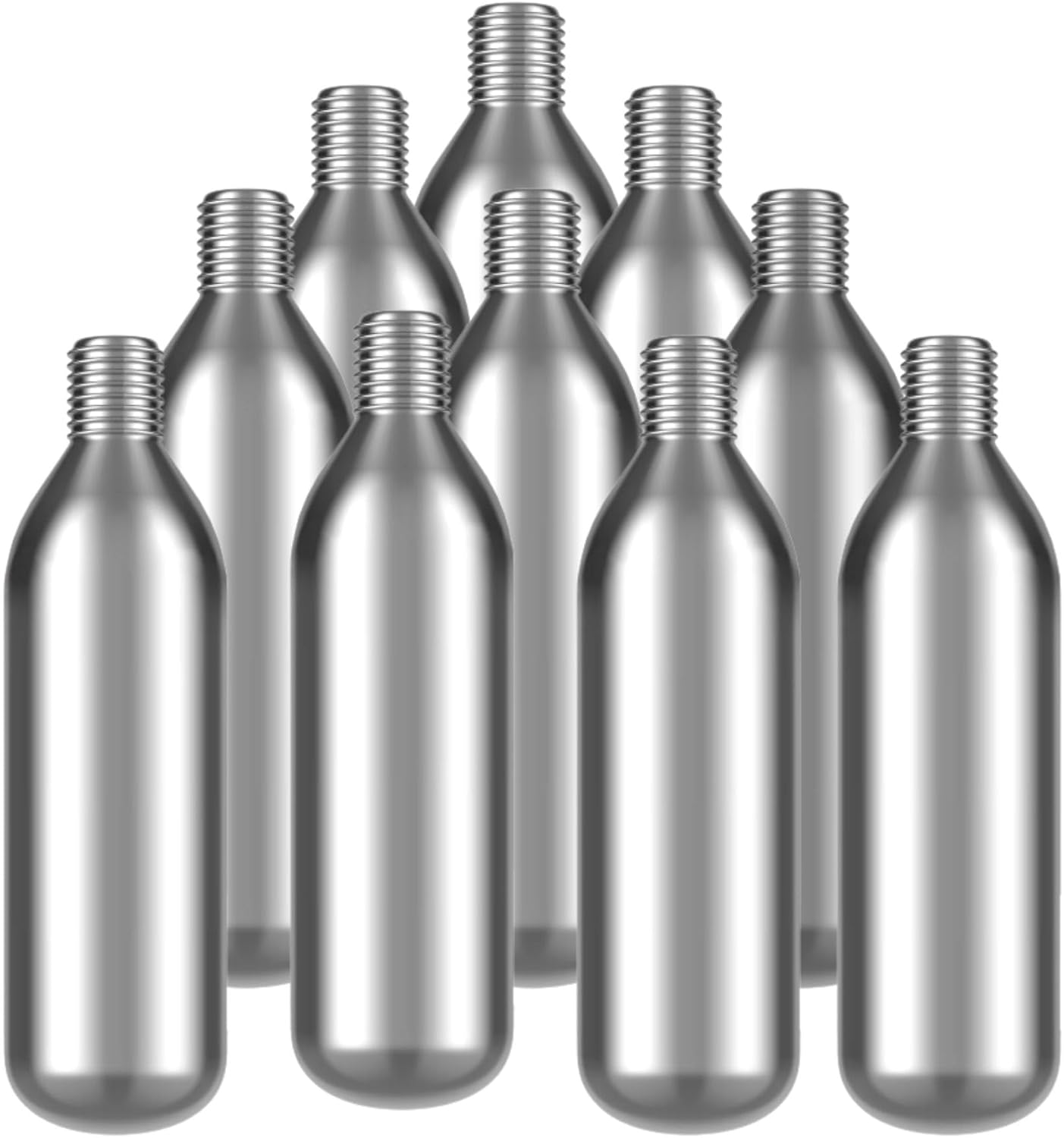
Wine preservers are a step above stoppers. Products like Private Preserve and similar “wine shield” sprays work by dispensing a blend of inert gases (typically a mix of argon, CO₂, and nitrogen) into the headspace of an opened bottle before resealing it with a standard stopper. These gases are denser than air and form a protective “blanket” over the surface of the wine, physically displacing the oxygen. The result is significantly better preservation than a stopper alone—often 7–14 days for most wines. Private Preserve canisters are inexpensive and widely available, and pairing one with a quality stopper represents a significant upgrade from a stopper alone for the serious “one glass per night” drinker.
Preservation Systems: Argon and Needle Technology (Weeks to Months)
At the premium end of the market is the Coravin system and its competitors. These devices work on a fundamentally different principle from stoppers: rather than requiring you to open the bottle, they use a thin hollow needle to pierce through the cork (or foil capsule on a Coravin-compatible screw cap) without removing it. You pour wine through the needle, and as you do, argon gas (completely inert and tasteless) is injected through a separate channel to replace the wine that’s been poured. When you remove the needle, the cork’s natural elasticity seals the puncture hole, and the wine remaining in the bottle is protected by a blanket of argon with no oxygen exposure whatsoever. Under these conditions, a bottle can remain in pristine condition for weeks or even months.
The Coravin is the gold standard for serious collectors who want to access a bottle without committing to finishing it. But it costs significantly more than any stopper and requires proprietary argon capsules that add ongoing expense. For most everyday wine drinkers, the Vacu Vin at a fraction of the cost delivers 80% of the practical benefit for 10% of the price.
Understanding Wine Stopper Materials: Silicone, Steel, Rubber, and Glass
The material a wine stopper is made from affects its function, its durability, its ease of cleaning, and its safety. Not all materials are created equal, and understanding the differences helps you make a better purchasing decision—and avoid stoppers that could actually harm your wine.
Food-Grade Silicone
Food-grade silicone is the material of choice for the “business end” of any wine stopper—the part that actually contacts the wine or goes inside the bottle neck. High-quality silicone is chemically inert, meaning it will not react with the wine or leach any compounds into it. It is non-porous, so it doesn’t absorb flavors or odors. It is highly flexible, allowing it to conform to the exact shape of a bottle neck and create an excellent seal. It is also extremely durable and easy to clean. All five stoppers on this list use food-grade silicone where it matters, and you should reject any stopper that uses cheaper PVC or rubber that has a noticeable chemical smell.
Stainless Steel
Stainless steel (specifically 18/8 or 304 grade food-safe stainless) is the ideal material for the body and structural components of a wine stopper. It is rust-proof, dishwasher-safe, non-reactive, and extremely durable. It also looks significantly more professional and attractive than plastic. The OXO and MiTBA stoppers both use high-quality stainless steel to great effect. When you see “stainless steel” on a wine stopper’s product description, verify that it specifies food-safe or 18/8 grade; some cheap products use lower-grade steel that will eventually rust when repeatedly exposed to moisture.
Natural Rubber
Natural rubber is what the Vacu Vin stoppers are made from, and it’s the material of choice for vacuum pump applications specifically because of its elastic memory—its ability to return to its original shape after compression, maintaining a consistent seal. The challenge with rubber is longevity and odor absorption. Over time and with repeated use, even high-quality rubber stoppers can begin to develop a faint “rubbery” smell that can transfer to wine. The Vacu Vin stoppers should be replaced periodically, and the replacement stoppers are inexpensive and widely available.
Glass and Crystal
Used only in decorative stoppers, glass and crystal are completely inert and will never taint your wine. Their limitation is structural: glass and crystal are brittle and will shatter if dropped on a hard floor. They also must be hand-washed, as dishwasher heat can cause thermal stress fractures over time. When choosing a crystal decorative stopper, look for full lead-free crystal (not just “crystal glass” which may just be standard glass with a fancy name) for the best visual clarity and the most impressive heft in the hand.
Beyond the Stopper: Your Full Wine Preservation Toolkit
A wine stopper is just one piece of the puzzle. To truly get the most out of every bottle, you need to see your accessories as a “system” that works together. This is the difference between a casual drinker and a true enthusiast. The full wine journey has a tool for every step.
A Complete Wine Accessory Ecosystem
- The Open: It starts here. A clean opening is essential. A good foil cutter creates a clean line, and a quality electric wine opener or waiter’s key pulls the cork without shredding it.
- The Chill: Temperature is everything. A bottle of white wine is useless without a wine chiller sleeve to bring it to temp quickly, or an electric wine chiller to hold it there.
- The Prep: A young red needs air. A decanter is the classic tool, while an electric aerator is the modern, high-speed solution.
- The Serve: The right glass makes the wine. Pouring a bold Cabernet into glasses with a large bowl allows the aroma to collect, transforming the experience.
- The Pause (This is Us!): You’re halfway through the bottle. You insert your wine stopper of choice to protect it for the night.
- The Save: You’re done for the week. This is where your vacuum stopper (like a Vacu Vin) comes in. You pump the air out and place the bottle in the fridge.
- The Long-Term: For that really special bottle you just want one glass of, you graduate to a preservation system. This is the whole Coravin vs. Vacu Vin debate.
All of these tools, from a simple stopper to a modular wine rack, are part of the joy of the hobby. They are eco-friendly solutions because they prevent waste and help you get the full value out of every single bottle you purchase.
Frequently Asked Questions (FAQ)
Q: What is the absolute best way to keep wine fresh?
A: The “best” way is to prevent oxygen from ever touching it, which is the Coravin system. The best practical way—and our top pick—is the Vacu Vin Wine Saver. By removing the air, you are actively stopping the oxidation that ruins wine. It’s the most effective tool for its price on the market, bar none.
Q: Can I lay a bottle on its side with a stopper in it?
A: We strongly recommend against it. Most stoppers (especially simple plugs and decorative ones) will leak instantly. The only one on this list that claims to be leak-proof is the OXO Expanding Stopper, and in our tests, it holds up. However, the safest place for an open bottle is always upright in your refrigerator.
Q: I put a stopper on, but my wine still tasted bad the next day. Why?
A: You probably used a simple “plug” (like the Rabbit or a decorative one). These don’t preserve anything; they just cover the hole. You must use a tool that either removes the air (Vacu Vin) or creates a truly airtight mechanical seal (OXO) to get preservation into “day two” and beyond. Also, always put the open bottle in the fridge—even reds. Cold temperatures slow chemical reactions, including oxidation.
Q: How do I clean my wine stoppers?
A: Never put silicone or rubber stoppers in the dishwasher. The heat can ruin the seals. All of these should be hand-washed with a little dish soap and warm water, then rinsed very thoroughly—you don’t want soap-flavored wine. Let them air dry completely before the next use. The stainless-steel body of the OXO can go in the dishwasher; just hand-wash the silicone insert separately.
Q: Why is a Champagne stopper so different? It looks complex.
A: It’s different because it’s a tool of safety as much as preservation. A Champagne bottle is a genuine pressure vessel with 2–3 times the pressure of a car tire. The stopper needs those big metal clips to grip the bottle’s lip and hold on against that force. A simple plug would be ejected with incredible force. It’s not complicated—once you use it twice, it becomes second nature. And it’s the only safe, effective way to save your bubbles.
Q: Does a wine stopper work for screw-cap wines?
A: Yes, with the right stopper. Silicone plug-style stoppers (like the Rabbit) work perfectly on screw-cap bottles—simply insert the stopper in place of the screw cap. The Vacu Vin also works on screw-cap bottles as long as the neck diameter is standard (the stopper fits inside the neck, not over the top). The OXO expanding stopper also works on most screw-cap bottles. What won’t work is the original screw cap itself, ironically—once removed, a screw cap rarely creates a truly airtight re-seal.
Q: Can I use a wine stopper on opened olive oil or other bottles?
A: The silicone plug-style stoppers (Rabbit, crystal) work well on olive oil, balsamic vinegar, soy sauce, cocktail bitters, and many other kitchen bottles with standard neck diameters. The Vacu Vin is specifically designed for wine and is not recommended for other liquids. It’s a good idea to designate separate stoppers for non-wine bottles to avoid flavor transfer, especially if you are storing strongly flavored items like fish sauce or truffle oil.
Q: How often should I replace the Vacu Vin rubber stoppers?
A: With regular use (a few times per week), the Vacu Vin stoppers should be replaced roughly once per year. Signs that it’s time to replace them include: the stopper no longer clicks or requires many more pumps than usual to click, you can visually see cracks or surface degradation in the rubber, or you notice a “rubbery” smell in the wine after storage. Replacement stoppers are inexpensive and widely available on Amazon and at kitchen stores.
Q: Is there such a thing as “over-vacuuming” with a Vacu Vin?
A: In theory, yes—removing too much air can cause dissolved gases in the wine to come out of solution, potentially affecting the wine’s flavor or causing the stopper to collapse inward. In practice, the Vacu Vin’s “click” mechanism is specifically designed to prevent this. It clicks at an optimal vacuum level that maximizes oxygen removal without causing these issues. Simply pump until you hear the click and stop—the mechanism does the work of keeping the vacuum at the right level.
Q: What’s the best wine stopper for a wine fridge or wine cooler?
A: The best stopper for a wine fridge depends on how the bottle is stored. If the bottles are stored upright (as they should be after opening), any stopper works well. If your wine fridge stores bottles horizontally and you want to put an opened bottle back in, only the OXO Expanding Stopper is appropriate. Keep in mind that an opened bottle in a wine fridge still benefits from a vacuum pump: the cold slows oxidation, but the vacuum pump eliminates the oxygen—both together give you the longest possible preservation window.
The Final Word: Stop Wasting Your Wine
There is no longer any excuse for pouring your hard-earned money down the drain. For less than the price of one good bottle of wine, you can buy a tool that will save hundreds of future bottles from a vinegary fate.
Your choice comes down to your needs:
- For True Preservation: Get the Vacu Vin Wine Saver. It’s the undisputed champion of function at this price point.
- For Effortless Convenience: Get the OXO Expanding Stopper. It’s the best “one-and-done” tool in the category.
- For Bubbles: Get the MiTBA Champagne Stopper. It’s not optional; it’s essential for any sparkling wine drinker.
- For Everyday Coverage: Get the Rabbit Silicone Plug 4-Pack. Cheap, versatile, and genuinely useful.
- For Gifting and Entertaining: Get the Crystal Wine Stoppers. They’re beautiful, and wine lovers will always appreciate them.
A good wine stopper is the final, and one of the most important, accessories in your collection. It’s the tool that gives you the freedom to open any bottle, any time, for just one glass, without a shred of guilt. And that’s what enjoying wine is all about.
Our Top 3 Must-Have Stoppers
If we had to build the ultimate “starter kit” for any wine drinker, it would be three tools: the Vacu Vin Wine Saver for your everyday still wines, the MiTBA Champagne Stopper for any sparkling wine you open, and a set of Rabbit silicone plugs for quick coverage and versatility. Together, these three tools cost less than most bottles of decent wine and will serve you for years. Everything else is a beautiful upgrade.